Why the Animal Kingdom Tiger Cub Captivates Us
Tiger cubs captivate humans through a combination of biological "baby schema"—which triggers innate nurturing instincts—and the compelling narrative of their development into apex predators. As of 2026, their status as a flagship speci...
Tiger cubs captivate humans through a combination of biological "baby schema"—which triggers innate nurturing instincts—and the compelling narrative of their development into apex predators. As of 2026, their status as a flagship species for global conservation further heightens our emotional and intellectual investment in their survival and well-being.
Contents
The Science of "Cute": Kindchenschema and the Tiger Cub
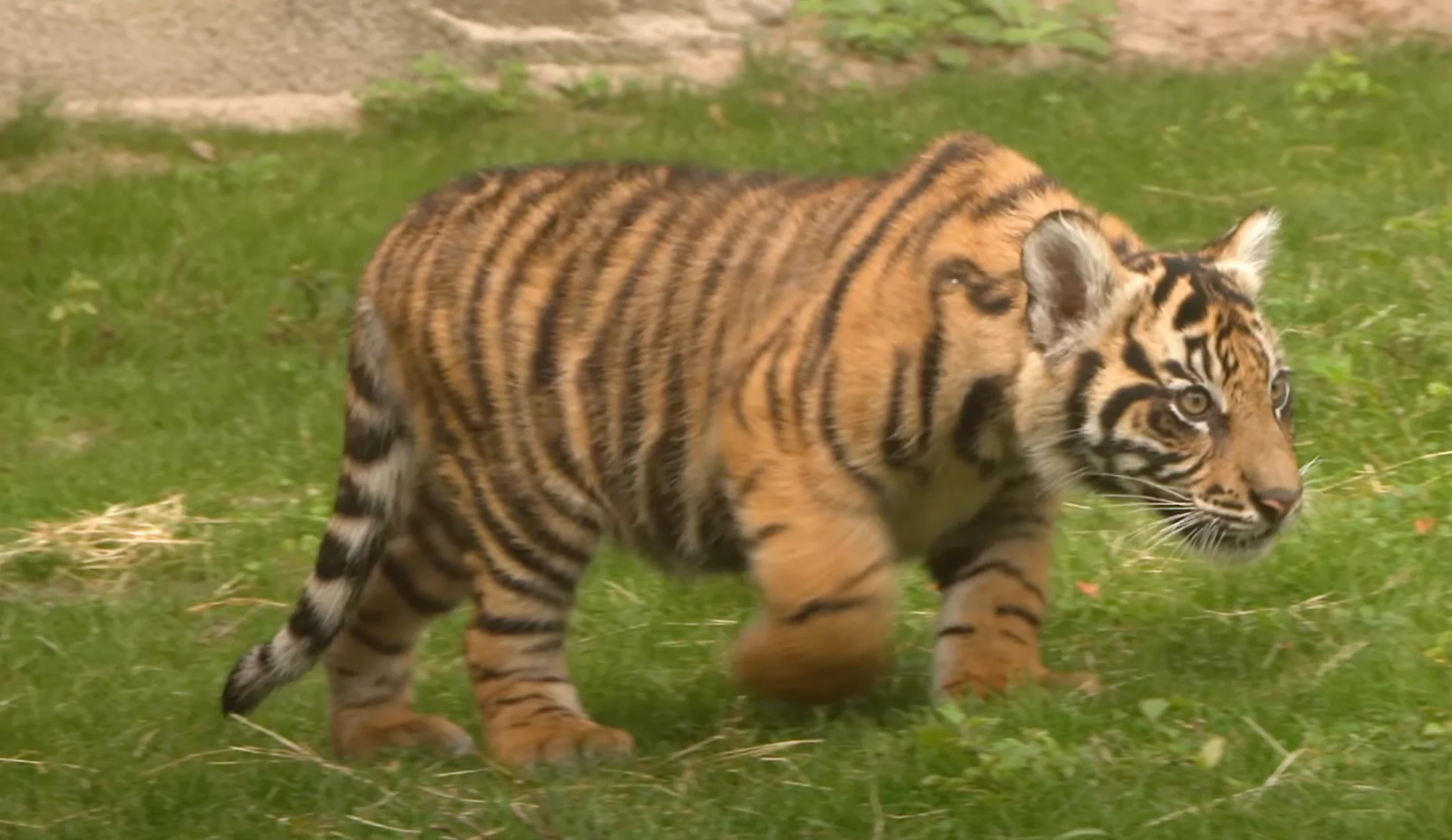
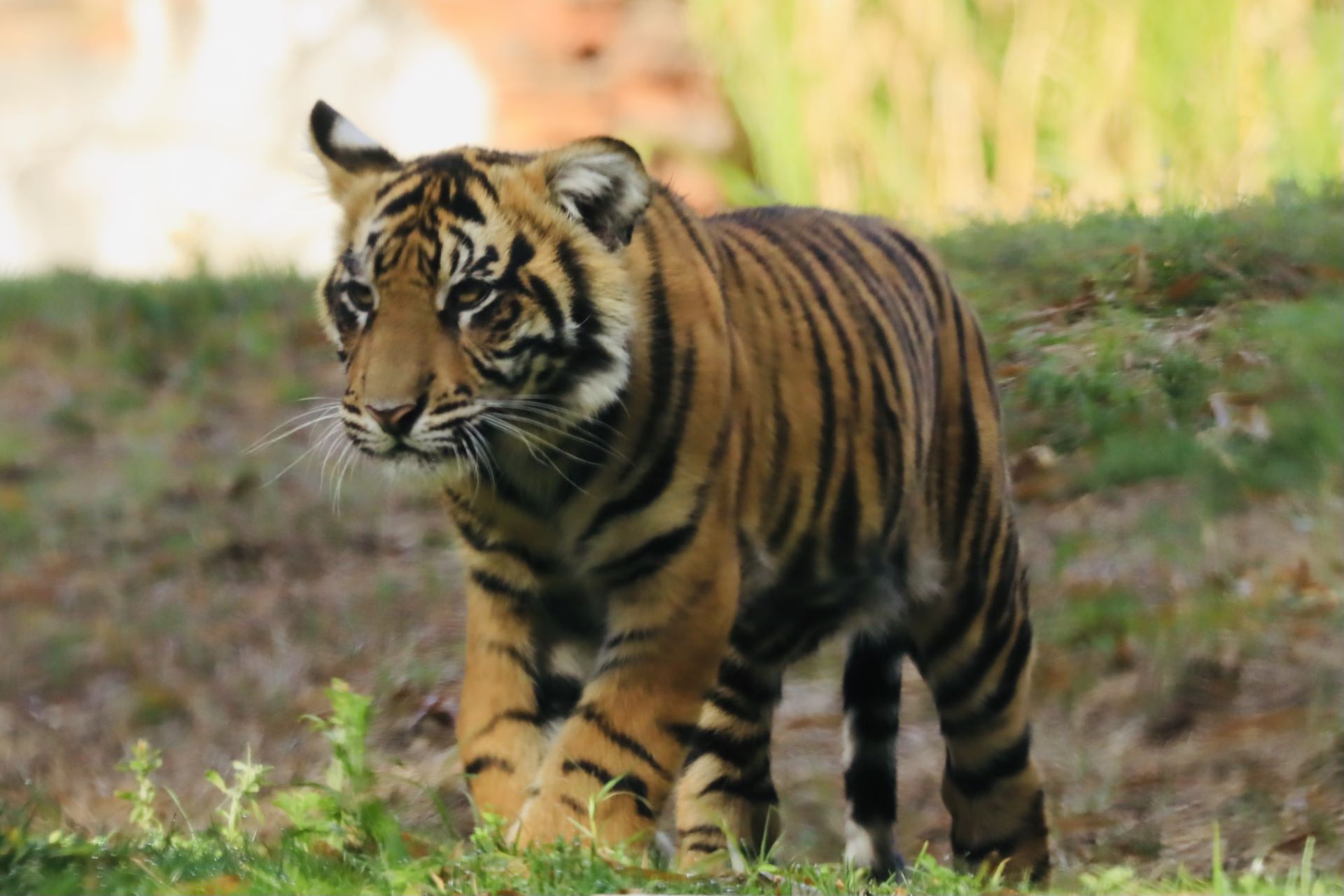
The primary reason humans find tiger cubs so mesmerizing is rooted in evolutionary biology, specifically a concept known as Kindchenschema (baby schema). Formulated by ethologist Konrad Lorenz, this principle suggests that certain physical characteristics in infants trigger an automatic nurturing response in adults. Tiger cubs possess these traits in abundance: a large head relative to body size, high and prominent foreheads, large eyes, and rounded body shapes.
When we observe these features, our brains release dopamine, the "feel-good" neurotransmitter, which fosters a sense of empathy and a desire to protect the creature. In the wild, this response is essential for the survival of the cub’s own species, ensuring the mother remains bonded and attentive. However, because these traits are cross-species, humans experience a "cuteness" response that bridges the gap between different biological families.
Beyond the physical, the clumsy motor movements of a young cub further enhance this fascination. Because their paws are disproportionately large for their bodies—a biological necessity to allow for future growth—their early attempts at walking, pouncing, and climbing are inherently uncoordinated. This vulnerability contrasts sharply with our knowledge of the adult tiger’s lethal grace, creating a psychological "hook" that keeps us engaged with their development.
The Paradox of Power: Vulnerability vs. Vitality
One of the most profound reasons the animal kingdom tiger cub captivates us is the inherent paradox they represent. We are looking at a creature that is currently helpless—born blind and weighing barely one kilogram—yet carries the genetic blueprint of the world’s most formidable terrestrial predator.
In 2026, wildlife enthusiasts and researchers continue to study how this transition from vulnerability to total dominance occurs. This narrative arc—the "hero's journey" of the natural world—resonates with human storytelling. We see a cub and subconsciously project its future: a 200-kilogram Amur tiger capable of taking down a water buffalo. This juxtaposition of "the tiny" and "the mighty" creates a sense of awe that few other species can replicate.
Evolutionary Training Through Play
The fascination is also driven by the cub’s behavior, specifically social play. Tiger cubs engage in wrestling, stalking, and "ambushing" their siblings or mother. To a human observer, this looks like innocent fun. Biologically, however, it is a high-stakes training ground. Through play, cubs develop the muscle memory and neural pathways required for the "neck bite" and the silent stalk. Watching a cub practice these lethal skills with a soft, fuzzy exterior creates a unique cognitive dissonance that is highly engaging to the human mind.
Developmental Milestones of Panthera Tigris
Understanding the specific timeline of a tiger cub's growth helps explain why we find their progression so compelling. Their development is a rapid transformation that rewards consistent observation.
- The Neonatal Period (0-2 Weeks): Cubs are born with their eyes closed and are entirely dependent on the tigress. Their vulnerability during this stage is extreme, which often evokes the strongest protective sentiment in humans.
- The Emergence (2-8 Weeks): Once their eyes open, cubs begin to explore the immediate vicinity of the den. This is the stage where "personality" begins to show, as bolder cubs venture further than their more cautious siblings.
- Introduction to Meat (8-12 Weeks): While still nursing, cubs begin to taste the kills brought back by the mother. This transition marks the beginning of their life as carnivores.
- The Training Phase (6-18 Months): This is the longest and most active period of fascination. Cubs follow their mother on hunts, learning the nuances of territory marking and prey selection. In the wild, the mortality rate is high during this time, which adds a layer of emotional "stakes" for those following their journey.
Comparative Overview of Tiger Subspecies Cubs
Not all tiger cubs are identical. Depending on their subspecies, their physical traits and the environments they must adapt to vary significantly.
| Subspecies | Birth Weight (Approx.) | Habitat Adaptation | 2026 Conservation Status |
|---|---|---|---|
| Amur (Siberian) | 1.2 kg – 1.6 kg | Thick fur for sub-zero temperatures. | Endangered |
| Bengal | 0.8 kg – 1.2 kg | Adapted for varied terrain (jungle to swamp). | Endangered |
| Sumatran | 0.7 kg – 1.0 kg | Smallest subspecies; adapted for dense island forests. | Critically Endangered |
| Malayan | 0.8 kg – 1.1 kg | Adapted for tropical climates and high humidity. | Critically Endangered |
Conservation Psychology: The Flagship Species Effect
The animal kingdom tiger cub is not just an object of aesthetic beauty; it is a powerful tool in conservation psychology. In 2026, environmental organizations utilize the image of the cub to drive "Flagship Species" campaigns. A flagship species is a species chosen to represent an environmental cause, such as an entire ecosystem in need of protection.
Because tiger cubs evoke such a strong emotional response, they act as a gateway for public interest in broader ecological issues. By saving the "cute" tiger cub, conservationists can secure funding and legal protections that save thousands of other less "charismatic" species—such as insects, plants, and smaller mammals—that share the tiger’s habitat. This is known as the umbrella effect.
Our fascination, therefore, has a functional utility. The "captivation" we feel serves as the primary engine for the massive financial and political capital required to maintain protected corridors and anti-poaching units across Asia.
Media and Cultural Representation
The tiger cub has held a place of prominence in human culture for millennia, from ancient Chinese art to modern digital media. In the current 2026 landscape, high-definition wildlife cinematography has brought the "secret life" of cubs into our living rooms with unprecedented intimacy.
Documentaries now use remote "boulder cams" or drone technology to capture natural behaviors without human interference. This "unfiltered" look at the mother-cub bond mirrors human parental care, making the animals feel more relatable. We see the mother tigress’s patience as she allows her cubs to pounce on her tail, and we recognize the universal language of maternal affection. This relatability is a key driver of our enduring interest.
Practical Challenges in the Human-Tiger Connection
While our fascination is largely positive, it does present challenges. The "captivation" can lead to a desire for proximity, which fuels the illegal pet trade or "cub petting" tourism. It is vital for enthusiasts to distinguish between the conservation of wild tigers and the exploitation of captive ones.
- Ethical Observation: In 2026, the global standard for observing tiger cubs is through accredited sanctuaries or strictly regulated national parks (such as Kanha or Ranthambore).
- The Problem of Imprinting: Cubs raised by humans lose their natural fear of people, making them impossible to release into the wild.
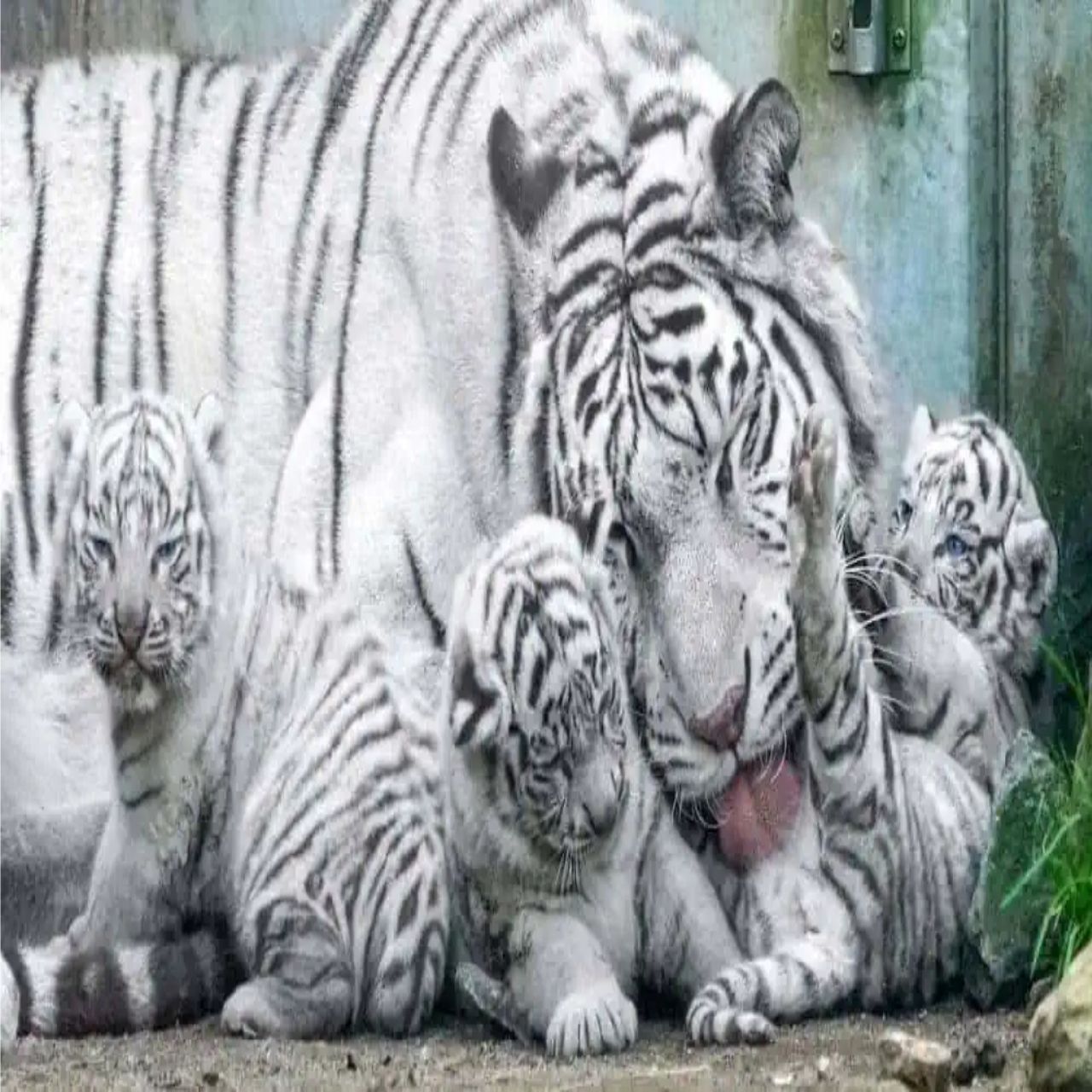
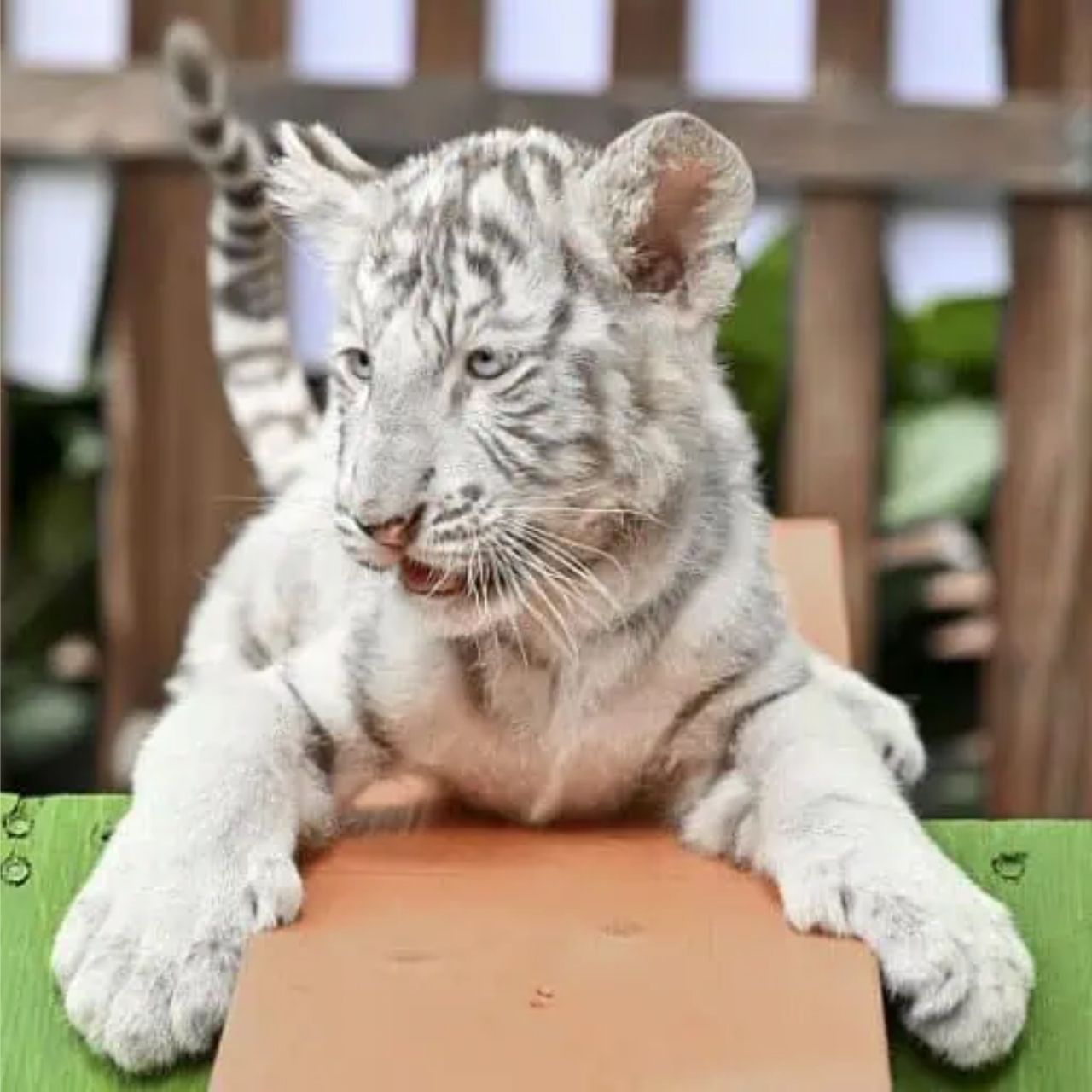
- Genetic Integrity: Captive breeding for "cuteness" (such as white tigers, which are the result of inbreeding) often leads to severe health defects, including hip dysplasia and vision problems.
FAQ
Why are tiger cubs born blind?
Tiger cubs are born blind as an evolutionary trade-off. Because tigers are apex predators that need to hunt until shortly before giving birth, they have a relatively short gestation period (around 100-105 days). This results in "altricial" young—offspring that are underdeveloped at birth but can grow rapidly in the safety of a den while the mother continues to provide high-protein milk and protection.
How long do tiger cubs stay with their mothers?
Typically, tiger cubs stay with their mothers for about 18 to 24 months. During this period, they learn the complex skills of territorial management and hunting. Males usually disperse earlier and travel further to find their own territory, while females may establish a territory adjacent to their mother’s.
Can a tiger cub be domesticated?
No. Despite their captivating appearance, tiger cubs are wild animals with deeply ingrained predatory instincts. Even those raised from birth by humans possess a "prey drive" that can be triggered by sudden movements or high-pitched sounds. Domestication is a process that takes thousands of years of selective breeding, whereas a tiger cub is a genetically wild feline.
What is the biggest threat to tiger cubs in 2026?
Habitat fragmentation remains the primary threat. When forests are divided by roads or human settlements, young cubs are forced to cross dangerous areas to find new territories. Additionally, the loss of prey species (like deer and wild boar) means that mothers may struggle to find enough food to produce milk for their litters.
Why do some tiger cubs have different colorations?
While most cubs are orange with black stripes, genetic mutations can lead to white or golden colors. However, in the wild, these are extremely rare because the lack of camouflage makes it nearly impossible for the cub to survive once it begins hunting. In 2026, most white tigers seen in captivity are the result of intentional inbreeding, which is widely discouraged by reputable zoological associations like the World Association of Zoos and Aquariums (WAZA).
Actionable Next Steps for Enthusiasts
If you find yourself captivated by the tiger cub, the most effective way to channel that interest is through support for landscape-level conservation. Rather than supporting facilities that offer "hands-on" cub experiences, prioritize organizations that protect the "Animal Kingdom" in its natural state.
- Support the Global Tiger Forum: This inter-governmental body works to protect tigers in the wild.
- Choose Ethical Tourism: If visiting tiger range countries, ensure your tour operator is certified by Global Sustainable Tourism Council (GSTC) standards.
- Verify Information: Use resources like the IUCN Red List to stay updated on the current population counts and threat levels for specific subspecies as of 2026.
By moving from passive admiration to active, informed support, we ensure that the animal kingdom tiger cub remains a living part of our world rather than just a memory in a documentary.
Image Gallery