Understanding the Auger Company Definition and Industry Context
An auger company is a specialized manufacturing or engineering firm that designs, fabricates, and distributes industrial drilling equipment—specifically helical screw blades—used to displace or extract material. These companies serve e...
An auger company is a specialized manufacturing or engineering firm that designs, fabricates, and distributes industrial drilling equipment—specifically helical screw blades—used to displace or extract material. These companies serve essential roles in sectors ranging from civil engineering and geotechnical construction to large-scale agriculture and chemical processing, where the controlled movement of solids or fluids is required for structural foundation or production efficiency.
Contents
Defining the Auger: Mechanical Fundamentals
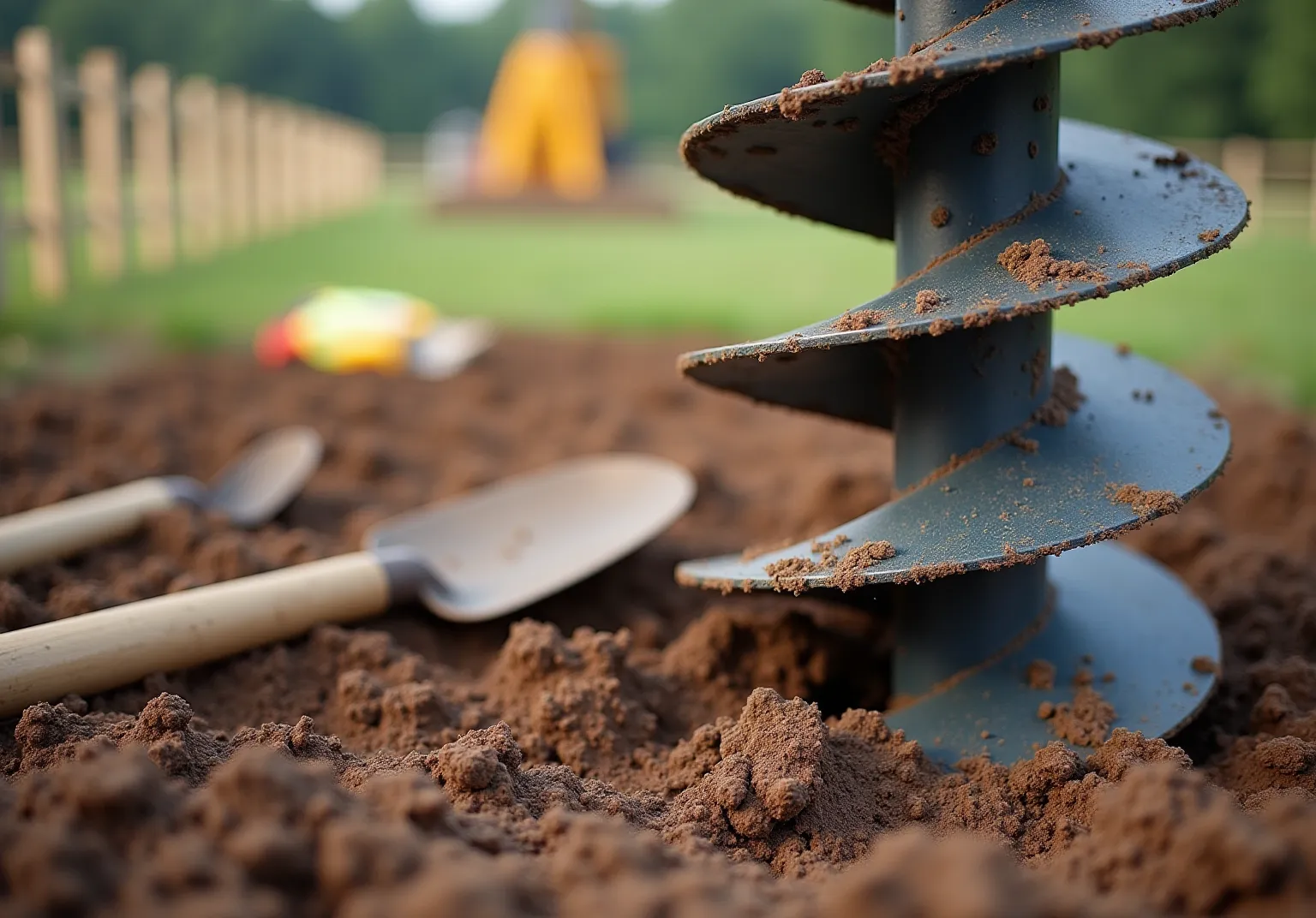
At its simplest, an auger is a rotary tool featuring a helical screw blade—often called "flighting"—that acts as a screw conveyor. As the device rotates, the flighting bores into the substrate, lifting or displacing material along the central shaft. While many consumers recognize the manual hand augers used in gardening, an industrial auger company focuses on high-torque, heavy-duty machinery.
The industry categorizes these devices based on their operational purpose:
- Earth Augers: Utilized for drilling holes for fence posts, utility poles, and foundation piers. These are standard in the construction and utility sectors.
- Continuous Flight Augers (CFA): Used primarily in deep foundation work, where concrete is injected through the hollow stem of the auger as it is withdrawn from the ground, ensuring structural integrity in unstable soil.
- Process/Conveyor Augers: Designed for horizontal or inclined material handling in food processing, grain storage, and chemical manufacturing. These do not necessarily "drill" but rather move granular or semi-solid materials through a tube.
Industry Context and Market Dynamics
The industry surrounding auger manufacturing is deeply tied to the infrastructure development cycle and global agricultural demand. As of 2026, auger companies operate within a framework of strict technical specifications, as their products often determine the load-bearing capacity of skyscrapers, bridges, and energy infrastructure.
The sector is fragmented, consisting of massive multinational original equipment manufacturers (OEMs) that produce complete drilling rigs and smaller, specialized fabrication shops that focus exclusively on high-performance flighting and tooling. This distinction is critical for procurement managers: an OEM typically provides the entire hydraulic power unit and carrier, whereas an independent auger company provides the wear parts and custom attachments necessary to adapt that power unit to specific geological or industrial conditions.
Essential Components and Technical Specifications
When selecting a supplier or analyzing the capability of an auger company, technical depth is required. The performance of an auger is defined by more than just its diameter; the metallurgy of the flighting, the pitch of the screw, and the connection geometry are primary factors.
- Flighting Thickness: Thicker steel is required for abrasive soils (such as those containing high concentrations of sand or gravel) to prevent rapid degradation.
- Hard-Facing: The application of tungsten carbide or other wear-resistant alloys to the leading edge of the auger blade is a defining characteristic of professional-grade equipment.
- Telescoping Capabilities: Many modern construction augers utilize telescoping "Kelly bars" to reach depths exceeding 30 meters, requiring specialized engineering that only experienced manufacturers can provide.
Comparison of Auger Applications by Industry
The following table outlines the operational requirements for auger companies based on their primary target markets:
| Industry Sector | Primary Auger Type | Critical Technical Need | Operational Environment |
|---|---|---|---|
| Geotechnical | Hollow Stem Auger | High torque; torque-to-weight ratio | Unstable soil, deep foundation |
| Agriculture | Grain Auger | High throughput; low contamination | Granular storage, harvesting |
| Construction | Earth/Rock Auger | Hard-facing; replaceable teeth | Dense clay, rock, concrete |
| Environmental | Sampling Auger | Corrosion resistance; cleanliness | Soil remediation, site assessment |
Operational Prerequisites and Procurement
For a firm engaging an auger company for the first time, the procurement process requires specific input data. An auger company cannot provide an accurate quote or design without the following prerequisites:
- Carrier Specification: The make and model of the excavator or skid-steer loader the auger will attach to, specifically the hydraulic flow rate (GPM) and pressure (PSI) ratings.
- Geotechnical Report: Understanding the soil density or material hardness is essential to determine the "cutting head" geometry. Attempting to use a standard auger on rock will lead to immediate failure of the flighting.
- Depth and Diameter Requirements: Larger diameters require significantly higher torque. Attempting to push a large diameter auger on a machine without sufficient hydraulic output will stall the carrier and potentially damage the drivetrain.
Common Industry Challenges and Troubleshooting
Even with premium equipment, the auger industry faces recurring operational issues. A primary challenge is "auger refusal," which occurs when the equipment encounters a substrate it cannot penetrate. Professional companies often provide secondary "rock heads" or pilot bits to manage this, but operators must be trained to recognize the symptoms of refusal—such as excessive carrier vibration or hydraulic temperature spikes—before structural failure of the auger shaft occurs.
Another significant issue is the calibration of screw conveyors in industrial processing. If the pitch of the flighting is not perfectly matched to the material's bulk density, the auger may cause "material churning" or plugging, which leads to downtime. Modern companies now utilize computational fluid dynamics (CFD) modeling to ensure material flow before the physical auger is fabricated.
Legal and Safety Considerations
Safety is paramount in any industry involving high-torque rotating machinery. In 2026, manufacturers are increasingly held to strict ISO standards regarding guarding and emergency shut-off protocols. When procuring equipment, it is necessary to verify that the manufacturer complies with local Occupational Safety and Health Administration (OSHA) regulations or equivalent regional safety bodies. Failure to utilize equipment with proper safety shielding during drilling operations can result in significant legal liability and workplace injury.
Choosing the Right Partner
The selection of an auger company should be based on vertical integration. A high-quality company will offer not just the physical tool, but also maintenance services for re-flighting (the process of welding new blades onto a worn shaft). This service extends the lifecycle of the expensive core shaft by years. Avoid companies that operate solely as intermediaries; direct access to the engineering team is vital when a project encounters unexpected site conditions that require custom modifications.
Before moving forward with a project, ensure your contractor has provided a load-bearing analysis for any pile foundations installed via auger. The precision of the flighting and the consistency of the drilling speed are the primary variables in ensuring that a bored pile reaches its intended depth and load-carrying capacity without compromising the surrounding soil structure.
FAQ
What is the difference between a flighted auger and a solid stem auger? A flighted auger uses a screw blade to move material out of the hole, whereas a solid stem auger is often used for site investigation where the auger string acts as a casing to keep the hole open while samples are retrieved through the center.
How often should auger teeth be replaced? Replacement frequency depends entirely on the abrasiveness of the material. In rocky soil, tungsten carbide teeth may require replacement after 50 to 100 hours of operation, whereas in soft loamy soil, they may last hundreds of hours.
Can any auger be used on any excavator? No. An auger must be matched to the hydraulic flow capacity of the excavator. Using an undersized motor on a high-flow machine will lead to overheating, while an oversized motor on a low-flow machine will result in lack of torque and poor drilling performance.
What is "re-flighting" in the context of an auger company? Re-flighting is a refurbishment service where the old, worn, or damaged spiral blades of an auger are removed and replaced with new steel flighting, allowing the expensive core shaft and connection point to be reused.
How does an auger company determine the correct pitch for an industrial conveyor? They calculate the pitch based on the material's angle of repose, particle size, and desired throughput volume. If the material is prone to packing, a variable-pitch screw may be engineered to prevent material compaction along the conveyor length.
Next Action: If you are currently planning a project that requires deep foundation or bulk material handling, compile your site's geotechnical data and your carrier machine’s hydraulic specifications. Contact an experienced auger manufacturer to perform a load and torque simulation to ensure your chosen flighting geometry will meet your operational requirements.
Image Gallery