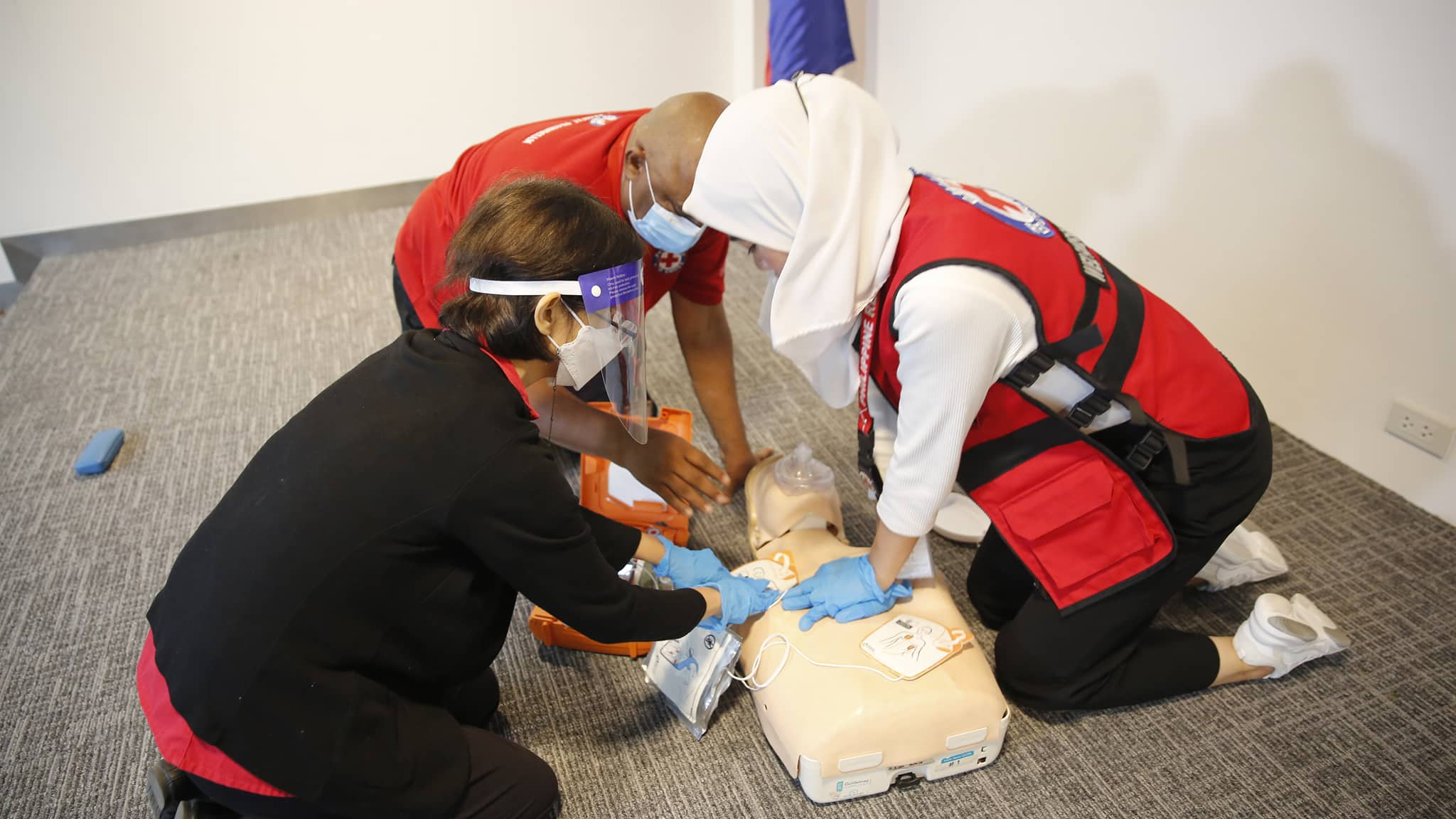
Red Cross EpiPen Training: What You Need to Know for Anaphylaxis Emergency Response
Red Cross EpiPen training equips individuals, educators, healthcare providers, and workplace safety teams with the essential knowledge and hands-on skills required to recognize severe allergic reactions and administer epinephrine safel...
Red Cross EpiPen training equips individuals, educators, healthcare providers, and workplace safety teams with the essential knowledge and hands-on skills required to recognize severe allergic reactions and administer epinephrine safely using an auto-injector.
Contents
Anaphylaxis is a severe, life-threatening allergic reaction that can develop within seconds or minutes of exposure to an allergen such as insect stings, foods, latex, or medications. Because every moment counts during a systemic reaction, having trained responders who know how to correctly identify symptoms and deploy an epinephrine auto-injector can prevent catastrophic outcomes. The American Red Cross offers specialized courses—often integrated into broader First Aid, CPR, and AED training or available as standalone online and blended modules—designed to demystify the mechanics of auto-injectors and build absolute confidence in emergency response.
Understanding how these training programs operate, what they cover, and who needs them helps organizations and individuals maintain compliance, improve safety readiness, and ultimately save lives.
Understanding Anaphylaxis and the Role of Epinephrine
Before examining training logistics, it is vital to understand the physiological emergency that necessitates an EpiPen. Anaphylaxis involves multiple body systems, most commonly the respiratory and cardiovascular systems. When an allergen triggers a massive release of histamines and other inflammatory chemicals from immune cells, blood vessels dilate drastically (causing a dangerous drop in blood pressure), airways constrict, and fluid may leak into lung tissues.
Epinephrine is the primary, life-saving pharmacological intervention for anaphylaxis. As a potent alpha- and beta-adrenergic agonist, it rapidly constricts blood vessels to raise blood pressure, relaxes smooth muscles around the airways to improve breathing, reduces swelling of the lips, tongue, and throat, and curbs further release of allergic mediators from immune cells.
Despite its life-saving properties, epinephrine is a temporary measure. It buys critical time—usually 15 to 20 minutes—allowing the patient to receive definitive emergency medical care. This clinical reality underpins the core curriculum of Red Cross training: administering the auto-injector is only the first step in a chain of survival that must immediately include calling emergency services (such as 911).
Core Components of Red Cross EpiPen Training Curricula
Red Cross epinephrine auto-injector training programs are structured to blend theoretical understanding with tactile familiarity. Because panic often accompanies real-world medical emergencies, training must transition technical knowledge into second-nature muscle memory.
Recognition of Signs and Symptoms
Trained participants learn to differentiate between mild allergic reactions (such as localized hives, minor itching, or a runny nose) and full-scale anaphylaxis. Key indicators taught in Red Cross modules include:
- Respiratory Distress: Wheezing, shortness of breath, repetitive coughing, or throat tightness.
- Cardiovascular Signs: Pale skin, dizziness, a weak and rapid pulse, confusion, or loss of consciousness.
- Gastrointestinal Symptoms: Persistent cramping, nausea, vomiting, or diarrhea.
- Integumentary Manifestations: Widespread hives, flushing, or severe swelling of the face, lips, and tongue.
The presence of symptoms affecting two or more body systems—or a known history of severe allergies combined with even a single compromised airway or cardiovascular sign—triggers the protocol for immediate epinephrine administration.
Hands-On Practice with Trainer Devices
A cornerstone of the Red Cross methodology is practicing with inert, non-needle training devices. These trainers mimic the exact weight, cap-removal sequence, and click-activation mechanics of actual commercial auto-injectors (such as the EpiPen and its authorized generics) without containing any medication or needle.
Participants practice:
- Proper grip mechanics (forming a fist around the device and avoiding placing fingers or thumbs over the ends).
- Removing the safety release cap.
- Firmly swinging and pushing the tip against the outer mid-thigh until a distinct click is heard.
- Holding the device in place for the recommended duration (typically 3 seconds for current standard devices) to ensure full delivery of the dose.
- Safely massaging the injection site post-administration and noting the exact time.
Training Delivery Formats: Online, Blended, and In-Person
The American Red Cross provides flexible training delivery methods to accommodate different learning environments, institutional requirements, and scheduling constraints.
| Training Format | Description | Best Suited For |
|---|---|---|
| Online-Only Course | Self-paced digital modules covering recognition, theory, and cognitive decision-making. | General public, parents, and individuals seeking informational knowledge without certification requirements. |
| Blended Learning | Combines online cognitive modules with a mandatory, hands-on skills session evaluated by an instructor. | Workplace responders, teachers, daycare staff, and individuals requiring verifiable certification. |
| Full Classroom Course | Instructor-led training covering First Aid, CPR, AED, and epinephrine auto-injector administration in one setting. | Corporate safety teams, fitness instructors, coaches, and camp counselors. |
Blended and full classroom courses are generally required for individuals who need official documentation of competency to satisfy state childcare licensing, school district policies, or occupational safety mandates (such as OSHA guidelines for certain workplaces).
Regulatory Frameworks, Legal Protections, and School Policies
Training standards do not exist in a vacuum; they interact closely with state laws, federal guidelines, and institutional policies regarding medication administration.
Good Samaritan Laws and Liability
Many participants worry about the legal ramifications of administering medication to someone else. Generally, Good Samaritan laws protect individuals who act reasonably, prudently, and without compensation to help a person in an emergency. Furthermore, legislation across many jurisdictions explicitly protects lay rescuers and designated school personnel who administer epinephrine auto-injectors in good faith during suspected anaphylactic events.
Stock Epinephrine Legislation
Many states have enacted laws permitting or requiring schools, daycares, restaurants, and public venues to maintain a supply of "stock" epinephrine—auto-injectors not prescribed to any specific individual but available for emergency use on any person experiencing their first-ever anaphylactic reaction. Red Cross training prepares designated staff to manage stock supplies properly, monitor expiration dates, and execute emergency action plans effectively.
Operational Limitations and Post-Injection Procedures
Effective training also emphasizes what not to do and outlines the boundaries of first-aid intervention.
- Never Delay Epinephrine: Hesitation is one of the leading factors in severe anaphylaxis fatalities. If anaphylaxis is suspected, administering epinephrine immediately is safer than waiting to see if symptoms subside.
- Injection Site: The medication must be delivered intramuscularly into the anterolateral aspect of the middle thigh. Injections into the buttocks, veins, or hands can result in severe tissue damage or inadequate absorption.
- The 911 Imperative: Because a second wave of anaphylaxis (a biphasic reaction) can occur hours after the initial episode, emergency medical services must be activated immediately following the first injection, regardless of whether symptoms appear to improve.
- Device Disposal: Used auto-injectors contain exposed needles (in older designs) or concealed locking mechanisms. They must be handed over safely to emergency medical personnel in a puncture-resistant container if available, ensuring no accidental needle sticks occur among bystanders.
Frequently Asked Questions
Can anyone take a Red Cross EpiPen training course?
Yes, Red Cross courses are open to the general public. No prior medical background is required to enroll in basic First Aid, CPR, and epinephrine administration classes.
How long is a Red Cross epinephrine certification valid?
Certifications typically expire after two years, aligning with standard CPR and First Aid validity periods. Recertification requires completing an updated training session and demonstrating practical competency.
What is the difference between an EpiPen and an Auvi-Q?
While both are epinephrine auto-injectors, they operate differently. EpiPens feature a traditional pen-like design with a flip-top case and manual swing-and-push action. Auvi-Q devices feature an electronic voice prompt system that guides the user step-by-step through the injection process. Red Cross training covers general principles applicable across device types, with specific emphasis on dominant market models.
Can a person administer an EpiPen through clothing?
Yes. In an emergency, epinephrine auto-injectors can be administered directly through standard clothing (such as jeans, trousers, or skirts) on the outer thigh. However, thick seams, heavy winter gear, or rigid objects in pockets should be avoided if possible.
What should be done if symptoms do not improve after one injection?
If symptoms persist or worsen after 5 to 15 minutes, and a second auto-injector is available and authorized under local protocols or medical direction, a second dose may be administered while waiting for emergency responders to arrive.
Next Steps and Getting Certified
To secure official certification in epinephrine auto-injector administration, visit the official American Red Cross website to locate local training providers, check availability for blended or classroom schedules, and register for a course tailored to your professional or personal needs. Ensuring you and your team are properly trained transforms uncertainty into immediate, life-saving action when an emergency strikes.
Image Gallery