The New Cable Shows Shifting TV Lineups: Navigating the 2026 Linear Landscape
In 2026, cable networks have successfully revitalized their lineups by prioritizing "event television"—high-budget, weekly scripted series that demand immediate, synchronized viewing. This shift marks a move away from the constant reru...
In 2026, cable networks have successfully revitalized their lineups by prioritizing "event television"—high-budget, weekly scripted series that demand immediate, synchronized viewing. This shift marks a move away from the constant rerun cycles of the past decade, replacing them with curated prime-time blocks designed to trigger social media engagement and sustain long-term advertiser interest through linear exclusivity.
Contents
The Strategic Pivot: Quality Over Quantity in 2026
The television landscape in 2026 is defined by a surprising resurgence in cable programming. After years of losing ground to on-demand streaming services, cable providers and network groups have pivoted their strategy. Rather than attempting to compete with the sheer volume of content found on platforms like Netflix or Disney+, cable networks have doubled down on the linear experience. This involves scheduling high-stakes dramas and interactive reality shows that benefit from a shared, simultaneous viewing experience.
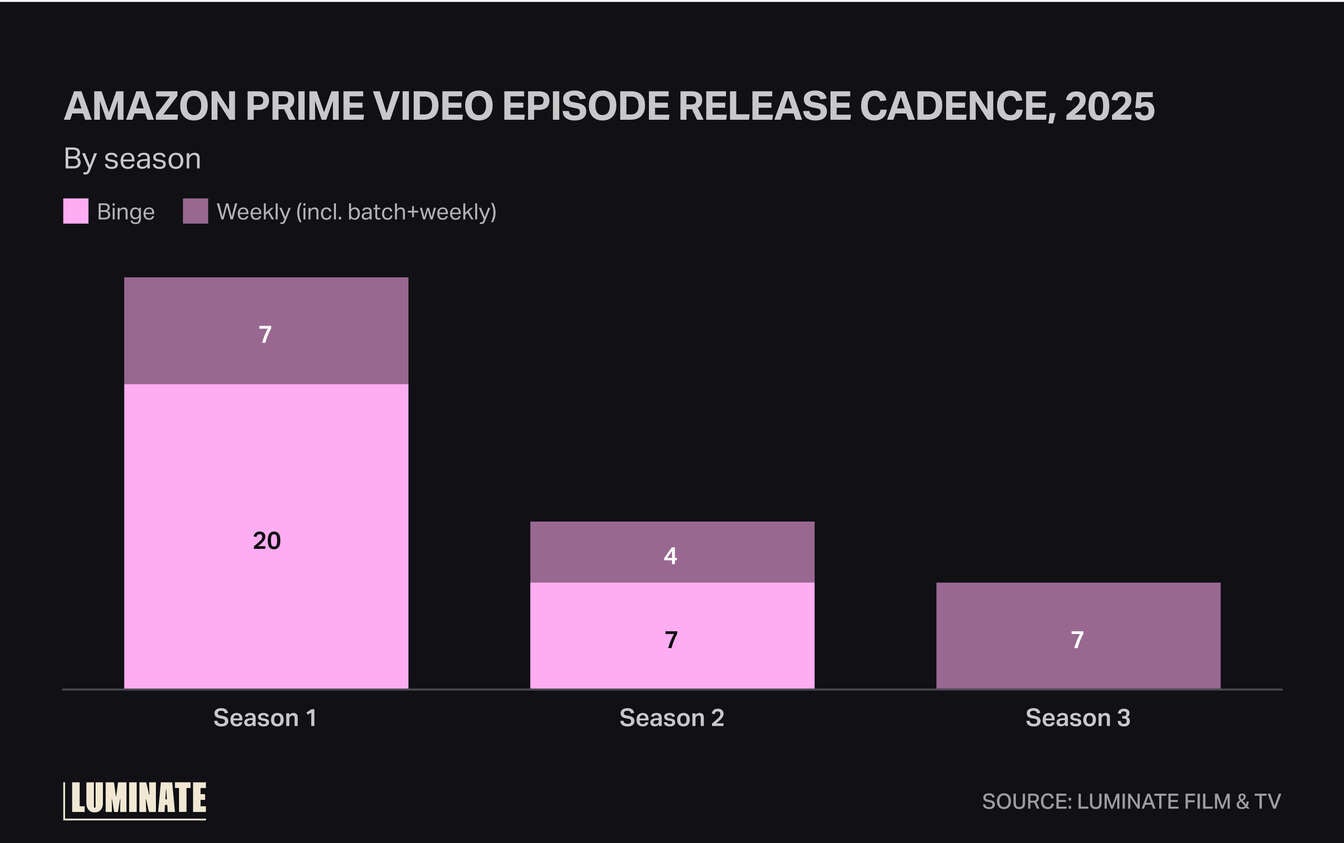
The new cable shows shifting TV lineups are characterized by higher production values and a return to the "appointment viewing" model. Networks have realized that the "binge" model often leads to a "firework effect"—a show enters the cultural consciousness for a weekend and then disappears. By contrast, a 10-week cable run keeps a show in the conversation for months. This sustained relevance is the primary driver behind the restructured schedules we see today across major providers.
Furthermore, the 2026 lineup shift is heavily influenced by the integration of Dynamic Ad Insertion (DAI). This technology allows cable providers to swap out commercials in real-time based on the viewer’s demographic, making linear television more profitable for networks. Consequently, more capital is being injected into original cable programming, allowing networks to compete for top-tier talent and complex scripts that were previously the exclusive domain of premium streaming.
Major Networks and the Shows Driving the Change
Several key networks have emerged as the architects of this new linear era. By examining their current schedules, we can see how specific genres and production styles are altering what viewers find when they flip through their channel guides.
FX and the Era of High-Concept Anthologies
FX has maintained its reputation as a leader in prestige cable by leaning into high-concept anthology series. In 2026, the network has shifted its lineup to focus on "Limited Event Blocks." These are shows that air exclusively on Tuesday nights, often featuring award-winning directors. By keeping these shows off their associated streaming apps for a 24-hour window, FX has forced a return to the traditional TV schedule for the most dedicated fans. This "Windowing 2.0" strategy has proven that audiences are willing to wait for a specific time if the content is sufficiently exclusive.
AMC: Expanding the Cinematic Universe
AMC has moved beyond the single-track focus of its earlier hits. The 2026 lineup features interconnected series that share time slots. For instance, a viewer might watch a core drama at 9:00 PM, followed immediately by a companion "lore" series at 10:00 PM. This "block programming" keeps viewers tuned in for several hours, a tactic that was once common in the 1990s but has been reinvented with modern, high-stakes storytelling.
USA Network and the Return of "Blue Skies"
In a notable shift, USA Network has returned to its "Blue Skies" programming roots—optimistic, character-driven procedurals. These shows are designed for comfort viewing but with 2026 production standards (4K HDR broadcasts). These series often occupy the 8:00 PM "early prime" slot, acting as a gateway for families before more mature content airs later in the evening. This structured progression helps define the "flow" of an evening, something streaming algorithms struggle to replicate.
The Mechanics of the Shift: Why Lineups Look Different
The structure of a 2026 cable lineup is vastly different from the "all-day marathon" approach of 2018-2022. Networks have become more surgical with their scheduling, utilizing data to determine exactly when their target audience is most likely to be in front of a screen.
| Feature | Traditional Cable (Late 2010s) | Modern Cable (2026) |
|---|---|---|
| Primary Goal | Filling 24 hours of airtime cheaply | Creating high-impact "Event Windows" |
| Content Type | Syndicated reruns and low-cost reality | Original prestige dramas and live interactive shows |
| Scheduling | Repetitive loops/Marathons | Curated nightly blocks with "After-shows" |
| Ad Model | Static, pre-recorded commercials | Dynamic Ad Insertion (DAI) based on user data |
| Engagement | Passive background viewing | Active "Second Screen" social media integration |
| Resolution | Standard HD (1080i/720p) | ATSC 3.0 enabled 4K and HDR10 broadcasts |
The "rerun fatigue" that once drove people away from cable has been addressed by moving syndicated content to daytime or "insomniac" hours (midnight to 6:00 AM). The core hours of 6:00 PM to 11:00 PM are now almost exclusively reserved for first-run content or high-value live events. This creates a "premium tier" feel for the standard cable subscription.
The Economic Driver: Ad Revenue and Live Engagement
The financial backbone of the new cable shows is a sophisticated evolution of the advertising model. In 2026, the value of a live viewer is significantly higher than that of a streaming viewer. This is because live viewers cannot easily skip ads on a linear feed, and the ads themselves are now hyper-targeted.
Networks are also utilizing live-scripted hybrids. These are shows where the plot can be influenced by viewer polls or social media sentiment in real-time during the broadcast. This level of interaction is technically difficult to achieve in an asynchronous streaming environment, giving cable a unique "moat" or competitive advantage. Because these shows require "live" participation, they are anchoring the new lineups and ensuring that viewers tune in at the exact moment of broadcast.
Technical Requirements for the 2026 Viewer
To fully appreciate the new shows shifting cable lineups, viewers have had to upgrade their hardware. The transition to ATSC 3.0 (NextGen TV) has been completed in most major markets. This allows cable providers to deliver 4K resolution, high-dynamic range (HDR), and immersive audio (such as Dolby Atmos) directly through the cable line or over-the-air.
Hardware Prerequisites:
- NextGen TV Tuner: Most television sets manufactured after 2024 have this built-in, but older sets require a specialized converter box to access the enhanced cable signals.
- High-Speed Cable Infrastructure: Providers like Comcast (Xfinity) and Spectrum have upgraded their local nodes to handle the increased bandwidth required for 4K linear feeds.
- Smart Interactivity: To participate in the interactive elements of new shows, a return path (internet connection) is required, usually integrated into the cable box (Set-Top Box) itself.
Common Challenges and Troubleshooting Linear Access
Despite the improvements, navigating the new cable landscape can present hurdles for those transitioning back from a streaming-only lifestyle.
- Conflicting Schedules: With so many networks launching "event" shows simultaneously, DVR management has become critical again. Fortunately, most 2026 cable boxes feature "Cloud DVR" with unlimited simultaneous recordings, though these often have an expiration date (usually 30 to 60 days).
- Regional Blackouts: Some high-value cable shows are part of regional licensing agreements. If a show isn't appearing in your guide, check for "Local Access" restrictions which may require a specific regional sports or entertainment add-on.
- Signal Latency: Interactive shows require low latency. If your "live" vote isn't registering, it is often due to a delay in the cable-to-internet handshake. Restarting the Set-Top Box (STB) typically resolves this synchronization issue.
Frequently Asked Questions
Why are networks moving shows back to a weekly schedule instead of dropping all episodes?
The weekly schedule facilitates "cultural sustainment." It allows for a week of podcasting, social media speculation, and news coverage between episodes, which maximizes the show's marketing value and ad revenue. In 2026, this has proven more profitable for high-budget productions than the "binge" model.
Can I watch these new cable shows without a traditional cable box?
Yes, most major networks offer "Skinny Bundles" or Virtual Multichannel Video Programming Distributors (vMVPDs) like YouTube TV or Hulu + Live TV. However, some interactive features and the highest-bitrate 4K feeds are often reserved for traditional cable subscribers using proprietary hardware.
Is the "Blue Skies" genre really making a comeback?
Yes. Audience data in 2025 and 2026 showed a significant "grimdark fatigue." Viewers are increasingly seeking optimistic, episodic content where problems are solved within the hour. Networks like USA and TBS have pivoted their lineups to satisfy this demand, moving away from heavy serialized dramas.
How do "After-shows" work in the 2026 lineup?
After-shows are now integrated directly into the broadcast. Once the scripted episode ends, the "live" portion begins immediately, often featuring a host and cast members in a separate studio. This keeps the audience on the channel and provides a seamless transition into the next hour of programming.
Are these shows available on streaming eventually?
Most cable-first shows move to a streaming platform after their linear season concludes. However, the "Exclusivity Window" has lengthened in 2026, sometimes lasting up to six months, to protect the value of the cable subscription.
Practical Recommendation for Viewers
To make the most of the shifting TV lineups, viewers should prioritize curated viewing sessions. Rather than channel surfing, consult your provider's "Enhanced Guide" at the beginning of the week to identify the "Event Blocks" (typically occurring Tuesday through Thursday and Sunday nights). If you are a fan of interactive dramas, ensure your cable box is connected to your home Wi-Fi to enable voting and real-time statistics. Finally, consider an ATSC 3.0 compatible receiver if you find your current picture quality lacking, as the new 4K cable standards offer a significant leap over the compressed HD of the early 2020s.
Image Gallery