How to Approach Foundation Repair in Pleasanton, TX
Approaching foundation repair in Pleasanton, TX, requires a systematic evaluation of the region’s expansive clay soils and local climate patterns. Property owners should begin with a professional inspection to distinguish between cosme...
Approaching foundation repair in Pleasanton, TX, requires a systematic evaluation of the region’s expansive clay soils and local climate patterns. Property owners should begin with a professional inspection to distinguish between cosmetic settling and structural failure, followed by selecting a specialized repair method—such as pressed pilings or steel piers—designed to stabilize the structure against South Texas soil volatility.
Contents
The geographical landscape of Pleasanton, situated in Atascosa County, presents unique challenges for residential and commercial structures. Known for its "Blackland Prairie" style soil characteristics mixed with sandy loam and heavy clays, the area experiences significant ground movement. As we navigate 2026, the standards for structural integrity and the technologies used to preserve it have evolved, making it essential for homeowners to understand the technical nuances of foundation stabilization before committing to a contractor.
Understanding the Pleasanton Soil Profile and Its Impact
The primary driver of foundation distress in Pleasanton is the high plasticity of the local soil. Much of the region sits on clay-rich earth that acts like a sponge. During the frequent humid cycles or heavy South Texas rainstorms, the clay absorbs moisture and expands, exertive immense upward pressure on concrete slabs and pier-and-beam footings. Conversely, during the hot, arid summer months typical of the region, the soil loses moisture and shrinks, leaving voids beneath the foundation.
This "shrink-swell" cycle is the root cause of foundation upheaval and settlement. In Pleasanton, the depth at which the soil moisture remains constant—often called the "active zone"—can be quite deep. If a foundation is not supported by piers that reach below this active zone into stable strata, the house will continue to move with the seasons. Homeowners must approach repair not as a "patch job" for cracks, but as a long-term stabilization project that accounts for this inevitable soil movement.
Identifying the Signs of Foundation Failure
Before contacting a repair specialist, it is vital to conduct a thorough walkthrough of the property to document specific symptoms. In 2026, diagnostic tools have become more accessible, but the visual cues remain the most reliable first indicator for property owners.
Interior Indicators
Inside the home, look for doors that no longer latch or that swing open or closed on their own. This often indicates that the door frame has been pulled out of a square by a shifting foundation. Similarly, windows that become difficult to open or close are a sign of structural racking. Cracks in the drywall, particularly those radiating from the corners of door frames or windows at 45-degree angles, are classic signs of settlement. You should also inspect the floors for sloping or "heaving" (upward movement), which can be measured using a digital level or a simple transit tool.
Exterior Indicators
On the exterior of a Pleasanton home, the most common sign is "stair-step" cracking in the brick mortar. While small hairline cracks might be the result of minor settling, gaps larger than 1/8th of an inch suggest significant movement. Look at the frieze boards (the trim at the top of the brick wall) to see if there is a visible gap where the brick has pulled away from the roofline. Additionally, check for "chimney separation," where the chimney begins to tilt away from the rest of the house.
The Professional Evaluation: Engineer vs. Contractor
When approaching foundation repair, one of the most critical decisions is who to call first. In Pleasanton, the best practice is to hire an Independent Licensed Professional Engineer (P.E.) before speaking with repair contractors.
A structural engineer does not sell repair services; they sell an unbiased technical assessment. They will provide a sealed report detailing the exact cause of the movement, the elevations of the floor, and a specific plan of remedial repair if necessary. This report serves as a blueprint for contractors to bid on, ensuring you are comparing "apples to apples" when looking at quotes. In 2026, many municipal building departments in South Texas, including those in Atascosa County, may require an engineer’s sign-off to pull the necessary permits for major structural work.
Once the engineering report is in hand, you can invite foundation repair contractors to provide estimates. A reputable contractor in Pleasanton should be willing to follow the engineer's plan and should provide a clear explanation of their proposed pier placement and depth.
Comparison of Common Foundation Repair Methods in South Texas
Not all repair methods are suitable for the specific soil conditions found in Pleasanton. The following table compares the most common techniques utilized as of 2026.
| Repair Method | Best For | Pros | Cons |
|---|---|---|---|
| Pressed Concrete Pilings | Standard residential slabs | Cost-effective, fast installation, no heavy machinery needed. | Dependent on soil friction; may not reach deep stable strata. |
| Steel Piers | Deep unstable soil / Heavy loads | Reaches deep stable rock or hard clay; highly permanent. | Higher cost; more complex installation. |
| Helical Piers | Light structures / Pier & Beam | Excellent for tension and compression; minimal site disturbance. | Can be difficult to install in very rocky or dense clay. |
| Polyurethane Injection | Minor slab leveling / Void filling | Very fast; no excavation required; waterproofs the area. | Does not provide deep structural support; primarily for leveling. |
| Concrete Piers (Drilled) | New construction / Major retrofits | Extremely stable; high load-bearing capacity. | Significant mess and excavation; longest cure time. |
The Step-by-Step Repair Process
If structural intervention is required, the process generally follows a standardized sequence to ensure safety and longevity.
- Site Preparation: The contractor will mark all underground utility lines (gas, water, sewer). In Pleasanton, this is often handled through the "Texas 811" system. Plants and landscaping near the foundation may need to be moved.
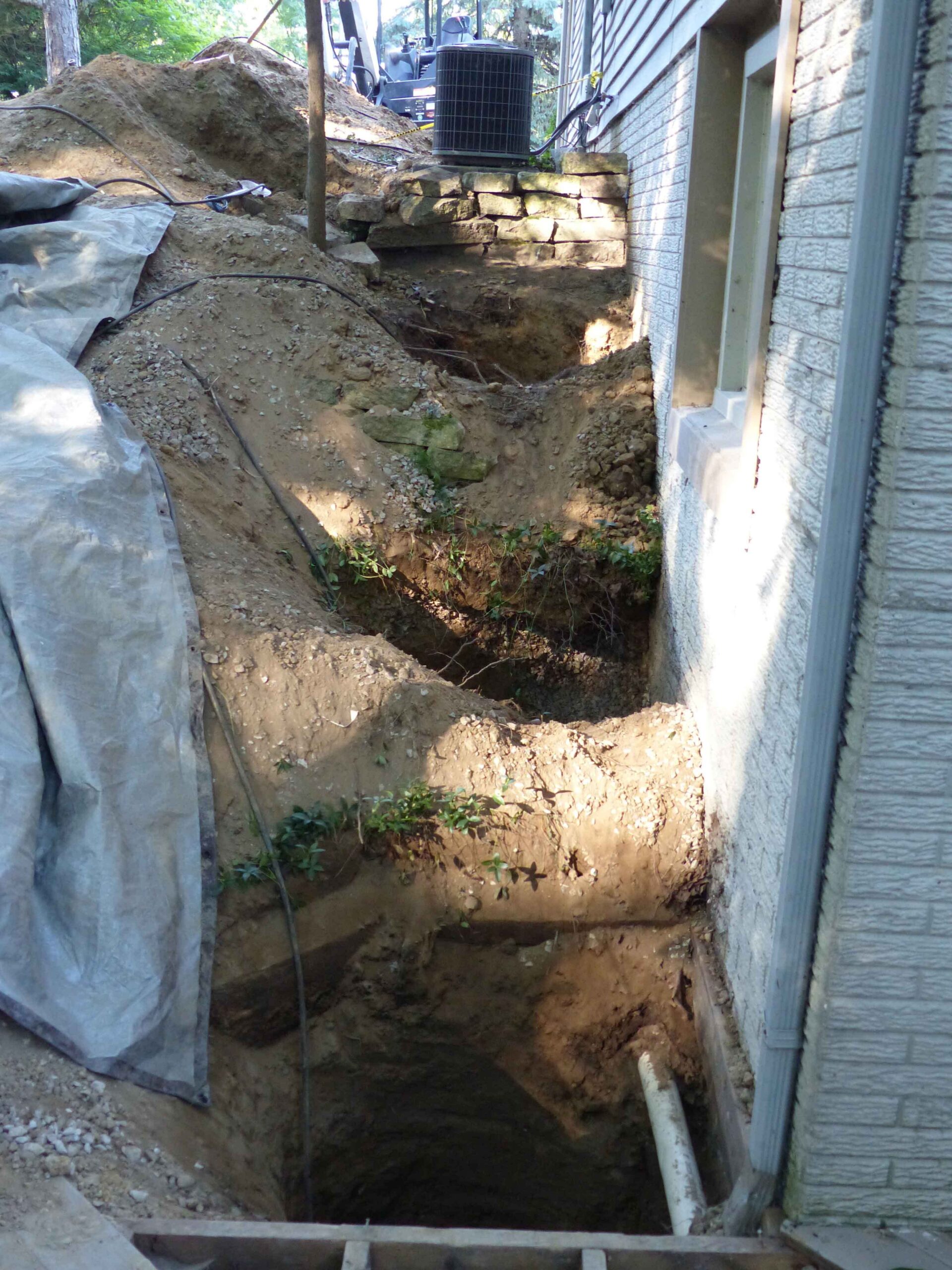
- Excavation: For piling installation, small "bell holes" (roughly 2x2 feet) are dug at specific intervals around the perimeter of the foundation as dictated by the engineer’s plan.
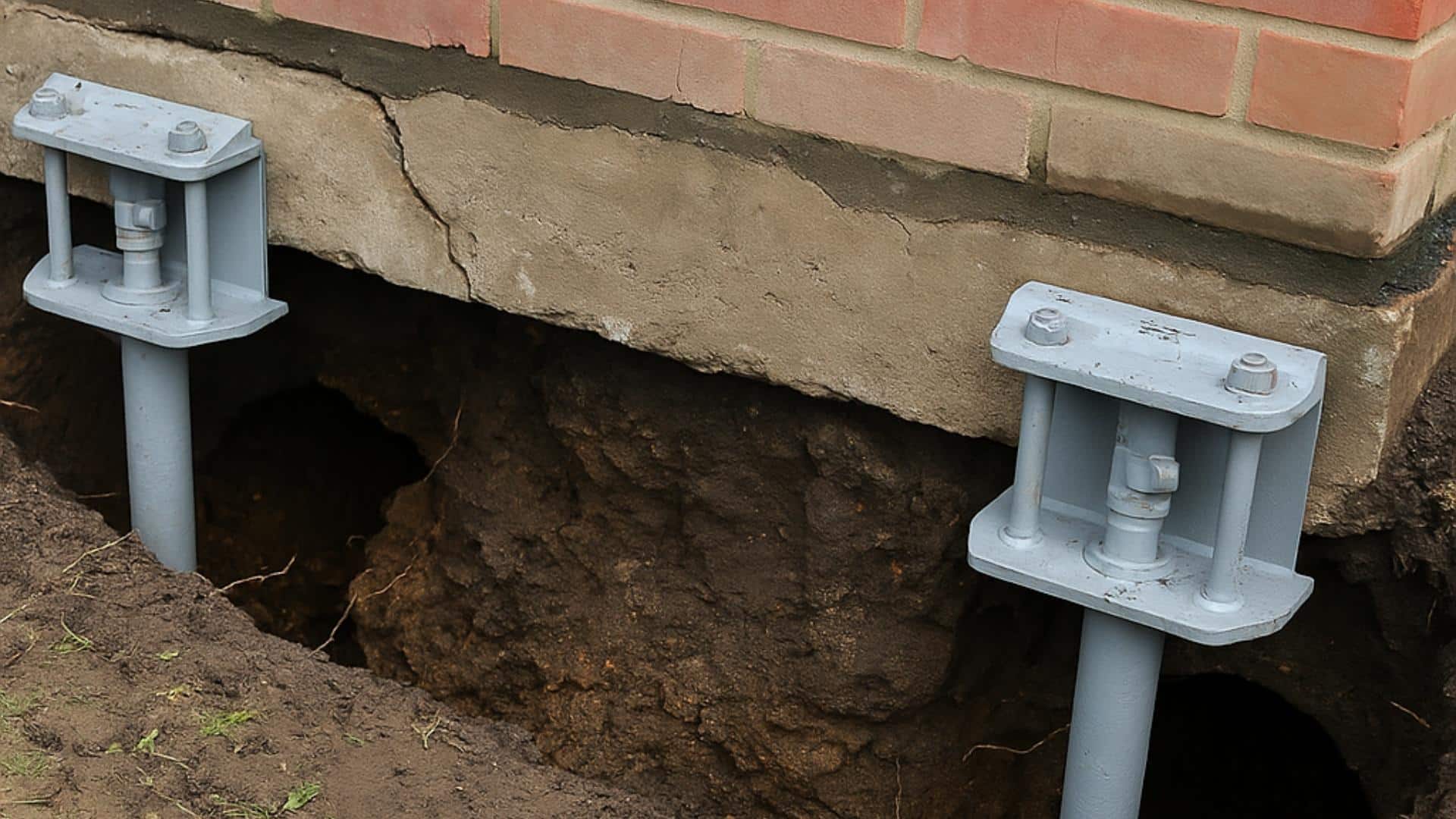
- Installation of Piers: Using a hydraulic ram, the piers (concrete or steel) are driven into the ground. They use the weight of the house as resistance until they hit "refusal"—the point where the soil can no longer be penetrated.
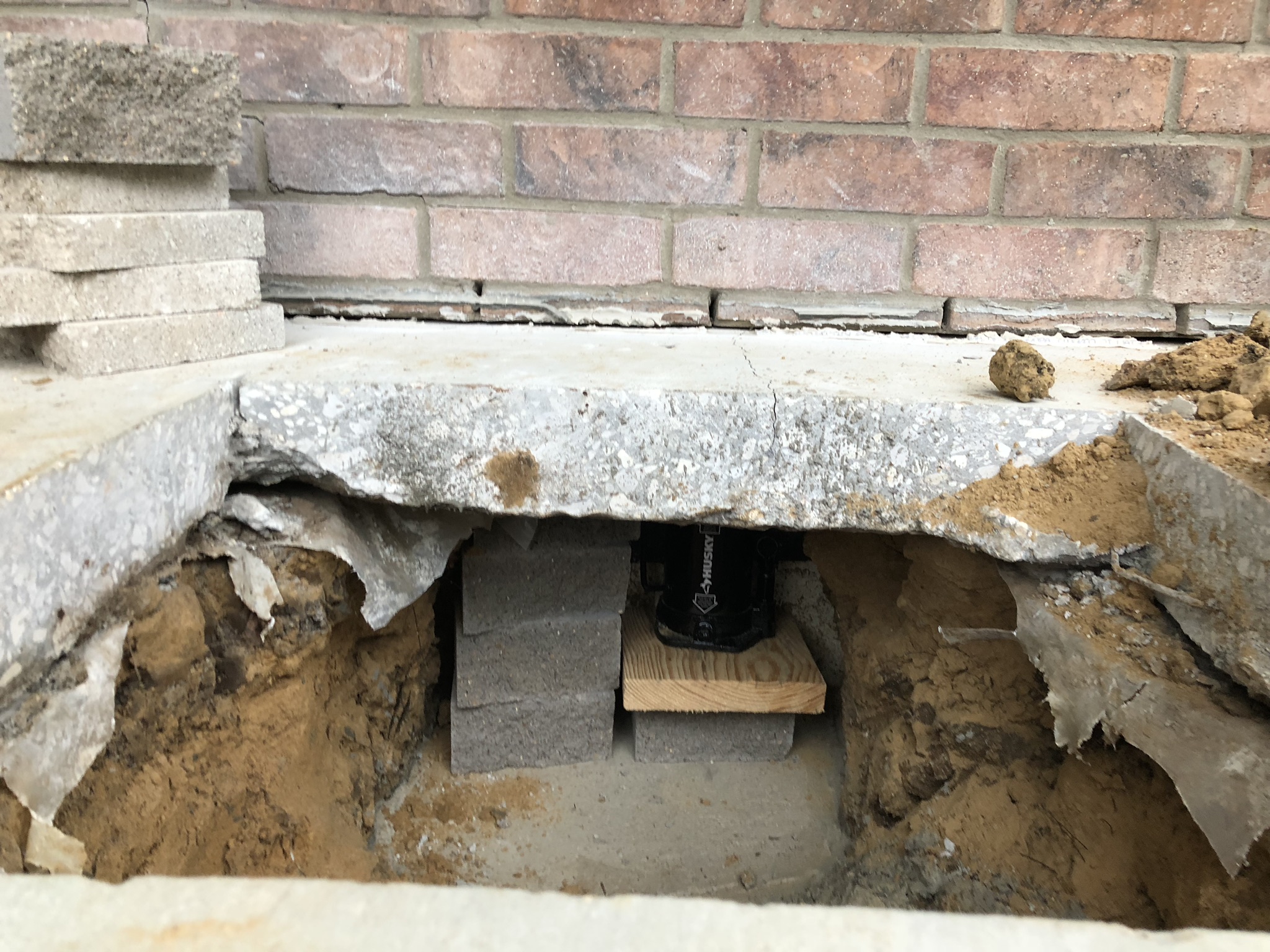
- Lifting and Leveling: Once all piers are in place, hydraulic jacks are used simultaneously to lift the foundation back to its original position (or as close as structural integrity allows).
- Securing the Foundation: The piers are permanently capped and shimmed with steel plates to maintain the new elevation.
- Backfilling and Cleanup: The holes are filled, the dirt is compacted, and the site is cleaned.
- Plumbing Test: Crucial Step. After any foundation lift, a hydrostatic plumbing test must be performed to ensure that the movement did not break any sewer or water lines under the slab.
Costs and Permitting in Pleasanton, TX
As of 2026, the cost of foundation repair in Pleasanton varies based on the number of piers required and the depth of the stable soil. On average, homeowners can expect to pay between $350 and $700 per pier for pressed concrete pilings. Steel piers are significantly more expensive, often ranging from $800 to $1,200 per pier. A typical residential repair involving 15 to 20 piers can easily range from $8,000 to $18,000.
Property owners should also budget for the structural engineer’s fee (typically $500–$800) and the post-repair plumbing test ($300–$500). Additionally, the City of Pleasanton requires building permits for structural repairs. Ensure your contractor includes the permit fee in the contract and handles the filing with the city's building department.
Preventive Measures and Maintenance
In the Pleasanton climate, the best approach to foundation repair is prevention. Once a foundation is stabilized, or to prevent future issues, moisture management is essential.
- Soaker Hoses: During dry South Texas summers, use soaker hoses placed 12 to 18 inches away from the foundation to keep the clay soil at a consistent moisture level. This prevents the soil from shrinking away from the slab.
- Gutters and Downspouts: Ensure that water from the roof is diverted at least 3 to 5 feet away from the foundation. Concentrated water at the corners of a house is a leading cause of localized foundation heaving.
- Grading: The ground should slope away from the house at a rate of at least 6 inches over the first 10 feet. This prevents standing water from seeping under the foundation.
- Tree Root Barriers: Large trees, such as the Live Oaks common in the region, can transpire hundreds of gallons of water a day, sucking the moisture out from under a foundation. Root barriers can help prevent this localized dehydration.
Frequently Asked Questions
Does homeowner’s insurance cover foundation repair in Pleasanton?
In most cases, standard homeowner’s insurance policies do not cover foundation repair caused by earth movement, seepage, or normal settling. Coverage is typically only available if the foundation damage was the direct result of a "covered peril," such as a major plumbing leak (hydrostatic pressure) or a fire. It is important to review your specific policy or contact your agent to discuss "Foundation and Water Backup" endorsements.
How long does the average repair take?
For a standard residential property in Pleasanton, the physical repair process usually takes 2 to 5 days. This timeframe includes excavation, pier installation, and leveling. It does not include the time required for the initial engineering inspection or the final plumbing test.
Can I sell my house if it has had foundation repairs?
Yes, but you must disclose it. In Texas, sellers are legally required to provide a Seller’s Disclosure Notice. Having a transferable lifetime warranty from a reputable Pleasanton contractor, along with a final engineer’s report showing the house is stable, can actually provide peace of mind to buyers and may not negatively impact the home's value as much as an unaddressed foundation issue would.
Is foundation repair a DIY project?
No. Foundation repair involves hydraulic equipment, structural calculations, and extreme safety risks. Attempting to "jack up" a house without professional guidance can lead to catastrophic structural failure, broken gas lines, and personal injury.
What is the difference between "leveling" and "stabilizing"?
Stabilizing means stopping the house from sinking further by transferring the weight to deeper, more stable soil. Leveling is the act of trying to bring the house back to its original horizontal plane. Sometimes, a house can be stabilized without being perfectly leveled if the risk of cracking internal walls or breaking pipes during a lift is too high.
Next Steps for Homeowners
If you suspect your foundation is failing, do not wait. In the expansive soils of Pleasanton, small cracks can turn into major structural gaps within a single season of drought or heavy rain. Your first action should be to schedule an appointment with a Texas-licensed structural engineer who specializes in residential foundations. Use their report to solicit at least three bids from established contractors who offer transferable warranties and have a history of working in Atascosa County. By following a data-driven, engineering-first approach, you can ensure your home remains a stable investment for decades to come.
Image Gallery