Choosing an Overhead Door in Tyler Texas: A Comprehensive 2026 Guide
Choosing an overhead door in Tyler, Texas, requires prioritizing high thermal insulation (R-value) to combat East Texas heat, durable materials capable of resisting high humidity, and a design that complements local architectural style...
Choosing an overhead door in Tyler, Texas, requires prioritizing high thermal insulation (R-value) to combat East Texas heat, durable materials capable of resisting high humidity, and a design that complements local architectural styles. Residents should focus on insulated steel or fiberglass models that offer wind-load resistance to withstand regional storm patterns common in Smith County.
Contents
Selecting the right overhead door is a significant investment for any Tyler homeowner or business owner. In 2026, the market has evolved to offer smarter, more efficient, and more durable options than ever before. However, the unique climate of East Texas—characterized by sweltering summers, high humidity, and the occasional severe thunderstorm—imposes specific requirements on exterior building components. This guide provides an in-depth analysis of how to navigate these factors to find a door that offers longevity, safety, and aesthetic value.
Understanding the Tyler, Texas Climate Impact
The geographic location of Tyler presents specific challenges for any large exterior opening like a garage door. To make an informed choice, one must understand how local weather patterns interact with different materials and mechanical systems.
Thermal Efficiency and the R-Value
In 2026, energy costs remain a primary concern for East Texas residents. The R-value measures a door's ability to resist heat flow. In Tyler, where temperatures frequently exceed 95°F during the summer months, a high R-value is essential if your garage is attached to your home or used as a workspace.
A door with an R-value of 12 to 18 is typically recommended for attached garages in this region. This level of insulation prevents the garage from acting as a massive heat sink, which would otherwise force your HVAC system to work harder to cool the adjacent living spaces. Polyurethane insulation is generally superior to polystyrene because it is injected into the door panels, expanding to fill every cavity and providing structural rigidity along with better thermal resistance.
Humidity and Corrosion Resistance
Tyler’s humidity levels can be punishing, especially during the spring and fall. Constant moisture exposure can lead to rust in low-quality steel doors or rot in natural wood doors. When choosing an overhead door, look for materials with advanced coatings. For steel doors, a hot-dipped galvanized layer followed by a baked-on primer and polyester topcoat is the industry standard for 2026. This multi-layer protection is vital for preventing the "red rust" often seen on older installations in the Rose City.
Material Selection for East Texas Homes
Each material has its own set of advantages and drawbacks when viewed through the lens of Tyler’s specific environment.
Insulated Steel
Steel remains the most popular choice in 2026 due to its balance of price and durability. Modern steel doors are often "sandwich" constructed, meaning two layers of steel surround a core of dense insulation.
- Pros: Highly durable, low maintenance, and available in various textures (including wood-grain).
- Cons: Can dent if struck by heavy objects (like a stray hailstone or a basketball); cheaper versions may rust if the coating is scratched.
Fiberglass and Composite
Fiberglass is an excellent alternative for the Tyler climate because it is entirely immune to rot and rust. These doors often feature a steel inner frame for strength, surrounded by a fiberglass skin that can be molded to look exactly like stained wood.
- Pros: Best resistance to salt air and high humidity; very lightweight.
- Cons: Can become brittle over many years of intense UV exposure from the Texas sun; generally more expensive than standard steel.
Natural Wood
While wood offers unmatched beauty, it is the most demanding material for a Tyler homeowner. The humidity fluctuations in Smith County cause wood to expand and contract, which can lead to warping if the door is not meticulously maintained.
- Pros: High "curb appeal" for historic homes in the Azalea District or luxury estates.
- Cons: Requires frequent restaining or painting (every 2-3 years); very heavy, requiring high-cycle springs and heavy-duty openers.
Essential Technical Specifications and Wind Load
Tyler is situated in a region prone to severe weather, including straight-line winds and proximity to "Tornado Alley." While the City of Tyler follows standard Texas building codes, opting for a wind-load rated door is a proactive safety measure.
Wind-Load Rating
A wind-load rated door includes internal reinforcements, such as heavy-duty struts, stronger springs, and reinforced tracks. During a high-wind event, a standard garage door can buckle. Once the door fails, the sudden change in internal pressure can lead to the "blow-off" of the home's roof. In 2026, many insurance providers in North and East Texas offer premium discounts for homes equipped with impact-rated or wind-reinforced overhead doors.
Hardware and Cycle Life
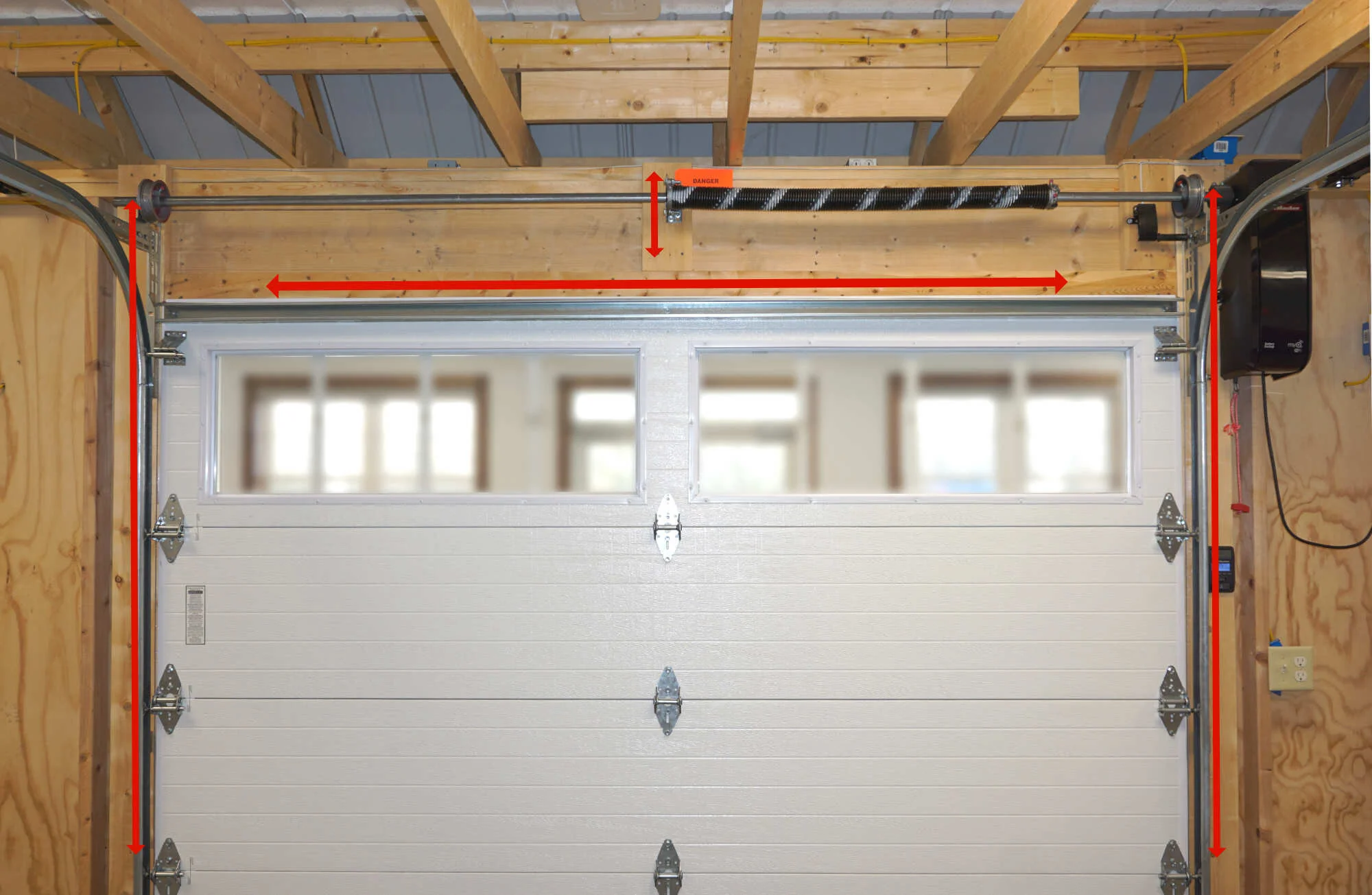
The "cycle life" of an overhead door refers to how many times it can open and close before the springs break. Standard springs are usually rated for 10,000 cycles. For a family that uses the garage as the primary entrance to the home (opening it 4-6 times a day), these springs may only last 5-7 years. Upgrading to high-cycle springs (20,000 to 50,000 cycles) is a cost-effective way to ensure long-term reliability in busy Tyler households.
| Material Feature | Standard Steel | Polyurethane Steel | Fiberglass | Natural Wood |
|---|---|---|---|---|
| Durability | Moderate | High | Moderate-High | Moderate |
| Insulation (R-Value) | 0 - 6 | 12 - 18.4 | 5 - 12 | 2 - 5 |
| Maintenance Need | Low | Low | Very Low | High |
| Typical 2026 Cost | $900 - $1,500 | $1,600 - $2,800 | $2,500 - $4,500 | $4,000 - $10,000+ |
| Resistance to Humidity | Moderate | High | Excellent | Low |
Aesthetics and Local Architectural Integration
Tyler’s residential architecture is diverse, ranging from mid-century modern homes in the central districts to expansive contemporary builds in South Tyler and near Lake Tyler. Your choice of door should enhance the home's "Rose Capital" charm.
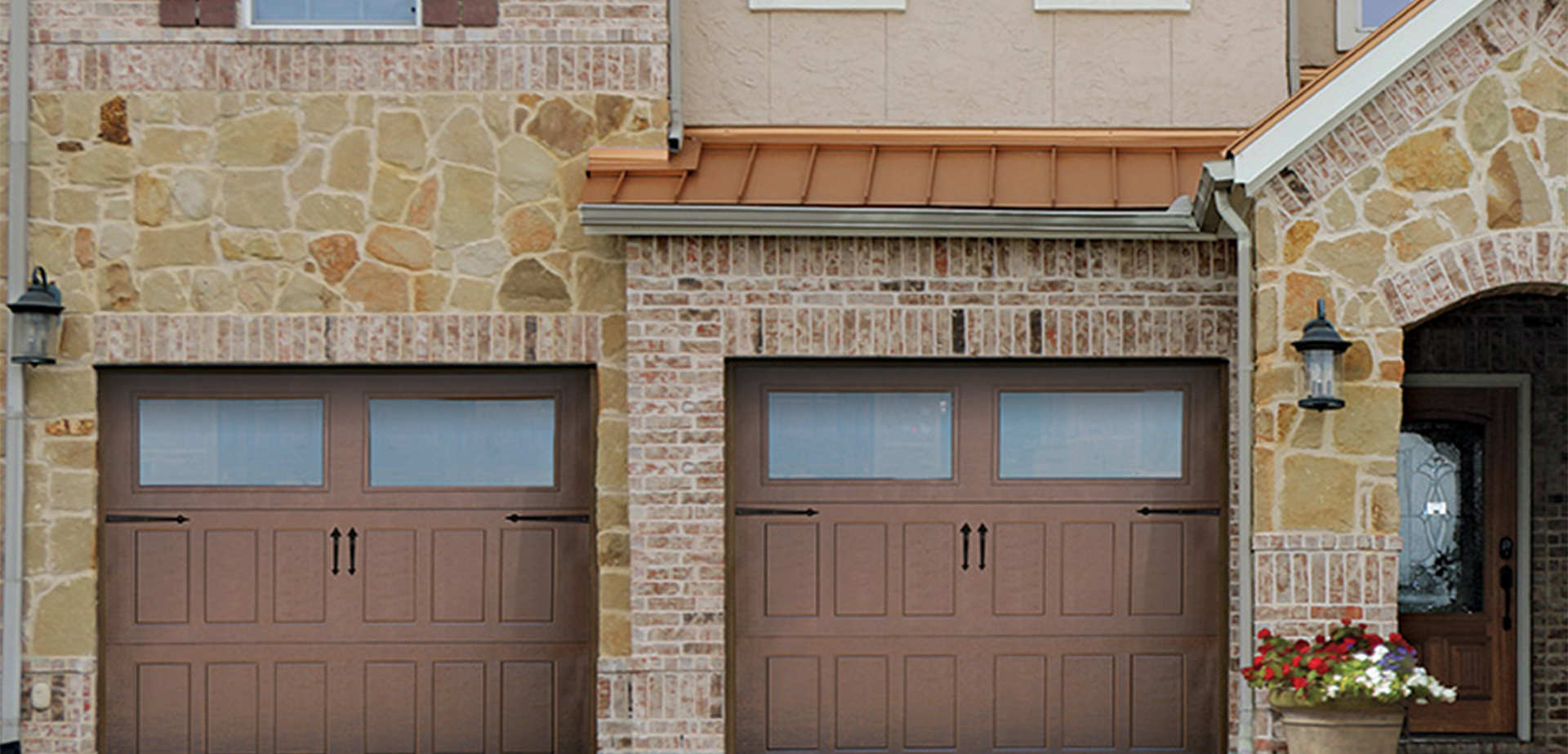
- Carriage House Style: Featuring decorative handles and hinges, these doors mimic the look of old swing-out stable doors but operate vertically. They are perfect for traditional and craftsman-style homes.
- Modern Flush/Plank: These doors offer clean lines and are often seen in newer developments. They frequently incorporate tinted glass windows to provide natural light while maintaining privacy.
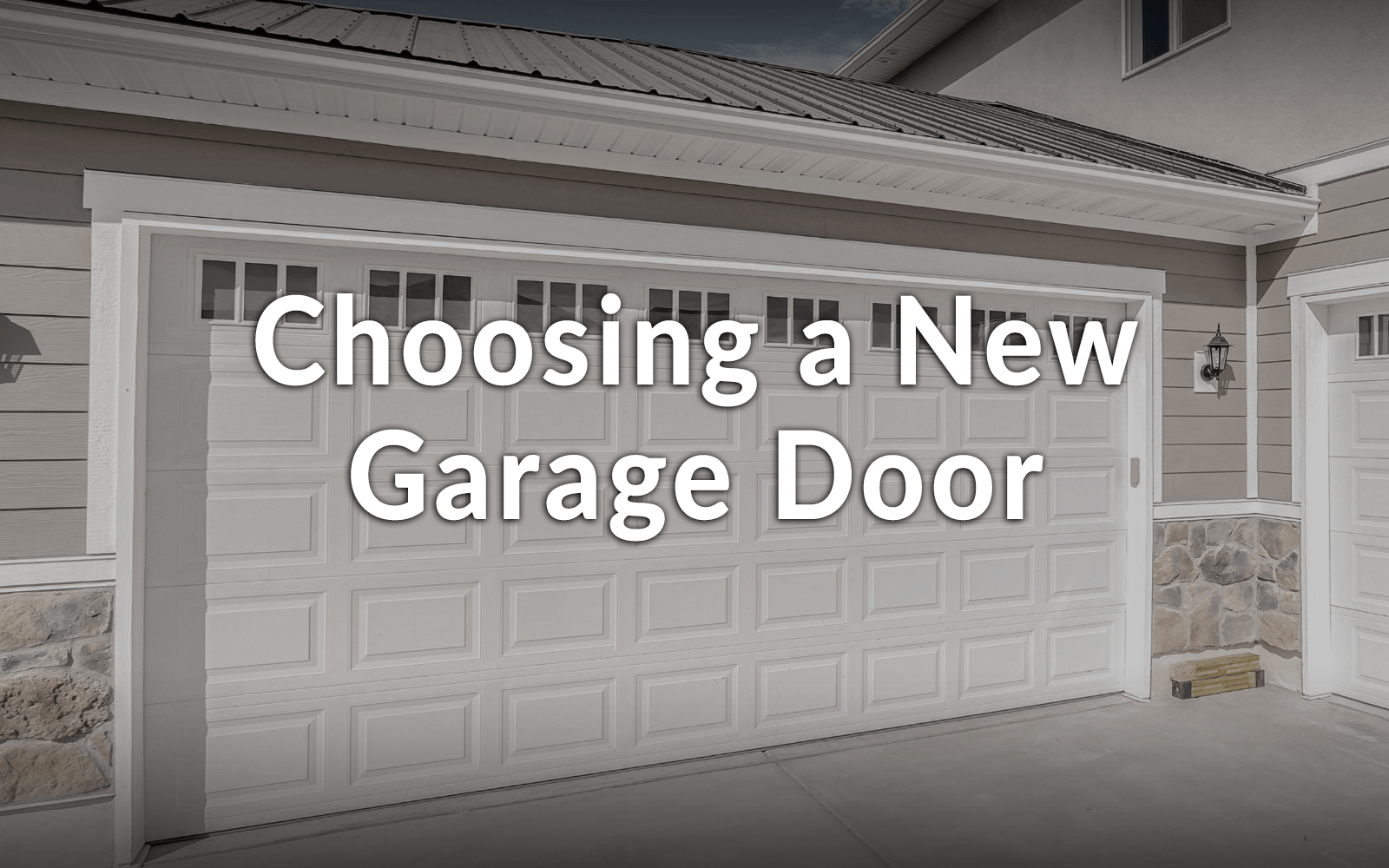
- Raised Panel: The classic choice for suburban homes. In 2026, "long-panel" designs are often preferred over "short-panel" versions for a more modern, elongated look.
Professional Installation and Local Regulations
In Tyler, Texas, a permit may be required for structural changes, though a simple door replacement often does not require one unless the opening is being modified. However, professional installation is non-negotiable for safety. The tension in a garage door spring is high enough to cause fatal injuries if handled improperly.
When selecting an installer in the Tyler area, verify their insurance coverage and look for technicians certified by the Institute of Door Dealer Education and Accreditation (IDEA). Local companies familiar with Smith County's terrain and climate will also be better equipped to recommend the correct track configurations for garages with low headroom or high-lift requirements.
Smart Features and Automation in 2026
By 2026, the "smart garage" is the standard. Modern overhead doors in Tyler should be paired with openers that offer:
- Integrated Wi-Fi: Allows for remote monitoring via smartphone—essential for checking if the door was left open during a trip to the Broadway Square Mall.
- Battery Backup: Texas power grids can be unpredictable during summer storms. A battery backup ensures you aren't locked out during an outage.
- Security Encryption: Advanced rolling-code technology prevents "code grabbing" by potential intruders.
Frequently Asked Questions
What is the best R-value for a garage door in Tyler?
For most Tyler residents, an R-value between 12 and 16 is the "sweet spot." While higher R-values exist, the law of diminishing returns applies unless the rest of the garage (walls and ceiling) is also professionally insulated. This range provides excellent heat rejection during 100°F days without the extreme cost of specialized industrial-grade doors.
Can I paint my overhead door to match my house?
Yes, most steel and fiberglass doors can be painted, but you must use the correct type of paint (usually high-quality exterior 100% acrylic latex) to ensure it adheres to the factory finish. Be aware that painting a dark color on a south-facing door in the Texas sun can cause excessive heat absorption, which may warp some composite materials or degrade the insulation.
How often should I perform maintenance on my door?
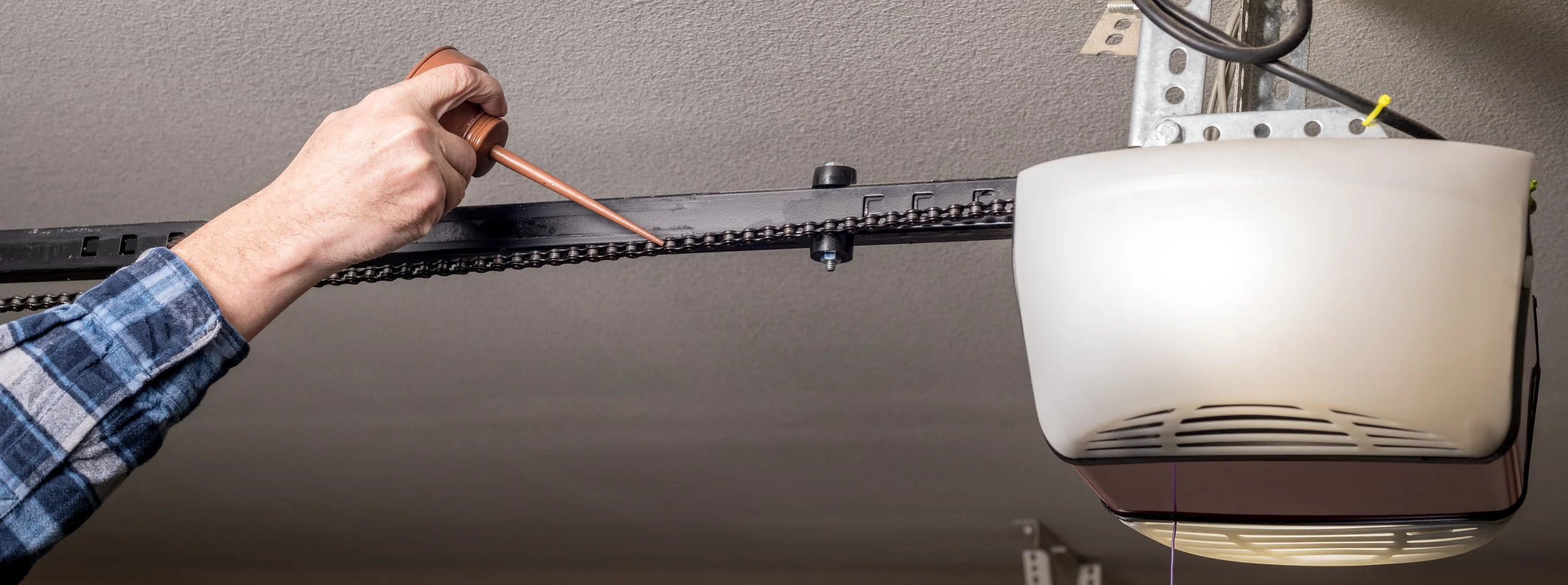
In the humid Tyler climate, you should lubricate the rollers, hinges, and springs every six months with a silicone-based garage door lubricant. Avoid using WD-40, as it is a degreaser and will actually strip away necessary lubrication. Additionally, check the weatherstripping (the "bottom seal") annually to ensure no pests or hot air are leaking into the garage.
Do I need a wind-load rated door in Smith County?
While not always legally mandated by local code for residential replacements, it is highly recommended. Tyler experiences frequent high-wind events and severe thunderstorms. A wind-load rated door provides structural integrity that can prevent catastrophic home damage during a storm and may lower your homeowners' insurance premiums.
How long does a typical overhead door last in Texas?
A well-maintained steel or fiberglass door in Tyler should last 20 to 25 years. The moving parts—the opener, springs, and rollers—have shorter lifespans. You can expect to replace springs every 7-10 years and the opener every 10-15 years, depending on usage frequency and maintenance.
Final Recommendation
When choosing an overhead door in Tyler, Texas, prioritize polyurethane-insulated steel with a minimum R-value of 12. This configuration offers the best protection against East Texas heat and humidity while remaining cost-effective. Ensure the door is installed by a local professional who can verify the wind-load requirements for your specific neighborhood. For homeowners in historic districts, consider high-end fiberglass composites that mimic wood to achieve the desired aesthetic without the high maintenance costs associated with natural timber in a humid climate.
Image Gallery