What’s Shifting in the CC Foundation Repair Co Inc Landscape: 2026 Industry Analysis
The landscape of CC Foundation Repair Co Inc is shifting through the integration of advanced geotechnical sensors, hyper-local soil data analytics, and the adoption of eco-friendly polyurethane stabilization methods. In 2026, the focus...
The landscape of CC Foundation Repair Co Inc is shifting through the integration of advanced geotechnical sensors, hyper-local soil data analytics, and the adoption of eco-friendly polyurethane stabilization methods. In 2026, the focus has moved beyond reactive structural fixes to predictive maintenance, driven by the volatile climate patterns affecting the Texas Coastal Bend region.
Contents
The Evolution of CC Foundation Repair Co Inc in the Coastal Bend
For decades, the name CC Foundation Repair Co Inc has been synonymous with structural integrity in the Corpus Christi area. However, the "landscape" of their operations in 2026 is no longer defined solely by manual labor and concrete pouring. The industry has undergone a significant transformation, moving toward a more data-centric approach to soil stabilization and residential leveling.
The primary driver of this shift is the unique geology of the Texas Gulf Coast. Homeowners in this region contend with highly expansive clay soils—specifically the Victoria and Orelia series—which undergo dramatic volume changes based on moisture content. CC Foundation Repair Co Inc has adapted its service model to address these "active zones" with more precision. By 2026, the company has refined its focus on the intersection of civil engineering and environmental science, ensuring that repairs are not just temporary lifts but long-term solutions tailored to the specific hydrology of the Coastal Bend.
The shift also reflects a broader change in consumer expectations. Homeowners are no longer satisfied with a "one-size-fits-all" piering strategy. There is an increasing demand for transparency, documented elevation data, and warranties that account for the more frequent drought-flood cycles seen in recent years.
Technological Shifts: From Steel Piers to Smart Sensors
One of the most profound changes in the CC Foundation Repair Co Inc landscape is the move toward "Smart Foundation" technology. In 2026, the installation of a pier system is often accompanied by the placement of subsurface moisture sensors. These devices provide real-time data to homeowners, alerting them when soil moisture levels drop below a critical threshold, which could lead to soil shrinkage and foundation settlement.
The Rise of Polyurethane Injection
While traditional concrete pressed piles remain a staple for deep foundation support, the use of high-density polyurethane foam—often called "poly-jacking"—has seen a massive surge in 2026. This method allows CC Foundation Repair Co Inc to level concrete slabs with minimal disruption. The shifting landscape favors this technology because it is:
- Hydrophobic: It does not wash away in the heavy rainfalls common to the Texas coast.
- Lightweight: It adds structural support without adding significant weight to already stressed soil.
- Rapid-Curing: It allows for immediate use of the repaired area, a major shift from the multi-day curing times required for traditional concrete patches.
Advanced Piering Systems
The engineering of piers has also evolved. The industry is seeing a shift toward hybrid piering systems that combine the depth-reaching capabilities of steel with the surface-area support of concrete. These systems are specifically designed to penetrate through the "active" clay layers to reach more stable, non-expansive strata, providing a "bedrock-like" stability even in deep alluvial soils.
Environmental and Soil Dynamics: Why the 2026 Landscape is Different
To understand what is shifting, one must look at the ground itself. The Corpus Christi region has experienced a series of record-breaking climate events leading into 2026, which have permanently altered the behavior of local soils.
The Drought-Flood Cycle
The primary enemy of a Texas foundation is the "heave and shrink" cycle. During the intense droughts of the early 2020s, the clay soils beneath many homes lost significant moisture, causing them to contract and pull away from foundation footings. When heavy rains followed, the soil expanded rapidly, often unevenly. CC Foundation Repair Co Inc has shifted its diagnostic process to include "seasonal compensation" modeling, which helps engineers predict how a foundation will move throughout the year rather than just fixing its current position.
Coastal Erosion and Subsidence
For properties closer to the water, the shifting landscape involves addressing literal land loss and subsidence. The 2026 regulatory environment in Texas has placed a greater emphasis on "resilient construction." Consequently, foundation repair companies are now working closer with drainage specialists to ensure that surface water is diverted away from the foundation, preventing the "mushy" soil conditions that lead to settlement.
Understanding Repair Methodologies: A 2026 Comparison
Choosing the right repair method is the most critical decision a homeowner faces. The following table outlines the current primary methods used by leaders like CC Foundation Repair Co Inc in the 2026 market.
| Method | Best Use Case | Durability | Relative Cost |
|---|---|---|---|
| Pressed Concrete Piles | Standard residential slab-on-grade repair. | High (20+ years) | Moderate |
| Steel Helical Piers | Deep stability for heavy loads or unstable slopes. | Excellent (Lifetime) | High |
| Polyurethane Injection | Leveling sidewalks, driveways, and light interior slabs. | Moderate/High | Lower |
| Hybrid Pier Systems | High-value homes with complex soil profiles. | Excellent | High |
| Surface Drainage Correction | Preventative measure for all foundation types. | Essential Maintenance | Low/Moderate |
Regulatory and Insurance Changes in Texas Foundation Repair
As we navigate 2026, the legal and financial landscape surrounding foundation repair has become more complex. The Texas Real Estate Commission (TREC) and local building departments in the Coastal Bend have updated their codes to require more stringent engineering oversight for structural repairs.
Insurance Coverage Shifts
Historically, foundation repair was rarely covered by standard homeowners' insurance unless it was caused by a specific "covered peril" like a burst pipe. However, by 2026, some specialized "endorsements" have become available that allow homeowners to buy into protection against soil movement. CC Foundation Repair Co Inc has adapted by providing the detailed, third-party engineering reports required by these insurance providers to validate claims.
Disclosure Requirements
The shifting landscape also includes how foundation history is handled during home sales. Buyers in 2026 are more sophisticated; they demand transferrable warranties and proof of a "lifetime" solution. The company’s focus has shifted toward providing digital archives of repair work, including GPS-stamped pier locations and depth logs, which act as a "logbook" for the home’s structural health.
Practical Steps for Homeowners in 2026
If you suspect your foundation is shifting, the landscape of "repair" starts long before the first hole is dug. In 2026, the recommendation is to follow a systematic approach to diagnostic and remediation.
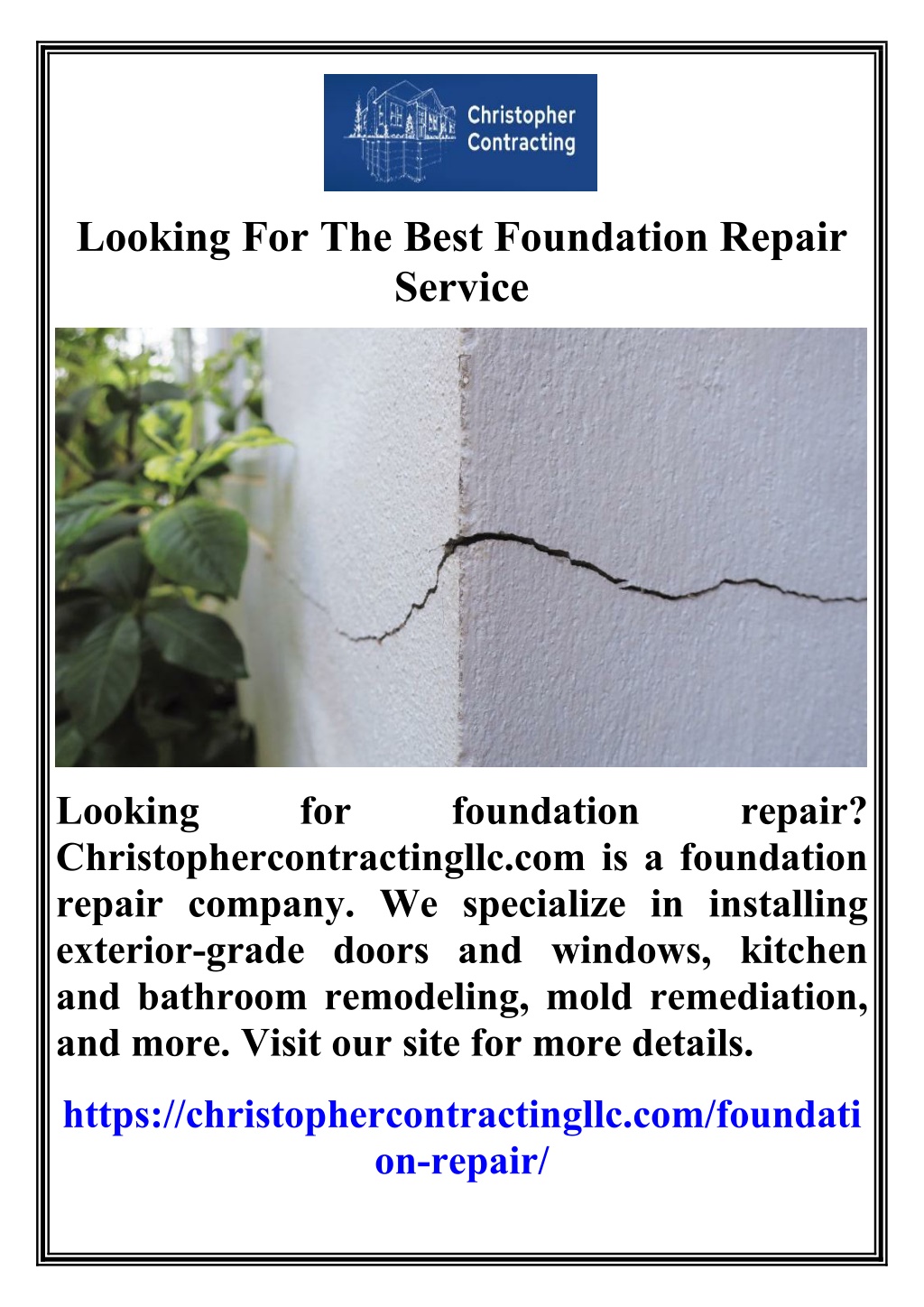
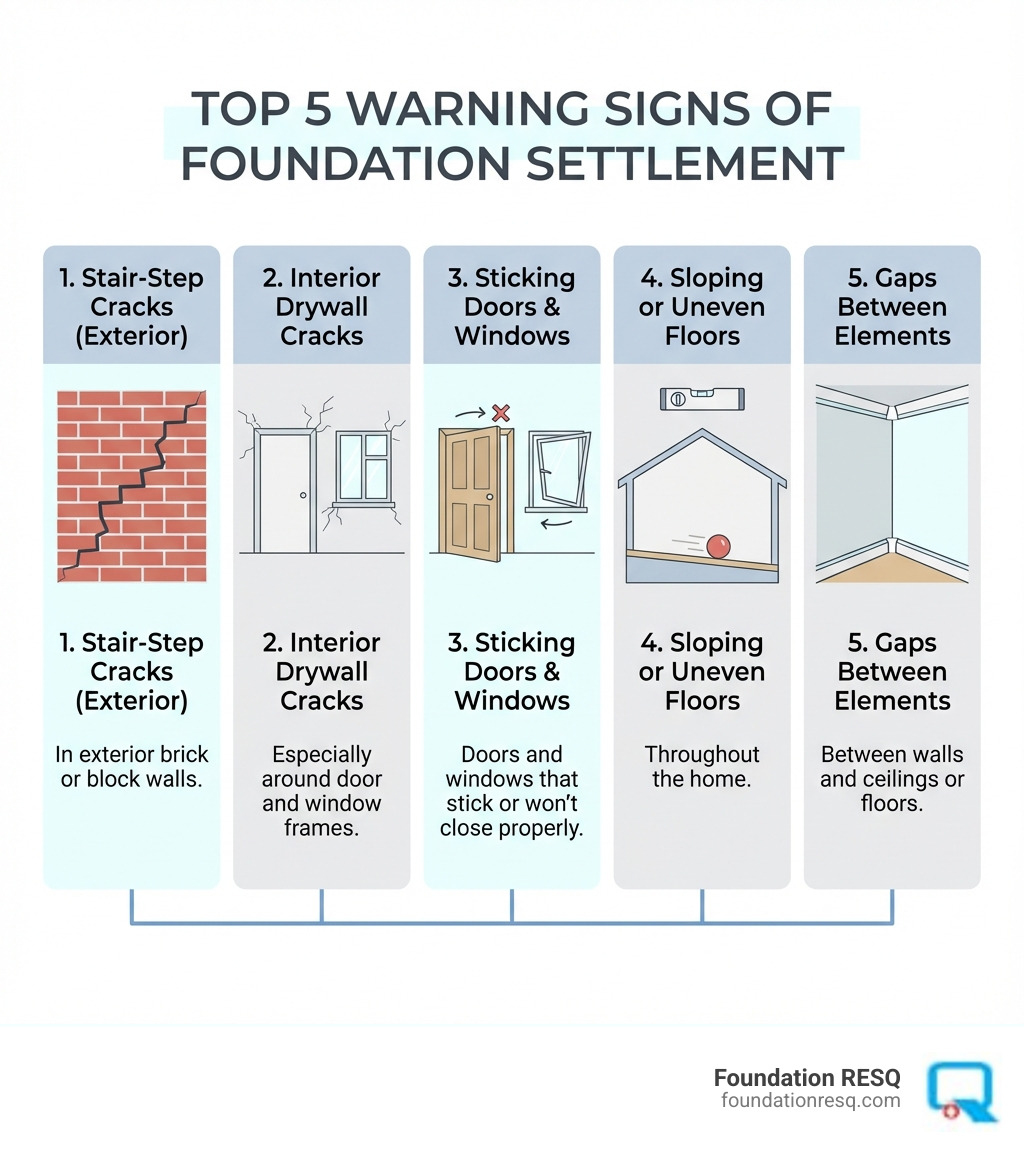
- Perform a Visual Audit: Look for the classic signs: stair-step cracks in brickwork, doors that stick in the summer but swing free in the winter, and gaps between the ceiling and the wall.
- Monitor Soil Moisture: If you don't have smart sensors, manual observation of the soil around your perimeter is vital. If the soil is pulling away from the concrete slab, it is too dry.
- Consult a Structural Engineer: Before hiring a repair crew, many experts in 2026 recommend an independent assessment from a licensed professional engineer (P.E.). This ensures that the plan proposed by the repair company is based on unbiased structural data.
- Evaluate Drainage: Ensure your gutters are clear and downspouts discharge at least five to ten feet away from the foundation. In the 2026 landscape, "water management" is considered 50% of the foundation repair process.
- Verify the Warranty: Not all warranties are created equal. Ensure the company, such as CC Foundation Repair Co Inc, offers a transferrable warranty that is backed by a stable corporate history.
FAQs
What are the most common signs of foundation failure in 2026?
The most common signs remain cracks in drywall (especially around door frames), uneven floors, and exterior masonry cracks. However, in 2026, many homeowners are also noticing "phantom" plumbing leaks, where foundation shifting has put enough stress on pipes to cause micro-fissures in the slab's plumbing system.
How much does the average foundation repair cost in the Corpus Christi area?
As of 2026, a standard residential repair involving 10 to 15 piers typically ranges from $6,000 to $12,000, depending on the depth required and the material used. Polyurethane leveling for smaller areas like porches or garages usually costs between $2,500 and $5,000. Costs have risen slightly due to the increased price of high-grade steel and specialized polymers.
Is polyurethane injection better than concrete piers?
One is not "better" than the other; they serve different purposes. Polyurethane is an excellent tool for leveling and void filling but does not provide the deep structural support that piers offer. If the "shifting landscape" involves deep-seated soil failure, piers are necessary to transfer the home's weight to stable ground.
Can foundation repair affect my home's resale value?
In the 2026 real estate market, a foundation repair that is fully documented with a transferrable warranty can actually be a selling point. It provides the buyer with peace of mind that the inevitable soil issues of the region have already been addressed by professionals like CC Foundation Repair Co Inc.
How long do modern foundation repairs last?
With the hybrid materials and improved engineering standards of 2026, a professionally installed pier system is designed to last the life of the structure. However, the warranty is only as good as the soil stability—if a homeowner neglects drainage or allows extreme soil desiccation, even the best piers can be put under undue stress.
Recommendation for Next Actions
For those navigating the shifting landscape of CC Foundation Repair Co Inc, the first step is a professional site evaluation. Do not wait for cracks to widen or for doors to become unclosable. In the 2026 climate, preventative maintenance—specifically regarding moisture control and drainage—is significantly more cost-effective than structural piering. Contact a qualified specialist to conduct a digital elevation survey to establish a baseline for your home’s current position. This data will be invaluable for monitoring future movement and ensuring your property remains a stable investment.
Image Gallery