The Buckner Fire in Illinois: Impact, Recovery, and the Future of Village Services
The Buckner fire, which occurred on April 16, 2024, in Franklin County, Illinois, significantly impacted the village by destroying its post office and several historic structures. As of 2026, the community has focused on rebuilding ess...
The Buckner fire, which occurred on April 16, 2024, in Franklin County, Illinois, significantly impacted the village by destroying its post office and several historic structures. As of 2026, the community has focused on rebuilding essential infrastructure and restoring localized mail services through federal and regional cooperation and improved fire safety standards.
Contents
The Events of April 16, 2024: A Catalyst for Change
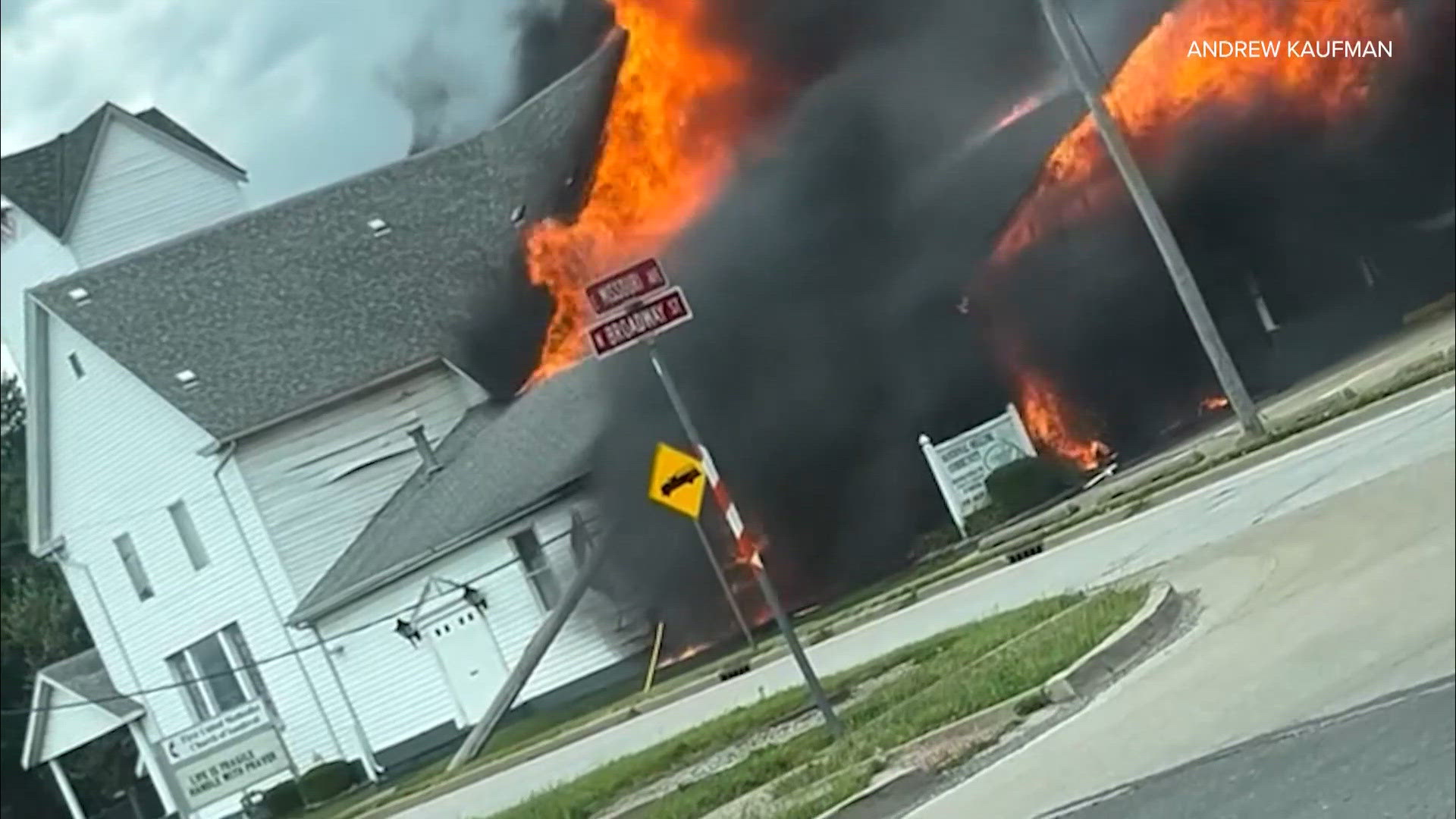
The fire that devastated the heart of Buckner, Illinois, began on a Tuesday afternoon in April 2024. The blaze originated in a block of historic buildings along the main thoroughfare, quickly spreading due to the age of the structures and the proximity of the wood-framed buildings. Within hours, the central business and service hub of the village was engulfed.
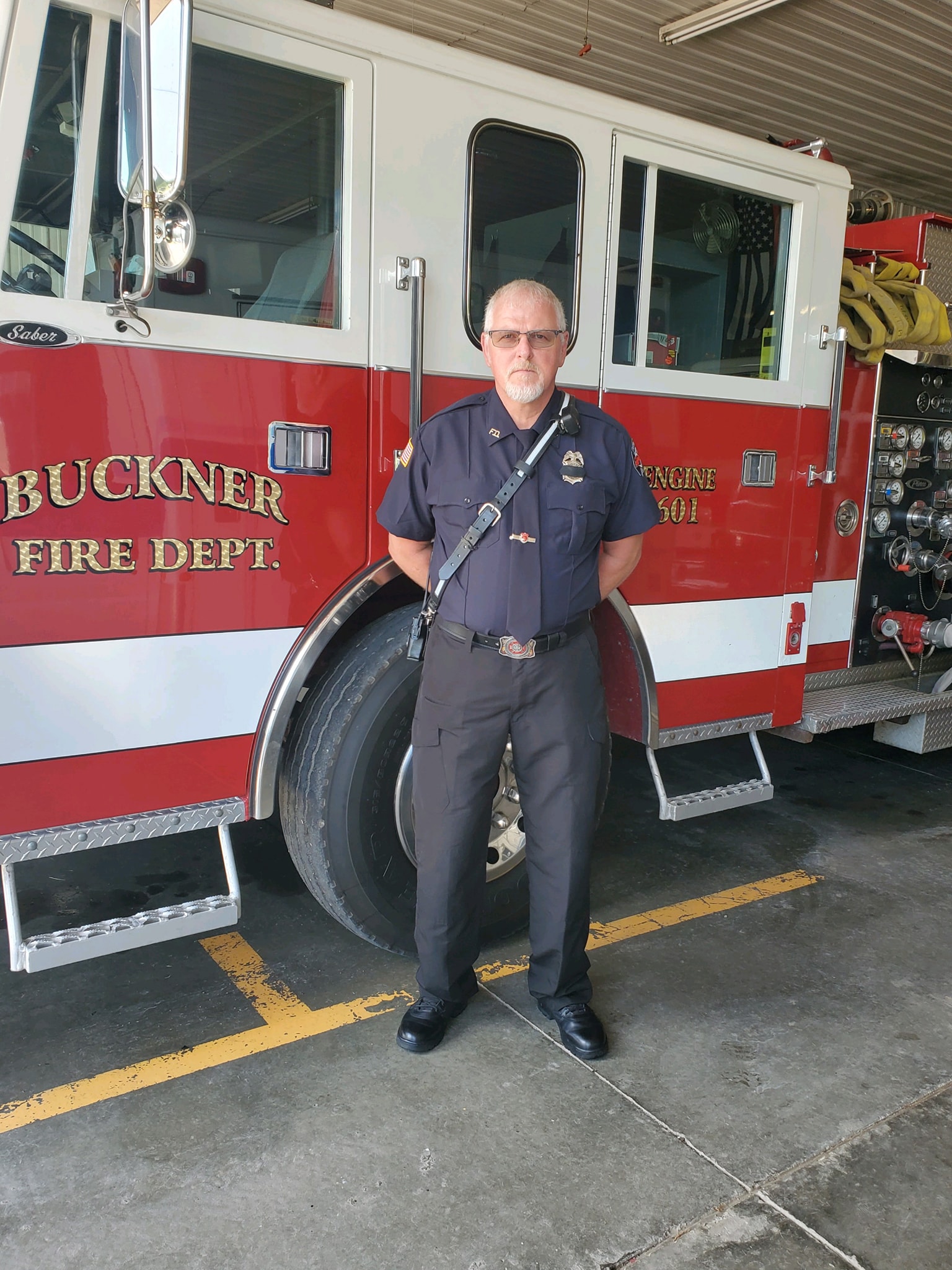
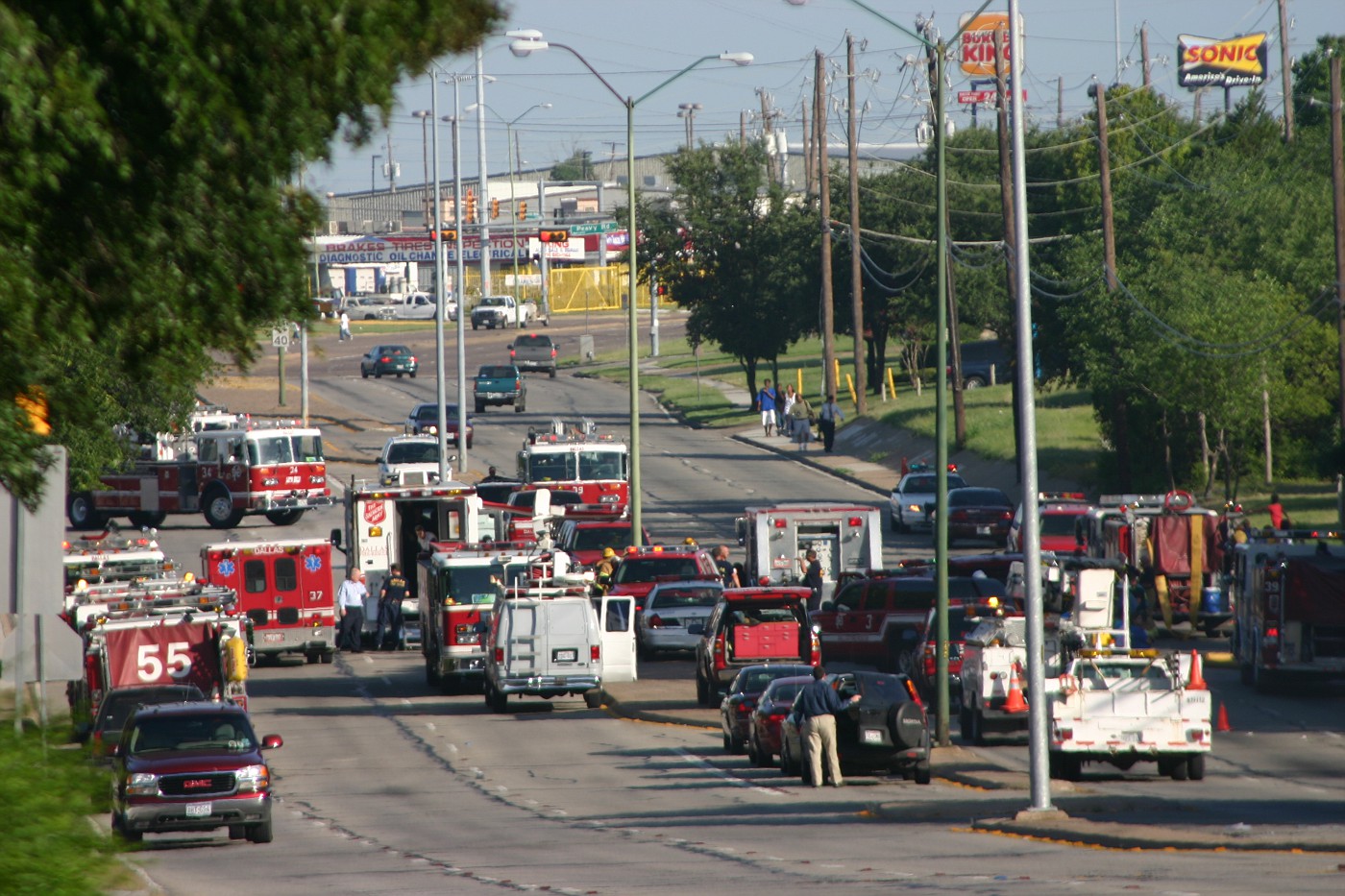
The response was a testament to the rural mutual aid system in Southern Illinois. The Buckner Fire Department was joined by units from Christopher, Benton, West Frankfort, Zeigler, and Coello. Despite the massive water volume deployed by these agencies, the fire claimed several landmarks. The most notable loss was the Buckner Post Office, a cornerstone of daily life for the village's approximately 400 residents. Additionally, the building that formerly housed the Village Hall and a local beauty shop was leveled.
While the primary fire was extinguished by the evening, the emotional and logistical repercussions resonated for years. There were no reported fatalities, a fact attributed to the quick thinking of neighbors and the rapid arrival of volunteer firefighters, yet the structural damage was estimated in the hundreds of thousands of dollars—a significant sum for a municipality of Buckner’s size.
The Immediate Impact on Village Infrastructure
In a small town like Buckner, the loss of a single block isn't just a property issue; it is a breakdown of the social and operational fabric. The destruction of the post office was the most critical blow. For many residents, particularly the elderly, the post office was the only reliable way to receive prescriptions, pay bills, and maintain contact with the outside world.
Postal Service Disruption and Relocation
Immediately following the 2024 fire, the United States Postal Service (USPS) suspended operations in Buckner. Mail was redirected to the neighboring town of Christopher, Illinois. Residents were required to travel several miles to pick up their mail at the Christopher Post Office, a logistical challenge for those without reliable transportation.
By 2026, the conversation shifted from temporary measures to permanent solutions. The USPS typically follows a rigid protocol for "discontinuance" or "relocation" of post offices following disasters. This involves a community input period, a feasibility study, and a budget allocation process that can take years. In Buckner, the recovery phase in 2025 and 2026 has been defined by the struggle to secure a modular or permanent facility within village limits to restore the "62819" zip code’s physical presence.
Loss of Historic Continuity
The structures lost were not just functional; they represented the architectural history of a Southern Illinois mining town. The former Village Hall building had stood for decades, serving as a reminder of the town’s peak years. When these buildings were demolished following the fire to ensure public safety, the village lost a significant portion of its visual identity.
Rebuilding and Recovery: Status as of 2026
Entering 2026, the village of Buckner has seen a transition from debris removal to active site redevelopment. The recovery process for a small Illinois municipality involves a complex interplay between insurance payouts, state grants, and federal assistance.
Site Clearance and Environmental Compliance
One of the major hurdles faced in late 2024 and early 2025 was the environmental remediation of the fire site. Older buildings in Illinois often contain asbestos or lead-based paints. The Illinois Environmental Protection Agency (IEPA) required specific disposal protocols for the charred remains of the historic block. Clearing these sites was a prerequisite for any new construction permits, and the village board worked closely with Franklin County officials to secure the necessary funding for this cleanup.
Reestablishing the Post Office
As of the current 2026 outlook, the USPS has engaged in discussions regarding a "Community Post Office" (CPO) model for Buckner. Unlike a traditional stand-alone federal building, a CPO is often housed within a private business or a smaller modular unit. This model allows the village to retain its identity and local mail access without the massive overhead of a full-scale federal facility.
| Milestone | Date/Period | Status |
|---|---|---|
| Initial Fire Incident | April 16, 2024 | Completed |
| Debris Removal & Remediation | Late 2024 – Early 2025 | Completed |
| Community Input Meetings | Mid 2025 | Completed |
| Permanent Mail Solution Design | Late 2025 | In Progress |
| Anticipated Ribbon Cutting | Late 2026 | Scheduled |
Fire Safety and Prevention: Lessons Learned
The Buckner fire highlighted the vulnerabilities of rural Southern Illinois towns, where aging infrastructure and limited water pressure can hinder firefighting efforts. Since 2024, there has been a regional push to upgrade fire protection standards.
Mutual Aid Box Alarm System (MABAS)
The fire proved the effectiveness of the MABAS system. Because Buckner is a small village, its local department relies on volunteers and limited equipment. The ability to call in "Box Alarms" allowed for an influx of tankers and aerial ladders from across Franklin County. In 2026, the Buckner Fire Department has utilized state grants to upgrade its radio communication systems to better integrate with these regional partners.
Insurance and ISO Ratings
For property owners in Buckner, the fire had a secondary impact: insurance premiums. Insurance companies use Insurance Services Office (ISO) ratings to determine the risk level of a community. A major fire that destroys a central block can lead to a reevaluation of a town’s fire suppression capabilities.
To combat rising costs, the village has invested in hydrant maintenance and water line upgrades. By 2026, these technical improvements have helped stabilize ISO ratings, ensuring that residents and small business owners can still afford commercial and residential property insurance.
The Role of Community Resilience
The recovery from the Buckner fire has not been driven solely by government agencies. Local fundraising and community spirit played a vital role. In the months following the fire, local organizations held "Buckner Strong" events to raise funds for the volunteer fire department and to assist the business owners who lost their livelihoods in the beauty shop and adjacent units.
This social cohesion is a hallmark of Southern Illinois. While the physical landscape of the village has changed permanently, the communal response to the disaster has strengthened local ties. The "Buckner Fire" is now remembered not just as a day of loss, but as the moment the village began modernizing its approach to public safety and urban planning.
Technical Considerations for Future Growth
For those looking to invest in or move to Buckner in 2026, several technical factors should be considered in the wake of the 2024 incident:
- Zoning Changes: The village has updated its zoning ordinances for the central district. New construction must now meet 2021 International Building Code (IBC) standards, which include stricter fire-resistive materials and updated electrical requirements.
- Water Infrastructure: The village board has prioritized a project to increase the diameter of water mains in the central corridor to ensure higher Gallons Per Minute (GPM) flow for fire hydrants.
- Grant Accessibility: Buckner has become more active in applying for the Illinois Department of Commerce and Economic Opportunity (DCEO) grants, specifically those targeted at "Rural Resilience."
Frequently Asked Questions
What was the cause of the 2024 Buckner fire?
Following an investigation by the Illinois State Fire Marshal, the fire was determined to have originated in the attic area of one of the older structures. While the exact ignition source remained "undetermined" due to the extent of the damage, investigators ruled out arson, pointing instead to aging electrical systems or structural fatigue common in buildings of that era.
Can I still use the Buckner, IL 62819 zip code?
Yes. The 62819 zip code remains active. While the physical post office building was destroyed, the USPS maintains the zip code designation. Mail is currently processed through the Christopher facility, but residents still use "Buckner, IL 62819" for their mailing addresses.
Were any historical records lost in the fire?
Fortunately, many of the village’s official records had been moved or digitized prior to the fire. However, some physical archives and historical memorabilia housed in the former Village Hall building were lost. This has prompted a village-wide initiative to digitize all remaining historical documents.
How has the fire affected property values in Buckner?
Initially, there was a slight dip in property values due to the loss of local services. However, as the 2026 rebuilding efforts have taken shape and new, safer structures are being planned, property values have stabilized. The modernization of the village’s fire safety infrastructure has also made the area more attractive to long-term insurers.
Is the Buckner Fire Department looking for volunteers?
Yes. Like most rural departments in Illinois, the Buckner Fire Department is a volunteer-based organization. In 2026, they continue to recruit members and provide training through the Illinois Fire Service Institute (IFSI) to ensure the community is prepared for future emergencies.
Next Actions for Residents and Stakeholders
If you are a resident or a property owner in Buckner, the most important next step is to ensure your property meets the updated 2026 fire safety guidelines. This includes installing modern smoke detectors and ensuring that your insurance policy reflects current rebuilding costs rather than outdated valuations. Additionally, attending Village Board meetings is the best way to stay informed about the final stages of the Post Office relocation project and upcoming grant-funded infrastructure improvements.
Image Gallery