Greek Vineyards and Their Shifting Landscape: Adaptation and Evolution in 2026
Greek vineyards are currently undergoing a profound transformation driven by climate adaptation, a strategic return to indigenous grape varieties, and the integration of precision viticulture. By 2026, the landscape has shifted toward...
Greek vineyards are currently undergoing a profound transformation driven by climate adaptation, a strategic return to indigenous grape varieties, and the integration of precision viticulture. By 2026, the landscape has shifted toward high-altitude cultivation and organic practices to counter rising temperatures, while international demand for unique volcanic and mountain terroirs has repositioned Greece as a leader in premium, site-specific winemaking.
Contents
The Historical Foundation and the 2026 Renaissance
To understand the shifting landscape of Greek vineyards, one must acknowledge the deep historical roots that have been reimagined for the modern era. For decades, the Greek wine industry struggled with a reputation for bulk production and unrefined styles. However, the last twenty years—culminating in the current 2026 landscape—have seen a radical professionalization of the sector.
The Greek vineyard area covers approximately 60,000 to 65,000 hectares, a footprint that has stabilized after years of contraction. What has changed is not the size, but the composition. In 2026, the focus is squarely on terroir-driven expression. Vintners are no longer trying to replicate French or Italian styles; they are leveraging the 300+ indigenous varieties that have survived the centuries. This shift is supported by the European Union’s rural development programs, which have funded the modernization of wineries and the restructuring of old vineyards to allow for better canopy management and water efficiency.
Climate Change and the High-Altitude Migration
The most significant physical shift in the Greek vineyard landscape is the movement toward higher elevations. As the Mediterranean basin faces increasingly frequent heatwaves and prolonged droughts, traditional low-lying coastal vineyards are facing "thermal stress" that threatens grape acidity and aromatic complexity.
The Rise of Mountain Viticulture
In regions like the Peloponnese and Central Greece, new plantings are increasingly found at altitudes of 600 to 1,000 meters. These high-altitude sites benefit from a higher diurnal temperature variation—the difference between day and night temperatures—which is crucial for preserving the freshness in varieties like Moschofilero and Agiorgitiko.
In the Pindus mountain range and the slopes of Mount Olympus, we are seeing the emergence of "extreme viticulture." These areas, once considered too cold or difficult to farm, are now becoming the frontier for sparkling wine production and crisp, high-acid whites. The shifting landscape is quite literally moving up the map, with Epirus and Amyndeon gaining prestige for their ability to maintain balance in a warming world.
Regenerative and Organic Shifts
By 2026, over 15% of Greek vineyards have achieved certified organic or biodynamic status. The shift is not merely philosophical but practical. Regenerative viticulture practices—such as permanent cover cropping, reduced tilling, and the use of compost—are being employed to improve soil water retention. In the arid conditions of the Aegean islands, these techniques are the difference between a viable harvest and a total loss.
Regional Analysis: A Changing Map of Excellence
The shifting landscape is best observed through the lens of Greece's primary Protected Designation of Origin (PDO) regions. Each faces unique challenges and opportunities in 2026.
Santorini: The Struggle for Land
Santorini remains the crown jewel of Greek wine, but its landscape is under immense pressure. The explosive growth of tourism has led to intense competition for land. Vineyard owners often face the temptation to sell their plots for villa or hotel development. In response, the local government and the Santorini Wine Producers Association have implemented stricter zoning laws to protect the island’s unique koulara (basket-shaped) vines. The price of Assyrtiko grapes on the island has reached record highs, making Santorini one of the most expensive viticultural zones in the world.
Northern Greece: The Xinomavro Stronghold
In Macedonia, specifically in Naoussa and Amyndeon, the shift is focused on clonal selection and precision mapping. Xinomavro, a variety often compared to Nebbiolo, is being planted in specific sub-zones identified by soil type and microclimate. By 2026, the "single vineyard" movement has matured, with producers labeling wines from specific parcels to highlight the diversity of the Northern Greek landscape.
Crete: The Frontier of Rediscovery
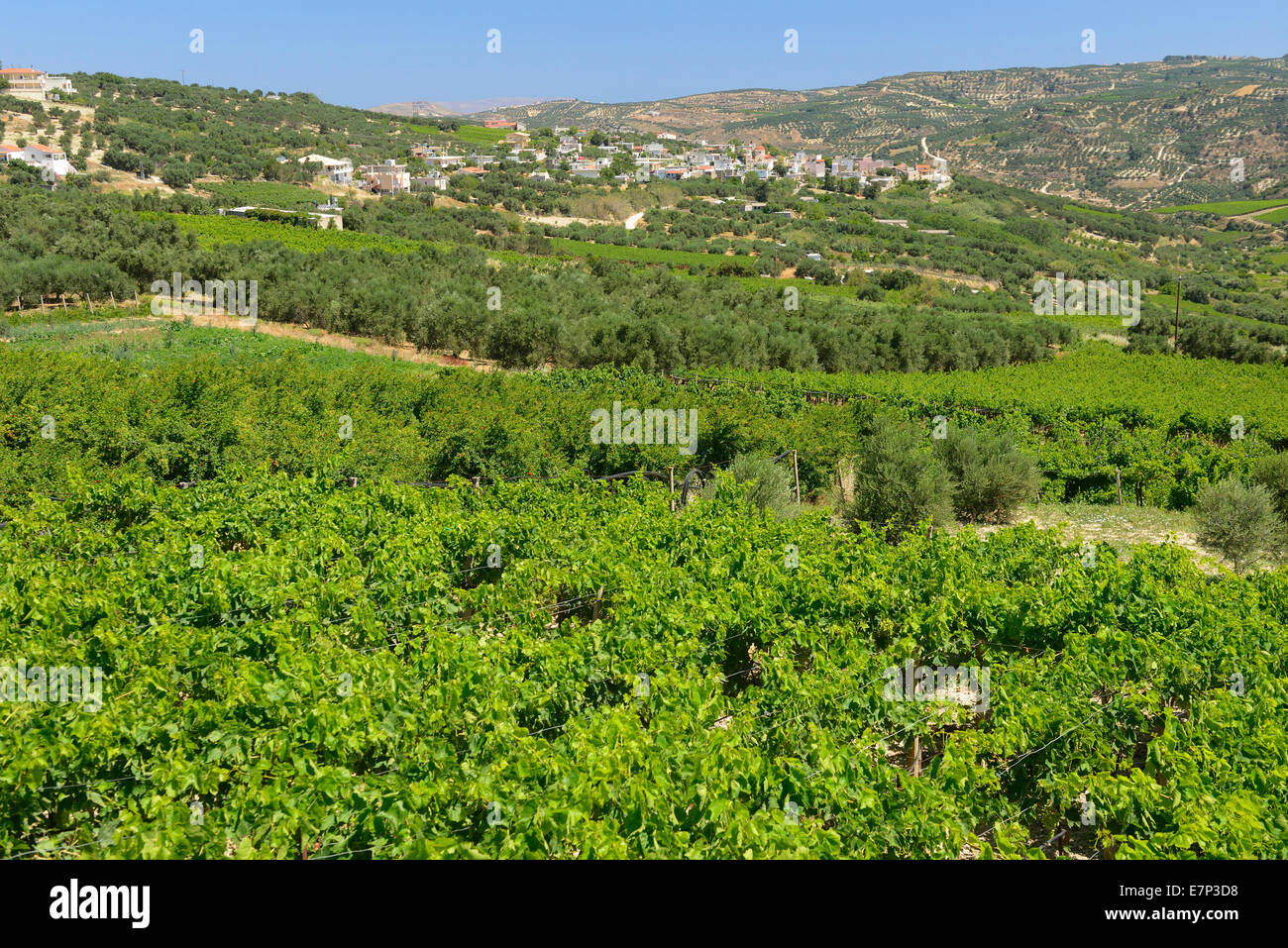
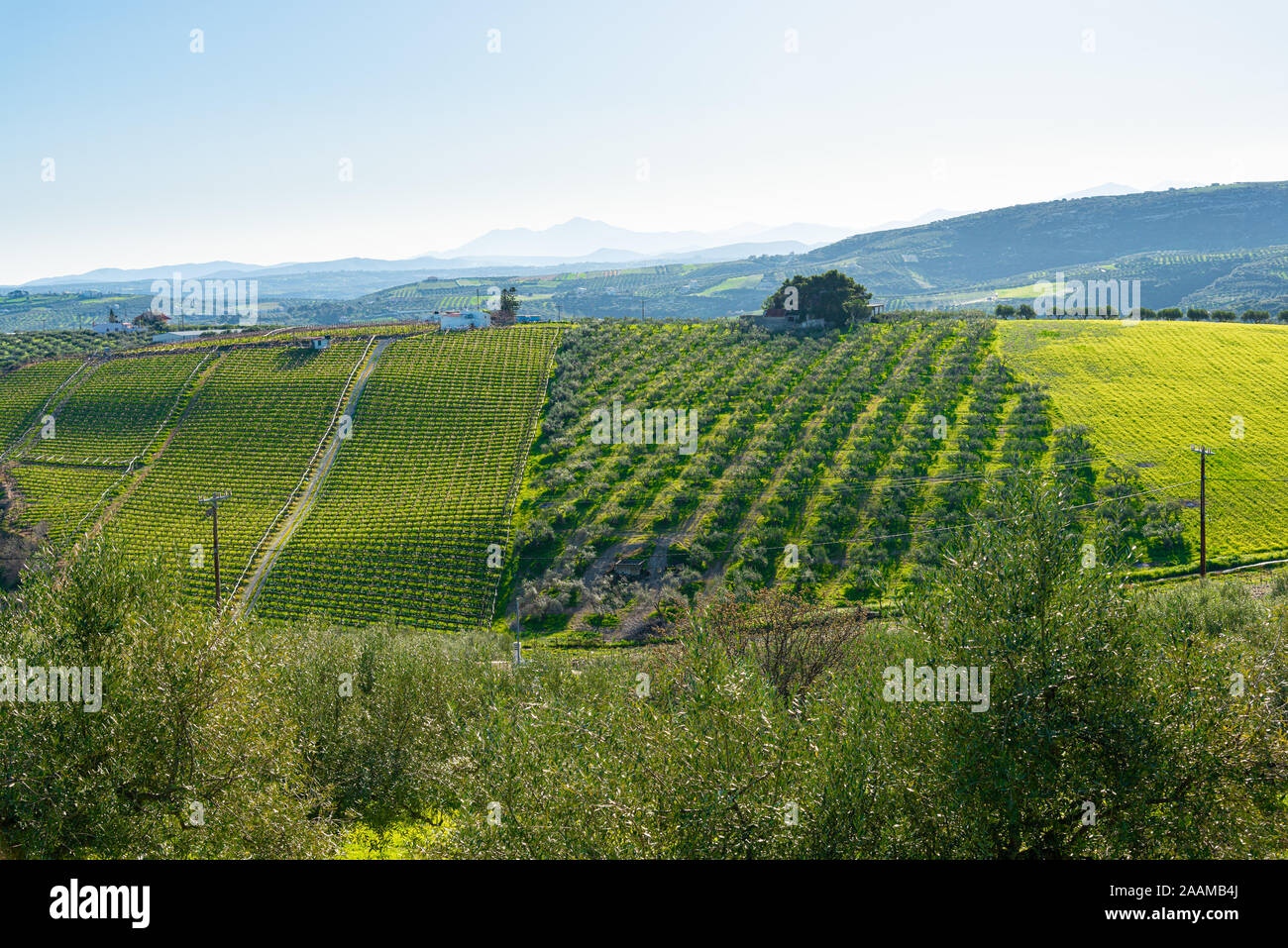
Crete has seen perhaps the most dramatic qualitative shift. Once known for quantity over quality, the island has rediscovered indigenous grapes like Vidiano, Liatiko, and Kotsifali. The landscape here is defined by high-altitude plateaus and a cooling influence from the Aegean Sea. Cretan producers have been at the forefront of the "old vine" movement, protecting centenarian vineyards that provide genetic diversity and resilience.
Technical Adaptation: Precision Viticulture and Water Management
The 2026 Greek vineyard is increasingly digital. Precision viticulture—using satellite imagery, drones, and soil sensors—is no longer the exclusive domain of large estates. Small cooperatives are now sharing data to optimize irrigation and harvest timing.
| Feature | Traditional Approach (Pre-2010) | Modern Landscape (2026) |
|---|---|---|
| Varietal Focus | International (Cabernet, Merlot) | Indigenous (Assyrtiko, Xinomavro, Vidiano) |
| Vine Training | Standard Gobelet or Trellis | Site-specific (Koulara, specialized VSP) |
| Irrigation | Flood or unregulated drip | Sensor-based precision drip |
| Altitude | 0 - 400 meters | 400 - 1,000+ meters |
| Harvest Strategy | Sugar-based (Brix) | Phenolic ripeness and acidity balance |
| Market Target | Domestic bulk / Entry-level export | Premium boutique / Global fine wine |
Water Scarcity Solutions
Water management is the primary technical hurdle. In regions like Attica and the Cyclades, rainfall has become increasingly unpredictable. The shifting landscape involves the installation of sophisticated underground irrigation systems that minimize evaporation and the use of drought-resistant rootstocks. Producers are also looking back at traditional "dry farming" techniques, where vines are forced to grow deep root systems to access groundwater, resulting in lower yields but higher concentration and mineral expression.
The Economic Impact of the Shifting Landscape
The shift toward premiumization has fundamentally changed the economics of Greek wine. As of 2026, the average export price per liter of Greek wine has risen significantly compared to a decade ago. This is largely due to the success of Assyrtiko in international markets like the United States, Australia, and Northern Europe.
However, the shifting landscape also brings costs. The move to high-altitude or "heroic" viticulture on steep slopes increases labor costs. Since many of these vineyards cannot be mechanized, there is a renewed reliance on skilled manual labor, leading to the development of new educational programs in viticulture and oenology within Greece to train the next generation of "vignerons."
The Preservation of Biodiversity
A critical component of the shifting landscape is the conservation of "heritage vineyards." In 2026, there is an active movement to map and protect pre-phylloxera vines, particularly on the islands and in parts of Macedonia. These vines are a genetic reservoir that may hold the key to future climate adaptation. By maintaining a diverse "vineyard mosaic," Greece is positioning itself as a guardian of viticultural history while simultaneously pushing the boundaries of modern science.
Frequently Asked Questions
How has climate change specifically affected the taste of Greek wines?
Warmer temperatures tend to increase sugar levels, leading to higher alcohol content. However, the shift to higher altitudes and better canopy management in 2026 has allowed producers to maintain the high acidity and fresh aromatics that Greek wines are known for. Many white wines now exhibit more stone fruit characters rather than just citrus, while reds show riper tannins.
Is Assyrtiko still the dominant grape in the shifting landscape?
Yes, Assyrtiko remains the flagship variety due to its unique ability to maintain high acidity even in hot climates. However, in 2026, varieties like Vidiano (often called the "White Diva" of Crete) and Limniona are gaining significant ground as producers seek to offer diversity beyond the well-known Santorini style.
Are Greek vineyards sustainable in the long term?
The sustainability of Greek vineyards depends on water management and the ability to mitigate extreme heat. The current shift toward regenerative agriculture and high-altitude planting suggests a resilient future. The Hellenic Wine Association (SEO) and other bodies are actively promoting "Sustainable Greece" certifications to ensure long-term environmental and economic viability.
Can I visit these shifting landscapes as a tourist?
Wine tourism has become a pillar of the Greek rural economy. Most regions, particularly the Peloponnese, Crete, and Northern Greece, have established "Wine Roads" with well-equipped tasting rooms. In 2026, many wineries offer "vineyard experiences" that focus on the ecology and history of the land, rather than just indoor tastings.
Why is high-altitude viticulture more expensive?
High-altitude vineyards are often located on steep slopes where mechanization is impossible, requiring manual pruning, weeding, and harvesting. Furthermore, yields are typically lower at higher elevations due to poorer soils and harsher weather conditions, which necessitates higher bottle prices to maintain profitability.
Practical Recommendation for Enthusiasts and Investors
For those looking to engage with the shifting landscape of Greek wine in 2026, the focus should be on regionality and producer reputation.
- Seek out "High-Elevation" labels: Look for wines from Amyndeon, Mantinia, or the slopes of Aigialeia. These represent the cutting edge of climate-conscious winemaking.
- Explore the "New" Indigenous Whites: While Assyrtiko is a must-try, explore Vidiano from Crete or Robola from Cephalonia for exceptional value and distinct character.
- Invest in Terroir: For collectors, Santorini and Naoussa (Xinomavro) remain the primary targets for aging potential. The 2024 and 2025 vintages, in particular, have shown exceptional resilience and structure despite the shifting climatic conditions.
The landscape of Greek vineyards is no longer a static relic of the past; it is a dynamic, evolving ecosystem that balances ancient wisdom with 21st-century technology.
Image Gallery