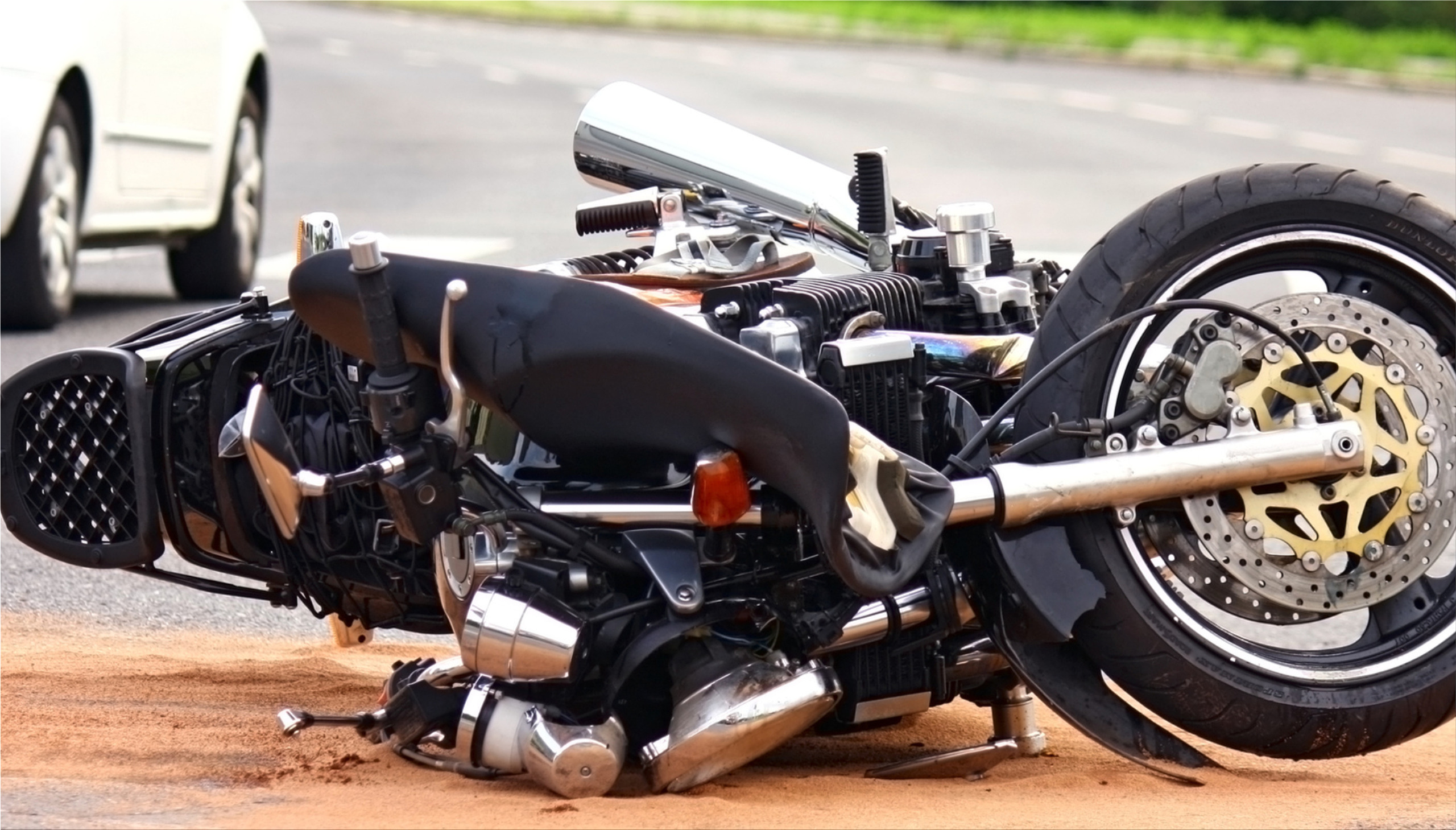
Motorcycle Crash Lawyer New Jersey: Navigating Legal Claims in 2026
If you have been injured in a motorcycle accident in New Jersey, a specialized lawyer helps you navigate the state's unique insurance laws, which exclude motorcyclists from standard Personal Injury Protection (PIP). An attorney assists...
If you have been injured in a motorcycle accident in New Jersey, a specialized lawyer helps you navigate the state's unique insurance laws, which exclude motorcyclists from standard Personal Injury Protection (PIP). An attorney assists in recovering compensation for medical bills, lost wages, and pain and suffering by proving third-party negligence and overcoming common "biker bias" in court.
Contents
New Jersey’s legal landscape for motorcyclists is significantly different from that of passenger vehicle drivers. Because the state’s "No-Fault" insurance system typically excludes motorcycles, riders face immediate financial pressure following a collision. In 2026, securing a New Jersey motorcycle crash lawyer is not just about filing paperwork; it is about building a technical case that accounts for the state’s modified comparative negligence rules and the specific mechanics of two-wheeled travel.
The Critical Impact of New Jersey’s PIP Exclusion
The most jarring discovery for many injured riders is that their standard New Jersey automobile insurance policy does not provide Personal Injury Protection (PIP) coverage for motorcycle-related injuries. Under New Jersey Revised Statutes § 39:6A-2, a "motorcycle" is not classified as an "automobile" for the purposes of mandatory PIP benefits.
Why This Matters for Your Claim
When a car driver is injured, their own insurance pays their medical bills regardless of fault. For a motorcyclist, there is no such safety net. Unless the rider has purchased optional "MedPay" coverage specifically for their motorcycle, their primary source of medical coverage is often private health insurance. However, health insurance providers may seek subrogation—meaning they want to be paid back from any settlement you receive from the at-fault party.
A motorcycle crash lawyer in New Jersey focuses on identifying alternative avenues for compensation. They ensure that all medical expenses are meticulously documented to be included in a personal injury lawsuit against the negligent driver, as this is often the only way to recover those costs.
The "Verbal Threshold" Advantage
There is one silver lining to the PIP exclusion. In New Jersey, many auto policies include a "Limitation on Lawsuit" (verbal threshold) that prevents drivers from suing for non-economic damages unless they have sustained a specific type of permanent injury. Because motorcycles fall outside the PIP system, riders are generally not bound by this limitation. This means you can often seek compensation for pain and suffering even if your injuries do not meet the strict "permanent" criteria required of car drivers.
Establishing Liability in NJ Motorcycle Accidents
Proving fault in New Jersey requires a deep understanding of the Modified Comparative Negligence rule (N.J.S.A. 2A:15-5.1). Under this law, an injured party can recover damages as long as their negligence is not greater than the negligence of the person against whom recovery is sought.
The 51% Bar Rule
If a jury determines you were 20% at fault for the crash (perhaps due to a minor speeding infraction), your total compensation will be reduced by 20%. However, if you are found to be 51% or more at fault, you are legally barred from recovering any compensation whatsoever. Insurance defense teams frequently use "biker bias"—the unfair stereotype that riders are inherently reckless—to push the percentage of fault onto the motorcyclist.
Common Collision Scenarios
- Left-Turn Accidents: This remains the leading cause of motorcycle fatalities. Drivers often fail to see a motorcycle in an intersection and turn left directly into the rider’s path.
- Blind Spot Intrusions: Due to their smaller profile, motorcycles are easily lost in a vehicle’s blind spot during lane changes.
- Road Hazards: In New Jersey, poorly maintained infrastructure, such as potholes on the Garden State Parkway or loose gravel in construction zones, can be grounds for a claim against a government entity. Note that claims against public entities require a "Notice of Claim" to be filed within 90 days under the New Jersey Tort Claims Act.
Damages and Compensation Recovery
A comprehensive legal strategy in 2026 involves quantifying both tangible and intangible losses. Because motorcycle injuries are often catastrophic—including traumatic brain injuries (TBI), spinal cord damage, and "road rash" requiring skin grafts—the stakes are exceptionally high.
Economic Damages
These are objective, verifiable financial losses. They include:
- Emergency and Ongoing Medical Care: Surgery, hospital stays, physical therapy, and durable medical equipment.
- Lost Wages and Diminished Earning Capacity: If the injury prevents you from returning to your previous profession, your lawyer will use vocational experts to calculate your lifetime loss of income.
- Property Damage: The cost to repair or replace your motorcycle and safety gear (helmet, leathers, boots).
Non-Economic Damages
These represent the human cost of the accident:
- Pain and Suffering: Compensation for the physical agony endured during recovery.
- Loss of Enjoyment of Life: The inability to participate in hobbies, family activities, or the act of riding itself.
- Loss of Consortium: Impact on the relationship with a spouse or partner.
The Litigation Process in New Jersey
When you hire a motorcycle crash lawyer, your case typically follows a structured legal path designed to maximize the pressure on insurance companies to settle fairly.
- Investigation: The legal team gathers police reports, traffic camera footage, and witness statements. They may hire an accident reconstructionist to prove the physics of the crash.
- Demand Package: A formal demand is sent to the defendant's insurance carrier outlining the evidence of liability and the total damages.
- Filing a Complaint: If a fair settlement is not reached, a formal lawsuit is filed in the New Jersey Superior Court in the county where the accident occurred.
- Discovery: Both sides exchange evidence, take depositions (sworn testimony), and consult expert witnesses.
- Mediation and Trial: Most New Jersey personal injury cases settle during mandatory mediation. If not, the case proceeds to a jury trial.
| Feature | New Jersey Automobile Rules | New Jersey Motorcycle Rules |
|---|---|---|
| PIP Coverage | Mandatory (usually $15k–$250k) | Generally Excluded (MedPay optional) |
| Lawsuit Threshold | Often restricted by "Verbal Threshold" | Generally "No Threshold" (easier to sue) |
| Helmet Law | Not Applicable | Mandatory (N.J.S.A. 39:3-76.7) |
| Negligence Standard | 51% Comparative Bar | 51% Comparative Bar |
| Statute of Limitations | 2 Years | 2 Years |
| Lane Splitting | Not Applicable | Illegal (N.J.S.A. 39:4-88) |
Important Deadlines: The Statute of Limitations
In New Jersey, the statute of limitations for personal injury claims is generally two years from the date of the accident. Failure to file a lawsuit within this window usually results in the permanent loss of your right to seek compensation.
However, there are critical exceptions. If the accident involved a government vehicle (such as a NJ Transit bus or a municipal truck), you must file a Tort Claims Notice within 90 days. This is an extremely short window, making immediate legal consultation vital. Waiting until the two-year mark is nearly reached can also be detrimental, as evidence disappears and witness memories fade.
Overcoming "Biker Bias" in the Courtroom
One of the most valuable services a New Jersey motorcycle crash lawyer provides is the mitigation of prejudice. Many jurors, who may not ride, view motorcyclists as "risk-takers."
A skilled attorney counters this by highlighting the rider’s experience, safety training (such as MSF courses), and adherence to the law. For example, if you were wearing a DOT-approved helmet and high-visibility gear, this evidence is used to demonstrate your commitment to safety, making it harder for the defense to argue you were being negligent.
How to Choose a Motorcycle Accident Attorney
Not all personal injury lawyers are equipped to handle motorcycle claims. When vetting an attorney in 2026, consider the following criteria:
- Trial Experience: Insurance companies know which lawyers settle for the first lowball offer and which ones are willing to go to a jury. A lawyer with a record of successful verdicts has more leverage.
- Contingency Fee Structure: Most NJ motorcycle lawyers work on a contingency basis, typically taking 33.3% of the recovery. Ensure you understand if "costs" (like expert witness fees) are deducted before or after the attorney's percentage.
- Subject Matter Expertise: Ask if the lawyer understands the specific physics of counter-steering or the impact of road surface temperature on tire traction. This technical knowledge is crucial during cross-examination of defense experts.
- Communication: You should have direct access to your attorney, not just a paralegal. Complex litigation requires frequent updates and strategic alignment.
FAQs
Does not wearing a helmet prevent me from suing in New Jersey? No, it does not prevent you from suing, but it can significantly impact your recovery. New Jersey has a universal helmet law. If you weren't wearing one and suffered a head injury, the defense will argue that your own negligence contributed to the severity of your injuries under the comparative negligence rule. This could result in a reduced settlement.
What if the driver who hit me doesn't have insurance? If the at-fault driver is uninsured or underinsured, you would turn to your own insurance policy’s Uninsured/Underinsured Motorist (UM/UIM) coverage. This is a critical component of motorcycle insurance in New Jersey, as it essentially "steps into the shoes" of the missing or inadequate insurance of the person who hit you.
How much is my New Jersey motorcycle accident case worth? There is no "average" settlement. Value is determined by the severity of the injury, the clarity of liability, the available insurance policy limits, and the impact on your future earning capacity. A lawyer can provide a realistic range only after a thorough review of medical records and expert reports.
Is lane splitting legal in New Jersey in 2026? No, lane splitting remains illegal in New Jersey. If you were lane splitting at the time of the crash, the insurance company will likely find you primarily at fault, which could bar you from recovery under the 51% rule. However, "lane sharing" (two motorcycles side-by-side) is legal under certain conditions.
Should I give a recorded statement to the other driver's insurance company? Never give a recorded statement without your lawyer present. Insurance adjusters are trained to ask leading questions designed to get you to admit fault or downplay your injuries. Anything you say can and will be used to reduce your compensation.
Immediate Steps to Take After a Crash
To protect your legal rights in New Jersey, follow these steps immediately:
- Call 911: Ensure a police report is filed. In New Jersey, this is a vital piece of evidence for insurance claims.
- Seek Medical Attention: Even if you feel "fine," the adrenaline can mask serious internal injuries or TBIs.
- Document the Scene: If possible, take photos of the vehicles, the road conditions, and any skid marks.
- Do Not Admit Fault: Avoid saying "I'm sorry" or "I didn't see you" at the scene.
- Contact a Lawyer: Before speaking with any insurance adjusters, consult a specialized New Jersey motorcycle crash attorney to ensure your rights are protected from the start.
Image Gallery