Comprehensive Guide to Corporate Credit Card Expense Policies in 2026
A corporate credit card expense policy is a formal document that outlines the rules, responsibilities, and procedures for employees using company-issued credit cards. It serves as a regulatory framework to ensure financial transparency...
A corporate credit card expense policy is a formal document that outlines the rules, responsibilities, and procedures for employees using company-issued credit cards. It serves as a regulatory framework to ensure financial transparency, prevent fraud, and streamline the reconciliation process between employee spending and the organization’s accounting systems.
Contents
Effective corporate card management in 2026 requires a balance between trust and technology. As businesses move toward decentralized spending models, a robust policy is no longer just a legal necessity—it is a strategic tool for managing cash flow and maintaining fiscal health.
The Strategic Importance of a Formal Expense Policy
In the fiscal landscape of 2026, corporate credit card usage has shifted from a luxury for executives to a standard operational tool for various departments. Without a clear policy, organizations face significant risks, including unauthorized spending, tax non-compliance, and inefficient manual auditing.
Risk Mitigation and Fraud Prevention
A well-defined policy acts as the first line of defense against internal fraud. By specifying what constitutes an "approved expense" and requiring rigorous documentation, companies can deter the "scope creep" of personal expenses being charged to the business. In 2026, many policies leverage AI-driven monitoring, but the legal foundation remains the written policy that defines acceptable behavior and the consequences of violations.
Operational Efficiency
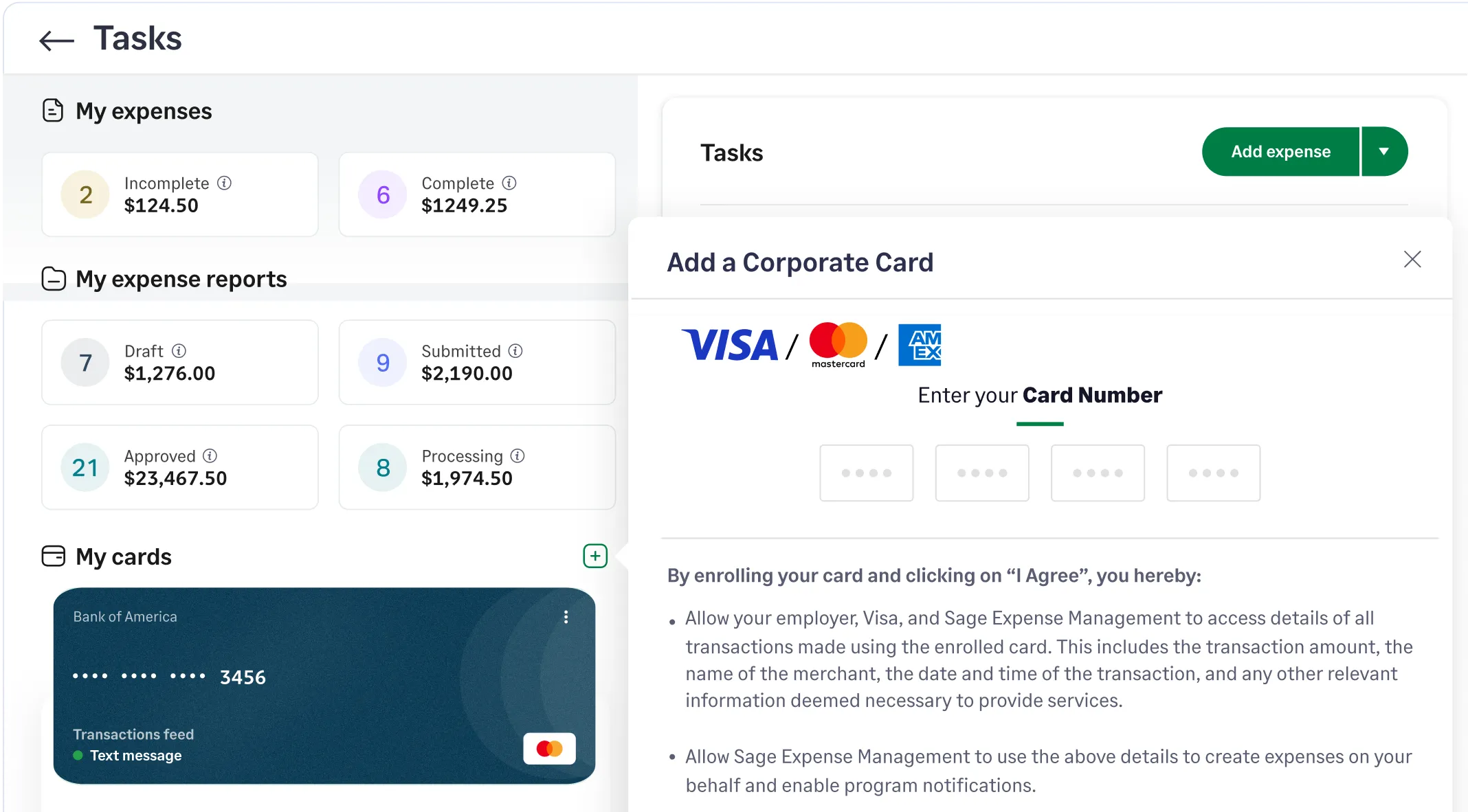
Modern finance teams are moving away from manual receipt matching. A standardized policy ensures that data flowing from credit card providers into Enterprise Resource Planning (ERP) systems like NetSuite or SAP is uniform. When employees know exactly which categories to select and what receipts to upload at the point of sale, the month-end close process is reduced from weeks to days.
Regulatory and Tax Compliance
Tax authorities, such as the IRS in the United States or HMRC in the UK, have strict requirements for business expense deductions. A policy ensures that the company maintains the "accountable plan" status, which allows for tax-free reimbursements and deductions. Failure to document expenses according to these standards can lead to significant penalties during audits.
Key Components of a 2026 Corporate Card Policy
Every comprehensive policy must address several core pillars to be effective. These sections should be written in clear, unambiguous language to leave no room for interpretation.
1. Eligibility and Card Issuance
Not every employee requires a physical or virtual corporate card. The policy must define the criteria for issuance.
- Job Function: Roles involving frequent travel, client entertainment, or procurement of software-as-a-service (SaaS) subscriptions.
- Seniority Levels: Defined spending limits based on the employee's level within the organizational hierarchy.
- Application Process: The steps an employee must take to request a card, including necessary managerial approvals.
2. Authorized vs. Unauthorized Expenses
This is the most critical section of the document. It must explicitly list what can and cannot be charged to the card.
- Authorized Expenses: Business travel (airfare, hotels, transport), client meals within specific price caps, professional development, and office supplies.
- Unauthorized Expenses: Personal grooming, household items, political contributions, adult entertainment, and excessive alcohol.
- The "Gray Area" Rule: Guidance on how to handle ambiguous expenses, usually requiring prior written approval from a department head.
3. Spending Limits and Approval Hierarchies
In 2026, many corporate cards allow for dynamic limit adjustments. The policy should define:
- Transaction Limits: The maximum amount allowed for a single purchase without additional oversight.
- Monthly Limits: The total revolving credit available to the individual cardholder.
- Emergency Overrides: The protocol for increasing a limit temporarily, such as during international travel or urgent equipment repairs.
4. Documentation and Receipt Management
The digital transformation of 2026 has made "shoeboxes of receipts" obsolete. However, the legal requirement for proof of purchase remains.
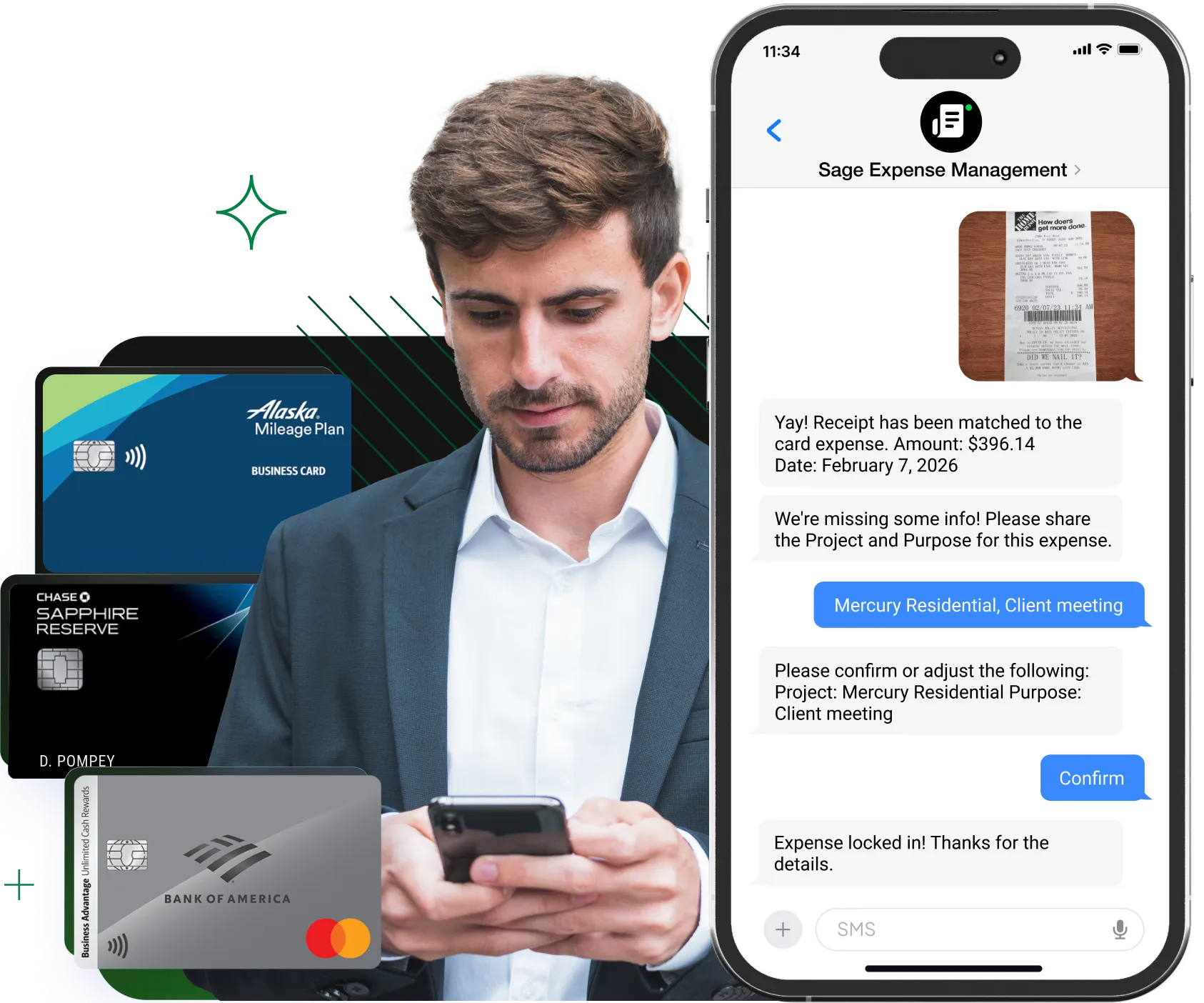
- Digital Submission: Requirements for scanning receipts via mobile apps immediately after a transaction.
- Level of Detail: For meals, policies often require the names of attendees and the business purpose of the meeting to satisfy tax requirements.
- Missing Receipt Affidavits: A formal process for the rare occasions when a receipt cannot be retrieved, typically involving a signed declaration and a limit on how many such affidavits an employee can file per year.
Liability Models: Who is Responsible?
One of the most misunderstood aspects of corporate cards is the liability model. Organizations must choose a model that aligns with their risk tolerance and the creditworthiness of their staff.
| Liability Type | Primary Responsibility | Credit Impact on Employee | Organizational Control |
|---|---|---|---|
| Corporate Liability | The Company | Usually none | High; company pays the issuer directly. |
| Individual Liability | The Employee | High; employee pays and seeks reimbursement. | Medium; relies on employee to manage payments. |
| Joint & Several | Both | Potential impact if the company defaults. | High; both parties are legally responsible for the debt. |
Corporate Liability (The 2026 Standard)
Most modern enterprises prefer Corporate Liability. This model ensures the company has full visibility into spending and simplifies the payment process. However, it requires the company to have a strong credit profile to secure a line of credit from the bank without individual employee guarantees.
Modern Compliance: AI and Virtual Cards
As we operate in 2026, technology has integrated deeply into policy enforcement. Companies are increasingly moving toward "policy-as-code," where the credit card itself "knows" the rules.
Virtual Cards for Specific Use Cases
Virtual cards are unique 16-digit numbers generated for a specific purpose. A policy should outline their use for:
- Subscription Management: Assigning a specific virtual card to each SaaS vendor (e.g., Salesforce, AWS) to prevent overcharging.
- One-time Vendor Payments: Creating a card that expires after a single use or a specific dollar amount to eliminate the risk of fraud.
Real-Time Auditing
Traditional "post-spend" auditing—where finance reviews charges 30 days later—is being replaced by real-time alerts. If an employee uses a card at an unauthorized Merchant Category Code (MCC), such as a jewelry store or a casino, the finance team receives an instant notification. The policy should state that the company reserves the right to freeze cards instantly upon detection of suspicious activity.
Enforcement and Consequences of Misuse
A policy without enforcement is merely a suggestion. The document must clearly state the repercussions of violating the rules.
- Accidental Personal Use: A protocol for notifying finance and reimbursing the company within a set timeframe (e.g., 48 hours).
- Deliberate Misuse: Disciplinary actions ranging from formal warnings and card revocation to termination of employment.
- Legal Action: In cases of significant embezzlement or fraud, the policy should state that the company will cooperate with law enforcement for criminal prosecution.
Step-by-Step Implementation Guide
To implement a successful corporate credit card expense policy in 2026, follow these steps:
- Stakeholder Alignment: Consult with HR, Legal, and Finance to ensure the policy meets all regulatory and cultural requirements.
- Drafting: Use clear, non-technical language. If your company operates globally, ensure the policy accounts for local tax laws and currencies.
- Communication: Distribute the policy via the company intranet and require a digital signature of acknowledgment from every cardholder.
- Training: Conduct brief webinars or interactive modules explaining how to use the expense management software and what "good" documentation looks like.
- Quarterly Reviews: Financial regulations and company needs change. Review the policy at least twice a year to adjust spending limits or categories.
Frequently Asked Questions
Can employees keep credit card rewards and points?
This depends on the company's specific policy. In many 2026 corporate programs, the company retains the rewards to offset annual fees or travel costs. However, some organizations allow employees to keep points as a "perk" of frequent business travel. This must be explicitly stated to avoid disputes.
What happens if an employee loses a receipt?
While digital apps make this less likely, lost receipts still occur. Most policies require a "Missing Receipt Declaration" for expenses over a certain threshold (e.g., $25 or $75). If an employee loses receipts frequently, the company may suspend their card privileges.
How are "bleisure" (business + leisure) trips handled?
"Bleisure" travel—where an employee extends a business trip for personal vacation—is common in 2026. The policy should state that the company only pays for the business portion of the travel (e.g., the flight and the hotel nights for the conference). Any additional nights or personal excursions must be paid for with a personal card.
Does the company check an employee's personal credit score before issuing a card?
If the company uses an Individual Liability or Joint & Several model, the bank will likely perform a credit check on the employee. Under a pure Corporate Liability model, the bank usually looks at the company’s credit score, not the individual’s, though the employee’s identity must still be verified for "Know Your Customer" (KYC) regulations.
How should international transaction fees be handled?
Most modern corporate cards for 2026 offer zero foreign transaction fees. If fees are incurred, the policy should clarify that the company covers these costs as a necessary business expense, provided the underlying transaction was authorized.
Practical Recommendation
For organizations looking to optimize their spending in 2026, the best approach is to integrate the written policy directly into an automated expense management platform. By setting "hard blocks" on certain Merchant Category Codes (MCCs) and "soft alerts" for high-dollar transactions, you reduce the burden on your finance team while giving employees the autonomy they need to do their jobs. Ensure that your policy is a living document, updated annually to reflect changing economic conditions and new spending categories like AI subscription services or ESG-related travel offsets.
Image Gallery