The Radiance of Ages: Gold Beauty Products and Their Cultural Significance
Gold beauty products integrate elemental gold—typically as 24-karat leaf, colloidal nanoparticles, or gold heptapeptides—into skincare and cosmetics to provide anti-inflammatory benefits, enhance radiance, and signal prestige. Cultural...
Gold beauty products integrate elemental gold—typically as 24-karat leaf, colloidal nanoparticles, or gold heptapeptides—into skincare and cosmetics to provide anti-inflammatory benefits, enhance radiance, and signal prestige. Culturally, gold represents divinity, health, and eternal youth, a legacy spanning from Ancient Egyptian burial rituals to modern Ayurvedic medicine and high-end dermatological treatments in 2026.
Contents
The Historical Foundations of Gold in Personal Adornment
The use of gold in beauty is not a modern luxury but a practice rooted in the foundational civilizations of human history. For millennia, gold has been perceived as "the flesh of the gods," a material that does not tarnish, corrode, or decay. This physical stability led ancient cultures to believe that gold could impart similar "incorruptible" qualities to human skin and spirit.
Ancient Egypt and the Quest for Immortality
In Ancient Egypt, gold was synonymous with the sun god Ra. Queen Cleopatra is famously, though perhaps apocryphally, credited with sleeping in a gold face mask to preserve her youthful complexion. Beyond the legend, archaeological evidence shows that Egyptians used gold in salves and powders. They believed gold possessed a life force (ka) that could be transferred to the wearer. In 2026, we recognize this as the earliest form of "preventative aging," where the rarity of the metal served as a social marker of divine favor and biological superiority.
Traditional Chinese Medicine and the Qing Dynasty
In China, the use of gold in beauty was closely tied to the principles of Traditional Chinese Medicine (TCM). During the Qing Dynasty, empresses and noblewomen utilized gold leaf rollers and gold-infused tonics. Within TCM, gold was believed to have "cooling" properties that could draw out heat and toxins from the skin. This historical application focused on the balance of Qi (energy), where gold acted as a conductor to harmonize the body’s internal state with its external appearance.
Ayurveda and Swarna Bhasma
In India, the Ayurvedic tradition has utilized Swarna Bhasma (incinerated gold ash) for centuries. Unlike topical gold leaf, Swarna Bhasma is prepared through a rigorous process of purification and calcination. While primarily used in internal medicine to boost immunity and vitality, its topical application in "Ubtans" (traditional face masks) was intended to promote a "Tejas" or a divine glow. This cultural significance persists today, as modern Indian luxury brands continue to incorporate these Vedic principles into global skincare markets.
The Technical Evolution of Gold Skincare in 2026
As of 2026, the cosmetic industry has moved beyond simple gold flakes to sophisticated delivery systems. The efficacy of gold in skincare is no longer based solely on superstition but on its ability to act as a carrier for other active ingredients.
Colloidal Gold vs. 24K Gold Leaf
Understanding the distinction between forms of gold is essential for evaluating product performance.
- 24K Gold Leaf: These are thin sheets of pure gold. When massaged into the skin, they break down into micro-particles. While visually stunning, their primary benefit is light reflection. They create an immediate optical blur, reducing the appearance of fine lines and redness through the physical properties of light scattering.
- Colloidal Gold: This consists of sub-micron sized particles of gold suspended in a liquid. Because these particles are so small, they can bypass the skin's outer barrier more effectively. In 2026, colloidal gold is frequently used as a "shuttle" for peptides and antioxidants, ensuring that these ingredients reach the deeper layers of the dermis where they can stimulate collagen production.
Anti-Inflammatory and Antioxidant Mechanisms
Gold is chemically inert, which makes it generally safe for various skin types. However, its biological activity is centered on its antioxidant potential. Gold nanoparticles have been shown to inhibit the production of free radicals caused by UV exposure and pollution. Furthermore, gold can suppress the activity of certain enzymes like hyaluronidase, which breaks down the skin’s natural hyaluronic acid. By slowing this degradation, gold helps maintain skin elasticity and hydration levels over longer periods.
Comparing Gold Forms in Modern Cosmetic Formulations
The following table outlines the different applications of gold in the beauty industry as of 2026, detailing their technical characteristics and intended outcomes.
| Form of Gold | Technical Description | Primary Benefit | Common Application |
|---|---|---|---|
| Colloidal Gold | Nano-sized particles (1-100nm) suspended in water. | Enhances ingredient penetration and reduces inflammation. | High-performance serums and eye creams. |
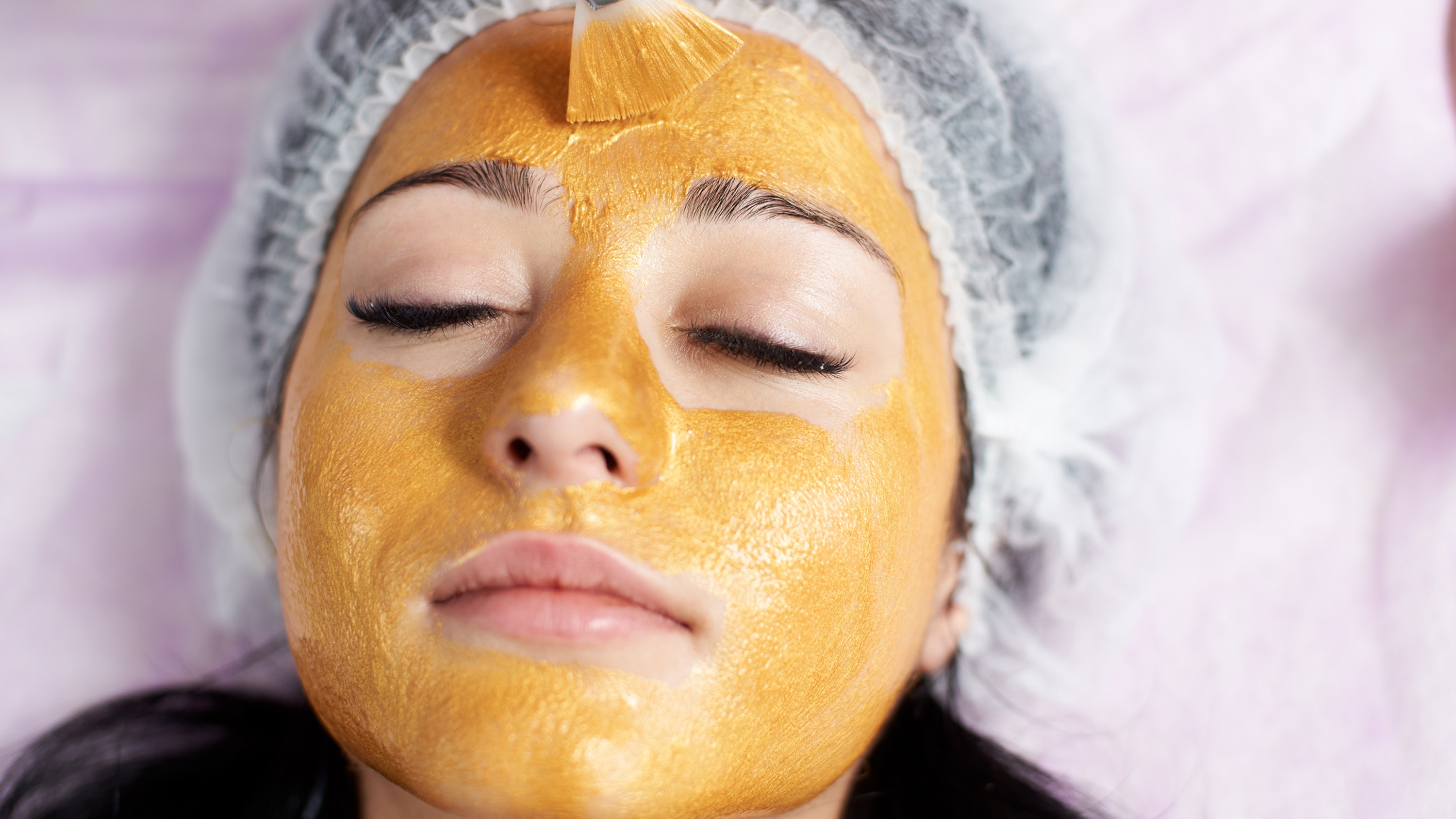
| 24K Gold Leaf | Pure, elemental gold hammered into thin sheets. | Instant radiance and light-reflecting "glow." | Luxury spa facials and "Insta-glow" masks. |
| Gold Heptapeptides | Gold particles bonded to specific peptide chains. | Signals collagen synthesis and firms skin structure. | Anti-aging night treatments and concentrates. |
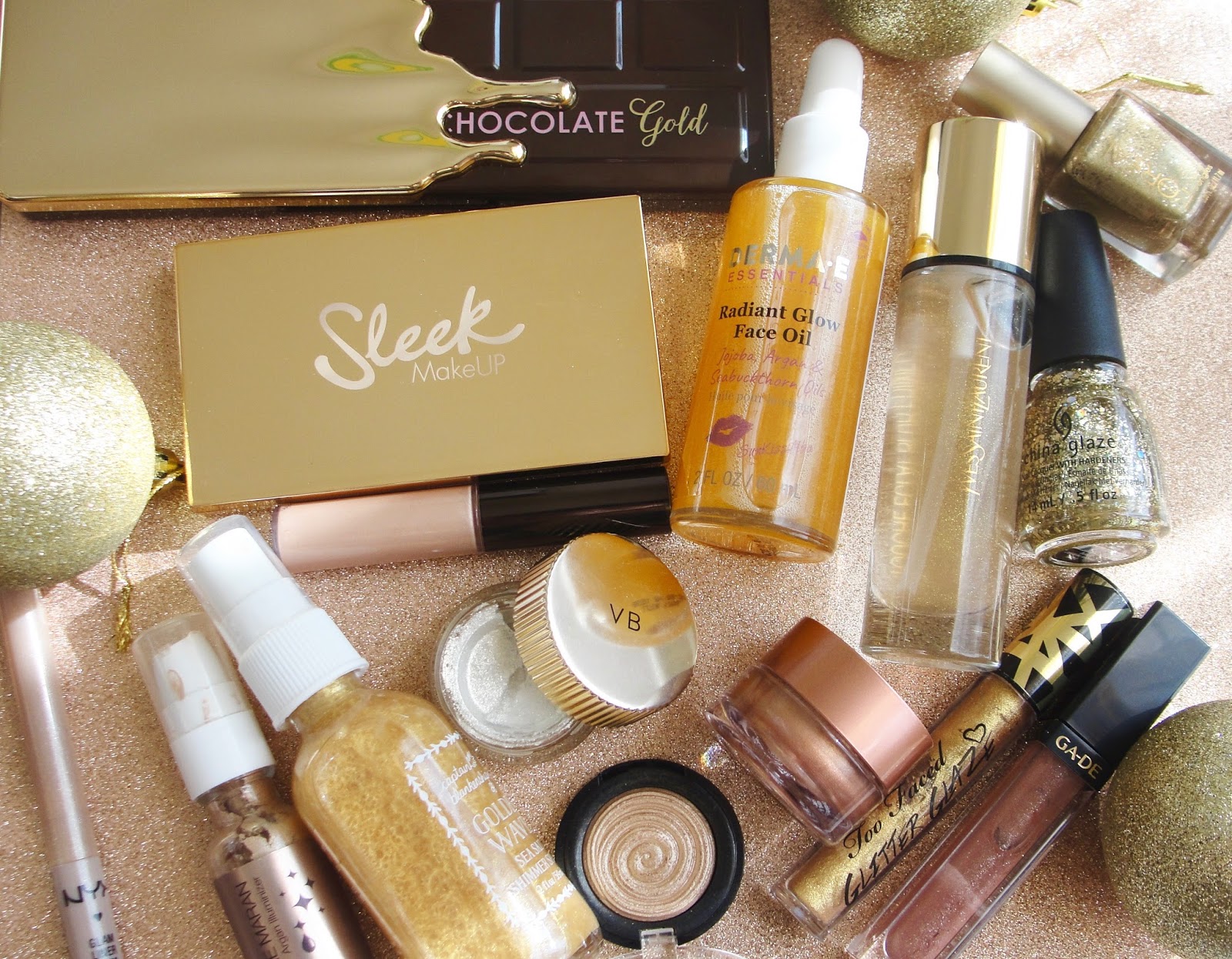
| Gold Pigments | Synthetic fluorphlogopite coated with iron oxides/gold. | Purely aesthetic shimmer and color correction. | Highlighting powders and luminous foundations. |
| Swarna Bhasma | Nano-crystalline gold ash prepared via Ayurveda. | Detoxification and "internal" skin vitality. | Holistic luxury skincare and wellness supplements. |
The Cultural Psychology of the "Golden Glow"
The enduring popularity of gold beauty products in 2026 is driven by more than just chemistry; it is a manifestation of deep-seated cultural psychology. Gold is the universal symbol of the "pinnacle." In a saturated beauty market, gold serves as a shorthand for efficacy and exclusivity.
The Symbolism of Purity
Because gold does not oxidize, it is culturally linked to purity. In many cultures, applying gold to the face is a ritualistic act of self-purification. It elevates a routine skincare step into a "ritual," providing a psychological boost that complements the physical results. This "placebo-plus" effect is a significant driver in the luxury sector, where the experience of the product is as valuable as the formula itself.
The "Wealth Effect" in Aesthetics
Visually, gold alters the way we perceive the skin. The warm tones of gold counteract the "sallow" or blue undertones often associated with fatigue and aging. Culturally, a "golden" complexion is associated with health, leisure (the ability to spend time in the sun without the damage of labor), and vitality. Even in 2026, where "quiet luxury" dominates, the subtle shimmer of gold-infused oils remains a staple for those seeking to project an image of effortless wellness.
Ethical Sourcing and Sustainability in 2026
The cultural significance of gold is currently being redefined by ethical considerations. In 2026, consumers are increasingly aware of the environmental and human costs of gold mining. This has led to a shift in how gold beauty products are marketed and produced.
- Fairmined and Recycled Gold: Leading luxury houses now prioritize gold sourced from Fairmined certified artisanal mines or recycled electronic waste. This ensures that the "purity" of the gold in the bottle is matched by the ethics of its supply chain.
- Lab-Grown Alternatives: While natural gold remains the gold standard, some brands are experimenting with bio-synthetic minerals that mimic the optical properties of gold without the ecological footprint of traditional mining.
- The Transparency Mandate: Modern 2026 regulations often require brands to provide a "digital passport" for the gold used in their products, allowing consumers to trace the material back to its source.
Safety and Suitability Considerations
While gold is noble and non-reactive, it is not suitable for everyone. Technical SEO and dermatological data suggest a few key precautions:
- Contact Dermatitis: Though rare, some individuals have a specific allergy to gold (gold sodium thiosulfate). It is vital to perform a patch test before applying 24K masks.
- Product Purity: Low-quality "gold" products may contain nickel or copper alloys, which are much more likely to cause irritation. Always verify that the product specifies "24K" or "Colloidal Gold."
- Interaction with Other Actives: Gold is generally stable, but when used in high-concentration colloidal forms, it is best paired with stable antioxidants like Vitamin E rather than highly unstable acidic formulations.
Frequently Asked Questions
Does gold skincare actually penetrate the skin?
Standard gold leaf does not penetrate the skin; it stays on the surface to reflect light and provide a blurring effect. However, colloidal gold and gold heptapeptides are engineered at the molecular level to pass through the epidermis. These forms act as delivery vehicles, carrying other active ingredients deeper into the skin layers than they could reach on their own.
Is gold in beauty products just a marketing gimmick?
While there is an undeniable marketing element due to gold's high perceived value, it is not purely a gimmick. In 2026, peer-reviewed studies have confirmed that gold nanoparticles have genuine anti-inflammatory properties and can help stabilize volatile ingredients like Vitamin C. The "gimmick" usually lies in products that use very low concentrations of gold purely for visual sparkle without utilizing colloidal technology.
What is the difference between 24K and 18K gold in cosmetics?
In cosmetics, 24K gold is the standard because it is 99.9% pure and soft enough to be broken down into the skin. Lower karats, like 18K, contain higher percentages of other metals (like copper or silver), which can oxidize and cause skin irritation. For topical application, purity is essential to prevent adverse reactions.
Can gold products help with acne or sensitive skin?
Yes, due to its anti-inflammatory nature, gold can be beneficial for sensitive or acne-prone skin. It helps to reduce the redness and swelling associated with breakouts. However, users should ensure the base formula of the gold product is non-comedogenic (won't clog pores), as some luxury gold oils can be quite heavy.
How often should I use a gold face mask?
For 24K gold leaf masks, once a week or before a special event is typical for a radiance boost. For serums containing colloidal gold, daily use is generally safe and recommended to see the cumulative benefits of improved skin texture and firmness.
Final Recommendation
When selecting gold beauty products in 2026, prioritize formulation over flash. Look for products that list "Colloidal Gold" or "Gold Heptapeptide" high on the ingredient list rather than those that simply feature gold flakes for visual appeal. To honor the cultural significance of the ingredient, choose brands that utilize ethically sourced or recycled gold. By combining ancient wisdom with modern nanotechnology, gold remains one of the most effective tools for achieving both immediate radiance and long-term skin health.
Image Gallery