Hiring Professional Movers in Redondo Beach, CA: A Comprehensive Guide
Moving in or out of Redondo Beach, California, requires careful navigation of the city’s unique coastal geography, parking restrictions, and local regulatory requirements. Whether you are transitioning to a beachfront apartment, reloca...
Moving in or out of Redondo Beach, California, requires careful navigation of the city’s unique coastal geography, parking restrictions, and local regulatory requirements. Whether you are transitioning to a beachfront apartment, relocating a family home, or moving an office within the South Bay, securing a reputable moving service involves verifying credentials, understanding your insurance options, and preparing for the specific logistical constraints of an ocean-side municipality.
Contents
Understanding the Moving Landscape in Redondo Beach
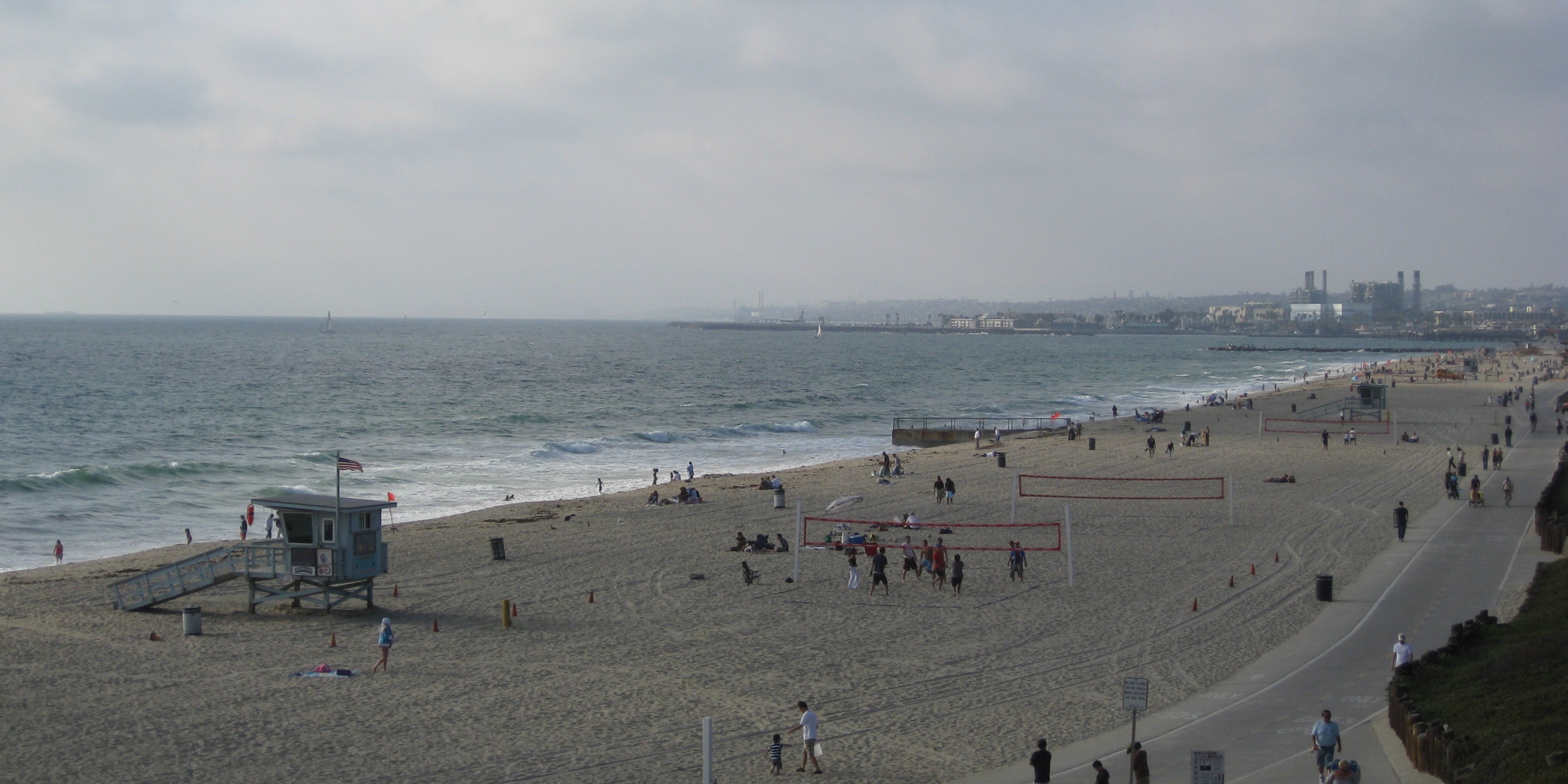
Redondo Beach presents a distinct set of challenges for logistics companies. With a mix of dense residential neighborhoods near the Pier and King Harbor, multi-story apartment complexes, and narrow hillside streets, not every mover is equipped to handle every move. When selecting a service provider, you are essentially choosing between "full-service" companies that handle packing, transport, and unpacking, and "labor-only" providers who assist with the physical loading and unloading of rented trucks.
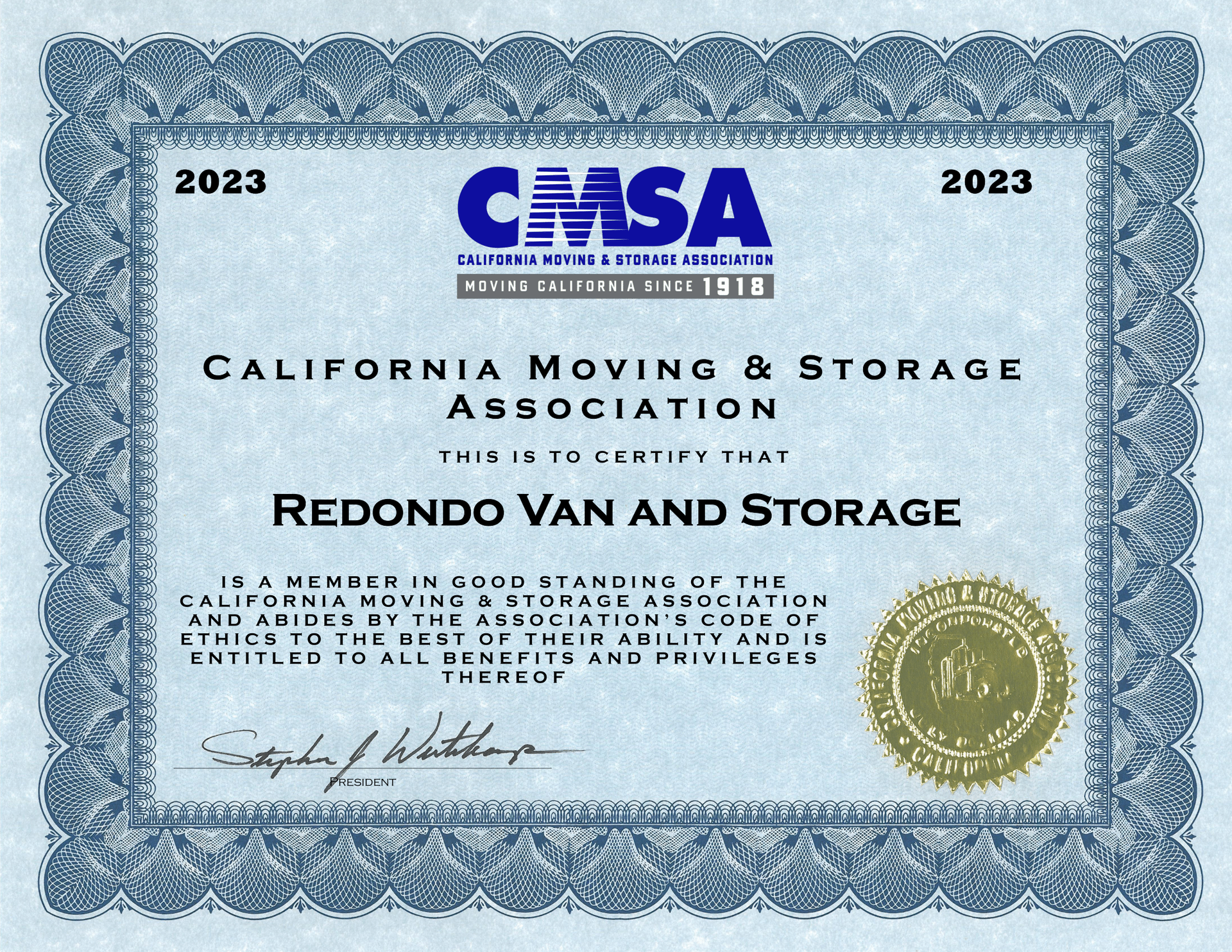
The primary distinction in California is between intrastate movers (moving within California) and interstate movers (moving across state lines). In California, all intrastate household goods movers must be licensed and regulated by the Bureau of Household Goods and Services (BHGS). This agency enforces safety standards and consumer protection rules that govern how companies estimate costs and handle damaged property.
Verifying Mover Credentials and Insurance
Before soliciting quotes, you must verify the legal status of any company you consider. Never rely solely on a website's claims or online star ratings; these can be easily manipulated.
- Check BHGS License Status: Visit the official Bureau of Household Goods and Services website. Search for the company’s "CAL T-number." If a company cannot provide a valid T-number, they are operating illegally.
- Verify Liability Insurance: Moving companies must carry two types of insurance: cargo insurance and public liability/property damage insurance. You should request a Certificate of Insurance (COI). Many high-end apartment complexes in Redondo Beach require a COI naming the building management as an additional insured before allowing movers to enter the building.
- Evaluate Valuation Coverage: By law, movers must provide a basic level of liability, typically "Released Value Protection," which offers minimal compensation (often $0.60 per pound per item). If you have high-value items, inquire about "Full Value Protection" or third-party moving insurance.
Logistical Considerations for Coastal Relocations
Redondo Beach features specific architectural and geographic constraints that impact moving costs. If you are moving to a multi-story building, you must address elevator reservations and loading dock access.
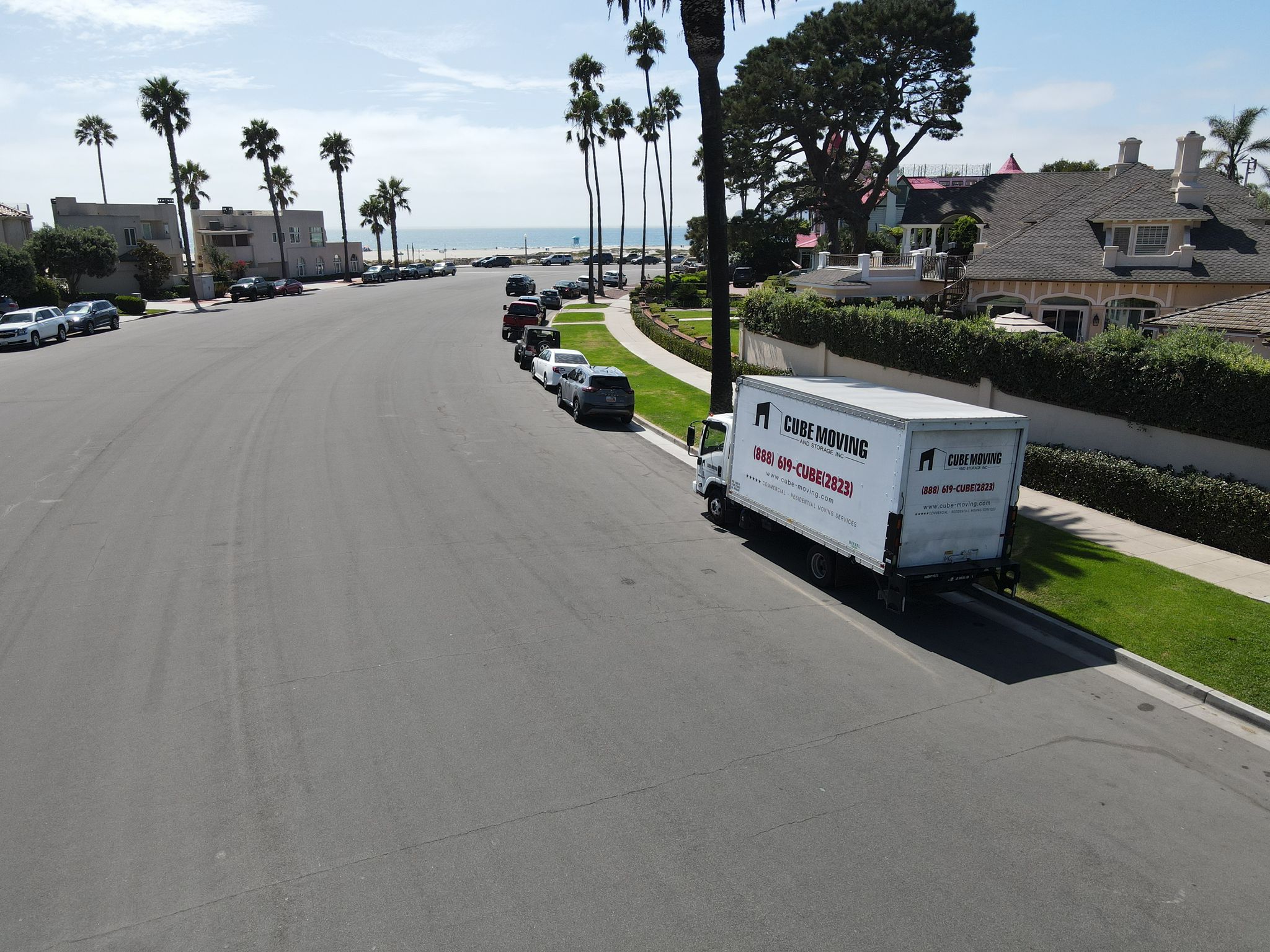
- Parking Permits and Restrictions: Unlike some inland cities, Redondo Beach is densely packed. If a moving truck cannot park in a driveway, it may be forced to park on a public street. Check with the city regarding oversized vehicle parking or temporary "No Parking" signs if your street is narrow.
- The "Long Carry" Fee: If the truck cannot get within a certain distance of your front door—often 75 to 100 feet—companies will charge an additional "long carry" fee.
- Stair Charges: Many apartment buildings along the Esplanade do not have elevators or have limited freight access. Expect to be charged extra for each flight of stairs the crew must navigate.
Comparative Summary of Moving Services
| Feature | Full-Service Movers | Labor-Only Movers | DIY Rental |
|---|---|---|---|
| Primary Responsibility | Packing, Loading, Transport | Loading/Unloading Only | Everything |
| Cost | Highest | Moderate | Lowest (but risky) |
| Liability | Included (with limitations) | Minimal | None |
| Time Investment | Low | Moderate | High |
Preparing for Your Move: A Step-by-Step Approach
Successful moves are the result of advanced planning. Begin your process at least six to eight weeks before your anticipated move date, especially if you are relocating during the summer months when demand in the South Bay peaks.
- Inventory Assessment: Do not move what you do not need. Conduct a thorough decluttering session. Donate or sell items to reduce the total cubic footage/weight of your shipment, which directly impacts the price.
- Obtaining On-Site Estimates: Avoid "phone quotes" whenever possible. A reputable mover will send a representative to your Redondo Beach home to perform a walk-through. This is the only way to get an accurate estimate of the labor and equipment required.
- The Move Plan: Once the estimate is provided, confirm in writing the "Not to Exceed" price if the move is local. Under California law, a mover must provide an estimate in writing before starting the move.
- Managing the Day-Of: Ensure your home is ready for the crew. Clear pathways, disconnect appliances (unless the mover is contracted to do so), and keep a "survival kit" of essentials—toiletries, medications, documents, and device chargers—in your personal vehicle.
Common Pitfalls and How to Avoid Them
The most common grievance in the moving industry involves "low-ball" estimates followed by massive price hikes on the day of the move. This is often called "hostage loading," where the company arrives, loads the truck, and then refuses to deliver the items until the customer pays an inflated price.
- Avoiding Scams: If a deal looks too good to be true, it likely is. Beware of companies that refuse to provide a physical address, lack a DOT or T-number, or insist on cash-only payments.
- Documentation: Keep copies of the Bill of Lading, the Inventory List (showing the condition of your items before they are loaded), and the Estimate. Never sign a blank document.
Frequently Asked Questions
Does my homeowner's insurance cover my move? Most standard homeowner's policies provide very limited coverage for goods in transit. Contact your insurance provider to clarify what is covered while your belongings are in the care of a third party. Do not assume you are fully protected.
What is a "Binding Estimate" vs. a "Non-Binding Estimate"? A binding estimate guarantees the total cost of the move, provided the inventory list does not change. A non-binding estimate is an approximation of the costs; the final price is determined by the actual weight of the goods and the actual time taken, allowing the company to charge more than the estimate if the move takes longer than expected.
Should I tip my moving crew? Tipping is not mandatory but is standard practice for satisfactory service. A common rule of thumb is $20–$40 per mover, per day, depending on the complexity of the move and the length of the workday.
How far in advance should I book my movers? For local moves in the South Bay, aim to book at least 3–4 weeks in advance. If you are moving during peak times (end of the month, summer, or weekends), aim for 6 weeks or more to ensure availability of preferred companies.
What do I do if my items are damaged? If you discover damage, document it immediately with photographs. Notify the moving company in writing as soon as possible. Keep all damaged items and packing materials for inspection. Check your contract for the specific timeframe for filing a claim.
Final Recommendation
Your priority should be selecting a licensed, insured company with a proven history of operations in the South Bay area. Prioritize transparency in their pricing model over the lowest sticker price. Before signing any contract, ensure that every logistical detail—from the presence of a freight elevator to the necessity of parking permits—is documented in the agreement. If you are moving into a high-density area of Redondo Beach, coordinate with your building manager at least two weeks before your move date to ensure the loading dock and elevator are reserved for your exclusive use.
Image Gallery