Exploring the 4 Seasons Thailand White Lotus Experience
The 4 Seasons Thailand White Lotus typically refers to the high-end, signature wellness and spa experiences found at the Four Seasons Resorts in Thailand, specifically at the Chiang Mai and Golden Triangle properties. These experiences...
The 4 Seasons Thailand White Lotus typically refers to the high-end, signature wellness and spa experiences found at the Four Seasons Resorts in Thailand, specifically at the Chiang Mai and Golden Triangle properties. These experiences integrate the symbolic and botanical significance of the white lotus into holistic spa treatments, luxury hospitality rituals, and high-end botanical garden aesthetics designed for cultural immersion.
Contents
The Significance of the White Lotus in Thai Culture and Luxury Hospitality
In Thailand, the white lotus (Nymphaea alba or related sacred species) is far more than a decorative flower; it is a profound symbol of purity, spiritual awakening, and faithfulness. Throughout the country’s history, the lotus has been central to Buddhist iconography and traditional wellness practices. When major hospitality brands like Four Seasons integrate the "White Lotus" theme into their operations, they are bridging the gap between historical Thai heritage and the expectations of a modern luxury traveler.
At the Four Seasons Resort Chiang Mai, for instance, the landscape is intentionally curated to reflect the lush, verdant beauty of the Mae Rim Valley. The presence of white lotus ponds serves as a focal point for architectural design and mental well-being. These ponds are not merely static displays; they are functional ecosystems that regulate the micro-climate and provide a serene environment that is essential to the "four seasons" wellness philosophy—the idea that the body and mind require different care and focus based on the natural rhythms of nature, despite Thailand’s tropical climate.
Signature Wellness: The White Lotus Rituals
The core of the "4 Seasons Thailand White Lotus" offering lies within the spa menus. The treatments labeled under this theme are generally designed to promote detoxification, skin hydration, and mental clarity. By utilizing lotus extracts—known for their anti-inflammatory and soothing properties—the spa technicians provide a localized, authentic experience that differentiates these resorts from international chains.
Core Components of the White Lotus Treatment
When booking a spa service featuring this theme, guests can typically expect a multi-sensory journey. The ritual often follows a specific progression:
- Aromatic Cleansing: The use of white lotus-infused botanical oils to open the respiratory system and soothe the nervous system.
- Botanical Scrub: A gentle exfoliation process using crushed lotus petals or seed extracts, which are believed to improve skin texture and circulation.
- Traditional Massage: Techniques derived from Northern Thai (Lanna) traditions, often performed with a focus on the sen energy lines of the body.
- Meditative Stillness: The final stage, often accompanied by tea brewed from lotus blossoms, designed to ground the guest after the physical treatment.
Geographical Context: Where to Find the Experience
It is critical to distinguish between the two primary Four Seasons locations in Thailand, as the "White Lotus" theme manifests differently at each, depending on the surrounding geography and cultural history.
Four Seasons Resort Chiang Mai
Located in the heart of the Mae Rim Valley, this property focuses heavily on the agricultural and spiritual roots of the Lanna kingdom. Here, the white lotus is prevalent in the water features surrounding the private residences and the main spa pavilion. The environment is designed to mimic an ancient Thai village, where lotus-filled ponds are integrated into the working rice paddies.
Four Seasons Tented Camp Golden Triangle
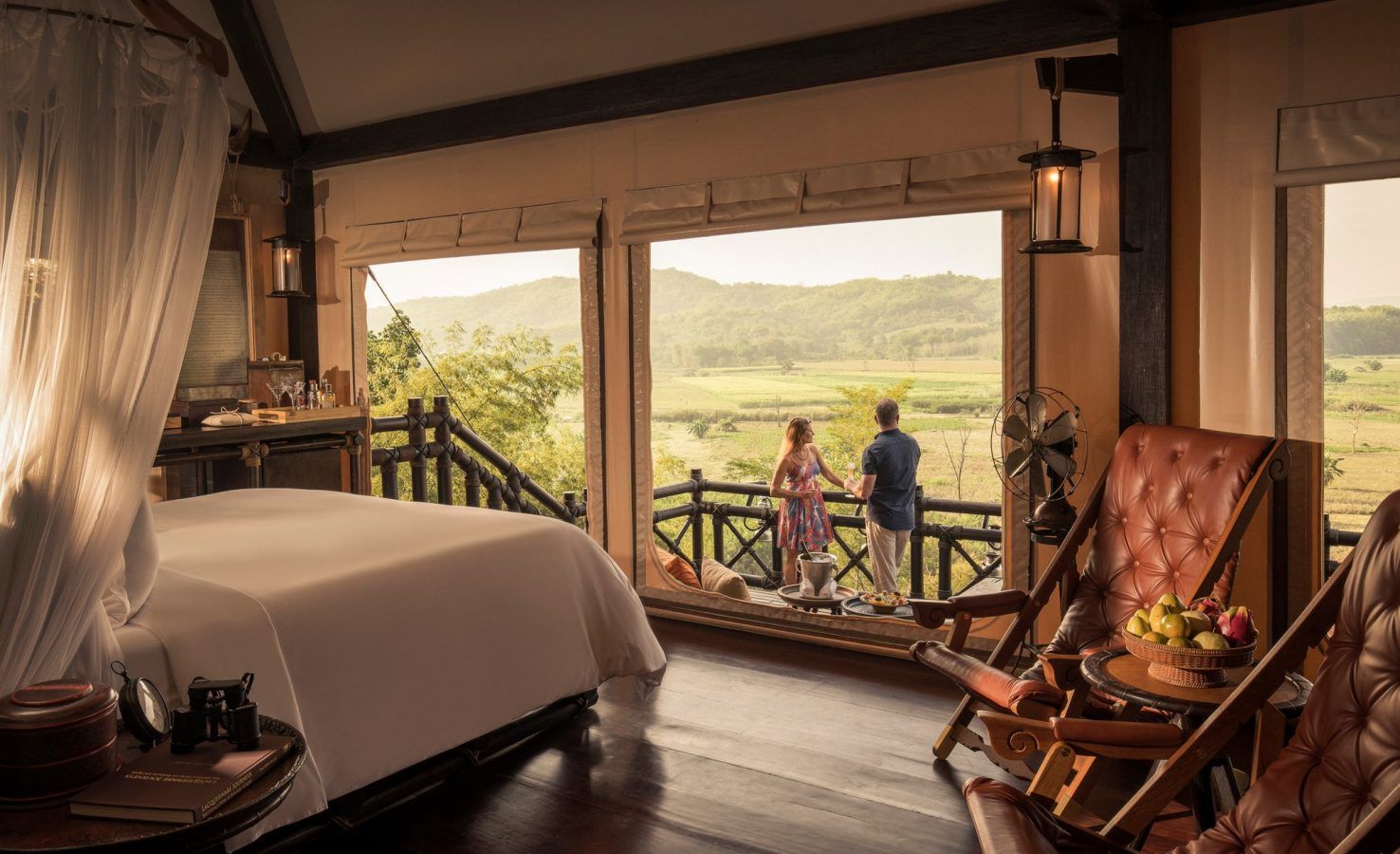
At this location, the focus shifts to the intersection of three countries: Thailand, Laos, and Myanmar. The white lotus here is often encountered during river excursions or as part of the curated botanical landscaping around the luxury tents. The aesthetic is more rugged, emphasizing the wilder, untouched nature of the riverbanks where lotus blooms naturally.
Comparative Overview of Guest Experiences
To better understand how these properties integrate the white lotus theme, the following table compares the typical environmental and wellness applications found in 2026.
| Feature | Chiang Mai Property | Golden Triangle Property |
|---|---|---|
| Primary Focus | Agricultural & Lanna Heritage | Riverine & Border Wilderness |
| Spa Emphasis | Holistic Restoration | Revitalizing & Energizing |
| Lotus Integration | Formal Ponds & Garden Design | Natural Habitat & River Views |
| Guest Interaction | Interactive Rice Planting & Yoga | Sunset Excursions & Nature Walks |
Prerequisites and Preparation for Guests
Visiting a luxury property that emphasizes high-level wellness rituals requires a certain level of preparation. For guests looking to experience the White Lotus treatments, it is recommended to manage expectations and logistics well in advance of a 2026 trip.
Booking Procedures
Because the Four Seasons resorts in Thailand often operate at high occupancy, particularly during the cooler season (November to February), spa treatments should be booked at the time of room reservation. Specifically, requesting the "White Lotus" signature series ensures that the appropriate therapists and botanical ingredients are available.
Physical and Health Considerations
While these treatments are generally safe, guests should always disclose any allergies, particularly to botanical extracts, prior to the start of the session. Because the treatment involves local herbs and oils, those with highly sensitive skin should request a patch test. Furthermore, as the wellness experience is designed for total immersion, guests are encouraged to arrive at least 30 minutes before their scheduled time to acclimate to the serene environment of the spa pavilion.
Common Mistakes and How to Avoid Them
Even in high-end environments, travelers often miss the true value of these experiences by failing to engage with the context.
- Rushing the Experience: The most common mistake is booking back-to-back excursions. The White Lotus rituals are designed to be slow; if you are physically or mentally hurried, the benefits of the treatment are significantly diminished.
- Ignoring the Environment: Guests often focus only on the massage portion, ignoring the setting. The surrounding water gardens and the sound of the natural landscape are integral parts of the therapy. Take time to walk through the gardens both before and after the service.
- Forgetting Hydration: The tropical heat of Thailand can be dehydrating. Even when participating in relaxing spa rituals, it is vital to drink plenty of water to assist the body in the detoxification process stimulated by the treatment.
Frequently Asked Questions
Is the white lotus treatment available year-round?
Yes. Although the lotus bloom cycle in the wild is seasonal, the resorts maintain constant access to high-quality lotus-based extracts and botanical oils, ensuring the signature treatments are available 365 days a year.
Can I purchase the white lotus products used in the spa?
Typically, yes. Both the Chiang Mai and Golden Triangle properties maintain luxury boutiques that feature the proprietary blends used in their spas. If a specific product is not on the shelf, the resort concierge can often arrange to have it ordered or shipped to your residence.
Does the resort offer white lotus-themed yoga or meditation?
Many of the wellness packages include private sessions held in the gardens or on decks overlooking the lotus ponds. These are highly encouraged for guests wishing to deepen their mental connection to the theme.
Is the white lotus considered a protected species?
In the context of the resort's private landscaping, all plants are cultivated sustainably. However, guests should never pick lotus flowers from the wild or from protected areas outside the resort grounds, as local conservation laws in Thailand protect many aquatic plant species.
How does the Golden Triangle property's version differ from Chiang Mai?
The Chiang Mai property focuses on deep, meditative relaxation within an agricultural setting, while the Golden Triangle property emphasizes nature-integrated wellness, often incorporating the river and the surrounding forest into the sensory experience.
Practical Recommendation for Your Visit
To derive the most value from your time at a Four Seasons Thailand property, aim for a three-day minimum stay. Use the first day to settle into the pace of the resort, the second day for a signature "White Lotus" spa ritual followed by a meditative walk through the gardens, and the third day for an off-site cultural excursion. Always communicate your specific wellness goals—whether it be stress relief, muscle recovery, or skin revitalization—to the spa director during your initial consultation. This allows them to tailor the botanical ingredients and pressure intensity of the treatment to your exact needs, ensuring an experience that is both authentic and deeply restorative.
Image Gallery