The Musk Brothers Net Worth and How It Grew: From Zip2 to Billion-Dollar Empires
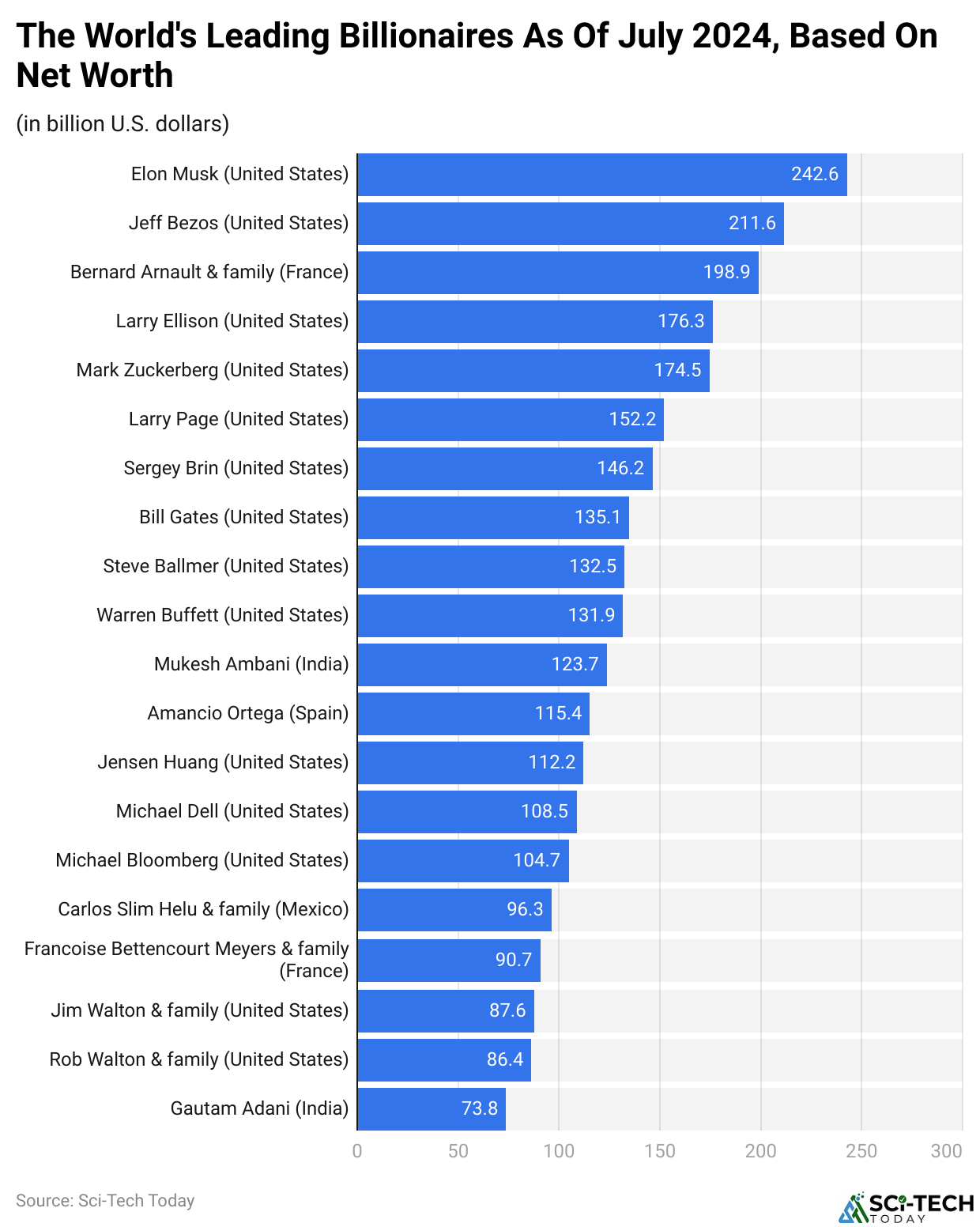
The combined wealth of the Musk brothers—Elon and Kimbal Musk—is driven primarily by early technology exits, concentrated equity holdings in groundbreaking companies, and long-term positions in Tesla and SpaceX. Elon Musk’s net worth s...
The combined wealth of the Musk brothers—Elon and Kimbal Musk—is driven primarily by early technology exits, concentrated equity holdings in groundbreaking companies, and long-term positions in Tesla and SpaceX. Elon Musk’s net worth stands in the hundreds of billions, while Kimbal Musk has amassed a fortune estimated between $500 million and $1 billion.
Contents
Who Are the Musk Brothers? An Overview of Elon and Kimbal
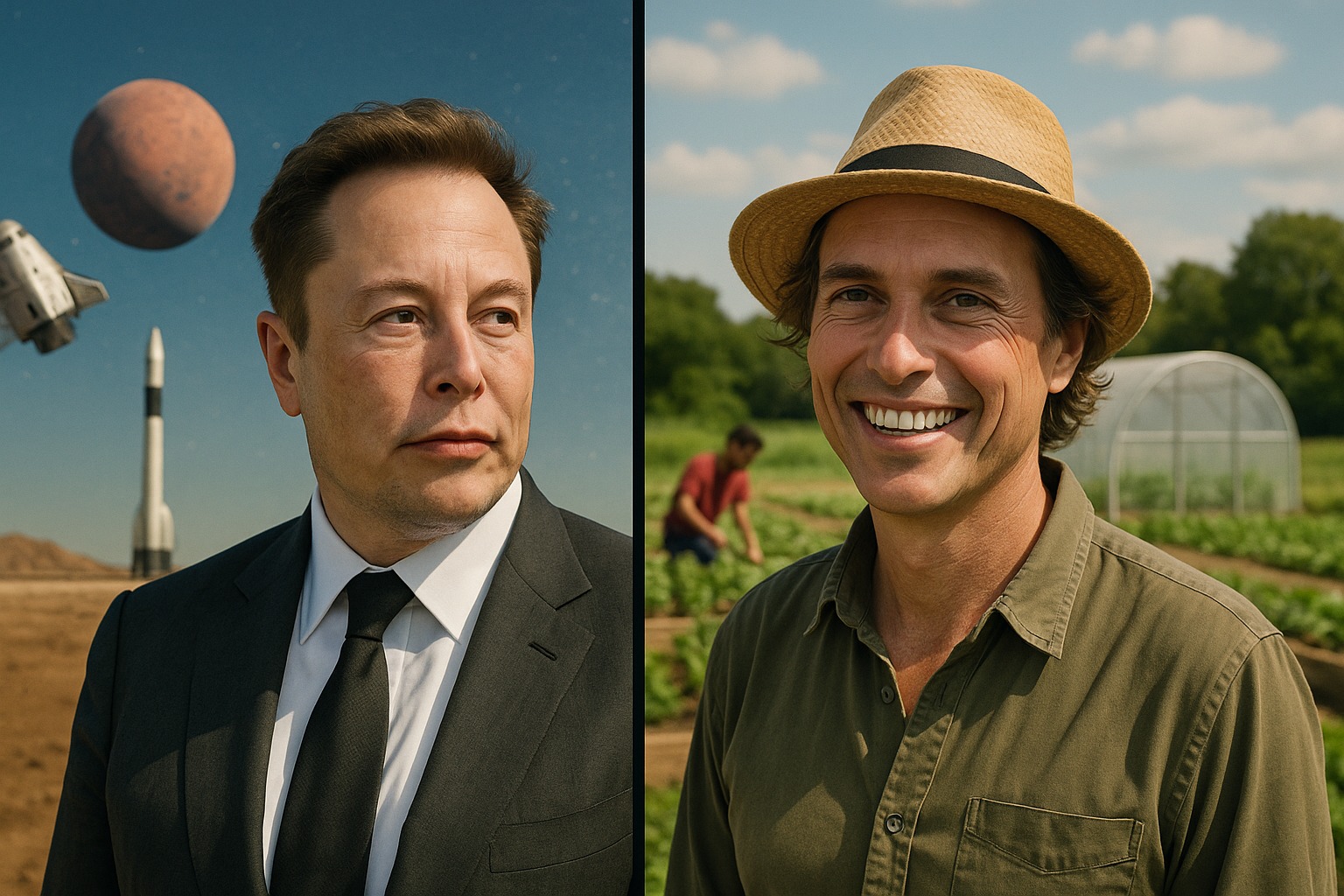
The business trajectories of Elon Musk and his younger brother, Kimbal Musk, represent one of the most successful family wealth-creation stories in modern corporate history. Born in Pretoria, South Africa, both brothers displayed an early interest in technology and entrepreneurship before immigrating to North America in the 1990s to pursue business ventures.
While Elon Musk is widely known as the CEO of Tesla, founder of SpaceX, and owner of xAI and X (formerly Twitter), Kimbal Musk has carved out a distinct career path as a restaurateur, food tech entrepreneur, philanthropist, and long-standing corporate director. Despite pursuing different primary industries in their later careers, their financial foundations remain deeply intertwined through shared early startups, strategic co-investments, and executive board governance.
Understanding how the Musk brothers grew their wealth requires examining their initial venture capital wins in the late 1990s, their appetite for concentrated risk, and the astronomical growth of public and private equity valuations over the past two decades.
The Early Foundations: Zip2 and PayPal (1995–2002)
The foundation of the Musk brothers' financial empire was established during the first dot-com boom. Neither brother inherited vast corporate wealth; instead, their initial liquidity events resulted from building and selling early internet software solutions.
Zip2: The First Major Liquidity Event
In 1995, Elon and Kimbal Musk co-founded Zip2, an online city guide software company that provided business directories and maps to newspaper publishers, including The New York Times and the Chicago Tribune. Operating out of a small office in Palo Alto, California, the brothers initially struggled for venture backing before securing growth capital from firms like Mohr Davidow Ventures.
In 1999, personal computer giant Compaq acquired Zip2 for $307 million in cash and $34 million in stock options. From the transaction:
- Elon Musk received approximately $22 million for his 7 percent stake.
- Kimbal Musk earned approximately $15 million for his equity share.
This transaction provided both brothers with the liquid capital necessary to self-fund or seed-invest in their next generation of high-risk ventures.
X.com and PayPal: Scaling to a Billion-Dollar Exit
Immediately following the Zip2 sale, Elon Musk allocated roughly $12 million of his proceeds to found X.com, an early online financial services and e-mail payment company. Kimbal Musk also invested a portion of his Zip2 earnings into the venture and served as an early investor and executive.
In 2000, X.com merged with its chief competitor, Confinity, which operated a money-transfer service named PayPal. After internal restructuring, the combined entity adopted the PayPal name and went public in February 2002. Later that year, eBay acquired PayPal for $1.5 billion in stock.
As PayPal’s largest individual shareholder (holding 11.7% of the stock at acquisition), Elon Musk netted approximately $175 million to $180 million after taxes. Kimbal Musk similarly realized a multi-million-dollar payout from his equity stake, cementing both brothers' positions as accredited venture investors capable of writing major self-funding checks.
How Elon Musk Built a Multi-Hundred-Billion-Dollar Wealth Portfolio
Elon Musk’s net worth expansion from a $180 million PayPal windfall to the world's highest net worth is a study in extreme capital concentration. Rather than diversifying into conservative assets such as real estate, bonds, or index funds, Elon rolled nearly all of his liquid fortune into two fledgling enterprises in the early 2000s: SpaceX and Tesla.
- PayPal Proceeds (~$180M)
- SpaceX (2002): $100M Initial Investment
- Multi-Hundred-Billion Private Valuation
- Tesla (2004): $6.5M Initial Series A
- Trillion-Dollar Public Market Cap Exits
- SpaceX (2002): $100M Initial Investment
1. Space Exploration Technologies (SpaceX)
Founded in 2002, SpaceX was initialised with approximately $100 million of Elon Musk’s personal capital. Despite three consecutive rocket launch failures that nearly bankrupted the company between 2006 and 2008, SpaceX secured a crucial $1.6 billion NASA Commercial Resupply Services contract in late 2008.
SpaceX’s equity growth has since surged through commercial satellite launch dominance, the Starlink broadband constellation, and government contract execution. Because SpaceX remains a private entity, Elon Musk's estimated ~42% equity ownership and ~79% voting control form a massive, semi-liquid bedrock of his overall net worth, valued at tens of billions of dollars.
2. Tesla, Inc. and Performance-Based Compensation
In 2004, Elon led the Series A investment round for Tesla Motors (now Tesla, Inc.), contributing $6.5 million of his own money and becoming Chairman of the Board before taking over as CEO in 2008.
Elon Musk’s wealth trajectory with Tesla differs from traditional executive compensation:
- Zero Base Salary: Elon took no regular salary or cash bonuses from Tesla.
- Option Packages: His compensation was structured entirely around ambitious performance milestones tied to market capitalization, revenue, and EBITDA targets.
- The 2018 CEO Performance Award: This historic compensation package granted option tranches as Tesla reached market cap tiers ranging from $100 billion to $650 billion. As Tesla's market valuation surpassed $1 trillion in 2021, these options vested, adding tens of billions in paper wealth to his balance sheet.
3. X (Twitter), Neuralink, The Boring Company, and xAI
Elon Musk has further expanded his portfolio into secondary ventures:
- X Corp. / Twitter: Acquired in October 2022 for $44 billion, funded through personal cash, partner equity, and leveraged debt.
- The Boring Company & Neuralink: High-valuation private startups focusing on infrastructure tunneling and brain-computer interfaces, respectively.
- xAI: Founded in 2023, the artificial intelligence firm has raised billions in venture funding, rapidly adding to his aggregate asset value.
How Kimbal Musk Accumulated His Fortune
While less public about his overall portfolio than his brother, Kimbal Musk achieved significant financial independent success. His net worth—estimated between $500 million and $1 billion—is built upon early technology payouts, early-stage participation in Tesla and SpaceX, and independent entrepreneurial ventures in the culinary and agricultural sectors.
Early Stock Ownership in Tesla and SpaceX
Kimbal Musk was an early investor in Tesla Motors and joined its Board of Directors in 2004. Over two decades of service, Kimbal received substantial director stock options and equity grants.
By retaining significant blocks of Tesla shares through its 2010 IPO and subsequent split-adjusted stock surges in 2020 and 2021, Kimbal's holdings appreciated dramatically. Periodic, publicly disclosed SEC Form 4 filings reveal that Kimbal has sold tens of millions of dollars in Tesla stock over the years while retaining a major underlying stake. Furthermore, his early personal equity investments in SpaceX have expanded alongside the launch company's private valuation hikes.
Culinary Ventures and AgTech Innovations
Unlike Elon’s focus on industrial manufacturing, software, and space travel, Kimbal pursued a passion for food policy and restaurant management:
- The Kitchen Restaurant Group: Following studies at the French Culinary Institute in New York, Kimbal co-founded The Kitchen, a group of farm-to-table restaurants operating across the United States.
- Square Roots: Co-founded as an urban indoor farming company utilizing hydro-strip farming inside shipping containers to supply locally grown produce to metropolitan grocery networks.
- Big Green: A non-profit organization focused on installing outdoor learning gardens in public schools across North America.
Comparative Breakdown: Elon Musk vs. Kimbal Musk
The following table summarizes the primary metrics, wealth drivers, and corporate roles of both brothers.
| Asset & Metric Category | Elon Musk | Kimbal Musk |
|---|---|---|
| Estimated Net Worth Range | $200 Billion – $300 Billion+ (Fluctuates with stock market) | $500 Million – $1 Billion |
| Primary Wealth Assets | Tesla (Public Stock/Options), SpaceX (Private Equity), xAI, X Corp | Tesla (Public Stock/Options), SpaceX (Private Equity), Restaurant Holdings |
| First Major Cash-Out | ~$22 Million (Zip2 Sale, 1999) | ~$15 Million (Zip2 Sale, 1999) |
| Secondary Cash-Out | ~$175 Million–$180 Million (PayPal/eBay, 2002) | Multi-Million-Dollar Payout (PayPal/eBay, 2002) |
| Primary Corporate Roles | CEO of Tesla, CEO/CTO of SpaceX, Owner of X, Founder of xAI | Board Director (Tesla, ex-SpaceX), Founder (The Kitchen, Square Roots) |
| Wealth Strategy Focus | Extreme equity concentration, high-volatility venture creation | Early tech co-investment, board equity retention, food & AgTech ventures |
Key Lessons from the Musk Family Wealth Strategy
The rapid accumulation of wealth by the Musk brothers offers several distinct insights into modern equity building and venture financing.
Extreme Equity Concentration vs. Traditional Diversification
Standard wealth management advice emphasizes asset diversification across equities, fixed income, real estate, and liquid reserves to mitigate downside risk. Elon Musk notoriously rejected this principle, placing virtually 100 percent of his liquid network into SpaceX and Tesla during the 2008 financial crisis. This high-risk strategy carried immense short-term bankruptcy risk but yielded unprecedented capital growth when both enterprises achieved market dominance.
Reinvesting Early Exit Liquidity
Neither Elon nor Kimbal retired after securing multi-million-dollar fortunes from the Zip2 and PayPal sales in their late twenties. Instead, they used those exits as seed capital for larger enterprises. By acting as their own primary angel investors, they retained higher equity percentages in subsequent rounds than founders reliant entirely on third-party venture capital.
Long-Term Board Equity Retention
Kimbal Musk’s wealth demonstrates the power of long-term corporate governance equity. By serving on Tesla’s board since 2004 and retaining equity options through major growth phases, his personal net worth expanded exponentially alongside the company’s enterprise value, proving that long-term tenure in hyper-growth firms can yield wealth comparable to primary founders.
Frequently Asked Questions
Did the Musk brothers inherit their initial wealth?
No. While their father, Errol Musk, was an engineer and emerald mine equity investor in South Africa, both Elon and Kimbal relocated to North America with significant student loans and debt. Their initial wealth was built through their self-started venture, Zip2, which sold to Compaq in 1999 for $307 million in cash.
How much money did the Musk brothers make from Zip2?
Elon Musk made approximately $22 million for his 7% stake in Zip2, while Kimbal Musk earned approximately $15 million. This 1999 transaction provided the seed capital for their future investments in X.com (PayPal), Tesla, and SpaceX.
What is Kimbal Musk’s main source of net worth?
The primary driver of Kimbal Musk’s net worth is his stock and option holdings in Tesla, Inc., where he has served as a member of the Board of Directors since 2004. He also holds valuable early-stage equity in SpaceX and owns food-related enterprises, including The Kitchen Restaurant Group.
Does Elon Musk take a salary from Tesla?
No. Elon Musk does not receive a base cash salary from Tesla. His equity wealth growth in Tesla is generated through board-approved, performance-based stock option plans tied to rigorous market capitalization, revenue, and operational growth milestones.
How does SpaceX impact Elon Musk’s net worth compared to Tesla?
While Tesla provides public liquidity and real-time equity valuation, SpaceX represents a substantial portion of Elon Musk's overall wealth. Because SpaceX is a privately held company with valuations exceeding $150 billion to $200 billion in private secondary offerings, Elon's ~42% ownership stake accounts for a major segment of his total net worth.
Operational Takeaways for Investors and Entrepreneurs
Analyzing the financial path of the Musk brothers provides actionable insights for equity management and capital allocation:
- Leverage Liquidity Events: Treat early business exits not as end goals, but as seed capital for larger, higher-leverage ventures where you retain substantial voting and equity control.
- Understand Option Economics: For executives and board members, structure compensation around long-term equity options rather than static cash salaries to align personal wealth creation directly with total corporate valuation growth.
- Balance High-Risk Bets: Maintain awareness of downside risks. While extreme equity concentration created the Musk fortunes, it brought both brothers to the brink of personal insolvency during the 2008 financial crisis before market conditions stabilized.
Image Gallery