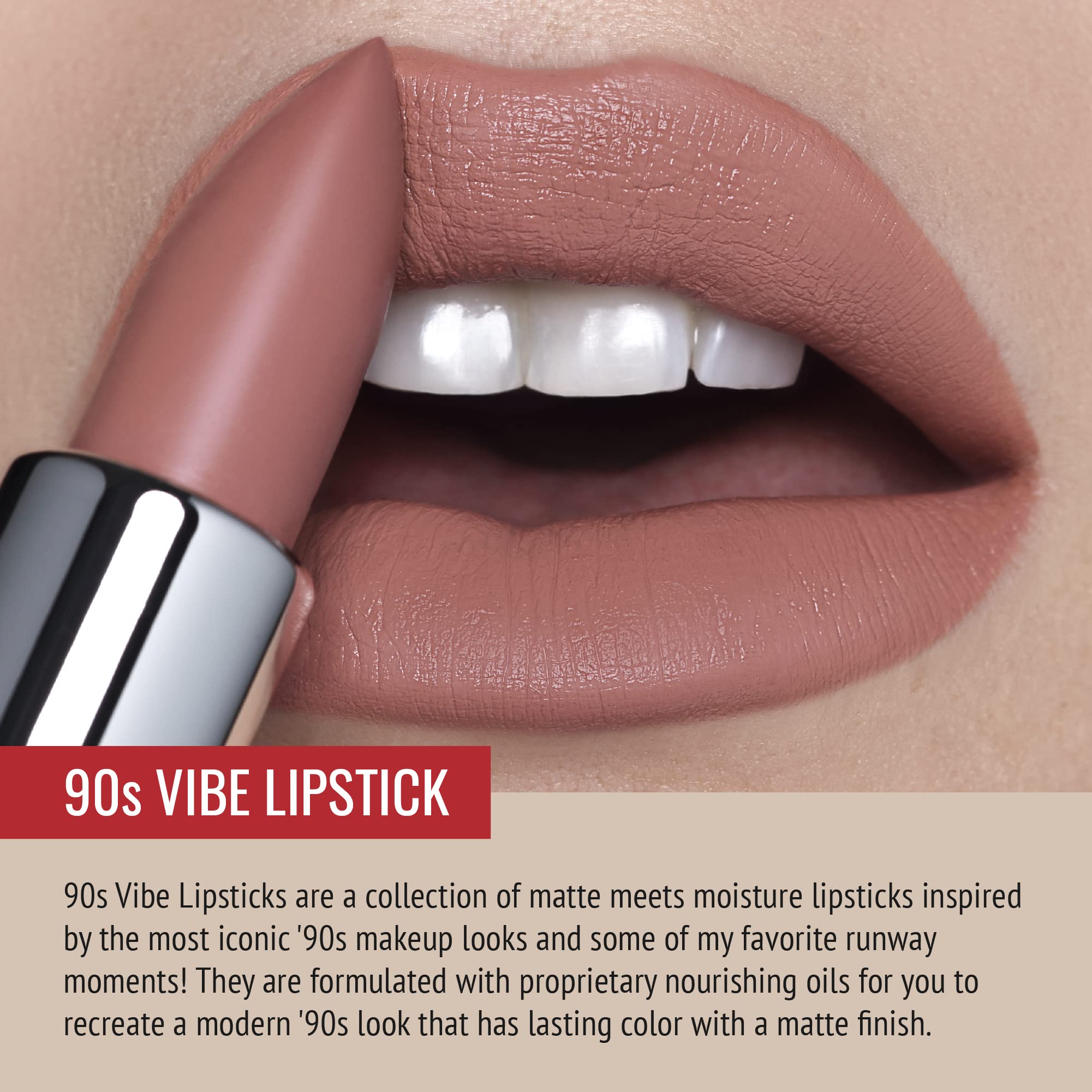
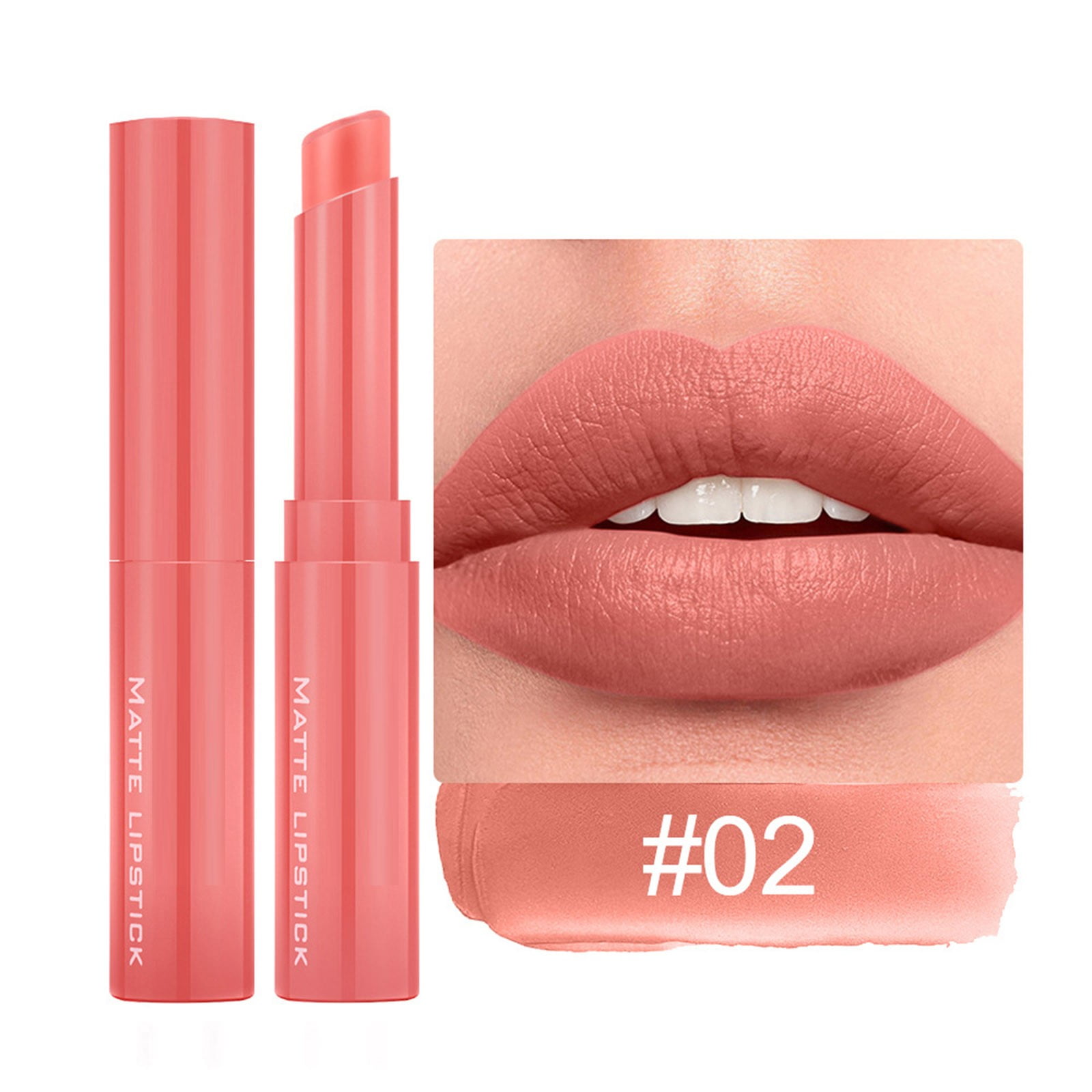
The Best Matte Moisturizing Lipstick for 2026
Finding the perfect balance between a high-pigment matte finish and long-lasting hydration is the defining challenge for cosmetic enthusiasts in 2026. The ideal formula utilizes advanced micro-encapsulated humectants and plant-derived...
Finding the perfect balance between a high-pigment matte finish and long-lasting hydration is the defining challenge for cosmetic enthusiasts in 2026. The ideal formula utilizes advanced micro-encapsulated humectants and plant-derived emollients to prevent the settling, flaking, and dryness traditionally associated with matte lip products. By prioritizing ingredients like hyaluronic acid, squalane, and vitamin E, modern formulations ensure a velvet-smooth appearance that remains comfortable from morning application through the end of the workday.
Contents
Understanding the Matte-Moisture Paradox
The historical difficulty in creating a "moisturizing matte" lipstick lies in the physics of the finish. Traditional matte lipsticks rely on a higher concentration of waxes and pigments, often devoid of the oils that provide shine and moisture. This structure is what gives matte its characteristic "flat" or "non-reflective" look. However, when these waxes are applied, they pull moisture from the lips, often leaving them parched after several hours of wear.
In 2026, cosmetic chemistry has evolved to solve this paradox through two main mechanisms. First, the use of volatile silicones or advanced polymers allows for a thin, breathable film that mimics a matte look without requiring excessive drying waxes. Second, the integration of encapsulated oils—which break open gradually throughout the day—ensures that the skin remains hydrated beneath the pigment layer. Understanding this chemistry helps consumers identify products that offer genuine wearability rather than immediate, short-lived results.
Key Ingredients to Look For in 2026
When evaluating which matte lipstick earns a spot in your makeup kit, the ingredient list is the most reliable predictor of performance. Marketing terms like "hydrating" or "conditioning" can be subjective, but specific chemical compounds provide documented benefits for lip skin.
- Hyaluronic Acid: Often found in low molecular weights, this humectant draws water into the stratum corneum, helping the lips look plump and preventing the "cracked" appearance that often ruins a matte application.
- Squalane: A stable, plant-derived oil that mimics human sebum. It is non-comedogenic and provides a silky, non-greasy barrier that prevents transepidermal water loss.
- Ceramides: These lipids act as the "mortar" between skin cells. Including them in a lipstick formula helps maintain the structural integrity of the lips, preventing irritation and sensitivity during long-term wear.
- Shea Butter or Cocoa Butter: These provide immediate emollience, creating a soft base that allows the pigments to adhere smoothly without catching on dry patches.
Performance Evaluation Criteria
To determine the effectiveness of a matte lipstick, we must measure three distinct performance phases: the initial application, the midday state, and the removal process.
Initial Application
A high-quality matte lipstick should possess enough "slip" during the first few seconds of application to be distributed evenly without dragging or skipping. If a product tugs at the lips upon application, it is typically a sign of high wax content and low emollient quality. The color should be opaque in a single swipe, indicating a high concentration of refined pigments.
Midday State
After four hours, a superior moisturizing matte should not have migrated into fine lines around the mouth (a phenomenon known as "bleeding") and should not feel tight or itchy. A common mistake is assuming that "long-wear" equates to "drying." Current technology allows for long-wear formulas that use flexible film-formers rather than rigid, drying resins.
Removal
While longevity is desirable, the product should be removable with a standard micellar water or oil-based cleanser. If a lipstick requires harsh scrubbing to remove, it likely contains high levels of synthetic adhesives that can damage the delicate lip barrier over time.
Comparative Overview of Matte Formula Types
| Technology Type | Primary Benefit | Potential Trade-off | Best For |
|---|---|---|---|
| Cream-to-Matte | Highest moisture content | Lower total wear time | Daily office wear |
| Powder Pigment | Intense color saturation | Requires perfectly prepped lips | Photography/events |
| Encapsulated Oil | Sustained hydration | Slightly satin finish | Dry or sensitive lips |
| Film-Former | Maximum longevity | Can feel "heavier" on lips | Long events/evenings |
Best Practices for Application and Maintenance
Even the most technologically advanced matte lipstick will fail if the underlying canvas is compromised. Proper preparation is essential to maximizing the efficacy of 2026 formulas.
- Exfoliation: Use a gentle sugar-based scrub or a washcloth once a week to remove dead skin cells. This prevents the pigment from clinging to dry patches, which is the primary cause of an uneven matte finish.
- Layering: Apply a thin, lightweight lip balm at least ten minutes before your lipstick. Allow the balm to absorb completely; if the lips are too oily when the lipstick is applied, the matte finish will not set properly, and the longevity will be significantly reduced.
- Blotting: For a more natural look, apply the lipstick, press your lips against a tissue, and then apply a second, light layer. This method helps lock in the pigment while maintaining a comfortable feel.
- Liners: Use a neutral-toned lip liner that matches your natural lip color rather than the lipstick shade. This creates a boundary that prevents feathering and gives the appearance of a crisp, defined pout without needing to match the specific tone of your chosen matte color.
Frequently Asked Questions
Does a matte lipstick with moisturizing ingredients fade faster? Generally, yes. There is an inverse relationship between moisturizing properties and "stain" longevity. Products designed to remain soft on the lips contain oils that prevent the pigment from hardening, which means you may need to touch up after a meal compared to a traditional "super-matte" lacquer.
Can I wear a moisturizing matte lipstick if I have chronically dry lips? Yes, but look for formulas that highlight "squalane" or "ceramides." Avoid matte formulas that advertise "transfer-proof" or "waterproof" qualities, as these often contain high concentrations of alcohols or volatile solvents that will exacerbate dryness.
What is the difference between a "satin-matte" and a "true matte"? A true matte reflects virtually no light, while a satin-matte retains a very slight sheen. In 2026, most moisturizing formulas fall into the satin-matte category because the oils required for hydration naturally provide a slight light-reflecting quality.
Are high-end matte lipsticks always better than drugstore versions? Not necessarily. While high-end brands often have access to proprietary patent-pending polymer technologies, many drugstore brands in 2026 are using the same high-quality base ingredients like hyaluronic acid. The difference is often found in the complexity of the pigment undertones rather than the hydration performance.
How do I fix a matte lipstick that feels dry after a few hours? Avoid applying more lipstick directly over the dry layer, as this leads to patchiness. Instead, apply a tiny amount of a clear, non-sticky lip balm or oil over the center of the lips to re-introduce moisture without removing the existing pigment.
Recommendation for 2026
When selecting your lipstick, prioritize formulas that emphasize skin-barrier health. For the best overall experience, look for products that state "hyaluronic acid infusion" or "weightless matte" on the label. If you are uncertain about a new purchase, start with a "bullet" lipstick rather than a "liquid" lipstick; the stick format is historically more forgiving to the lip barrier and easier to layer throughout the day. Always verify that the product has been tested for non-irritation if you have sensitive skin, as matte pigments can sometimes cause contact dermatitis in highly sensitive individuals.
Image Gallery