User Research Companies: A Guide to Choosing Strategic Insights Partners in 2026
User research companies are specialized consultancies or agencies that design, execute, and analyze studies to understand human behavior, needs, and motivations. By employing methodologies such as usability testing, ethnographic field...
User research companies are specialized consultancies or agencies that design, execute, and analyze studies to understand human behavior, needs, and motivations. By employing methodologies such as usability testing, ethnographic field studies, and longitudinal diary research, these firms provide the objective evidence necessary for organizations to build products that are both functional and commercially viable.
Contents
In the 2026 business landscape, the distinction between "building things right" and "building the right things" has never been more critical. As digital ecosystems become increasingly saturated and AI-driven interfaces become the norm, user research companies have evolved from being mere tactical testers to strategic partners. These firms help bridge the gap between complex technical capabilities and the actual mental models of the end-user.
The Evolution of User Research Services in 2026
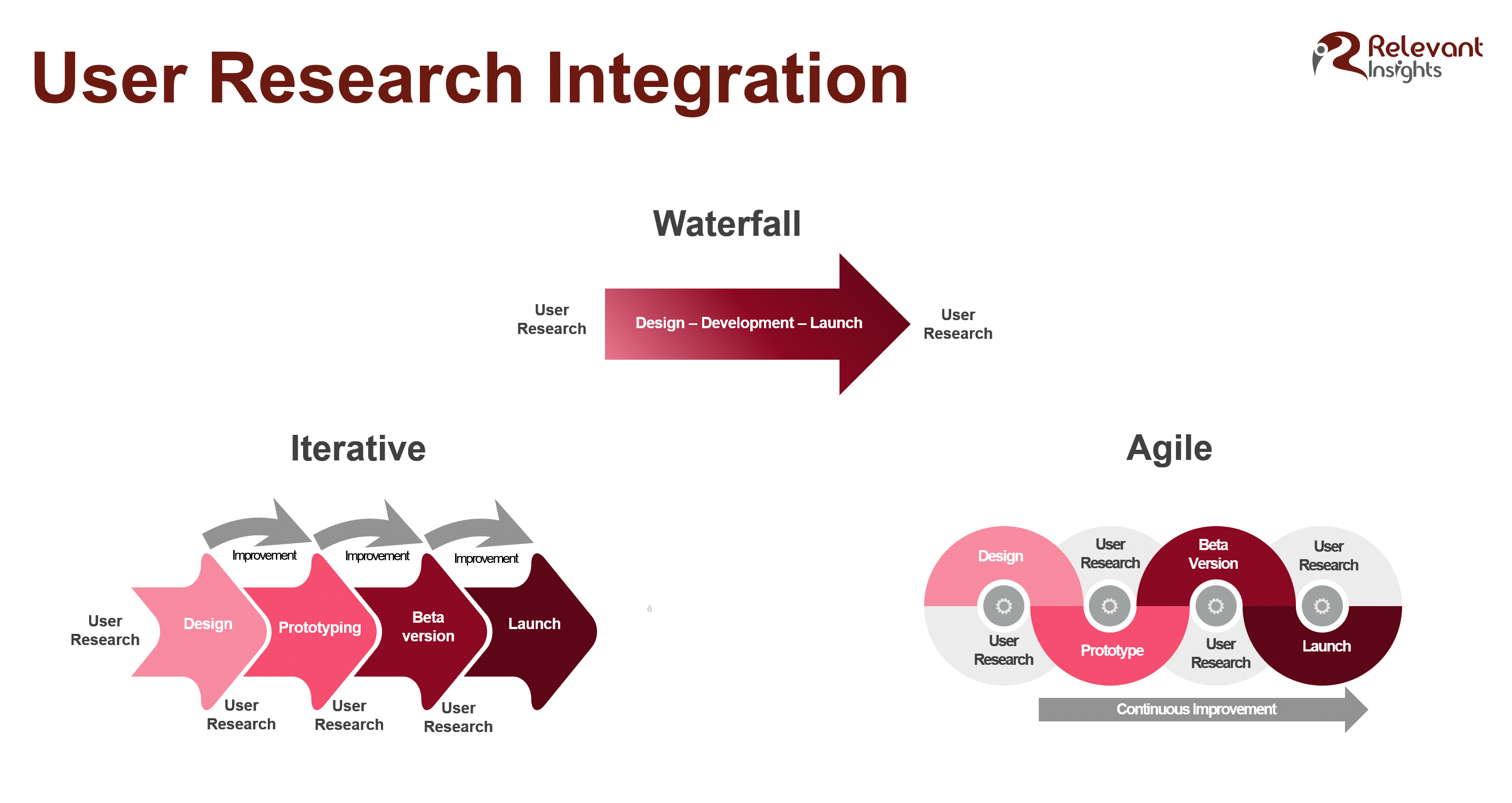
The role of a user research company has shifted significantly over the last several years. Historically, these firms were brought in at the end of a development cycle to "bless" a product via usability testing. Today, leading firms are integrated into the earliest stages of product discovery.
Current industry standards in 2026 emphasize continuous discovery. Instead of massive, six-month research reports that become obsolete before they are published, modern research companies provide ongoing "insight streams." This involves maintaining long-term panels of participants and using sophisticated synthesis tools to provide real-time feedback to product teams.
Furthermore, the rise of specialized research has led to the emergence of niche firms. While full-service agencies still dominate the enterprise market, we now see a surge in companies focusing exclusively on:
- Accessibility and Inclusive Design: Ensuring digital products meet global compliance standards and are usable by people with varying disabilities.
- Algorithmic Experience (AX): Researching how users perceive and interact with AI-driven recommendations and automated decision-making.
- Behavioral Economics: Applying psychological principles to understand the "why" behind user friction and conversion rates.
Top User Research Companies to Consider
Choosing a partner depends on your organization’s scale, budget, and specific research goals. Below are the leading firms categorized by their market position and primary expertise.
1. Nielsen Norman Group (NNg)
Widely considered the gold standard in UX rigor, NNg remains a dominant force in 2026. While they are heavily recognized for their training and certification, their consulting arm provides high-level strategic audits and expert reviews. They are the preferred choice for organizations looking for "evidence-based" design frameworks that are rooted in decades of psychological research.
2. AnswerLab
AnswerLab has solidified its position as the premier partner for Silicon Valley’s largest tech entities. They specialize in scaling research operations (ResearchOps) and providing managed services where they act as an extension of an internal team. Their strength lies in their ability to conduct global studies across diverse demographics with high speed and methodological consistency.
3. Blink UX (an Mphasis Company)
Blink focuses on "Evidence-Based Design." Following its acquisition by Mphasis, Blink has expanded its reach, combining deep ethnographic research with large-scale engineering capabilities. They are particularly effective for physical-digital hybrid products—such as automotive interfaces or medical devices—where the "user research" involves physical ergonomics as much as screen-based interaction.
4. UserTesting (Managed Services)
While UserTesting is primarily known as a software-as-a-service (SaaS) platform, their managed services division has become a major player for companies that have the budget but lack the internal headcount to run studies. They leverage their massive global panel to deliver rapid, unmoderated, and moderated insights, making them ideal for agile development environments.
5. Maze (Professional Services)
As a "continuous discovery" leader, Maze’s services division helps companies set up automated research loops. In 2026, they are the go-to for product-led growth companies that need to integrate research directly into their CI/CD (Continuous Integration/Continuous Deployment) pipelines.
Comparative Overview of Leading Research Firms
The following table provides a breakdown of the core competencies and typical engagement models for top-tier user research companies.
| Company Name | Primary Specialization | Ideal Client Profile | Key Methodology |
|---|---|---|---|
| Nielsen Norman Group | UX Strategy & Audits | Enterprise / Government | Expert Reviews, Heuristic Evaluation |
| AnswerLab | ResearchOps & Scaled Studies | Fortune 500 Tech | Moderated Usability, Global Panels |
| Blink UX | Evidence-Based Design | Healthcare, Automotive, IoT | Ethnography, Lab-based Testing |
| dscout | Remote Longitudinal Research | Consumer Goods, Retail | Diary Studies, Mobile Missions |
| UserTesting | Rapid Feedback / Scale | Mid-Market to Enterprise | Unmoderated Task Analysis |
| Anthro-Tech | Social Impact & Gov UX | Non-Profits, Public Sector | Accessibility, Participatory Design |
Key Methodologies Offered by Professional Research Firms
When engaging a user research company, you aren't just paying for data; you are paying for the selection and execution of the correct methodology. In 2026, these methodologies have become more technologically advanced.
Generative Research
This occurs at the beginning of the product lifecycle. Research companies use contextual inquiry and deep-dive interviews to uncover problems that users don't even know they have. The goal is to identify "white space" opportunities for innovation.
Evaluative Research
This is the "testing" phase. Firms use moderated usability sessions (where a researcher guides the participant) or unmoderated testing (where participants complete tasks on their own). Advanced firms now incorporate eye-tracking and biometric sensors to measure cognitive load and emotional response accurately.
Quantitative User Research
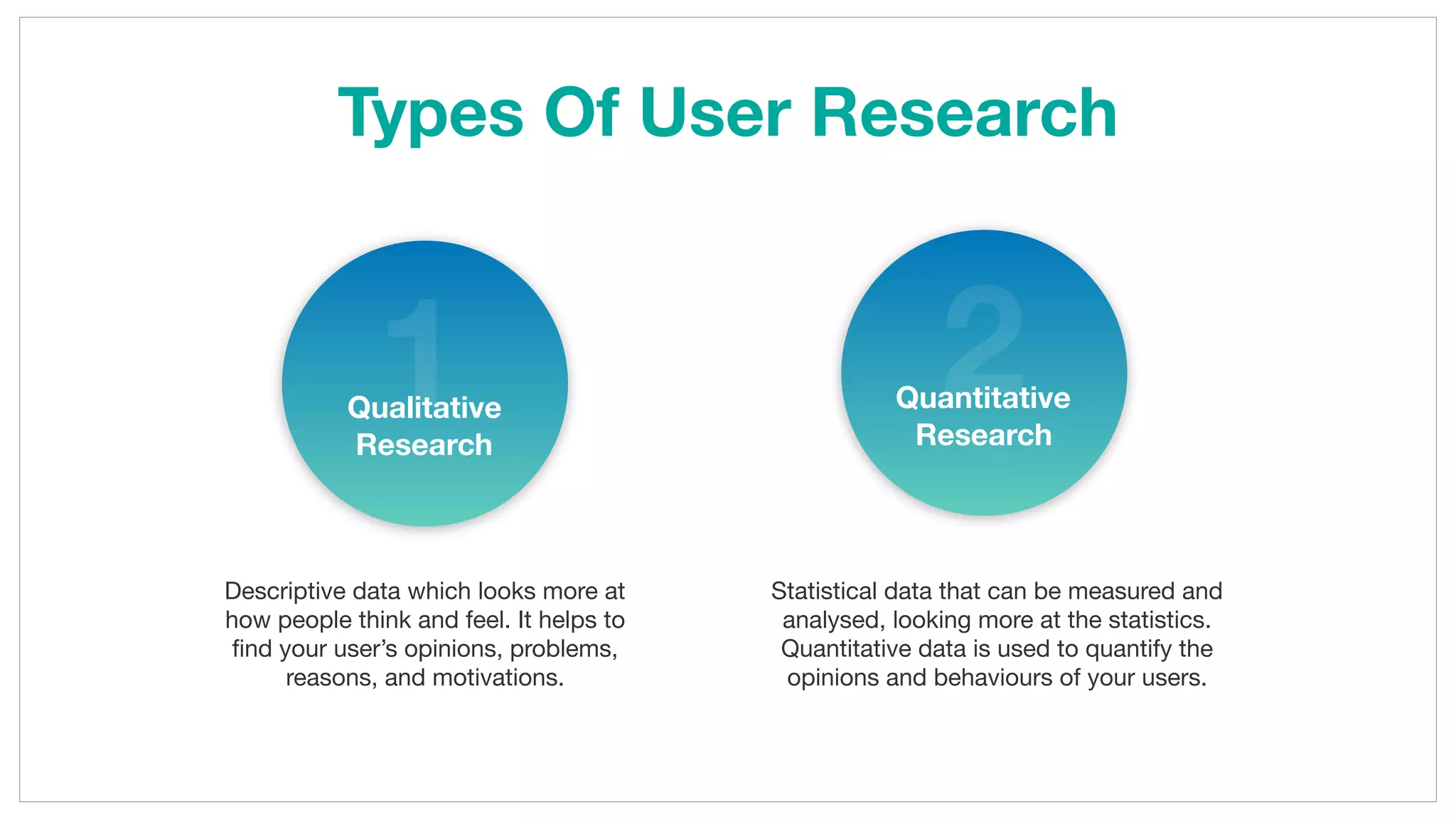
For products with large user bases, qualitative data (the "why") must be backed by quantitative data (the "how many"). Research companies use tree testing, card sorting, and large-scale surveys to provide statistical significance to their findings. In 2026, this often includes sentiment analysis powered by AI to process thousands of open-ended responses instantly.
The Role of Participant Recruitment
One of the primary reasons organizations hire a user research company instead of doing it in-house is recruitment. Finding the "right" users—especially those in niche B2B sectors or specific medical demographics—is notoriously difficult.
Professional research firms maintain proprietary databases or use advanced screening tools to ensure participants are "fresh" (not professional survey-takers) and meet exact behavioral criteria. They handle the legal and logistical complexities of:
- Incentive distribution and tax reporting (1099-K compliance).
- NDA (Non-Disclosure Agreement) management.
- PII (Personally Identifiable Information) protection under GDPR and CCPA/CPRA.
- Accessibility accommodations for participants with disabilities.
Pricing Models and Engagement Costs
The cost of hiring a user research company in 2026 varies based on the complexity of the recruitment and the depth of the analysis.
- Project-Based (Tactical): A single usability study with 8–10 participants, including recruitment, moderation, and a final report, typically ranges from $15,000 to $30,000.
- Strategic Discovery (Foundational): A multi-week ethnographic study involving field visits, stakeholder workshops, and journey mapping can range from $50,000 to $150,000.
- Retainer/Managed Services: For ongoing support, many firms offer subscription-based models. These usually start at $10,000 per month and provide a dedicated number of research hours or "credits" to be used across various projects.
Common Pitfalls When Hiring a Research Firm
To maximize the return on investment (ROI), organizations should avoid these common mistakes:
- Vague Objectives: Research firms are scientists, not magicians. If you ask them to "tell us what users think," you will get a generic report. If you ask, "Why are users dropping off at the payment confirmation screen?" you will get actionable insights.
- Ignoring the "Action" Plan: A common failure is receiving a 100-page slide deck that no one reads. Ensure your contract includes a synthesis workshop where the researchers help your designers and developers translate findings into a prioritized backlog.
- Over-Recruiting: Organizations often think they need 50 users for a usability test. Research pioneers like Jakob Nielsen have proven that 5 participants usually uncover 85% of usability problems. A good research company will push back on excessive sample sizes for qualitative work to save you money.
Frequently Asked Questions
What is the difference between a market research company and a user research company?
Market research focuses on buying behavior, brand perception, and market size (What will people buy?). User research focuses on interaction behavior, task completion, and mental models (How do people use it?). While they overlap, user research is more closely tied to product design and engineering.
Do research companies provide the participants?
Yes, most full-service user research companies handle recruitment as part of their package. They either have an internal database or use specialized recruiting partners to find participants that match your target persona exactly.
How long does a typical user research project take?
A tactical usability study can be completed in 2 to 4 weeks. A deep generative or foundational research project usually takes 8 to 12 weeks, depending on the difficulty of recruiting participants and the geographic scope of the study.
Can user research companies work with unreleased or confidential prototypes?
Absolutely. Professional firms have rigorous security protocols for handling IP. They use secure testing environments (like protected Figma links or specialized research browsers) and ensure all participants sign legally binding non-disclosure agreements before seeing any designs.
Is AI replacing user research companies in 2026?
AI is not replacing the companies; it is augmenting them. Research firms now use AI to transcribe interviews, identify themes across dozens of hours of video, and generate initial draft reports. However, the human interpretation of why a user feels frustrated or why a specific cultural nuance matters still requires expert human researchers.
Strategic Recommendation for 2026
If your organization is just beginning its research journey, start with a mixed-methods approach. Hire a firm to conduct a "UX Audit" of your existing product while simultaneously running a small generative study on your future roadmap. This provides immediate tactical wins (fixing current bugs) while informing long-term strategy. For large enterprises, the focus should be on centralization—hiring a firm that can help you build an internal "Insights Library" so that research conducted in the marketing department isn't lost to the product department.
Image Gallery