Understanding the Nuclear Energy Carbon Footprint: A Complete Life Cycle Analysis
Nuclear energy has one of the lowest carbon footprints of any power source, with a median lifecycle emission rate ranging from 5 to 12 grams of carbon dioxide equivalent per kilowatt-hour (gCO2eq/kWh). While the fission process itself...
Nuclear energy has one of the lowest carbon footprints of any power source, with a median lifecycle emission rate ranging from 5 to 12 grams of carbon dioxide equivalent per kilowatt-hour (gCO2eq/kWh). While the fission process itself produces no direct greenhouse gases, emissions are generated during uranium mining, fuel enrichment, plant construction, and decommissioning.
Contents
The Concept of Life Cycle Assessment (LCA) in Nuclear Power
To truly understand the nuclear energy carbon footprint, one must look beyond the cooling towers. Unlike fossil fuel plants, which release the bulk of their emissions during the combustion of coal or gas, nuclear power plants generate nearly all their emissions during the "upstream" and "downstream" phases of their life cycle. This is measured through a Life Cycle Assessment (LCA), a standardized method for evaluating the environmental impacts associated with all stages of a product's life.
In 2026, as nations strive to meet updated Paris Agreement targets, the LCA approach has become the gold standard for energy policy. It accounts for the carbon "debt" incurred during the massive pours of concrete and steel required for containment structures, as well as the energy-intensive process of isotope separation during uranium enrichment. When analyzed this way, nuclear energy consistently performs on par with—and often better than—wind and solar power in terms of total carbon intensity.
Breaking Down the Stages of the Nuclear Carbon Footprint
The carbon footprint of nuclear energy is not a static number; it is a sum of several distinct industrial processes. Each stage contributes a different percentage to the total gCO2eq/kWh, depending on the technology used and the source of the energy powering the supply chain.
Uranium Mining and Milling
Uranium is the primary fuel for nuclear reactors. The extraction process involves open-pit mining, underground mining, or in-situ leaching (ISL). Because mining equipment and transport vehicles typically run on diesel, this stage introduces carbon into the cycle. The concentration of uranium in the ore (the "ore grade") is a critical variable. High-grade ores require less energy to process per kilogram of uranium, resulting in a lower carbon footprint. As high-grade deposits are depleted, the industry in 2026 has increasingly turned to electrified mining fleets and advanced leaching techniques to keep the carbon intensity of extraction low.
Conversion and Enrichment
Once mined, uranium must be converted into a gas (uranium hexafluoride) and enriched to increase the concentration of the U-235 isotope. Enrichment is historically the most energy-intensive part of the nuclear fuel cycle.
Two primary methods exist: Gaseous Diffusion and Gas Centrifuge. Diffusion is extremely energy-hungry and is largely obsolete. Modern centrifuge technology, which is the standard in 2026, uses roughly 50 times less electricity than diffusion. The carbon footprint of this stage depends heavily on the "carbon intensity" of the electricity grid powering the enrichment facility. If a centrifuge plant is powered by a clean grid (such as in France or Sweden), the footprint is negligible. If it is powered by a coal-heavy grid, the footprint of the resulting fuel rises.
Plant Construction and Materials
Nuclear reactors are massive infrastructure projects. They require significant volumes of specialized concrete, high-grade steel, and other alloys. The production of cement and steel is a carbon-intensive industrial process. This "upfront" carbon cost is often cited by critics, but it must be amortized over the operating life of the plant. Because modern nuclear plants are designed to operate for 60 to 80 years, their carbon-intensity-per-year is extremely low compared to facilities with shorter lifespans.
Operations and Maintenance
During the 40 to 80 years a plant is operational, its direct emissions are virtually zero. Carbon contributions during this phase come from backup diesel generators (which are tested periodically), maintenance vehicles, and the daily commute of the specialized workforce. In the context of total lifecycle emissions, the operational phase is the smallest contributor.
Decommissioning and Waste Management
At the end of a reactor's life, it must be dismantled, and the site must be restored. This involves heavy machinery and the transport of components. Furthermore, the long-term storage of spent nuclear fuel requires the construction of deep geological repositories (DGRs). While these are significant engineering feats, their contribution to the total carbon footprint is estimated to be less than 1% of the total lifecycle emissions due to the massive amount of energy the plant produced during its lifetime.
Comparative Carbon Intensity of Energy Sources
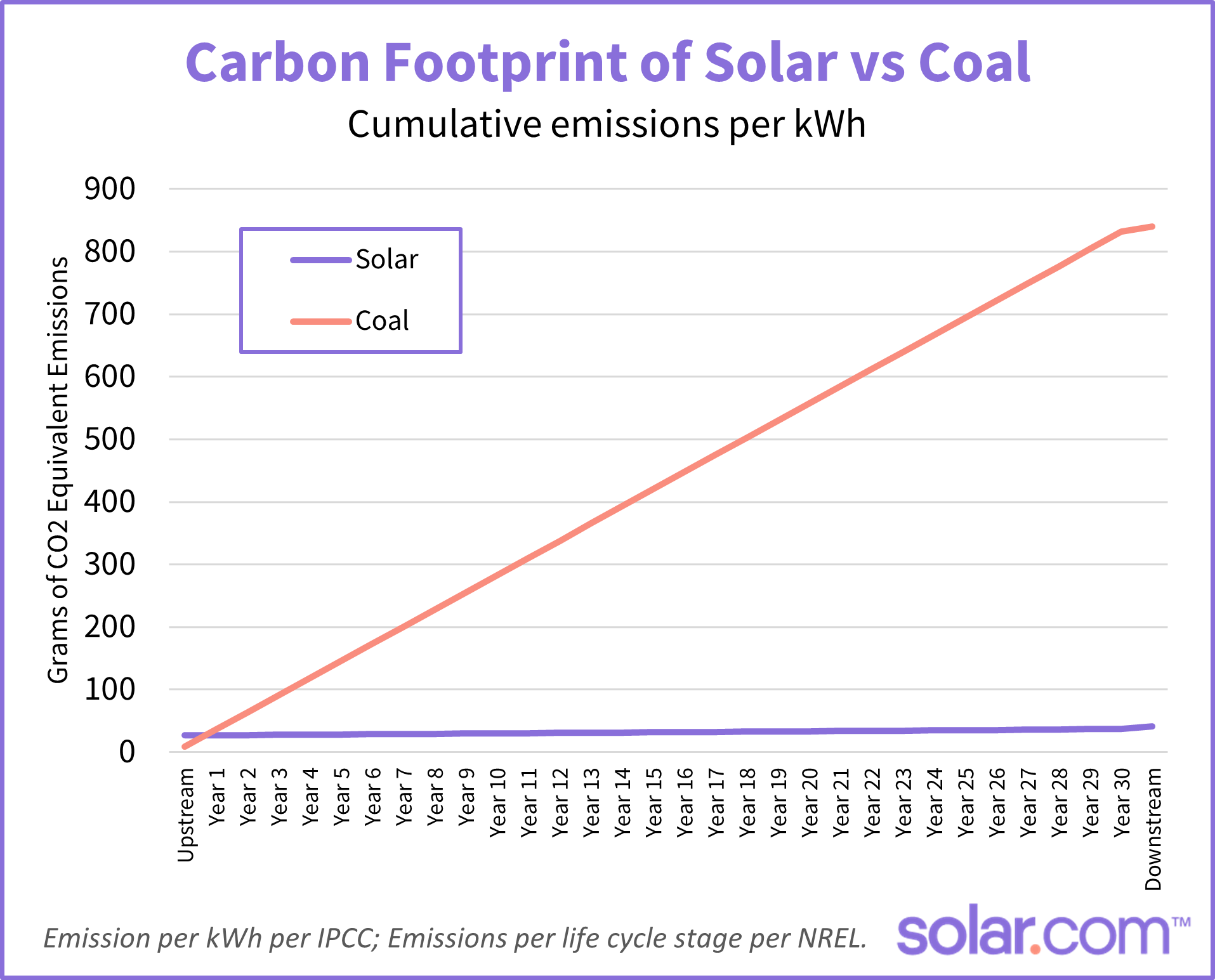
To provide context for the nuclear energy carbon footprint, it is necessary to compare it against other forms of generation. The following data is based on synthesized reports from the United Nations Economic Commission for Europe (UNECE) and the Intergovernmental Panel on Climate Change (IPCC), adjusted for 2026 technological benchmarks.
| Energy Source | Median Lifecycle Emissions (gCO2eq/kWh) | Primary Emission Drivers |
|---|---|---|
| Coal | 820 | Fuel combustion, methane leakage |
| Natural Gas | 490 | Fuel combustion, methane leakage |
| Solar PV (Utility) | 27–48 | Silicon manufacturing, mineral extraction |
| Wind (Offshore) | 12 | Steel and concrete for foundations |
| Nuclear Power | 5–12 | Uranium enrichment, plant construction |
| Hydropower | 6–24 | Concrete for dams, reservoir methane |
The table illustrates that nuclear energy resides at the absolute bottom of the carbon intensity scale, frequently outperforming solar and matching or beating wind energy. The primary reason for nuclear’s edge over solar is the sheer density of the energy produced; a single nuclear plant produces a vast amount of electricity relative to the amount of material (steel/concrete) used in its construction.
Factors Influencing the Variability of Nuclear Carbon Data
While the median figures are low, the nuclear energy carbon footprint can fluctuate based on specific regional and technological factors. Understanding these variables is essential for a technical grasp of the subject.
- Ore Grade Sensitivity: If the industry were forced to use very low-grade uranium ores without improving extraction technology, the energy required for mining could increase. However, current trends in 2026 show that seawater extraction and secondary fuel cycles (recycled fuel) are mitigating this risk.
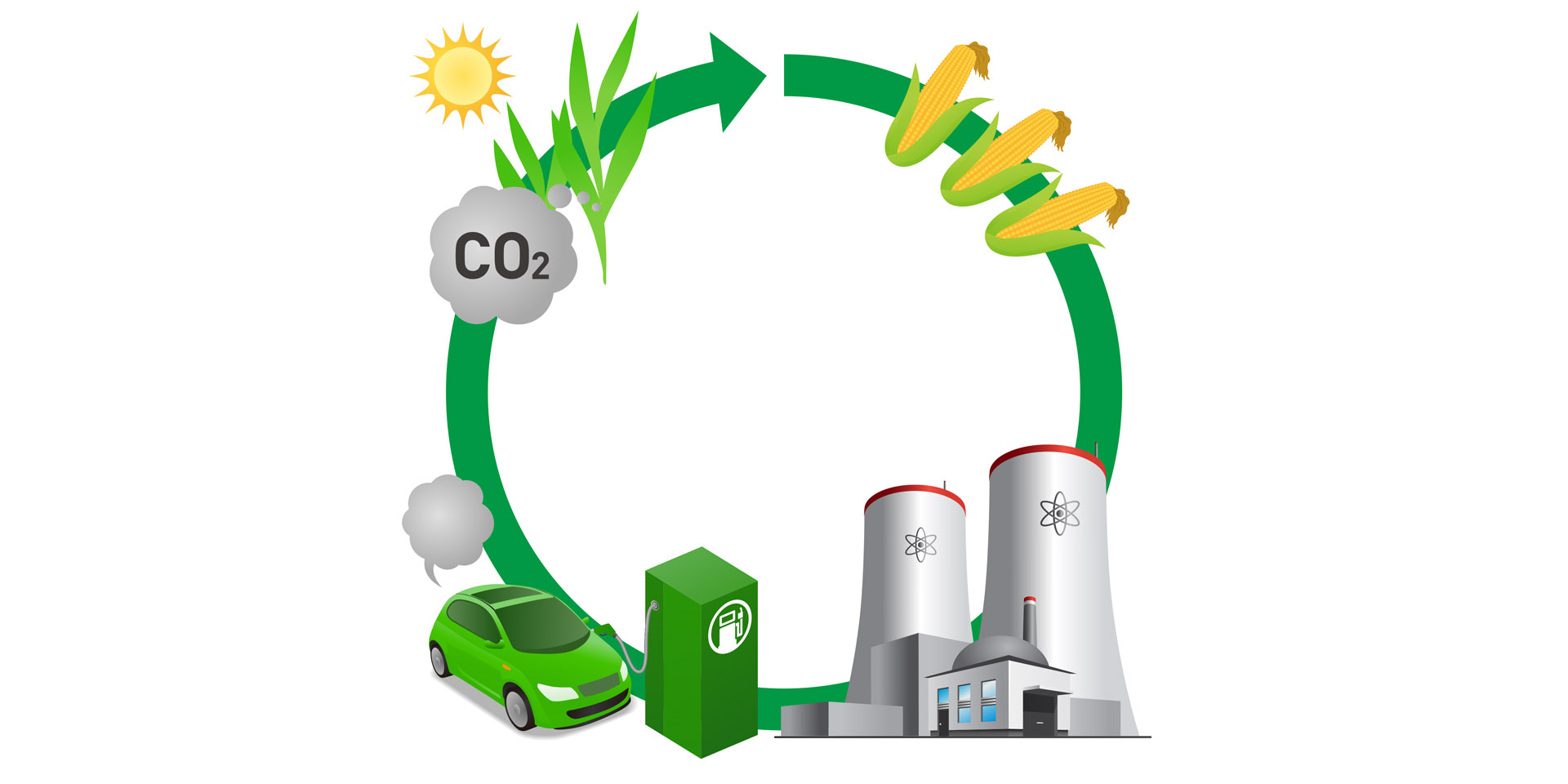
- Enrichment Electricity Mix: A nuclear plant's footprint is "inherited" from the grid that fueled its creation. As global grids decarbonize, the carbon footprint of future nuclear fuel naturally drops. This is a "virtuous cycle" where clean energy makes the production of more clean energy even cleaner.
- Thermal Efficiency: Advanced reactor designs, such as High-Temperature Gas-Cooled Reactors (HTGRs), operate at higher temperatures than traditional Light Water Reactors (LWRs). Higher thermal efficiency means more electricity is generated from the same amount of fuel and material, further diluting the carbon footprint.
- Plant Longevity: A reactor that operates for 80 years has half the "construction carbon" per kWh of a reactor that operates for 40 years. The trend in 2026 toward Subsequent License Renewals (SLR) is a major factor in keeping the nuclear carbon footprint at its record low.
Small Modular Reactors (SMRs) and 2026 Developments
In 2026, the deployment of Small Modular Reactors (SMRs) has introduced new considerations into the carbon footprint dialogue. SMRs are designed for factory fabrication, which allows for tighter quality control and potentially less material waste than traditional "stick-built" large-scale plants.
While SMRs use more steel and concrete per megawatt of capacity compared to large reactors (due to loss of economies of scale in material volume), they offer a faster "carbon payback time." Their ability to integrate with industrial processes—providing carbon-free heat for hydrogen production or desalination—helps decarbonize other sectors, making their net societal carbon impact even more favorable.
Addressing Common Misconceptions
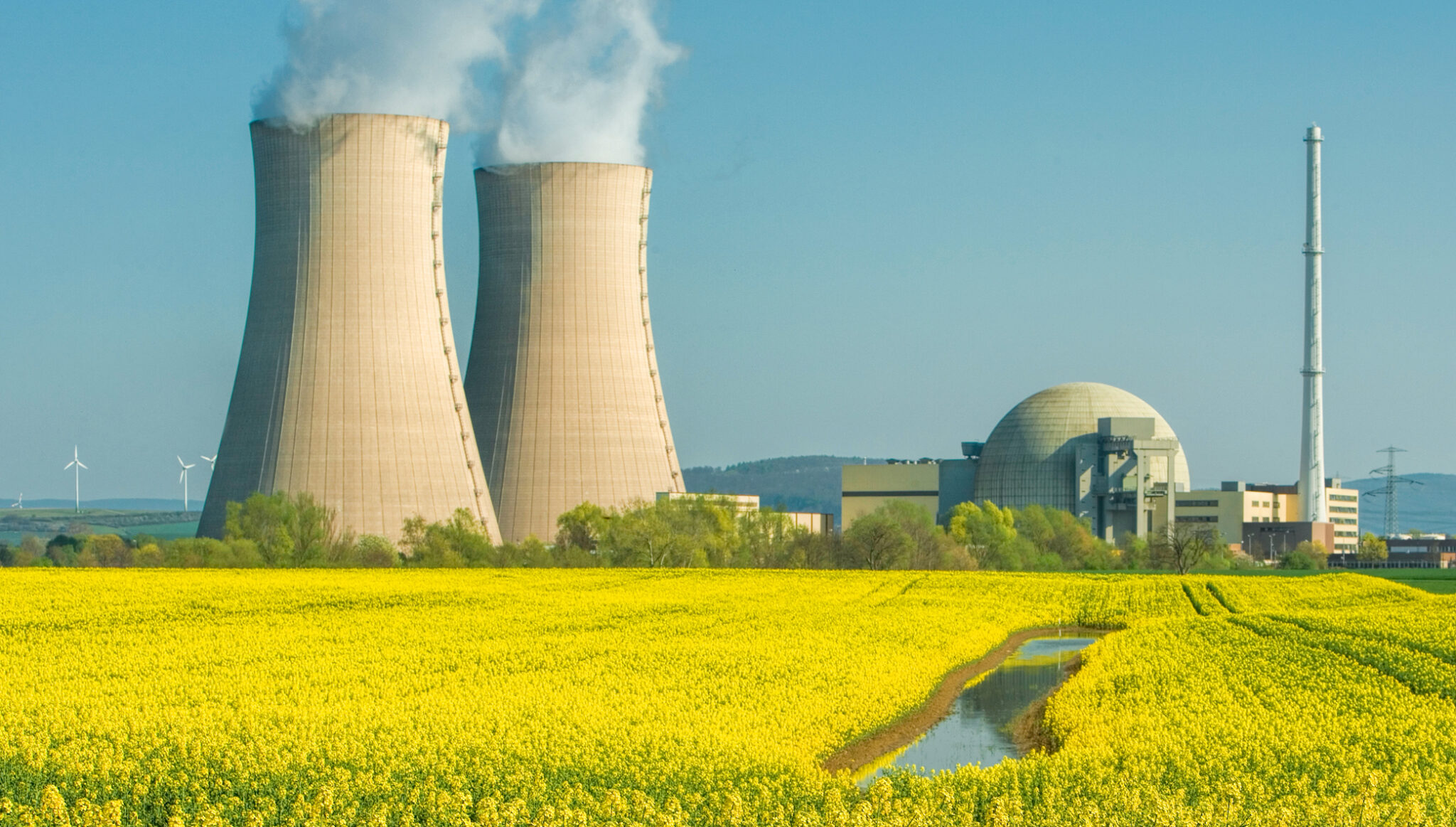
One frequent misunderstanding is the confusion between water vapor and greenhouse gases. The large plumes seen rising from nuclear cooling towers are purely water vapor. While water vapor is technically a greenhouse gas, it is part of the short-term hydrological cycle and does not contribute to long-term global warming in the way that CO2 or methane does.
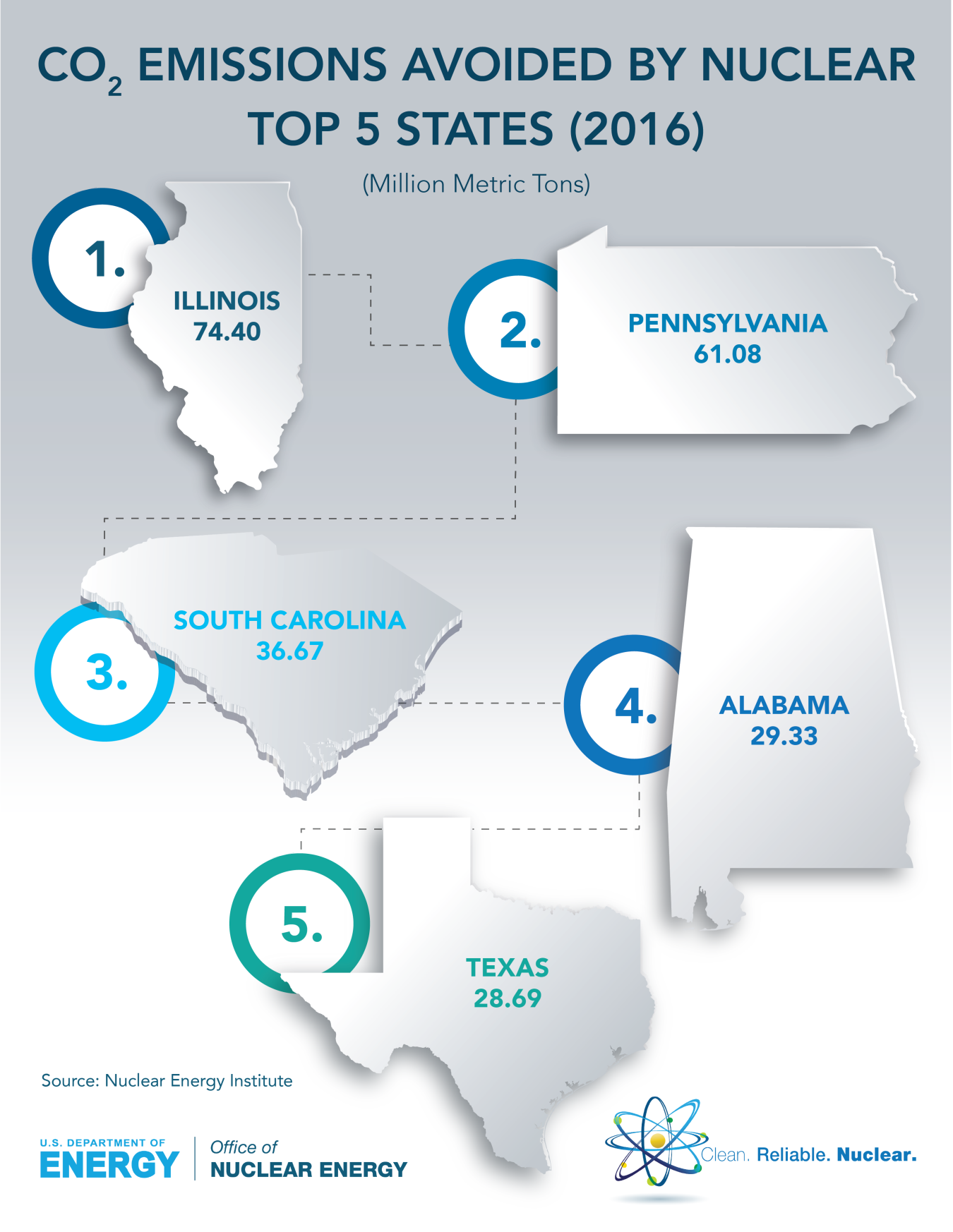
Another misconception involves the carbon cost of nuclear waste. While the security and containment of waste are high-priority safety issues, the physical volume of waste is remarkably small. The total amount of spent fuel produced by the US nuclear industry over 60 years would fit on a single football field to a height of less than 10 yards. Consequently, the carbon footprint associated with moving and burying this volume is statistically negligible when compared to the billions of tons of CO2 prevented by the plant's operation.
FAQ
Is nuclear energy considered "zero-carbon"?
Technically, no energy source is zero-carbon when the entire life cycle is considered. However, nuclear is classified as a low-carbon energy source because it does not emit CO2 during electricity generation. Its lifecycle emissions are among the lowest of all known technologies.
How does the carbon footprint of nuclear compare to solar power?
According to UNECE data, nuclear energy often has a lower carbon footprint than solar PV. This is largely because solar panel manufacturing—particularly the purification of silicon—is energy-intensive and often takes place in regions with carbon-heavy electricity grids.
Does the carbon footprint increase as uranium mines are depleted?
While processing lower-grade ore requires more energy, the impact on the total carbon footprint is minimal. Even if mining energy doubled, the lifecycle emissions of nuclear would still remain far below those of fossil fuels. Furthermore, enrichment improvements and fuel recycling are counteracting the impact of declining ore grades.
What is "Energy Return on Investment" (EROI) and why does it matter?
EROI measures how much energy a source produces compared to the energy required to build and fuel it. Nuclear energy has one of the highest EROI ratios, often exceeding 75:1. A high EROI typically correlates with a low carbon footprint, as less energy is wasted in the production process.
Does building new nuclear plants "cost" too much carbon upfront?
While construction creates an initial carbon debt, the "carbon payback period" for a nuclear plant is typically less than two to three years of operation. Given that these plants operate for 60 to 80 years, the upfront cost is a sound environmental investment.
Practical Recommendations for Stakeholders
For policymakers and energy planners in 2026, the evidence suggests that nuclear energy is a critical tool for deep decarbonization. To minimize the nuclear carbon footprint further, the following actions are recommended:
- Prioritize Centrifuge Enrichment: Ensure that all fuel is sourced from facilities using modern, high-efficiency centrifuge technology.
- Decarbonize the Supply Chain: Encourage the use of low-carbon heat and electricity in the production of cement and steel used for reactor containment.
- Extend Plant Lifetimes: Supporting the continued operation of existing plants is the single most effective way to maintain a low-carbon grid, as the construction "carbon debt" has already been paid.
- Invest in SMRs for Industrial Heat: Use nuclear energy not just for the grid, but to replace fossil-fuel-powered heat in heavy industry, where carbon footprints are traditionally hardest to reduce.
Image Gallery