Cost of a $25,000 Whole Life Insurance Policy for a 61-Year-Old Female
In 2026, a 61-year-old female can expect to pay between $70 and $115 per month for a $25,000 whole life insurance policy. Exact rates depend on health status, tobacco usage, and the specific underwriting class. For those in excellent h...
In 2026, a 61-year-old female can expect to pay between $70 and $115 per month for a $25,000 whole life insurance policy. Exact rates depend on health status, tobacco usage, and the specific underwriting class. For those in excellent health, premiums may drop toward the lower end of that range.
Contents
Understanding Whole Life Insurance at Age 61
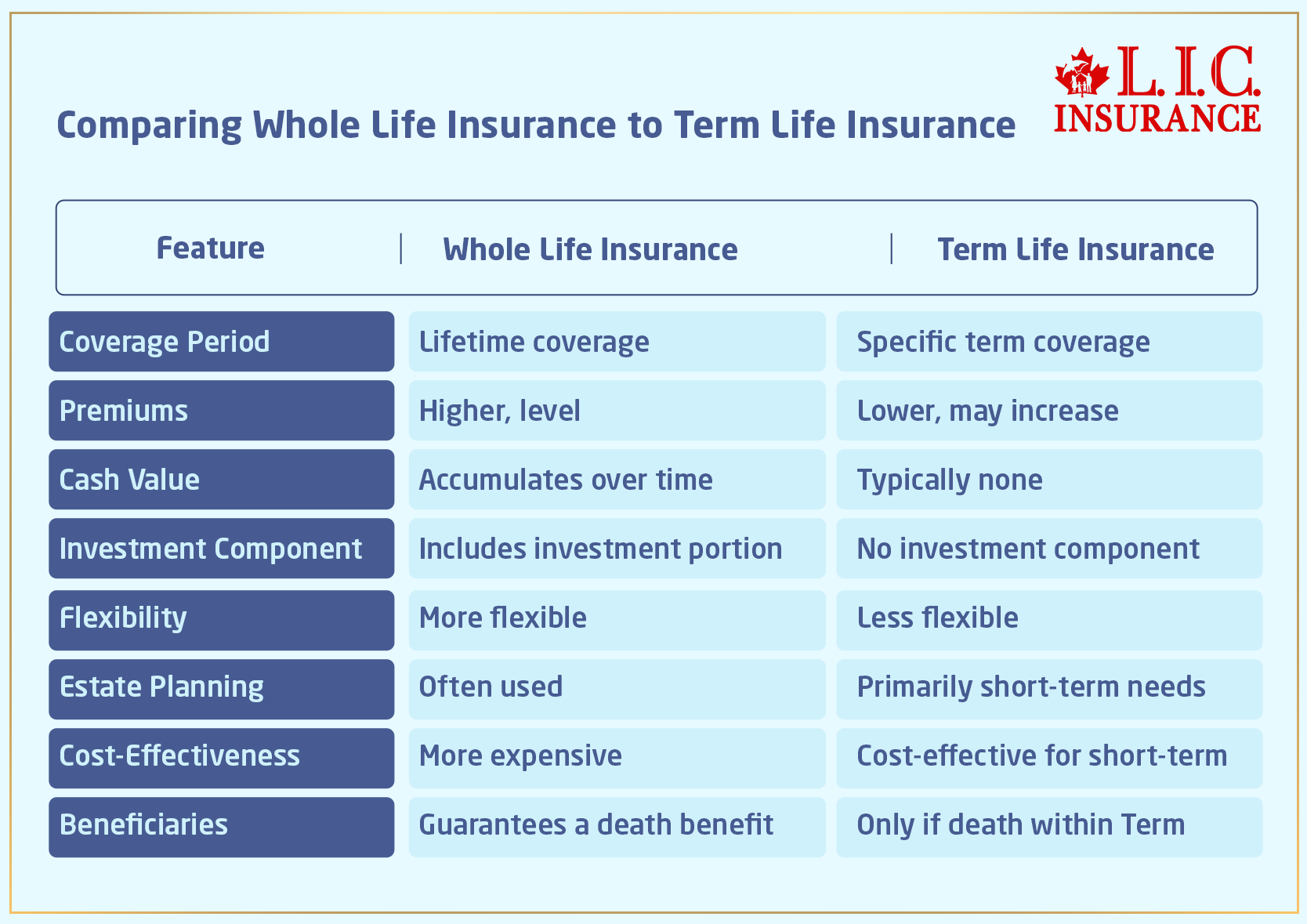
At age 61, many women begin evaluating their long-term financial legacy and end-of-life expenses. A $25,000 whole life policy is frequently categorized as "final expense" or "burial insurance" because the face amount is specifically designed to cover funeral costs, remaining medical bills, and small outstanding debts. Unlike term insurance, which expires after a set period (usually 10 to 20 years), whole life insurance is permanent. As long as the premiums are paid, the policy remains in force for the remainder of the insured's life.
For a woman entering her 60s, whole life insurance offers three primary guarantees:
- Fixed Premiums: The monthly cost will never increase, regardless of age or declining health.
- Death Benefit Guarantee: The $25,000 payout is guaranteed to be paid to beneficiaries, provided the policy is active.
- Cash Value Accumulation: A portion of each premium grows at a tax-deferred rate, which can be borrowed against in the future if needed.
Estimated Monthly Premiums for a $25,000 Policy
Pricing for life insurance is highly individualized. In 2026, insurance carriers use sophisticated actuarial tables that reflect current life expectancy trends for women. Historically, women have longer life expectancies than men, which generally results in lower premiums for females of the same age.
The following table provides a breakdown of estimated monthly costs for a $25,000 whole life policy for a 61-year-old female, based on different health tiers and tobacco usage.
2026 Estimated Monthly Premiums (Female, Age 61)
| Health Category | Non-Tobacco User | Tobacco User |
|---|---|---|
| Preferred Plus (Excellent Health) | $68.00 – $76.00 | $98.00 – $112.00 |
| Standard (Average Health) | $82.00 – $95.00 | $115.00 – $135.00 |
| Graded/Modified (Pre-existing Conditions) | $105.00 – $125.00 | $140.00 – $165.00 |
Note: These figures are estimates based on market trends for 2026 and may vary by state and carrier.
Factors Influencing the Cost of Coverage
Several critical factors determine where an applicant falls within the pricing spectrum. Understanding these variables can help a 61-year-old female prepare for the application process and secure the most competitive rate.
Health Status and Medical Underwriting
Most $25,000 policies utilize "Simplified Issue" underwriting. This means the applicant does not have to undergo a medical exam or provide blood samples. Instead, they answer a series of health questions and the insurance company reviews their prescription drug history through a national database.
Common conditions that can influence the premium include:
- Cardiovascular Health: History of heart attack, stroke, or high blood pressure.
- Diabetes: Age of onset and whether insulin is required.
- Respiratory Issues: Chronic Obstructive Pulmonary Disease (COPD) often leads to higher rates or "Graded" plans.
- Neurological Conditions: Early-stage dementia or Parkinson’s disease may limit options to guaranteed issue policies.
Tobacco and Nicotine Usage
Tobacco use remains one of the most significant price drivers. Even at age 61, a woman who smokes or uses nicotine products can expect to pay 30% to 50% more than a non-smoker. Some carriers define "non-tobacco" as being nicotine-free for at least 12 to 24 months. If you use occasional cigars or alternative nicotine delivery systems, it is vital to check specific carrier guidelines, as some are more lenient than others.
Policy Type: Level vs. Graded Benefits
When applying for a $25,000 policy, the "plan type" assigned by the underwriter affects the cost and the payout structure:
- Level Benefit: The full $25,000 is available starting on day one. This is available to those in relatively good health.
- Graded/Modified Benefit: If the applicant has significant health issues, the carrier may offer a policy where the full death benefit is only paid after the policy has been active for two or three years. If death occurs during the waiting period, beneficiaries usually receive the premiums paid plus a small amount of interest (typically 10%).
Why Choose a $25,000 Benefit Amount?
While $25,000 may seem modest compared to million-dollar term policies, it serves a specific strategic purpose for seniors. According to the National Funeral Directors Association (NFDA), the median cost of a funeral with viewing and burial continues to rise, often exceeding $10,000-$12,000. When factoring in a headstone, cemetery plot, and obituary notices, $25,000 provides a comfortable cushion that ensures family members are not burdened with immediate expenses.
Furthermore, a $25,000 policy can serve as a "mini-legacy." After funeral costs are settled, the remaining $10,000 to $12,000 can be used by a beneficiary to pay off a small credit card balance or serve as a final gift to grandchildren for educational purposes.
Comparing Whole Life to Other Options at Age 61
Before committing to a whole life policy, it is important to understand how it compares to alternative insurance products available in 2026.
Whole Life vs. Term Life
Term life insurance is significantly cheaper for the same $25,000 death benefit. However, most term policies for seniors have a maximum age limit or become prohibitively expensive once the term ends. For a 61-year-old, a 10-year term policy might only cost $25 per month, but if the insured lives to age 72, the coverage disappears exactly when it might be needed most. Whole life is generally preferred for final expenses because it eliminates the risk of outliving the policy.
Whole Life vs. Guaranteed Issue
Guaranteed Issue (GI) policies require no health questions at all. While this sounds appealing, GI policies are usually the most expensive way to buy $25,000 of coverage and always come with a 2-year waiting period. A 61-year-old female should only consider Guaranteed Issue if she has been declined for simplified issue coverage due to severe health issues like active cancer or terminal illness.
The Application Process in 2026
The process of securing life insurance has become increasingly streamlined. Most applications for a $25,000 policy can be completed over the phone or through a secure digital portal.
- Needs Assessment: Confirm that $25,000 is the correct amount by totaling current debts and anticipated funeral costs.
- Quote Comparison: Use a broker who can access multiple carriers. Rates for a 61-year-old female vary significantly between companies like Mutual of Omaha, Aetna, or specialized senior carriers.
- The Interview: Answer the medical questionnaire honestly. Misrepresenting health history can lead to a claim denial later.
- Database Check: The insurer will instantly check the Medical Information Bureau (MIB) and prescription records.
- Approval: In many cases, approval is received within minutes or hours. Once the first premium is paid, the coverage is active.
Common Mistakes to Avoid
When shopping for insurance at age 61, avoid these common pitfalls:
- Waiting Too Long: Rates increase with every birthday. A 61-year-old woman will pay less than she will at age 62, and her health is likely at its peak right now.
- Ignoring the "Free Look" Period: Most states mandate a 10- to 30-day "free look" period. If you find a better rate or change your mind after receiving the policy, you can cancel for a full refund of any premiums paid.
- Over-insuring: While more coverage is usually better, it must be affordable. It is better to have a $15,000 policy you can keep forever than a $25,000 policy you are forced to cancel in three years because the premium is too high.
Frequently Asked Questions
Can I get a $25,000 policy if I have high blood pressure?
Yes. Most insurance companies view controlled high blood pressure as a standard health risk. If your blood pressure is managed with medication and you have no other major complications, you will likely qualify for "Level" coverage at standard or even preferred rates.
How does tobacco use affect my rates at 61?
Tobacco use (including cigarettes, vaping, and chewing tobacco) significantly increases the risk of cardiovascular and respiratory issues. For a 61-year-old female, smoking can increase the monthly premium by $30 to $50 compared to a non-smoker. If you have quit smoking for at least 12 months, you should apply as a non-smoker to save money.
Will the cash value in the policy be paid to my beneficiaries?
Generally, no. When the insured passes away, the beneficiaries receive the face amount of the policy ($25,000). The cash value is a living benefit that remains with the insurance company upon death unless a specific "cash value rider" was added to the policy at the time of purchase.
Is a medical exam required for this amount of coverage?
For a $25,000 policy, a medical exam is rarely required. Most carriers use "Simplified Issue" underwriting, which relies on a health questionnaire and a review of your medical and prescription history. This makes the process much faster and less invasive than traditional life insurance.
Can I change my beneficiary later?
Yes. Most whole life policies allow you to change your beneficiary at any time by filing a simple change-of-beneficiary form with the insurance company. This is important if your family dynamics change due to marriage, divorce, or the passing of a loved one.
Practical Recommendation
For a 61-year-old female seeking a $25,000 whole life policy, the most cost-effective path is to seek simplified issue coverage through an independent agency. Avoid "Guaranteed Issue" plans unless you have a serious medical condition that prevents you from answering "no" to basic health questions. By securing a policy in 2026, you lock in a rate that will never change, ensuring that your final expenses are handled with dignity and without financial strain on your survivors. Always compare at least three quotes to ensure you are receiving the best possible rate for your specific health profile.
Image Gallery