Texas Auto Insurance Requirements for New Cars: A Complete 2026 Guide
In Texas, drivers must demonstrate "financial responsibility" to operate a new vehicle, which is typically achieved through an auto insurance policy meeting state-mandated minimums. Owners of new cars must carry at least $30,000 for in...
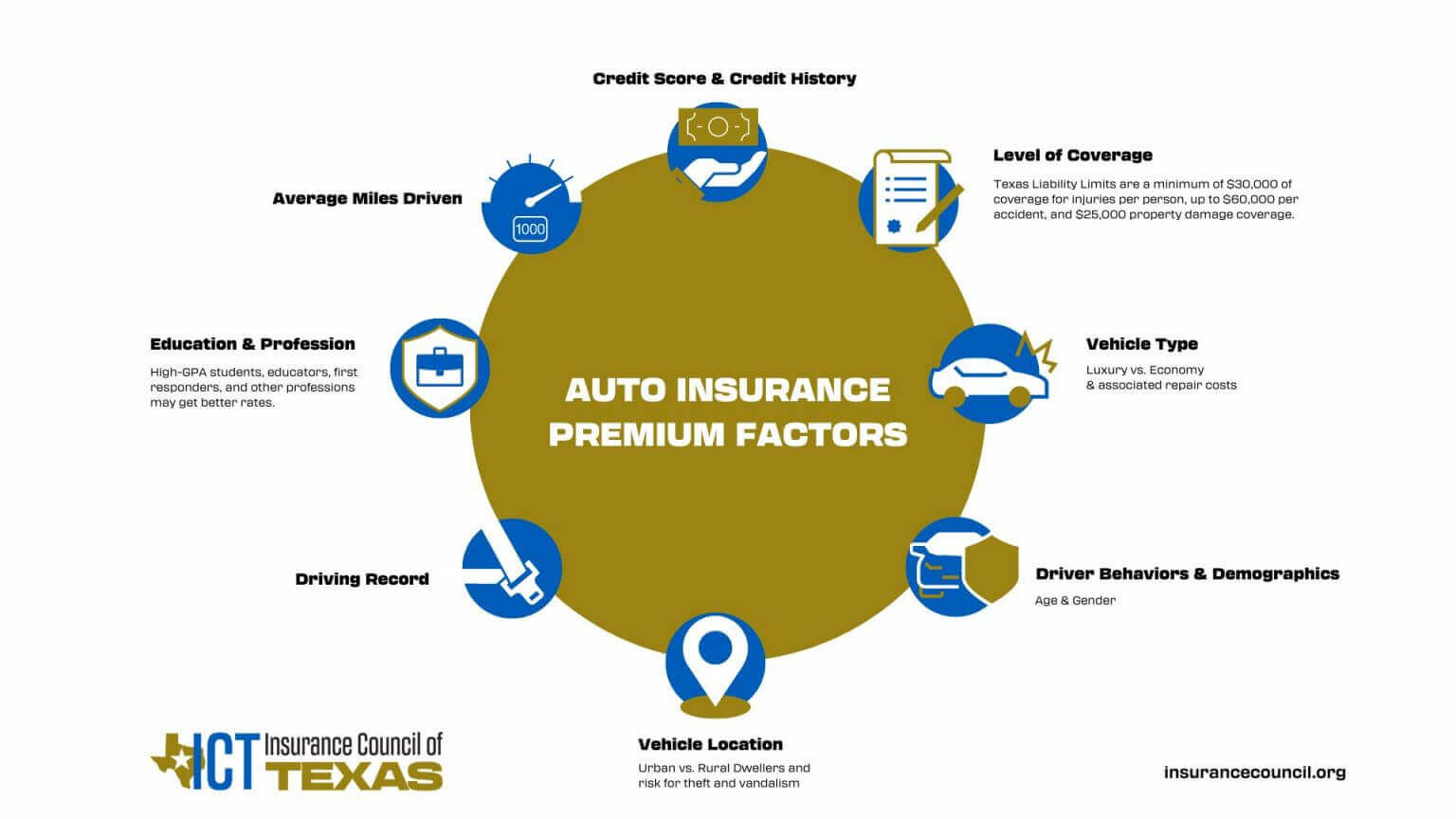
In Texas, drivers must demonstrate "financial responsibility" to operate a new vehicle, which is typically achieved through an auto insurance policy meeting state-mandated minimums. Owners of new cars must carry at least $30,000 for individual bodily injury, $60,000 for total per-accident injury, and $25,000 for property damage, though lienholders often require additional comprehensive and collision coverage.
Contents
Texas operates under an "at-fault" system, meaning the driver responsible for an accident is liable for the resulting damages. For those purchasing a new vehicle in 2026, the transition from the dealership to the driveway involves navigating both state statutes and the contractual obligations imposed by automotive lenders. This guide details the specific legal requirements, the types of coverage necessary for financed vehicles, and the practical steps for verifying and maintaining compliance in the Lone Star State.
Mandatory Liability Limits in Texas (30/60/25)
The cornerstone of Texas auto insurance law is the requirement for liability coverage. Liability insurance does not pay for your own injuries or the damage to your new car; rather, it pays for the medical bills and property repairs of others if you are found at fault in an accident. Texas law, enforced by the Texas Department of Insurance (TDI), mandates the "30/60/25" rule.
Bodily Injury Liability ($30,000 per person / $60,000 per accident): This coverage is triggered if you cause an accident that injures another person. The $30,000 limit is the maximum your insurer will pay for a single person’s medical expenses, lost wages, or funeral costs. The $60,000 limit is the total pool available for all injured parties in a single event. Given the rising costs of healthcare in 2026, these state minimums are frequently insufficient to cover serious injuries, leaving the driver personally liable for any excess.
Property Damage Liability ($25,000 per accident): This portion of the policy covers damage you cause to someone else's property, such as their vehicle, a fence, or a storefront. While $25,000 was once a standard benchmark, the average price of a new vehicle in 2026 often exceeds this amount. If you total a late-model SUV or an electric vehicle, a $25,000 policy will likely fall short, potentially resulting in lawsuits or asset garnishment to cover the remaining balance.
Financial Requirements for Financed or Leased New Cars
While the State of Texas only requires liability insurance, the entity financing your new car has a vested interest in the vehicle’s physical integrity. If you are financing or leasing your car—as the majority of Texas drivers do—the lender will contractually require "full coverage." This is a colloquial term that includes liability plus two specific types of physical damage protection.
Collision Coverage
Collision insurance pays to repair or replace your new car if it is damaged in a crash with another vehicle or object (like a guardrail or tree), regardless of who is at fault. Lenders require this to ensure the collateral for their loan remains valuable. In 2026, with the prevalence of advanced driver-assistance systems (ADAS) and expensive sensor arrays in new bumpers, even minor collisions can result in repair bills exceeding $5,000, making collision coverage vital for the owner’s financial stability as well.
Comprehensive Coverage
Comprehensive insurance covers "acts of God" and non-collision events. In Texas, this is particularly critical due to the state’s susceptibility to extreme weather. Comprehensive coverage pays for damages resulting from hail (common in North Texas), flooding (a major risk in Houston and coastal regions), theft, vandalism, and collisions with animals. Lenders typically mandate a maximum deductible—often $500 or $1,000—to ensure the owner can afford to initiate repairs quickly.
GAP Insurance: The New Car Essential
Guaranteed Asset Protection (GAP) insurance is not required by Texas law, but it is highly recommended for new car owners. Because a new vehicle's market value depreciates the moment it leaves the lot, you may owe more on your loan than the car is worth. If your new car is totaled in 2026, a standard collision policy only pays the current market value. GAP insurance covers the "gap" between that payout and your remaining loan balance, preventing you from paying for a car you can no longer drive.
Texas-Specific Requirements: PIP and UM/UIM
Texas law includes provisions intended to protect drivers from the high number of uninsured motorists on the road. When you purchase a policy for a new car, insurance companies are legally required to offer you two specific types of coverage. You are not required to keep them, but if you choose to decline them, you must do so in writing.
Personal Injury Protection (PIP): PIP covers medical expenses, 80% of lost wages, and the cost of a caregiver for you and your passengers after an accident, regardless of fault. Unlike Medical Payments (MedPay), PIP provides broader benefits including income replacement. In Texas, the default PIP offer is usually $2,500, though higher limits are available.
Uninsured/Underinsured Motorist (UM/UIM): This coverage protects you if you are hit by a driver who either has no insurance or has limits too low to cover your damages. UM/UIM also covers hit-and-run accidents. Statistics from the Texas Department of Motor Vehicles often indicate a significant percentage of drivers operate without valid insurance; therefore, UM/UIM is considered a critical safeguard for anyone investing in a new vehicle.
The "TexasSure" Verification System
Texas utilizes a real-time electronic insurance verification system known as TexasSure. This database links vehicle registration, driver’s license records, and insurance policy data. When a law enforcement officer pulls you over or scans your license plate, they can instantly see if the vehicle has active insurance.
For new car owners, there is often a slight lag between purchasing a policy and the data appearing in TexasSure. Therefore, you must always carry a physical or electronic proof of insurance card (e-cards are legally valid in Texas). If you fail to provide proof of financial responsibility, you face fines starting at $175 for a first offense, with subsequent offenses leading to fines up to $1,000 and the potential suspension of your driver’s license and vehicle registration.
Summary of Texas Coverage Requirements
The following table outlines the differences between state mandates and the practical requirements for a typical new car purchase in 2026.
| Coverage Type | Texas Legal Minimum | Lender Requirement (Financed) | Purpose |
|---|---|---|---|
| Bodily Injury Liability | $30,000 / $60,000 | Required | Pays for others' medical costs if you are at fault. |
| Property Damage | $25,000 | Required | Pays for others' property repairs if you are at fault. |
| Collision | Not Required | Required | Repairs your new car after a crash. |
| Comprehensive | Not Required | Required | Covers theft, hail, fire, and flood damage. |
| PIP | Must be offered | Optional | Covers your medical bills and lost wages. |
| UM/UIM | Must be offered | Optional | Protects you if hit by an uninsured driver. |
| GAP Insurance | Optional | Often Required | Covers the loan balance if the car is totaled. |
How to Insure a New Car: Step-by-Step
Buying a new car requires a specific sequence of actions to remain legal and protected under Texas statutes.
- Obtain Quotes Before Buying: Before signing the papers at the dealership, get the Vehicle Identification Number (VIN) for the car you intend to buy. Insurance premiums for new cars in 2026 vary wildly based on the vehicle's safety tech and repair costs.
- Verify the Grace Period: If you already have an existing Texas auto policy, most insurers provide a "grace period" (typically 7 to 30 days) where your new car is automatically covered under your current policy's highest limits. However, you must notify your agent to officially add the car to avoid a lapse.
- Binder or ID Card: If you do not have an existing policy, you must purchase one before driving off the lot. The dealership will require a "binder" or a digital insurance ID card showing the lender as the "loss payee."
- Register the Vehicle: You cannot complete the registration of a new vehicle in Texas without proof of insurance that meets the 30/60/25 requirements. The dealership usually handles this for new cars, but they will need your insurance information to file the paperwork with the County Tax Assessor-Collector.
Common Pitfalls and 2026 Market Considerations
The Texas insurance landscape in 2026 is influenced by several factors that new car buyers must consider. High-growth urban areas like Austin, Dallas-Fort Worth, and Houston have seen increased premiums due to traffic density and higher accident rates. Additionally, the increasing complexity of vehicle components means that a "minor" fender bender on a 2026 model might cost three times more to repair than a similar accident a decade ago.
One common mistake is assuming that "Full Coverage" covers everything. It does not. Standard policies still exclude wear and tear, mechanical breakdowns (unless you have mechanical breakdown insurance), and racing. Furthermore, if you plan to use your new car for ridesharing or delivery services (like Uber or DoorDash), your standard personal policy will likely exclude coverage during those times. You must add a "transportation network company" endorsement to stay compliant.
Frequently Asked Questions
How long do I have to add a new car to my insurance in Texas? Most Texas insurance providers offer a grace period between 7 and 30 days if you already have an active policy. During this time, the new car usually receives the same coverage as the most protected vehicle on your policy. However, if you are a new driver or don't have a current policy, there is no grace period; you must have insurance active the moment you drive onto a public road.
Does Texas require insurance for a car that is not being driven? If the vehicle is registered and has valid plates, Texas requires it to be insured. If you have a new car that you plan to store, you may be able to switch to "comprehensive-only" coverage (storage coverage), but you must notify the DMV if you intend to cancel liability insurance to avoid registration suspension.
Is digital proof of insurance legal when pulled over in Texas? Yes. Texas law (Transportation Code Section 601.053) allows drivers to provide evidence of financial responsibility through a mobile device. It is recommended to have the insurance company's official app downloaded or a PDF of the ID card saved to your phone for offline access.
What happens if I don't have the $25,000 property damage limit? If you carry less than the state-mandated 30/60/25 limits, you are driving illegally. Beyond the risk of fines and impoundment, if you cause an accident, your insurance company may only pay up to your (illegal) limit, or they may deny the claim entirely, leaving you personally responsible for all damages.
Do I need extra insurance for a new EV (Electric Vehicle) in Texas? While the state requirements are the same, the cost of coverage is usually higher for EVs in 2026. This is due to the high cost of battery replacement and specialized labor required for repairs. It is highly recommended to carry higher liability limits ($100k/$300k/$100k) for EVs to account for these costs.
Expert Recommendation: For any new car purchase in Texas, do not settle for the state-minimum 30/60/25 liability limits. These figures have not kept pace with the rising costs of medical care and vehicle technology. Aim for at least $100,000/$300,000 in bodily injury and $100,000 in property damage to protect your personal assets from litigation. Always confirm that your lender is listed as a lienholder on your policy to ensure your loan terms are met.
Disclaimer: This article provides general information regarding Texas insurance requirements and does not constitute legal or financial advice. Insurance laws and rates are subject to change. Consult with a licensed Texas insurance agent or legal professional for specific guidance.
Image Gallery