Understanding Umbilical Cord Cutting Delay: Physiological Rationale and Clinical Guidelines
An umbilical cord cutting delay, commonly known as delayed cord clamping (DCC), involves waiting anywhere from 30 seconds to several minutes after birth before clamping and severing the umbilical cord. This physiological practice allow...
An umbilical cord cutting delay, commonly known as delayed cord clamping (DCC), involves waiting anywhere from 30 seconds to several minutes after birth before clamping and severing the umbilical cord. This physiological practice allows placental blood to continue flowing to the newborn, significantly boosting iron stores and improving transitional neonatal cardiovascular stability.
Contents
The Physiology of Delayed Cord Clamping
To understand why an umbilical cord cutting delay has become a standard recommendation in modern obstetrics, one must examine the physiological transition a newborn undergoes at birth. In utero, the placenta acts as the fetus’s lungs, kidneys, and gastrointestinal tract, facilitating gas exchange and nutrient delivery. When a baby takes their first breath, the lungs expand, pulmonary vascular resistance drops, and systemic vascular resistance rises.
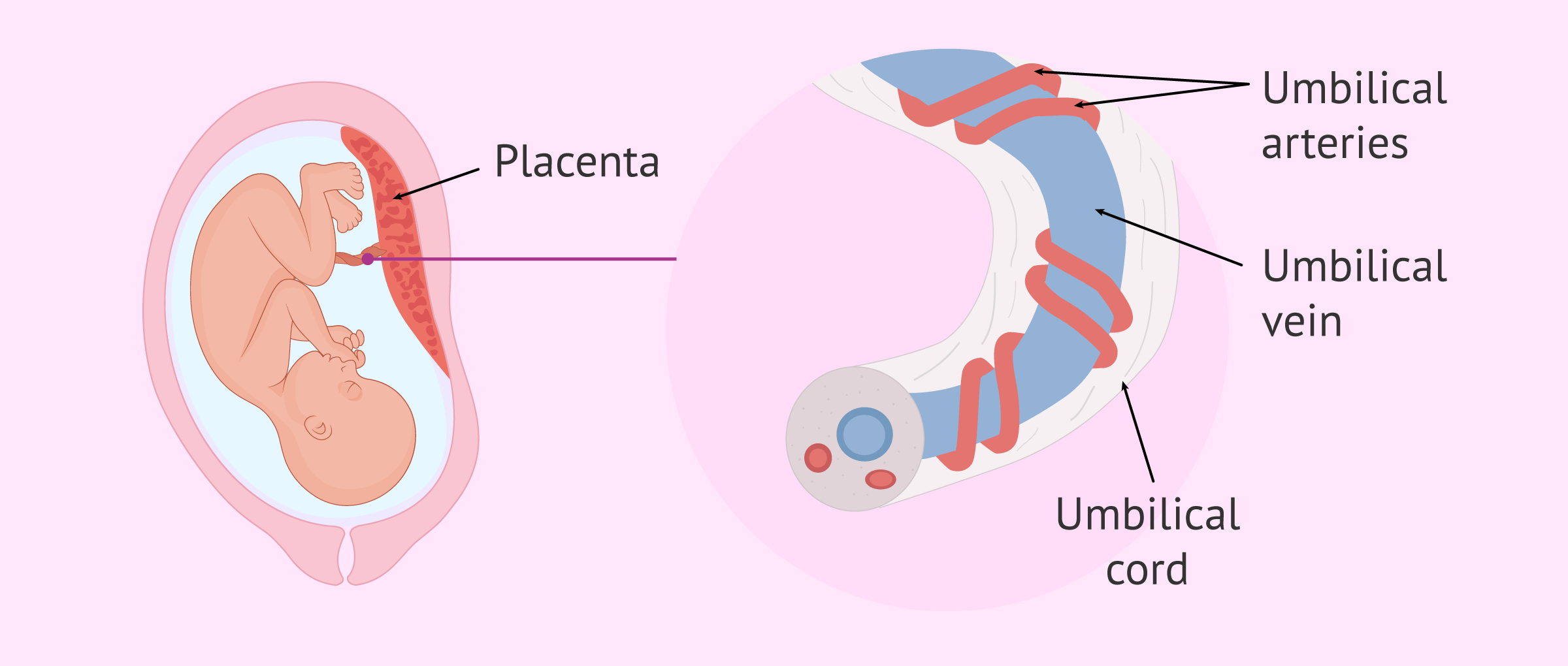
During this transition, a substantial volume of blood—often referred to as the placental transfusion—remains within the placental and umbilical vessels. Immediate cord clamping severs this reservoir abruptly. Conversely, delaying the cut allows gravity, uterine contractions, and the infant's initial breaths to drive blood from the placenta into the infant's circulation. Research published by organizations such as the American College of Obstetricians and Gynecologists (ACOG) and the World Health Organization (WHO) indicates that this process transfers roughly 80 to 100 milliliters of blood within the first three minutes of life.
This additional volume yields immediate and long-term benefits. First, it establishes a higher total blood volume, which smooths the cardiopulmonary transition. Second, the iron content within this blood serves as a vital biological savings account. Iron is essential for neurodevelopment and erythropoiesis during infancy. When cord clamping is delayed, the infant's iron stores remain robust through at least the first several months of life, substantially lowering the risk of iron-deficiency anemia—a condition linked to impaired cognitive and motor development.
Clinical Guidelines and Timing Recommendations
Medical institutions worldwide have standardized their recommendations regarding the optimal duration of an umbilical cord cutting delay. While historical protocols mandated immediate clamping to facilitate rapid resuscitation or maternal blood gas analysis, contemporary guidelines reflect a shift toward prioritizing neonatal physiology.
Generally, professional bodies categorize delayed clamping into two distinct intervals: short delay (30 to 60 seconds) and standard delay (1 to 3 minutes or until cord pulsation ceases). For term infants, waiting a minimum of 60 seconds is widely endorsed. For preterm infants, who stand to gain even more profound benefits regarding intraventricular hemorrhage prevention and reduced need for blood transfusions, a delay of 30 to 60 seconds is standard, provided the infant does not require immediate resuscitation.
| Clinical Parameter | Early / Immediate Clamping | Delayed Cord Clamping (30s – 3m+) |
|---|---|---|
| Placental Transfusion | Abruptly halted; minimal transfer. | Completed; significant volume transferred. |
| Initial Neonatal Iron Stores | Depleted earlier; higher risk of deficiency. | Maximized; protective against iron-deficiency anemia. |
| Need for Blood Transfusion | Higher in preterm populations. | Significantly reduced in preterm populations. |
| Risk of Polycythemia / Jaundice | Lower baseline incidence of hyperbilirubinemia. | Mild increase in transient polycythemia and phototherapy rates. |
| Maternal Hemorrhage Risk | Unaffected by timing of cord clamping. | Comparable rates of postpartum hemorrhage; active management recommended. |
The execution of these guidelines requires seamless coordination between obstetricians, midwives, and pediatric nurses. The infant is typically placed skin-to-skin on the mother's abdomen or chest—or held at or below the level of the placenta if positioned in a specialized bassinet—while the clock runs. Once the cord stops pulsating, or the designated time window elapses, the clamp is applied, and the cord is divided.
Benefits and Risks Associated with Cord Delay
While the physiological advantages of an umbilical cord cutting delay are well-documented, clinical practice must weigh all potential outcomes, including both benefits and associated risks.
Primary Benefits
- Enhanced Iron Status: As noted, infant iron stores remain elevated for up to six months, reducing the reliance on early dietary supplementation.
- Cardiovascular Stability: The continuous placental transfusion prevents sudden drops in blood pressure and maintains stable cerebral perfusion during the critical first minutes of life.
- Reduced Morbidity in Preterm Infants: Preterm infants subjected to delayed clamping demonstrate lower rates of necrotizing enterocolitis, intraventricular hemorrhage, and requirements for mechanical ventilation or blood transfusions.
Potential Risks and Countermeasures
- Neonatal Jaundice: The influx of extra red blood cells increases the breakdown of hemoglobin, which can lead to transient hyperbilirubinemia (neonatal jaundice). Consequently, facilities practicing DCC must ensure adequate monitoring and access to phototherapy if bilirubin levels exceed safe thresholds.
- Polycythemia: In rare cases, an excessive placental transfusion can cause thick blood (polycythemia), leading to hyperviscosity symptoms, though this is rare and often self-resolving.
- Delayed Resuscitation Concerns: Historically, clinicians worried that delaying the cord would impede resuscitation efforts. Modern evidence confirms that initial stabilization steps—such as drying, stimulating, and clearing the airway—can be performed effectively while the cord remains intact, utilizing specialized resuscitation carts brought to the bedside.
Special Considerations: Preterm Births and Cesarean Deliveries
The application of an umbilical cord cutting delay varies depending on the specific delivery context, requiring tailored protocols for preterm deliveries and surgical births.
Preterm Infants
Preterm infants represent a high-yield demographic for delayed cord clamping. Because their organs are immature, the prevention of hypovolemia and anemia is critical. However, preterm infants frequently require respiratory support immediately after birth. To accommodate this, hospitals increasingly utilize intact cord resuscitation (ICR). This technique allows a neonatologist or pediatric team to initiate positive-pressure ventilation or continuous positive airway pressure (CPAP) using portable equipment while the infant remains attached to the placenta.
Cesarean Deliveries
Performing an umbilical cord cutting delay during a cesarean delivery is entirely feasible and safe, though it requires precise surgical teamwork. The obstetrician places the newborn onto the sterile surgical drape over the mother's abdomen or holds the baby near the level of the uterine incision for the duration of the delay. Studies show that this practice does not increase the risk of maternal postpartum hemorrhage, provided standard active management of the third stage of labor (such as the administration of uterotonic agents like oxytocin) is maintained.
Contraindications and Scenarios Requiring Immediate Clamping
Despite the widespread utility of an umbilical cord cutting delay, specific clinical situations necessitate immediate cord clamping and standard resuscitation protocols. The health and safety of both the mother and the infant supersede the physiological advantages of delayed clamping.
Absolute and relative contraindications include:
- Maternal Hemodynamic Instability: Conditions such as severe placental abruption, uterine rupture, or massive postpartum hemorrhage where maternal life is at risk and immediate surgical intervention is required.
- Placental Abnormalities: Severe cord abnormalities, such as vasa previa with rupture, where continued placental connection offers no benefit or poses direct risks of exsanguination to the infant.
- Neonatal Compromise Requiring Advanced Resuscitation: If an infant is born limp, apneic, and unresponsive, and cannot be adequately resuscitated while attached to the cord, immediate clamping is performed to transport the infant to a radiant warmer.
- Multiple Gestations with Complications: In certain monochorionic twin pregnancies—particularly with twin-to-twin transfusion syndrome—specialized protocols dictate timing based on the specific vascular sharing dynamics observed.
Frequently Asked Questions
What is the ideal duration for an umbilical cord cutting delay?
Most professional guidelines recommend waiting between one to three minutes after birth, or until the umbilical cord stops pulsating. For term infants, a 60-second minimum delay captures the vast majority of the placental transfusion benefits without introducing unnecessary operational delays.
Does delayed cord clamping increase the risk of postpartum hemorrhage?
Clinical trials and systematic reviews conducted by organizations like the Cochrane Collaboration confirm that delayed cord clamping does not increase the risk of maternal postpartum hemorrhage. Standard active management of the third stage of labor, including the administration of oxytocin, remains effective regardless of cord timing.
Can delayed cord clamping be performed during a C-section?
Yes. Obstetric teams can safely perform delayed cord clamping during a cesarean delivery by placing the newborn on the sterile field over the mother's abdomen or holding the baby close to the uterine incision while the timer runs.
What happens if the baby needs resuscitation right away?
If a newborn requires immediate, advanced resuscitation that cannot be performed at the bedside while attached to the placenta, the cord is clamped immediately. However, basic stabilization steps like drying and stimulation can often be initiated while the cord remains intact.
Does delayed cord clamping affect cord blood banking?
Yes. Performing an umbilical cord cutting delay reduces the volume of blood remaining in the placenta and cord. This can decrease the total volume of blood available for private or public cord blood banking. Parents intending to bank cord blood must discuss this trade-off with their obstetric provider ahead of time.
Next Actions and Clinical Communication
Expectant parents interested in an umbilical cord cutting delay should incorporate this preference into their formal birth plan and discuss it with their obstetrician or midwife during prenatal visits well in advance of their due date. Ensuring that the delivering hospital or birth center maintains a routine policy supporting delayed clamping—and understanding their specific protocols for intact cord resuscitation—empowers families to advocate for evidence-based neonatal care practices tailored to their unique clinical circumstances.
Image Gallery