UF Health Auto Insurance: Medical Coverage and Billing Explained
UF Health does not sell auto insurance; instead, it serves as a premier medical provider that coordinates with auto insurers to cover treatment after a motor vehicle accident. Under Florida’s no-fault laws in 2026, UF Health primarily...
UF Health does not sell auto insurance; instead, it serves as a premier medical provider that coordinates with auto insurers to cover treatment after a motor vehicle accident. Under Florida’s no-fault laws in 2026, UF Health primarily bills your Personal Injury Protection (PIP) coverage for the first $10,000 of medical expenses before secondary health insurance applies.
Contents
Understanding the Relationship Between UF Health and Auto Insurance
To understand "UF Health auto insurance," one must distinguish between a healthcare provider and an insurance carrier. UF Health (University of Florida Health) is a massive academic health system with flagship campuses in Gainesville and Jacksonville. When a patient arrives at a UF Health emergency room or outpatient clinic following a car crash, the facility does not look to the patient's health insurance first. Because Florida remains a "no-fault" state in 2026, the primary payer for any medical service resulting from an auto accident is the patient's own Auto Insurance Policy, specifically the Personal Injury Protection (PIP) component.
The complexity of this relationship arises from the coordination of benefits. UF Health’s billing departments are specialized in navigating the intersection of Florida Statutes, private auto policies, and secondary health plans like GatorCare or Blue Cross Blue Shield. Patients often find themselves caught between these entities, wondering why their "health insurance" was declined at the front desk or why they received a bill despite having full auto coverage. This guide clarifies how UF Health processes these claims and what requirements you must meet to ensure your treatment is covered.
Florida’s No-Fault Insurance Laws and UF Health Services
Florida law requires every motor vehicle owner to carry at least $10,000 in PIP and $10,000 in Property Damage Liability (PDL). When you seek care at a UF Health facility—whether it is the Level 1 Trauma Center at UF Health Shands or a neighborhood UF Health Urgent Care—the "No-Fault" system dictates that your own insurance company pays for your medical bills, regardless of who caused the accident.
This system is designed to provide immediate medical funding without waiting for a legal determination of fault. However, the law imposes strict limitations that impact your care at UF Health. If these limitations are not met, you may be personally responsible for thousands of dollars in medical debt, even if the accident was not your fault.
The 14-Day Rule and Emergency Medical Conditions (EMC)
One of the most critical aspects of seeking care at UF Health is the 14-day rule. Under Florida Statute § 627.736, an injured person must receive "initial services and care" within 14 days after the motor vehicle accident. if you wait until the 15th day to visit a UF Health provider, your auto insurance company is legally permitted to deny the claim entirely.
Furthermore, the amount of money available for your care depends on the severity of your injury. If a UF Health physician, physician assistant, or advanced practice registered nurse determines you have an Emergency Medical Condition (EMC), you are entitled to the full $10,000 PIP benefit. An EMC is defined as a medical condition manifesting itself by acute symptoms of sufficient severity such that the absence of immediate medical attention could result in serious jeopardy to patient health, serious impairment to bodily functions, or serious dysfunction of any bodily organ or part. If an EMC is not diagnosed, your PIP benefit is capped at a mere $2,500, which is often exhausted within minutes of an ER visit.
How Personal Injury Protection (PIP) Works at UF Health
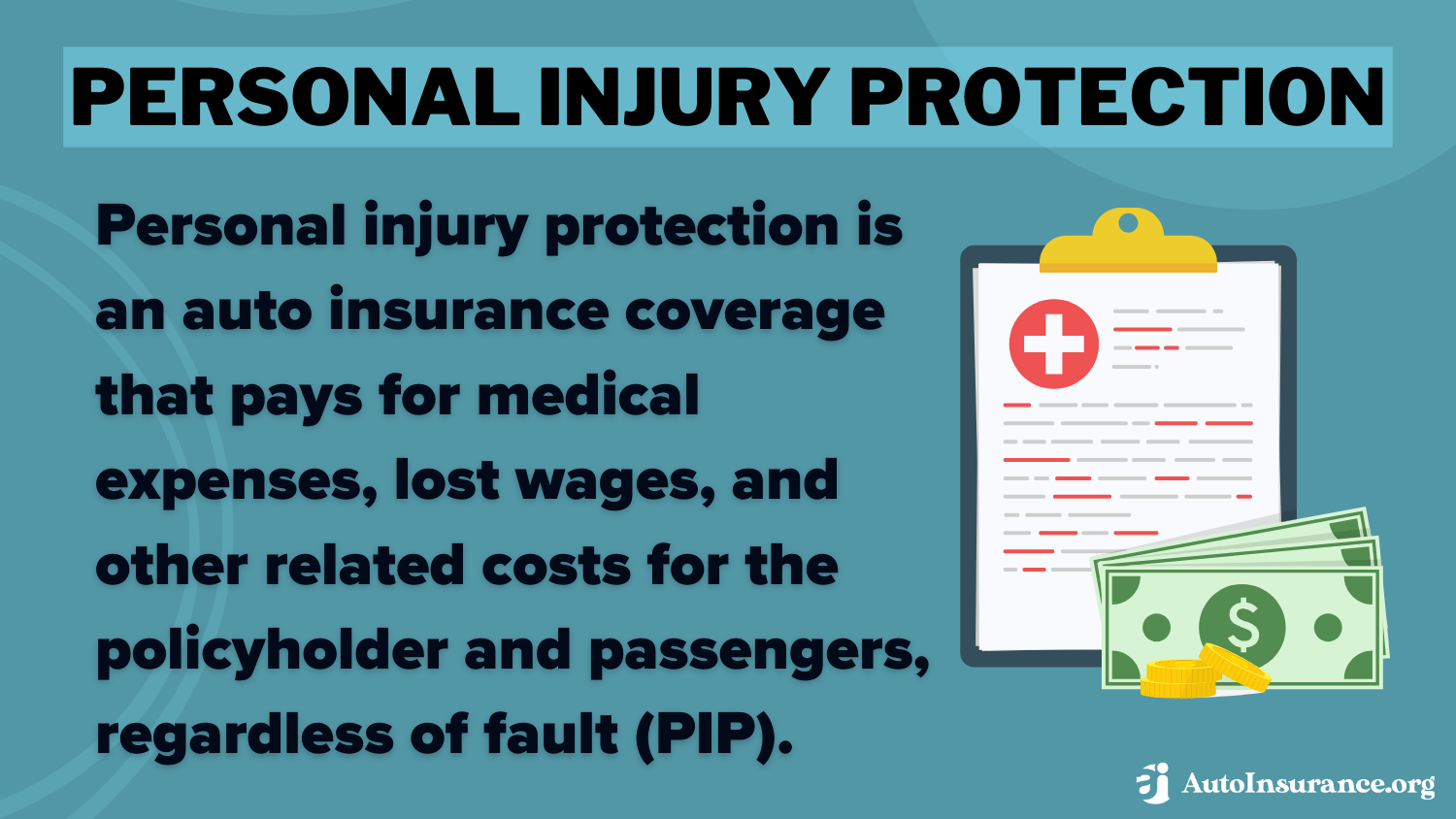
When you provide your auto insurance information to UF Health, the billing department initiates a claim against your PIP coverage. It is important to note that PIP does not cover 100% of your medical expenses. By law, PIP covers 80% of all reasonable and necessary medical expenses.
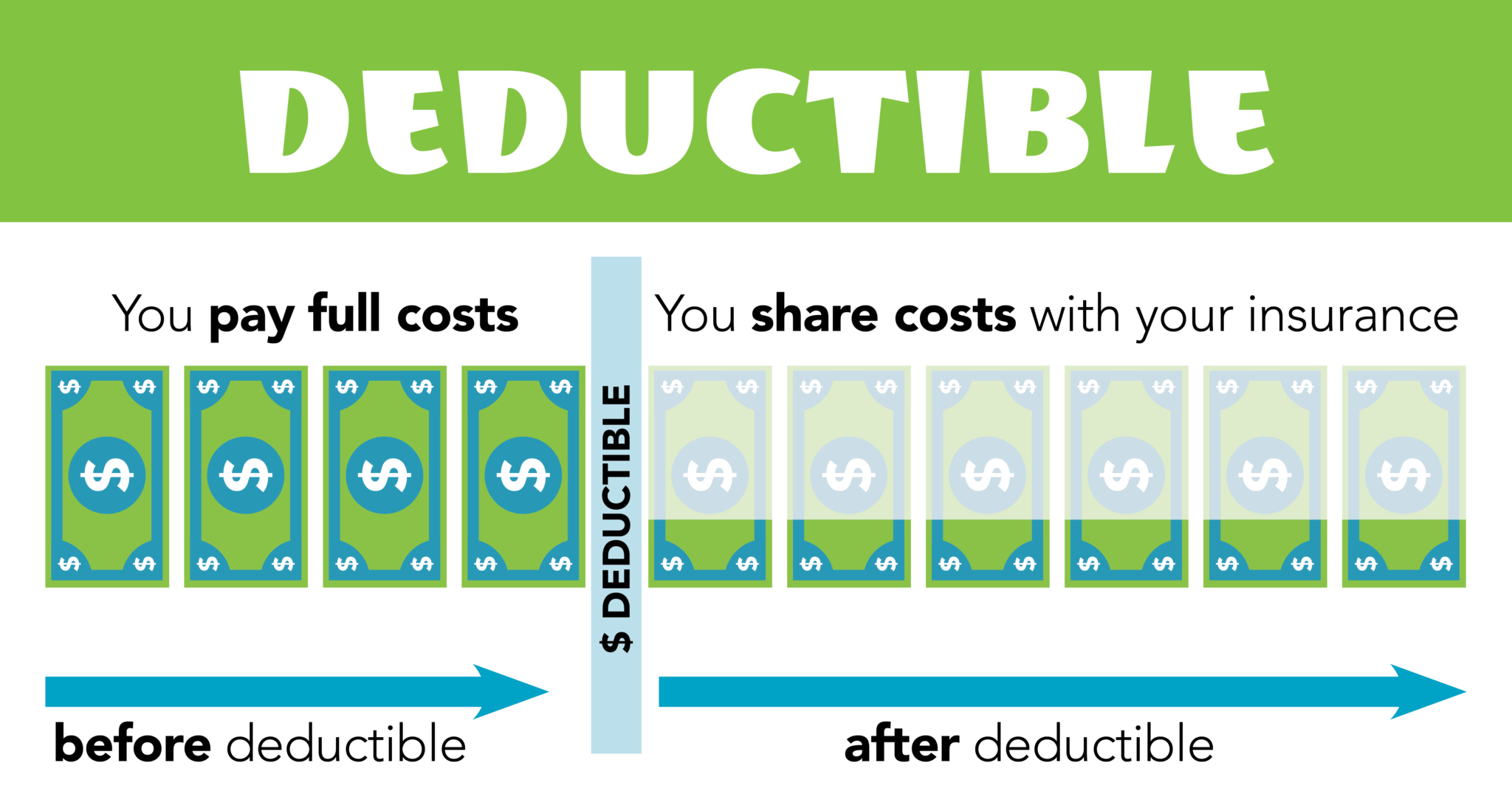
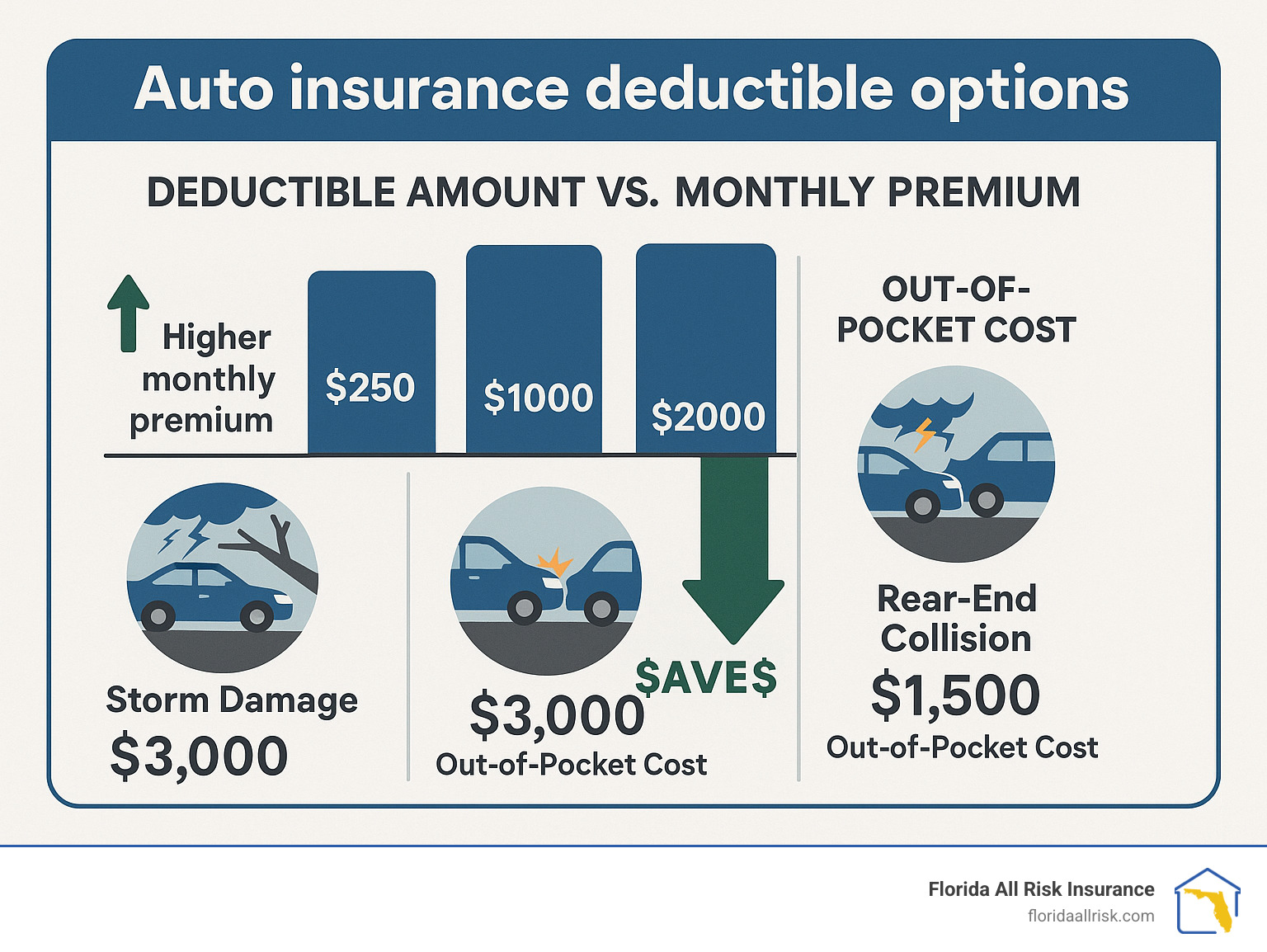
The remaining 20%, along with any applicable deductible (which can range from $250 to $1,000 or more), is the patient's responsibility. UF Health will typically attempt to bill a secondary payer for this 20% gap. This secondary payer could be Medical Payments (MedPay) coverage on your auto policy or your private health insurance.
Coverage Limits and the 80/20 Rule
Because UF Health is an academic research institution, the cost of specialized care can be high. A single MRI or a series of CT scans in the ER can quickly approach the $10,000 PIP limit. Once the PIP limit is exhausted, UF Health will transition the billing to your health insurance. However, many health insurance providers will not pay a single cent until they receive a "PIP Exhaustion Letter" from your auto carrier. This document proves that the primary $10,000 has been spent, allowing the health insurer to step in as the secondary payer.
| Coverage Component | Payer | Percentage Covered | Notes |
|---|---|---|---|
| PIP (Base) | Your Auto Insurer | 80% | Subject to 14-day rule and EMC diagnosis. |
| MedPay | Your Auto Insurer | 20% + Deductible | Optional coverage; highly recommended. |
| Health Insurance | Private Carrier (e.g., GatorCare) | Varies | Only pays after PIP is exhausted. |
| Patient Responsibility | The Patient | Deductibles/Co-pays | Varies based on policy choices. |
Coordinating Benefits: Private Health Insurance vs. Auto Insurance
A common point of confusion for UF Health patients is why their health insurance—such as GatorCare (the plan for UF employees and students)—is not billed first. Insurance contracts and Florida law establish a "hierarchy of payment." Auto insurance is always primary in an auto accident scenario.
If you are a UF employee covered by GatorCare, you must still provide your auto insurance information at the time of service. GatorCare will generally deny claims for auto-related injuries until they see evidence that a PIP claim was filed. Once PIP is exhausted, GatorCare will cover the remaining costs according to your plan’s specific benefits, which may include co-insurance and deductibles.
GatorCare and Auto Accident Claims
For those specifically using GatorCare at UF Health facilities, there is a "subrogation" clause to consider. Subrogation allows the health insurance company to recoup any money they paid for your treatment if you later receive a legal settlement from the at-fault driver. If UF Health treats your injuries and GatorCare pays $5,000 toward those bills, and you later win a $20,000 settlement from the other driver's insurance, GatorCare may legally claim that $5,000 back from your settlement.
Letters of Protection (LOP) and Legal Settlements
In cases where a patient does not have health insurance and their PIP has been exhausted, UF Health may accept a Letter of Protection (LOP). An LOP is a legal agreement between the patient, their attorney, and the medical provider. It allows the patient to continue receiving necessary medical treatment without paying upfront, with the agreement that the medical bills will be paid out of any future legal settlement or jury award.
UF Health’s participation in LOPs is often managed through their legal and financial departments. While LOPs allow patients to receive high-quality care at UF Health Shands or other specialty clinics, they do not "erase" the debt. If the legal case is lost and no settlement is reached, the patient remains personally liable for the full balance of the medical bills at UF Health.
Step-by-Step: Seeking Treatment at UF Health After an Accident
If you are involved in an accident and plan to seek treatment at a UF Health facility in 2026, follow these steps to ensure your insurance is handled correctly:
- Seek Care Immediately: Visit a UF Health ER or Urgent Care within 14 days. Failure to do so voids your $10,000 PIP benefit.
- Provide Auto Insurance Details: Even if you have "great" health insurance, give the registrar your auto insurance carrier name, policy number, and claim number (if you have already reported the crash).
- Confirm the EMC Status: Ask your UF Health provider if your condition has been documented as an "Emergency Medical Condition." This documentation is the difference between having $10,000 in coverage and $2,500.
- Report the Claim: Call your auto insurance company immediately to open a PIP claim. Give them the contact information for the UF Health facility where you were treated.
- Monitor the PIP Balance: Keep track of the "Explanation of Benefits" (EOB) forms sent by your auto insurer. When the $10,000 limit is reached, ensure UF Health has your secondary health insurance information on file.
Dealing with Medical Liens and Final Settlements
In Florida, some counties have "Hospital Lien Laws." For example, in Duval County (where UF Health Jacksonville is located), the hospital may have the right to place a lien on any third-party settlement you receive to ensure their bills are paid. Alachua County (home to UF Health Gainesville) operates differently, but the principle remains: UF Health has a vested interest in being compensated for the specialized trauma and rehabilitative care they provide.
If you are involved in a lawsuit, your attorney will likely negotiate with UF Health’s billing department to reduce the final balance of your bills so that you can take home a portion of your settlement. UF Health often works with legal counsel to reach "pro-rata" agreements, but these negotiations can take months to finalize.
Frequently Asked Questions
Does UF Health offer its own brand of auto insurance?
No. UF Health is a medical system, not an insurance company. "UF Health auto insurance" refers to how UF Health handles billing and claims for patients who are injured in car accidents and covered by their own private auto insurance policies.
Can I use my UF Health (GatorCare) insurance instead of auto insurance?
In Florida, you cannot choose to use health insurance instead of PIP. Auto insurance is the primary payer by law. Your GatorCare or other health insurance will only act as a secondary payer after your auto insurance benefits (PIP) have been fully utilized or exhausted.
What happens if I was a passenger in someone else's car?
If you own a car in Florida, your own PIP insurance covers you even if you were a passenger in someone else's vehicle at the time of the crash. If you do not own a car but live with a relative who does, you may be covered under their PIP policy. If neither applies, the PIP insurance of the vehicle you were riding in will generally cover your treatment at UF Health.
Will UF Health bill the at-fault driver’s insurance?
Typically, no. The at-fault driver’s insurance (Bodily Injury Liability) does not pay medical bills as they incur. They only pay in a lump-sum settlement at the end of a claim or lawsuit. Therefore, UF Health will bill your PIP first, then your health insurance, or hold the balance under an LOP until your case settles.
Why did I receive a bill from UF Health after my PIP was paid?
This usually occurs because of the "80/20" rule. PIP only pays 80% of the bill. The remaining 20% is your responsibility unless you have MedPay on your auto policy or secondary health insurance that covers the gap. Additionally, if your bill exceeded the $10,000 PIP limit, you would be responsible for the overage.
Final Recommendations
Navigating the intersection of healthcare and auto insurance at a major system like UF Health requires proactive communication. Always ensure you seek treatment within the 14-day window to protect your PIP benefits. If you are a UF employee or student, verify that your secondary health insurance (GatorCare) has been notified once your PIP limits are reached. For those facing significant medical debt following a crash, consulting with a personal injury attorney can help manage the Letters of Protection and lien negotiations necessary to protect your financial future while you recover at UF Health.
Image Gallery