Is a Waterpik Better Than Traditional Flossing? A Data-Driven Comparison for 2026
Choosing between a Waterpik and traditional string floss depends on your specific oral health needs, but clinical evidence suggests that water flossing is often more effective at reducing gingivitis and removing plaque from hard-to-rea...
Choosing between a Waterpik and traditional string floss depends on your specific oral health needs, but clinical evidence suggests that water flossing is often more effective at reducing gingivitis and removing plaque from hard-to-reach areas. While string floss provides superior mechanical scraping for tight contacts, the Waterpik’s ease of use significantly improves long-term patient compliance.
Contents
Deciding how to clean between your teeth is one of the most impactful decisions you can make for your long-term oral health. For decades, traditional string floss was the undisputed "gold standard." However, as we move through 2026, the oral irrigator—specifically the Waterpik brand—has become a formidable competitor backed by extensive clinical research. To determine which is "better," we must look beyond personal preference and analyze the mechanics, clinical outcomes, and practical realities of daily use.
Understanding the Mechanics: How They Work
To understand if one is superior, we must first look at the physics of how they remove debris and bacteria. Oral health relies on the disruption of biofilm, a sticky layer of bacteria that adheres to tooth surfaces.
Traditional String Floss
Traditional flossing relies on mechanical friction. By wrapping a piece of nylon or Teflon string around the tooth in a "C-shape," you physically scrape the biofilm off the tooth surface. This is highly effective for the "contact point"—the tight area where two teeth actually touch. Because the string is thin and flexible, it can slip between even the most crowded teeth to remove plaque that a toothbrush cannot reach.
Waterpik (Oral Irrigators)
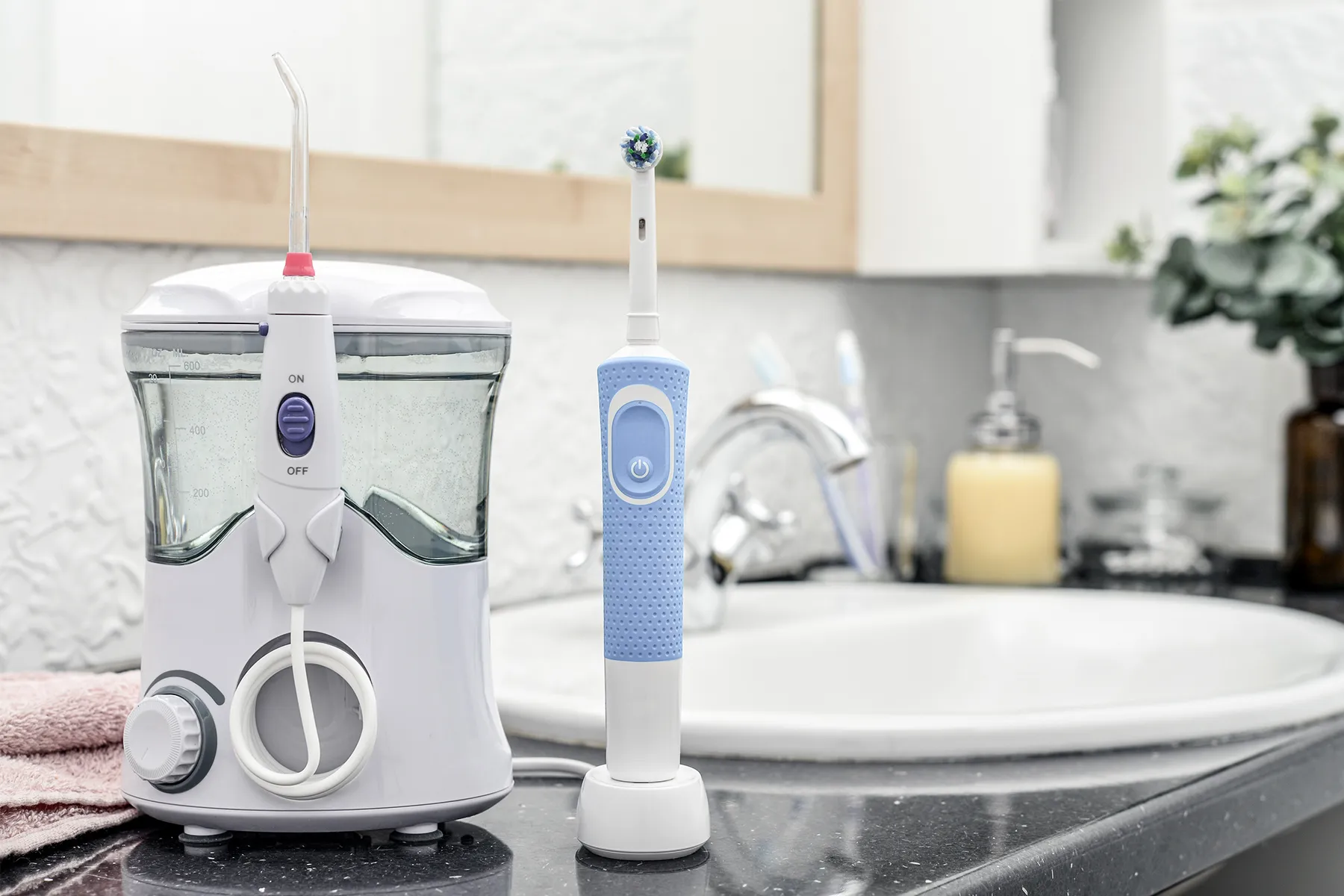
A Waterpik uses a combination of pulsation and pressure. It isn't just a steady stream of water; the "pulsing" action creates a compression and decompression phase that helps flush out bacteria and debris from deep within the periodontal pockets (the space between the tooth and the gum line). This process is known as hydro-kinetic activity. While it doesn't "scrape" the tooth in the same way floss does, the sheer force of the water can disrupt biofilm even in areas where a string might not reach, such as deep under the gum line or around complex dental work.
The Scientific Evidence: Clinical Comparisons
When evaluating whether a Waterpik is better than floss, researchers typically measure three things: plaque removal, gingival bleeding, and gingivitis reduction.
Multiple studies, including those published in the Journal of Clinical Dentistry, have consistently shown that water flossing can be significantly more effective than string floss for improving gum health. In one landmark study, the Waterpik was found to be 51% more effective than string floss at reducing gingivitis and twice as effective at reducing gingival bleeding.
However, the "plaque removal" data is often more nuanced. While the Waterpik is excellent at flushing loose debris, some dental professionals argue that string floss remains superior for removing the specific type of hardened biofilm that sticks to the flat surfaces of the teeth. Despite this, the American Dental Association (ADA) has granted its Seal of Acceptance to many Waterpik models, recognizing their safety and efficacy in removing plaque and preventing gingivitis.
Detailed Comparison: Waterpik vs. Traditional Floss
| Feature | Waterpik (Water Flosser) | Traditional String Floss |
|---|---|---|
| Primary Mechanism | Pulsating water pressure | Mechanical friction/scraping |
| Ease of Use | High (ideal for limited dexterity) | Moderate to Low (requires technique) |
| Effectiveness for Gums | Superior for reducing bleeding/inflammation | Good for surface plaque |
| Access to Deep Pockets | Reaches up to 6mm deep | Reaches 2-3mm deep |
| Cost (Initial) | $40 - $120+ | $2 - $5 |
| Portability | Limited (even cordless models are bulky) | Excellent (fits in a pocket) |
| Environmental Impact | Electronic waste and water usage | Plastic waste (unless silk/biodegradable) |
| Suitability for Braces | Highly recommended | Difficult (requires threaders) |
The Pros and Cons of the Waterpik
Advantages
- Superior Gum Health: The pulsating action massages the gum tissue, increasing blood flow and reducing inflammation. This makes it a premier tool for patients with early-stage periodontal disease.
- Accessibility: For individuals with arthritis, carpal tunnel, or limited manual dexterity, holding a Waterpik handle is much easier than maneuvering thin string around the back of the mouth.
- Orthodontics and Implants: Water flossers are the "gold standard" for cleaning around braces, bridges, and dental implants. Clinical studies show that the Waterpik is up to 3x as effective as floss for cleaning around orthodontic brackets.
- Deep Cleaning: Water can penetrate deeper into the periodontal pockets (up to 6mm) compared to string floss, which usually only reaches about 2-3mm subgingivally.
Disadvantages
- Cost and Maintenance: A high-quality Waterpik is a significant investment. It also requires a power source (or charging) and needs to be cleaned regularly to prevent mold growth in the reservoir.
- Mess Factor: Until you master the technique (leaning over the sink and keeping your lips slightly closed), water flossing can result in a messy bathroom counter.
- Lack of "Scraping" Action: It may not remove the most stubborn, "stuck-on" plaque as effectively as a physical string.
The Pros and Cons of Traditional Flossing
Advantages
- Mechanical Precision: String floss allows you to physically feel the tooth surface and ensure you have cleared the contact point.
- No Power Required: You can floss anywhere—on a plane, in a car, or while watching TV—without needing a reservoir or a battery.
- Low Cost: Floss is accessible to almost everyone and is easily replaced.
- Space Saving: It takes up virtually zero space on a bathroom vanity.
Disadvantages
- Technique Sensitivity: Most people do not floss correctly. If you don't use the "C-shape" method, you miss a significant portion of the tooth surface.
- Difficulty with Tight Teeth: If your teeth are crowded, the floss may shred or get stuck, leading to frustration and non-compliance.
- Potential for Injury: "Floss cuts" can occur if the user snaps the string too hard into the gum tissue, causing pain and bleeding.
Special Considerations for 2026
The "Compliance" Factor
In the field of dentistry, the best tool is the one the patient will actually use. Surveys consistently show that patients find water flossing more pleasant and less "labor-intensive" than traditional flossing. If a Waterpik leads to a 90% compliance rate while string floss leads to a 20% compliance rate, the Waterpik is objectively "better" for that individual's health outcomes.
Environmental Impact
As we prioritize sustainability in 2026, the environmental footprint of our dental habits matters. Traditional floss is often made of plastic and coated in PFAS (per- and polyfluoroalkyl substances) for glide. While biodegradable silk floss exists, most ends up in landfills. A Waterpik, while being an electronic device, can last for 5–10 years, potentially reducing the sheer volume of single-use plastic waste, though it does require electricity and water.
Expert Recommendations: Which Should You Choose?
Most dental professionals in 2026 have moved away from an "either/or" mentality. For the highest level of oral hygiene, many dentists recommend a hybrid approach.
- Who should choose the Waterpik? If you have braces, dental implants, permanent retainers, or moderate gum disease, the Waterpik is likely your best primary tool. It is also the better choice for seniors or those with hand-mobility issues.
- Who should stick to string floss? If you have very tight contacts and no history of gum disease, and you are disciplined enough to use proper technique, string floss remains a highly effective and portable option.
- The "Pro" Strategy: Use the Waterpik daily to flush out debris and improve gum health, and use string floss 2–3 times a week to ensure the contact points between teeth are mechanically cleared of biofilm.
Common Mistakes and How to Avoid Them
- Using Cold Water: Many users stop using their Waterpik because the cold water hurts their sensitive teeth. Using lukewarm water makes the experience much more comfortable.
- Looking in the Mirror: Looking in the mirror while water flossing is a recipe for a wet bathroom. Lean over the sink, look at the drain, and let the water flow naturally out of your mouth.
- Skipping the "C-Shape": When using string floss, don't just go up and down. You must wrap the floss around the curve of the tooth to clean the surface effectively.
- Incorrect Angle: With a Waterpik, hold the tip at a 90-degree angle to your gum line. Don't spray directly into the pockets unless you are using a specialized periodontal tip on a low-pressure setting.
Frequently Asked Questions
Can a Waterpik replace regular flossing entirely?
Yes, for many people, the Waterpik is an effective replacement. The ADA has cleared it for plaque removal and gingivitis reduction. However, if you have very tight teeth where food frequently gets stuck, you may still need string floss occasionally to "pop" that debris out.
Does a Waterpik remove tartar?
No. Neither a Waterpik nor string floss can remove tartar (calculus) once it has hardened on the teeth. Tartar must be removed by a dental professional using specialized scaling tools. Both flossing methods are designed to remove plaque before it mineralizes into tartar.
Is it normal for gums to bleed when using a Waterpik?
If you haven't flossed regularly, your gums may bleed during the first week of using a Waterpik. This is usually a sign of gingivitis. As the water flosser reduces inflammation, the bleeding should stop. If it persists for more than two weeks, consult your dentist.
Which is better for bad breath?
The Waterpik is often superior for bad breath (halitosis) because it flushes out bacteria and decomposing food particles from deep pockets and the back of the mouth that string floss cannot reach.
Next Steps for Your Oral Health
If you are currently not flossing at all, the Waterpik is the easiest way to start a sustainable habit. For those looking to upgrade their routine in 2026, consider a countertop Waterpik for home use and a small container of dental tape for travel. Always consult your dental hygienist during your biannual cleaning; they can look at your specific gum topography and tell you exactly where you are missing spots, allowing you to tailor your flossing technique to your unique anatomy.
Note: This article is for informational purposes and does not constitute medical advice. Always consult with a qualified dentist or dental professional regarding your specific oral health needs.
Image Gallery