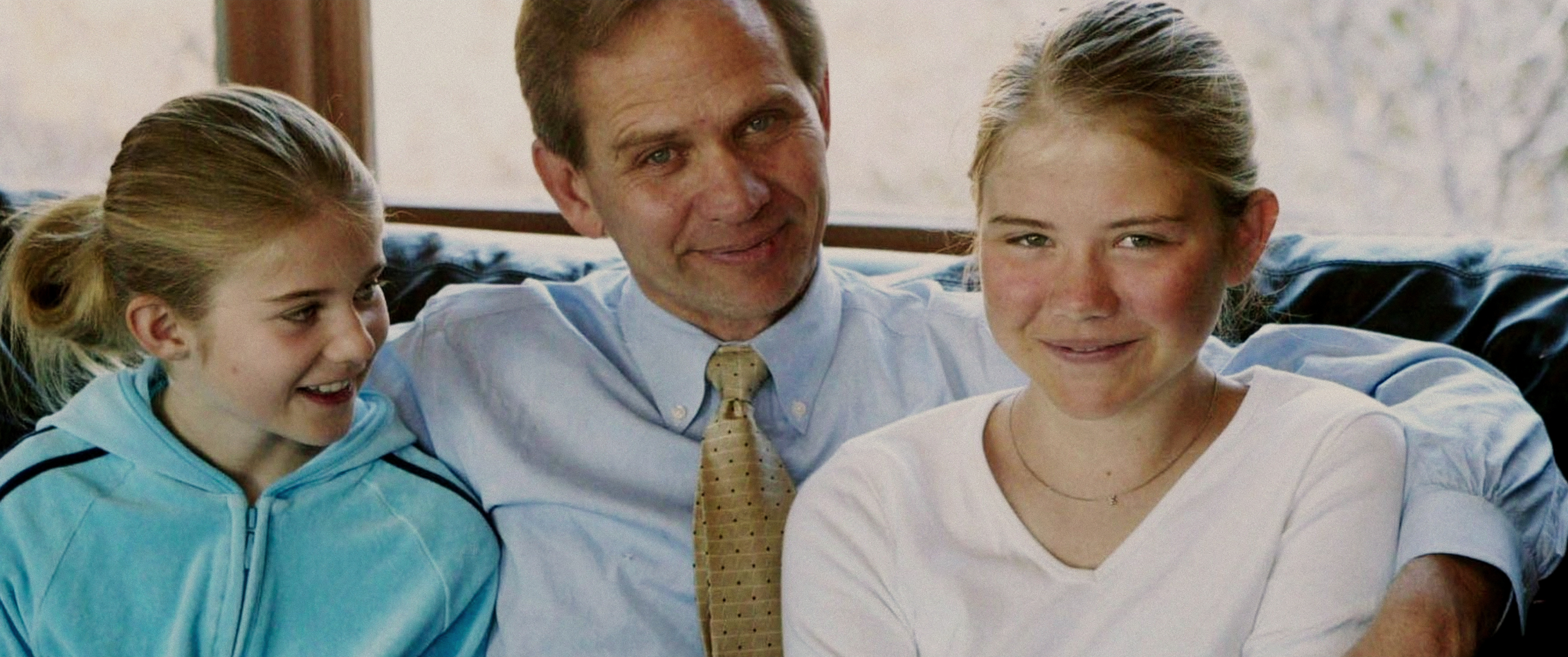
When Elizabeth Smart Went Missing: A Definitive Timeline and Impact Analysis
Elizabeth Smart went missing on June 5, 2002, after being abducted at knifepoint from her bedroom in Salt Lake City, Utah. She was held captive for nine months by Brian David Mitchell and Wanda Barzee before being safely recovered on M...
Elizabeth Smart went missing on June 5, 2002, after being abducted at knifepoint from her bedroom in Salt Lake City, Utah. She was held captive for nine months by Brian David Mitchell and Wanda Barzee before being safely recovered on March 12, 2003, in Sandy, Utah.
Contents
The abduction of Elizabeth Smart remains one of the most high-profile missing persons cases in United States history. Beyond the sensational media coverage of the early 2000s, the case fundamentally altered how law enforcement agencies approach child abductions, the implementation of the AMBER Alert system, and the public’s understanding of survivor advocacy. As of 2026, the legacy of this event continues to shape child safety protocols and the legal landscape regarding kidnapping and sexual assault.
The Night of the Abduction: June 5, 2002
In the early morning hours of June 5, 2002, 14-year-old Elizabeth Smart was taken from the bedroom she shared with her younger sister, Mary Katherine, in the Federal Heights neighborhood of Salt Lake City. The intruder, later identified as Brian David Mitchell, entered the home through a window and forced Elizabeth to leave the house at knifepoint.
Mary Katherine, who was nine years old at the time, was the sole witness to the event. Fearing for her own life, she remained in bed until she felt it was safe to alert her parents, Ed and Lois Smart. The immediate response from the Smart family and the Salt Lake City Police Department (SLCPD) launched a massive search effort that would eventually involve thousands of volunteers and national media attention.
The initial hours were marked by confusion and a desperate search of the surrounding canyons and neighborhoods. Because the abduction took place in an affluent, low-crime area, the community was profoundly shaken. This event served as a catalyst for a nationwide discussion on home security and the vulnerability of children even within their own residences.
The Initial Investigation and the Search for Richard Ricci
During the first several months after Elizabeth Smart went missing, law enforcement focused heavily on Richard Ricci, a handyman who had previously performed work at the Smart residence. Ricci had a significant criminal history, which made him a primary person of interest for investigators.
Despite his denials and a lack of physical evidence linking him to the crime, Ricci was incarcerated on unrelated parole violations while investigators interrogated him regarding Elizabeth’s whereabouts. The intense focus on Ricci is often cited by legal analysts as a period of "tunnel vision" in the investigation. Tragically, Ricci died of a brain hemorrhage while in custody in August 2002, leaving the investigation at a standstill and the Smart family without answers.
While the police focused on Ricci, the Smart family maintained a massive public relations campaign. They utilized every available media outlet to keep Elizabeth’s face in the public eye, a strategy that would later be credited with keeping the case "warm" long after many other missing persons cases would have faded from the headlines.
The Breakthrough: Mary Katherine’s Revelation
The turning point in the case occurred several months after the disappearance. in October 2002, Mary Katherine Smart approached her parents with a realization. She remembered that the man who had taken Elizabeth bore a striking resemblance to a transient the family had briefly hired for yard work, a man they knew only as "Emmanuel."
This identification was the "missing piece" of the puzzle. The Smart family immediately relayed this information to the police, but it took additional months for the public to see a sketch of the man. In February 2003, the family bypassed traditional investigative channels and released a sketch of "Emmanuel" to the media. This sketch was broadcast nationally on programs like America's Most Wanted, leading to his identification as Brian David Mitchell, a self-styled religious fanatic.
Key Milestones in the Elizabeth Smart Case
| Date | Event | Significance |
|---|---|---|
| June 5, 2002 | Abduction from Salt Lake City | Initiated one of the largest searches in Utah history. |
| August 30, 2002 | Death of Richard Ricci | Removed the primary suspect and stalled the investigation. |
| October 2002 | Mary Katherine identifies "Emmanuel" | Provided the first accurate lead on the actual kidnapper. |
| February 2003 | Public release of Mitchell's sketch | Led to national recognition of the suspect. |
| March 12, 2003 | Recovery of Elizabeth Smart | Found alive in Sandy, Utah, after nine months. |
| May 2011 | Mitchell sentenced to life | Concluded a decade-long legal battle for justice. |
| September 2018 | Release of Wanda Barzee | Sparked debate over parole for kidnapping accomplices. |
| 2026 | Ongoing Advocacy | Elizabeth Smart continues her work via the Smart Defense program. |
Nine Months of Captivity: Life in the Mountains and California
During her nine months in captivity, Elizabeth Smart was subjected to extreme psychological and physical abuse. Brian David Mitchell and his wife, Wanda Barzee, took Elizabeth to a makeshift campsite in the mountains directly behind the Smart home. From this vantage point, Elizabeth could occasionally hear the voices of search parties looking for her, but she was unable to cry out due to threats of violence against her family.
Mitchell utilized a twisted form of religious indoctrination to control Elizabeth, claiming she was his "plural wife." This psychological grooming, combined with the constant threat of a knife, created a situation where escape seemed impossible. In the late summer of 2002, the trio moved to San Diego, California, to avoid the winter cold.
A common question asked by the public was why Elizabeth did not try to run away when they were in public spaces. Smart has since explained that the "mental chains" Mitchell placed on her were more restrictive than physical ones. She believed that if she ran, Mitchell would return to Salt Lake City and murder her siblings. This highlights a critical aspect of child abductions: the use of psychological leverage to ensure compliance.
The Recovery in Sandy, Utah
On March 12, 2003, the ordeal came to an end. After returning to Utah from California, Mitchell, Barzee, and Smart (who was disguised in a wig, sunglasses, and a veil) were walking down a street in Sandy, Utah. Several alert citizens recognized Mitchell from the media sketches and called 911.
Police officers intercepted the trio and questioned them. Initially, Elizabeth denied her identity, using the alias "Augustine," out of fear of Mitchell. However, an officer took her aside and asked her directly if she was Elizabeth Smart. She eventually admitted her identity, leading to her immediate rescue and the arrest of Mitchell and Barzee.
The news of her recovery was met with national celebration. It was a rare "miracle" case where a child taken by a stranger was found alive after such a prolonged period.
Legal Proceedings and the Fight for Competency
The legal aftermath of the case was protracted and complex. Both Brian David Mitchell and Wanda Barzee faced federal and state charges. The primary hurdle in the prosecution of Mitchell was the question of his mental competency.
For years, Mitchell engaged in disruptive behavior in court, often singing hymns or shouting, which led several judges to rule him incompetent to stand trial. It wasn't until 2010 that a federal judge ruled he was malingering—faking or exaggerating mental illness to avoid trial—and ordered the case to proceed.
In 2011, Brian David Mitchell was sentenced to life in federal prison without the possibility of parole. Wanda Barzee pleaded guilty to her role and was sentenced to 15 years in federal prison, followed by state charges. She was unexpectedly released in September 2018 after the Utah Board of Pardons and Parole determined they had miscalculated her time served, a decision that was met with significant public backlash.
Elizabeth Smart’s Legacy and Advocacy in 2026
By 2026, Elizabeth Smart has transitioned from a victim of a high-profile crime to one of the world’s most influential advocates for child safety and survivor rights. She founded the Elizabeth Smart Foundation, which focuses on prevention, recovery, and advocacy.
One of her most significant contributions is the development of the Smart Defense program. This initiative provides self-defense training specifically tailored for women and girls, emphasizing not just physical tactics but also situational awareness and the psychological tools needed to resist predators.
Her case also led to legislative changes. The AMBER Alert system was strengthened and more widely adopted across the United States following the public outcry over the initial delays in her case. Furthermore, Elizabeth has been a vocal proponent of the "International Hague Convention" on child abduction and has worked with the National Center for Missing & Exploited Children (NCMEC) to improve the recovery rates of missing minors.
Frequently Asked Questions
How long was Elizabeth Smart missing?
Elizabeth Smart was missing for a total of nine months and one week. She was abducted on June 5, 2002, and recovered on March 12, 2003. During this time, she was moved between campsites in Utah and a temporary location in San Diego, California.
Who were the people who kidnapped Elizabeth Smart?
She was kidnapped by Brian David Mitchell and his wife, Wanda Barzee. Mitchell was a local transient who had briefly worked for the Smart family under the name "Emmanuel." He was a self-proclaimed prophet who used religious fanaticism to justify his crimes.
Why wasn't an AMBER Alert issued immediately?
At the time of her disappearance in 2002, the AMBER Alert system was not as sophisticated or universally implemented as it is today. There were strict criteria regarding "witnessed" abductions and vehicle descriptions that the Smart case did not initially meet. Her case helped drive the expansion of these criteria.
What is the Elizabeth Smart Foundation?
Founded by Elizabeth, the foundation aims to empower survivors of sexual assault and abduction while educating the public on prevention. As of 2026, it remains a leading resource for families of missing children and provides specialized training for law enforcement and civilians.
Is Brian David Mitchell still in prison?
Yes. Brian David Mitchell was sentenced to life in federal prison in 2011. Because there is no parole in the federal system, he is expected to remain incarcerated for the remainder of his life.
Practical Recommendations for Child Safety
In light of the lessons learned from when Elizabeth Smart went missing, safety experts and the Elizabeth Smart Foundation recommend the following actions for parents and guardians:
- Maintain Accurate Records: Keep a "Digital ID" of your child, including recent high-resolution photos, physical descriptions, and fingerprints.
- Establish "Safe Words": Create a family-specific code word that a child must hear before going with anyone—even someone they recognize.
- Home Security Audits: Ensure that windows and doors, especially those in children's bedrooms, are equipped with modern locks or sensors.
- Empowerment through Education: Enroll children in age-appropriate self-defense and "stranger-danger" programs that focus on using their voice and physical resistance.
- Open Communication: Foster an environment where children feel comfortable reporting "creepy" behavior or uncomfortable interactions with adults without fear of being ignored.
By staying informed and proactive, families can significantly reduce the risks associated with child abduction and ensure a faster response should an emergency occur.
Image Gallery