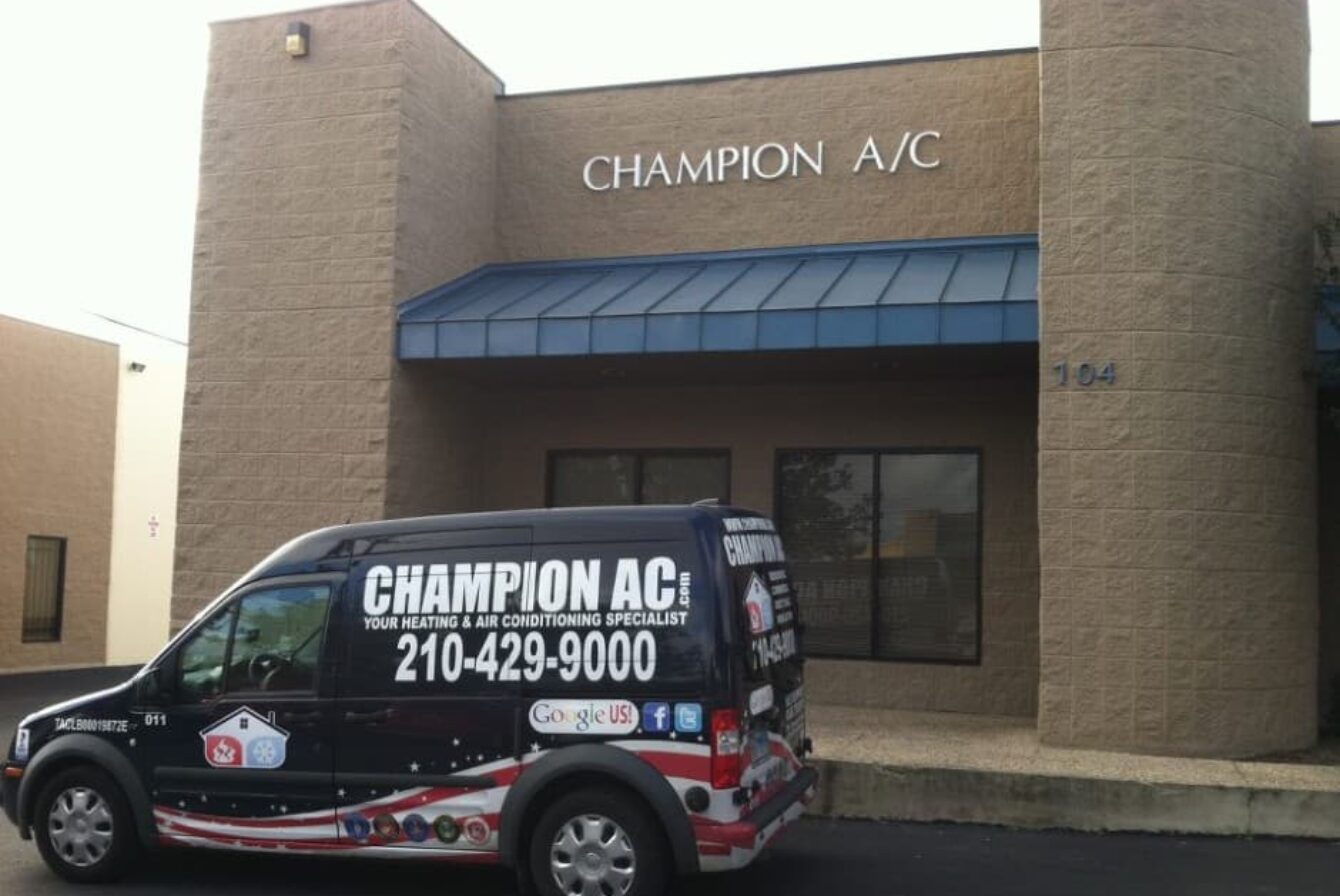
Champion AC Service Overview: A Comprehensive Guide to HVAC Solutions and Maintenance
Champion AC provides residential and commercial HVAC services specializing in air conditioning repair, system installation, and preventative maintenance. Their service model focuses on energy efficiency, certified technical expertise,...
Champion AC provides residential and commercial HVAC services specializing in air conditioning repair, system installation, and preventative maintenance. Their service model focuses on energy efficiency, certified technical expertise, and systematic diagnostic procedures designed to extend the lifespan of cooling equipment while maintaining indoor air quality standards and compliance with current environmental regulations.
Contents
Understanding the Scope of Champion AC Services
Champion AC operates as a full-service heating, ventilation, and air conditioning (HVAC) provider. In 2026, the complexity of home climate control has increased due to the integration of smart home technology and more stringent federal energy standards. The service overview for Champion AC encompasses three primary pillars: reactive repairs, proactive maintenance, and full-system replacements.
The organization employs technicians trained to handle a variety of system types, including traditional central air units, heat pumps, and ductless mini-split systems. Their service philosophy is built upon the "Fixed Right the First Time" approach, which utilizes advanced diagnostic tools to identify root causes rather than merely addressing symptoms like poor airflow or unusual noises. This level of depth is critical because modern HVAC units are highly sensitive to electrical fluctuations and refrigerant imbalances.
Beyond basic cooling, the service overview includes comprehensive indoor air quality (IAQ) assessments. This involves evaluating filtration levels, humidity control, and the presence of volatile organic compounds (VOCs). By addressing the air quality alongside temperature control, the service ensures a holistic approach to home comfort that aligns with health-related building standards.
Air Conditioning Repair and Diagnostic Procedures
When a system fails or underperforms, the diagnostic phase is the most critical component of the service. Champion AC utilizes a standardized protocol to ensure no component is overlooked. Technicians begin by checking the thermostat calibration and communication lines, as many perceived mechanical failures are actually software or electrical connectivity issues.
Following the initial check, the service moves to the mechanical and electrical components of the outdoor condenser and indoor evaporator coil. Technicians measure the "superheat" and "subcooling" levels—technical metrics used to determine if the refrigerant charge is precise. In 2026, with the industry-wide transition to lower Global Warming Potential (GWP) refrigerants like R-454B and R-32, this precision is more important than ever. Incorrect charging can lead to compressor burnout or significant energy waste.
Repair services also cover:
- Electrical Component Replacement: Swapping out failing capacitors, contactors, and control boards that have been damaged by power surges or wear.
- Leak Detection and Repair: Using electronic leak detectors or dye injections to find microscopic holes in the copper or aluminum coils.
- Blower Motor Service: Cleaning or replacing multi-speed or variable-speed motors that facilitate airflow through the ductwork.
System Installation and Modern SEER2 Standards
For systems that are beyond their functional lifespan—typically 10 to 15 years—Champion AC provides replacement services that adhere to current SEER2 (Seasonal Energy Efficiency Ratio) requirements. As of 2026, the minimum efficiency standards have made older, 10-SEER or 13-SEER units obsolete. A new installation service begins with a "Manual J" load calculation. This is a technical assessment of the home’s square footage, insulation quality, window orientation, and local climate to ensure the new unit is sized correctly.
An oversized unit will "short cycle," turning on and off too frequently and failing to remove humidity. An undersized unit will run constantly, leading to premature mechanical failure and high utility bills. Champion AC’s installation overview emphasizes the importance of matching the indoor coil with the outdoor condenser to ensure the manufacturer’s warranty remains valid and the efficiency ratings are actually achieved.
The installation process also includes an evaluation of the existing ductwork. Even the most efficient 20-SEER unit will underperform if the ducts are undersized, leaky, or poorly insulated. Technicians may recommend duct sealing or replacement as part of the total system overhaul to ensure the delivered air reaches every room at the intended temperature.
Preventive Maintenance: The Shield of Protection
The core of long-term HVAC health is consistent maintenance. Champion AC offers a structured maintenance program, often referred to as a "Shield of Protection" or similar service agreement. These programs are designed to transition homeowners from a "break-fix" mentality to a "predictive-preventative" one.
Twice-yearly visits—once before the cooling season and once before the heating season—allow technicians to clean the coils, clear the condensate drain lines, and tighten electrical connections. Dust and debris on an evaporator coil act as an insulator, forcing the system to work harder to transfer heat. By removing this buildup, the service directly lowers the amperage draw of the motor, resulting in lower monthly energy costs.
| Service Feature | Basic Maintenance | Shield/Premium Membership | Emergency Repair |
|---|---|---|---|
| Diagnostic Fee | Standard Rate | Waived or Discounted | Higher Priority |
| Coil Cleaning | Surface Wipe | Deep Chemical Clean | As Needed |
| Refrigerant Check | Visual/Pressure | Full Subcooling Analysis | Critical Fix |
| Parts Warranty | 90 Days | 1-2 Years (Variable) | Manufacturer Standard |
| Response Time | Scheduled | Priority (24-48 hours) | Immediate / Emergency |
| Annual Tune-ups | Paid per visit | Included (2x Yearly) | N/A |
Service Prerequisites and Booking Procedures
To access Champion AC services, homeowners should have certain information ready to facilitate a faster resolution. While the company provides 24/7 emergency support, standard service appointments follow a specific workflow:
- System Documentation: Identify the brand, approximate age, and model number of the current unit. This helps the technician bring the correct replacement parts.
- Access Requirements: Ensure that the technician has clear access to the indoor air handler (often in an attic or closet) and the outdoor condenser unit.
- Symptom Logging: Be prepared to describe the issue. Is it a total loss of cooling, a strange smell (like ozone or burning), or a loud grinding noise?
- Booking: Appointments can typically be scheduled via an online portal or a direct dispatch line. In 2026, many services offer "real-time technician tracking," allowing homeowners to see when their specialist is en route.
Cost Considerations and Financing in 2026
The cost of HVAC services is influenced by several market factors, including the rising cost of specialized refrigerants and the high demand for skilled labor. Minor repairs, such as replacing a capacitor or clearing a clogged drain line, generally fall within a standard service call range plus parts. However, more intensive repairs like evaporator coil replacements can be significant.
Champion AC typically utilizes a flat-rate pricing model. This means the customer is quoted a price based on the job requirements rather than an hourly rate that could fluctuate. This transparency is intended to prevent "sticker shock." For major installations, financing options are usually available to spread the cost over several years, often with low-interest rates for high-efficiency equipment that qualifies for federal tax credits under current energy-efficiency incentive programs.
Technical Specifications and Industry Compliance
All services performed by Champion AC must comply with local building codes and Environmental Protection Agency (EPA) regulations. Specifically, the Section 608 Technician Certification is a mandatory requirement for any professional handling refrigerants. This ensures that gases are recovered and recycled rather than vented into the atmosphere.
Furthermore, the integration of variable-speed technology in 2026 units requires technicians to be proficient in low-voltage DC electronics and communicating thermostats. Unlike older systems that were either "on" or "off," modern systems modulate their output in 1% increments. Champion AC services include the calibration of these sensitive sensors to ensure the system’s internal logic is operating at peak performance.
Common Troubleshooting for AC Systems
Before requesting a formal service overview on-site, homeowners can perform basic troubleshooting to rule out simple issues. These steps are often the first things a technician will check upon arrival:
- Thermostat Batteries: A blank screen on a thermostat is often just a sign of dead batteries.
- Air Filter Status: A severely clogged MERV-13 filter can restrict airflow so much that the evaporator coil freezes into a block of ice, stopping all cooling.
- Circuit Breakers: Check the electrical panel for a tripped breaker. HVAC systems draw high current on startup, which can occasionally trip a weak or overloaded breaker.
- Condensate Float Switch: If the drain line is clogged, a safety float switch will cut power to the unit to prevent water damage. Checking the drain pan for standing water can identify this issue quickly.
Frequently Asked Questions
How often should I have my AC professionally serviced?
It is recommended to have a professional service overview performed twice a year. The spring visit focuses on the cooling components and refrigerant levels, while the autumn visit ensures the heating elements and heat pump reversing valves are functioning correctly. Regular service can reduce the risk of major breakdowns by up to 95%.
What is the difference between a "tune-up" and a "repair"?
A tune-up is a proactive service performed on a functioning unit to maintain efficiency and catch minor wear before it causes a failure. A repair is a reactive service performed because the unit is no longer cooling or is operating unsafely. Tune-ups are significantly less expensive than repairs and are often required to keep manufacturer warranties valid.
Why is my AC running but not cooling the house?
This is typically caused by a dirty outdoor condenser coil, a refrigerant leak, or a failing compressor. If the outdoor unit is covered in dirt or debris, it cannot release the heat it absorbed from inside. If the air coming from the vents is room temperature, it is best to shut the system off and call for service to prevent the compressor from overheating.
Does Champion AC offer emergency services after hours?
Yes, most Champion AC service models include 24/7 emergency dispatch. This is particularly important in regions with extreme heat, where a lack of air conditioning can become a safety hazard for the elderly or those with underlying health conditions. Membership holders often receive priority during high-demand heatwaves.
How long does a typical AC installation take?
A standard residential change-out (replacing the indoor and outdoor units) usually takes between 4 to 8 hours. If the project requires extensive ductwork repair or the relocation of the units, it may extend into a second day. Champion AC technicians typically perform a final "startup and commission" report to verify the system is performing to factory specifications before leaving the site.
Practical Recommendation
To maximize the value of a Champion AC service, homeowners should enroll in a recurring maintenance plan. These plans not only lower the immediate cost of annual inspections but also provide a documented service history that can increase a home’s resale value. If your system is more than 12 years old or requires frequent repairs exceeding $500, request a "System Evaluation" to compare the long-term costs of repair versus the energy savings provided by a modern SEER2-compliant replacement.
Image Gallery