Understanding Sex Techniques for Intimacy: A Guide to Connection and Communication
Understanding sex techniques for intimacy involves viewing physical interaction not merely as a mechanical act, but as a dynamic component of emotional connection. By prioritizing open communication, mutual consent, and a focus on sens...
Understanding sex techniques for intimacy involves viewing physical interaction not merely as a mechanical act, but as a dynamic component of emotional connection. By prioritizing open communication, mutual consent, and a focus on sensory experience rather than goal-oriented outcomes, partners can develop a shared language that enhances their physical compatibility and strengthens their overall relationship bond.
Contents
The Role of Communication in Intimate Techniques
The foundation of any healthy approach to sexual intimacy is effective communication. Many couples operate under the assumption that intuition is sufficient to navigate physical desires; however, the most profound intimacy often stems from explicit dialogue. Techniques for intimacy are not "tricks" or rigid maneuvers but rather shared explorations of comfort, pleasure, and boundary-setting.
Establishing the Framework for Dialogue
Before exploring specific physical techniques, partners should establish a comfortable environment for discussion. This involves choosing a time to talk when both individuals are calm and not currently in the midst of physical activity. Discussions should center on:
- Preferences and Desires: Expressing what feels physically pleasurable and what does not.
- Boundaries: Clearly articulating limits, discomforts, or "off-limit" areas.
- Emotional Context: Discussing how physical intimacy relates to emotional closeness and how to maintain that connection outside of the bedroom.
Active Listening and Feedback
During physical intimacy, real-time communication—verbal and non-verbal—is vital. Encouraging partners to share immediate feedback (e.g., "I like this," "Try a bit slower," or "Let’s focus here") shifts the focus from performance to cooperation. This iterative process allows both partners to learn the unique "map" of the other’s responsiveness.
Prioritizing Sensory Awareness over Performance
A common hurdle in understanding sex techniques is the "performance mindset," where individuals focus on the duration of an encounter or reaching a specific physiological endpoint. This approach often introduces pressure that inhibits intimacy.
The Mindfulness Approach
Mindfulness in sexual intimacy involves bringing one’s full attention to the present moment. Instead of focusing on the final result, partners are encouraged to focus on sensory inputs: the texture of skin, the rhythm of breathing, and the intensity of subtle touches. This is often referred to in clinical sexology as "sensate focus." By removing the demand for orgasm, individuals can alleviate anxiety, which in turn allows for a more relaxed and connected physiological response.
Expanding the Definition of Intimacy
Intimacy is not limited to intercourse. Many techniques focus on peripheral stimulation, prolonged foreplay, and body awareness. These practices help bridge the gap between physical touch and emotional vulnerability. For example, exercises that involve sustained eye contact or non-sexual massage can build a foundation of trust that makes subsequent sexual interaction feel more profound and meaningful.
Practical Considerations for Diverse Intimacy
Different techniques serve different purposes, ranging from increasing physical stimulation to fostering emotional synchronization. The following table summarizes various approaches to enhancing intimate connection.
| Category | Focus Area | Intended Benefit |
|---|---|---|
| Sensate Focus | Non-genital touch and sensation | Reducing performance anxiety and increasing body awareness |
| Synchronized Breathing | Harmonizing inhale/exhale cycles | Creating a sense of unity and calming the nervous system |
| Paced Stimulation | Slow, deliberate movement | Increasing sensitivity and prolonging the intimate experience |
| Verbal Affirmation | Sharing desires and appreciation | Strengthening emotional security and mutual understanding |
Addressing Physical and Psychological Hurdles
When exploring new techniques, it is common to encounter obstacles. Identifying these early allows partners to troubleshoot effectively without losing the sense of connection.
Common Physical Adjustments
- Comfort and Support: Using cushions or positional adjustments can alleviate physical strain during intimacy, allowing partners to focus on each other rather than discomfort.
- Adapting to Energy Levels: Intimacy levels naturally fluctuate based on stress, health, and tiredness. A healthy approach recognizes that "intimacy" can involve low-energy activities, such as cuddling or light touch, which remain valid and important components of a connected relationship.
Psychological Barriers
Insecurity, past negative experiences, and body image concerns can impact a person's ability to engage with new techniques. These are not failures of technique but rather emotional realities that require patience. If a specific technique or position causes anxiety, it should be paused or discarded in favor of practices that feel safe and affirming.
Building a Sustainable Practice
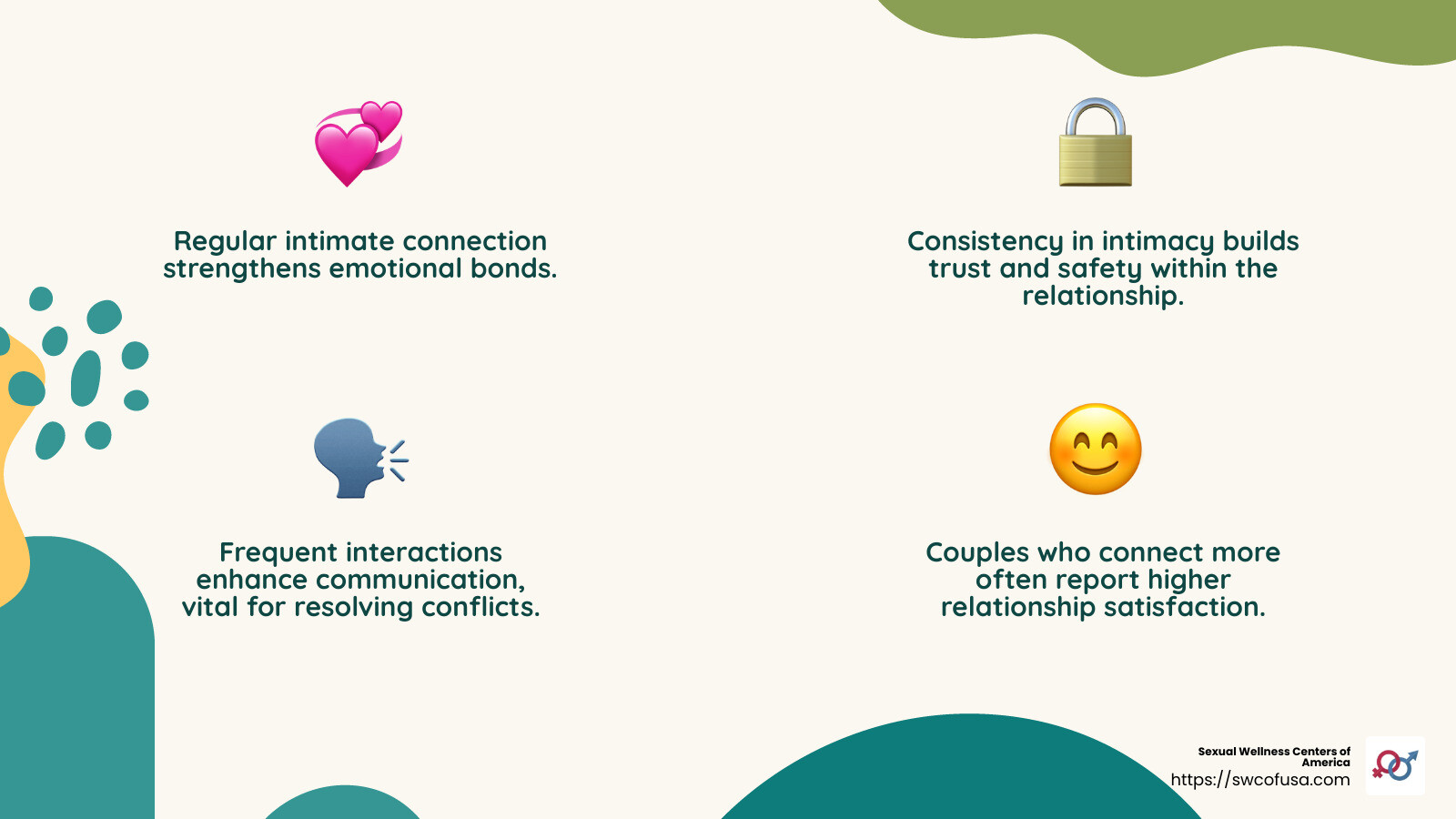
True intimacy is a long-term project. It requires consistent effort to keep the lines of communication open and the desire for exploration active.
- Iterative Learning: Treat each sexual experience as a feedback loop. What worked today may not be preferred tomorrow, and that is a natural part of human change.
- Scheduling Intimacy: While it may sound unromantic, setting aside time specifically for connection ensures that intimacy is not consistently deprioritized due to busy schedules.
- Educational Resources: Referencing evidence-based literature or seeking guidance from certified sex therapists (AASECT-certified professionals) can provide a structured, healthy, and accurate way to expand one's understanding of intimacy techniques.
Frequently Asked Questions
How can I suggest trying something new without making my partner feel judged?
Frame the conversation around your own desires rather than your partner’s perceived shortcomings. Use "I" statements, such as "I have been reading about this technique and I’m curious if we could try it together to see how it feels for us." This emphasizes collaboration over criticism.
Is there a "right" way to perform sex for better intimacy?
There is no objectively "right" way. The most effective techniques are those that are mutually agreed upon, comfortable, and pleasurable for all parties involved. The goal is to reach a state of mutual satisfaction, not to adhere to a predefined standard or trend.
What should we do if one partner is not interested in experimenting?
Respecting personal boundaries is the highest form of intimacy. If a partner is uncomfortable, do not pressure them. Explore why they feel hesitant—perhaps there is an underlying concern or insecurity—and focus on building comfort in other areas until they feel ready to expand their boundaries.
How often should we be talking about our intimate life?
Regular, low-pressure check-ins are best. This doesn't have to be a formal meeting; it can be a casual conversation about what felt good during a recent encounter. Frequency should be dictated by your comfort levels as a couple, but consistency is key to ensuring that no issues fester.
Where can I go for professional help if we are struggling to connect?
A licensed therapist, particularly one who specializes in sexual health or marital counseling, can provide a neutral, safe space to discuss intimacy issues. You can verify a practitioner’s credentials through professional directories maintained by national psychological or psychiatric associations.
Next Steps for Couples
The most practical next step is to initiate a "low-stakes" conversation. Choose a neutral time and start by expressing gratitude for your current connection. Then, express a desire to explore ways to enhance your physical closeness. Start with non-sexual physical touch—such as holding hands, hugging, or massaging—to build physical rapport before moving toward more specialized techniques. Remember that the journey of understanding intimacy is ongoing and should be guided by curiosity, kindness, and deep mutual respect.
Image Gallery