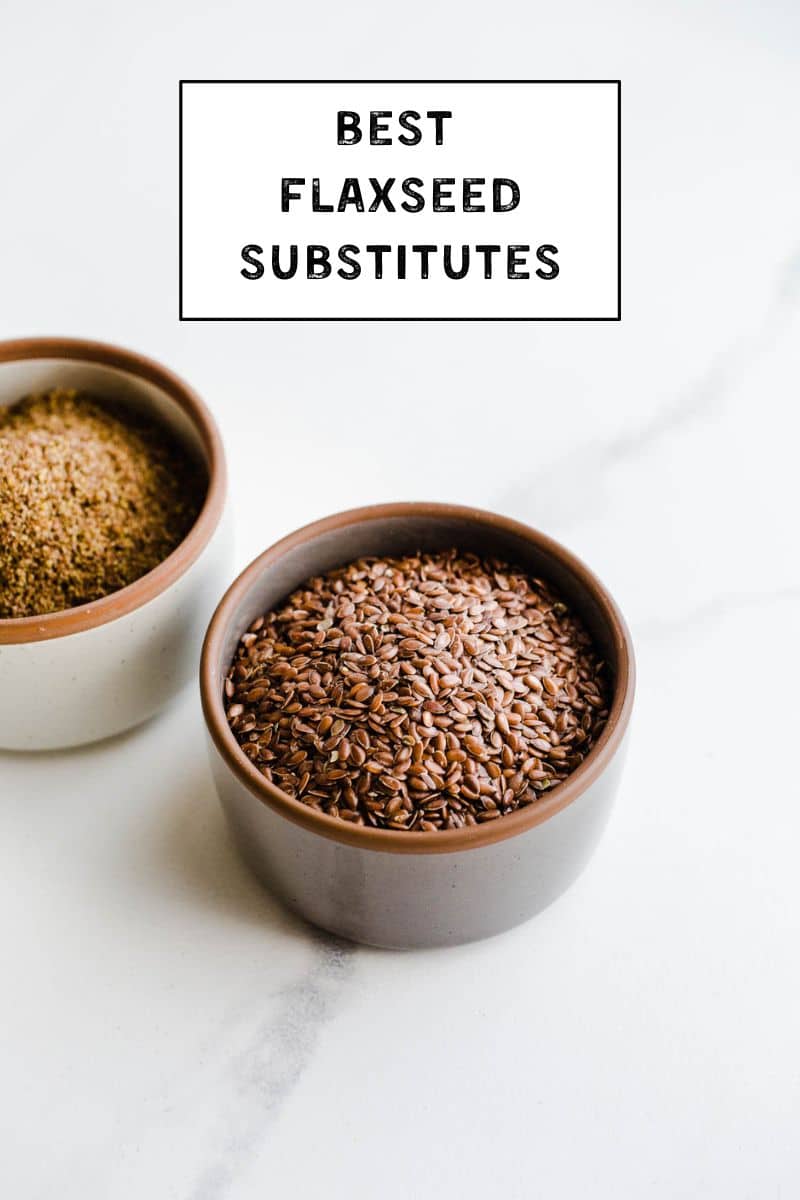
Choosing a Flax Meal Substitute: A Guide for Culinary and Dietary Precision
Choosing a flax meal substitute requires a precise understanding of whether you are trying to replicate the binding power of "flax eggs" in vegan baking or the nutritional profile and texture of ground flaxseeds in smoothies, oatmeal,...
Choosing a flax meal substitute requires a precise understanding of whether you are trying to replicate the binding power of "flax eggs" in vegan baking or the nutritional profile and texture of ground flaxseeds in smoothies, oatmeal, and savory coatings. Flax meal, typically made from ground Linum usitatissimum, is prized for its high alpha-linolenic acid (ALA) content—a plant-based omega-3 fatty acid—and its ability to form a gelatinous, mucilaginous consistency when mixed with water. Because no single ingredient perfectly captures both the nutritional density and the unique hydrocolloid properties of flax, selection must be dictated by your specific functional goal.
Contents
The Functional Role of Flax Meal in Recipes
To select an effective substitute, you must first identify the "job" flax meal is performing in your recipe. In the majority of culinary applications, flax meal functions in one of two distinct ways: as a structural binder or as a textural additive.
Flax as a Binding Agent
When flax meal is hydrated, its soluble fiber content interacts with water to create a thick, viscous gel. In vegan or egg-free baking, this gel acts as a stabilizer, providing the structural integrity needed to hold together cookies, muffins, and quick breads. If your recipe calls for a "flax egg"—typically one tablespoon of ground flax mixed with three tablespoons of water—you are relying on this hydrocolloid function. A substitute here must be capable of forming a similar gel-like matrix.
Flax as a Textural and Nutritional Additive
In recipes such as smoothies, granola, or yogurt, flax meal is often used for its earthy, nutty flavor and its dense nutritional profile. In these cases, the "binding" capability is irrelevant. Your goal is simply to find an ingredient that provides a similar mouthfeel, fiber density, or mild nutty profile without compromising the integrity of the dish.
Evaluating Top Substitutes for Flax Eggs (Binding)
When replacing flax meal for the purpose of structural binding, you need ingredients rich in gums, starches, or soluble fibers.
Chia Seeds
Chia seeds (Salvia hispanica) are the closest functional match to flax meal. Like flax, chia seeds become mucilaginous when wet.
- How to substitute: Use an equal ratio of ground chia seeds to flax meal. If the recipe calls for flax meal, you can grind whole chia seeds in a clean coffee grinder to reach a similar particle size.
- Best for: Cookies, muffins, and dense breads where the slight texture of the seeds is acceptable.
Psyllium Husk
Psyllium husk is significantly more potent than flax meal as a binding agent. It is composed primarily of hemicellulose and is a powerful thickener.
- How to substitute: Use approximately one-quarter of the amount of psyllium husk compared to the flax meal required. Because it is highly absorbent, you may need to increase the liquid content of your recipe slightly to prevent the end product from becoming too dry.
- Best for: Gluten-free baking and recipes requiring significant structural support.
Commercial Vegan Egg Replacers
Many commercially available egg replacers utilize a blend of starches—such as potato starch, tapioca starch, and leavening agents like baking powder.
- How to substitute: Follow the manufacturer's instructions on the packaging, as ratios vary widely by brand.
- Best for: Delicate recipes where you want to avoid the "seed" texture or darker color associated with flax and chia.
Evaluating Alternatives for Textural and Nutritional Needs
If you are incorporating flax meal into a diet for its omega-3 fatty acids and fiber, but find the flavor unappealing or the ingredient unavailable, consider these alternatives that focus on nutritional and flavor parity.
Hemp Hearts
Hemp hearts (shelled hemp seeds) provide a superior flavor profile compared to flax meal. They are creamy, slightly nutty, and possess a softer texture.
- Nutritional trade-off: While they contain healthy fats, they differ from flax in that they are a complete protein source. They do not possess the same gelling property as flax, so they will not function as a binder.
- Best for: Smoothies, oatmeal, and toppings where nutrition is the primary driver.
Almond Flour or Meal
Almond flour offers the nutty base flavor found in flax meal but lacks the mucilaginous binding property. It is excellent for adding bulk and a rich, tender crumb to baked goods.
- Best for: Adding substance to pancakes or as a crunchy coating for savory vegetables or proteins.
Comparison of Flax Meal Substitutes
| Substitute | Primary Function | Texture Contribution | Best Application |
|---|---|---|---|
| Chia Seeds | Binding/Gelation | Slightly crunchy | Vegan baking, binding |
| Psyllium Husk | High-strength Binding | Smooth/Gel-like | Gluten-free bread, pizza crusts |
| Hemp Hearts | Nutritional/Flavor | Soft/Creamy | Smoothies, breakfast bowls |
| Almond Flour | Texture/Bulk | Fine/Powdery | Cookies, pancakes, coatings |
| Tapioca Starch | Binding/Thickening | Smooth/Starchy | Sauces, delicate baked goods |
Common Mistakes When Substituting Flax
The most frequent error in substitution is failing to account for hydration differences. Flax meal has a specific absorption rate; if you swap it for an ingredient like hemp hearts without adjusting the liquid ratios, your batter may become too thin. Conversely, if you swap it for psyllium husk without adding extra water, your final product may become overly dense or rubbery.
Always introduce the substitute in a small batch first if you are altering a complex recipe. Pay attention to how the "dough" or "batter" feels compared to your experience with the original flax-based version. If it feels too stiff, add liquid one tablespoon at a time. If it lacks structure, consider adding a small amount of an additional starch, such as cornstarch or arrowroot powder.
Nutritional Considerations and Safety
Flax meal is often consumed for its high concentration of ALA and fiber. When you switch to a substitute, you may be altering the nutritional profile of your meal significantly.
- Omega-3 Content: If you are specifically targeting ALA intake, chia seeds are the only common substitute that provides a comparable level of omega-3 fatty acids.
- Fiber Intake: Psyllium husk is a superior source of soluble fiber, often used for digestive health, whereas ingredients like almond flour are higher in monounsaturated fats and proteins.
- Allergy Awareness: Individuals with nut allergies should avoid almond flour as a substitute for flax, which is a seed. Ensure that your chosen substitute is processed in a facility that aligns with your specific dietary requirements regarding cross-contamination.
Medical Note: If you are incorporating high-fiber substitutes like psyllium husk into your diet for digestive purposes, increase your daily water intake significantly. Rapidly increasing fiber intake without adequate hydration can cause gastrointestinal discomfort.
FAQ: Frequently Asked Questions
Can I use flax oil instead of flax meal? No. Flax oil lacks the fiber and protein found in the meal, and it possesses no gelling or binding properties. It is a nutritional supplement and cannot be used for structural purposes in baking.
Does grinding flax seeds make a difference compared to pre-ground meal? Yes. Whole flax seeds pass through the digestive system largely intact, meaning you do not receive the same nutritional benefits as you do from ground meal. Furthermore, whole seeds provide zero binding function in a recipe. Grinding your own seeds immediately before use ensures maximum freshness and optimal gel formation.
Can I substitute flax meal with wheat flour? While wheat flour provides bulk, it lacks the fat and the specific mucilaginous binding power of flax meal. It will not function as an egg replacement and will change the overall moisture level of your recipe.
Is there a gluten-free substitute for flax meal? Yes, chia seeds, psyllium husk, and almond flour are all naturally gluten-free. Always check the packaging of commercial egg replacers, as some blends may contain wheat-based starches.
How long can I store ground flax meal substitutes? If you grind your own flax or chia, store the meal in an airtight container in the refrigerator or freezer. Seeds are high in polyunsaturated fats and can turn rancid quickly when exposed to heat, light, and oxygen.
Final Recommendation
For the most versatile replacement, keep both chia seeds and psyllium husk in your pantry. Use ground chia seeds when you need a direct, 1:1 functional equivalent for flax in everyday baking. Reserve psyllium husk for specialized, high-structure recipes where a stronger binding effect is required. By testing these alternatives against your specific recipe goals, you can maintain the integrity of your cooking regardless of whether you have flax meal on hand.
Image Gallery