Understanding the Background and Career Timeline of Judge Lynn Toler
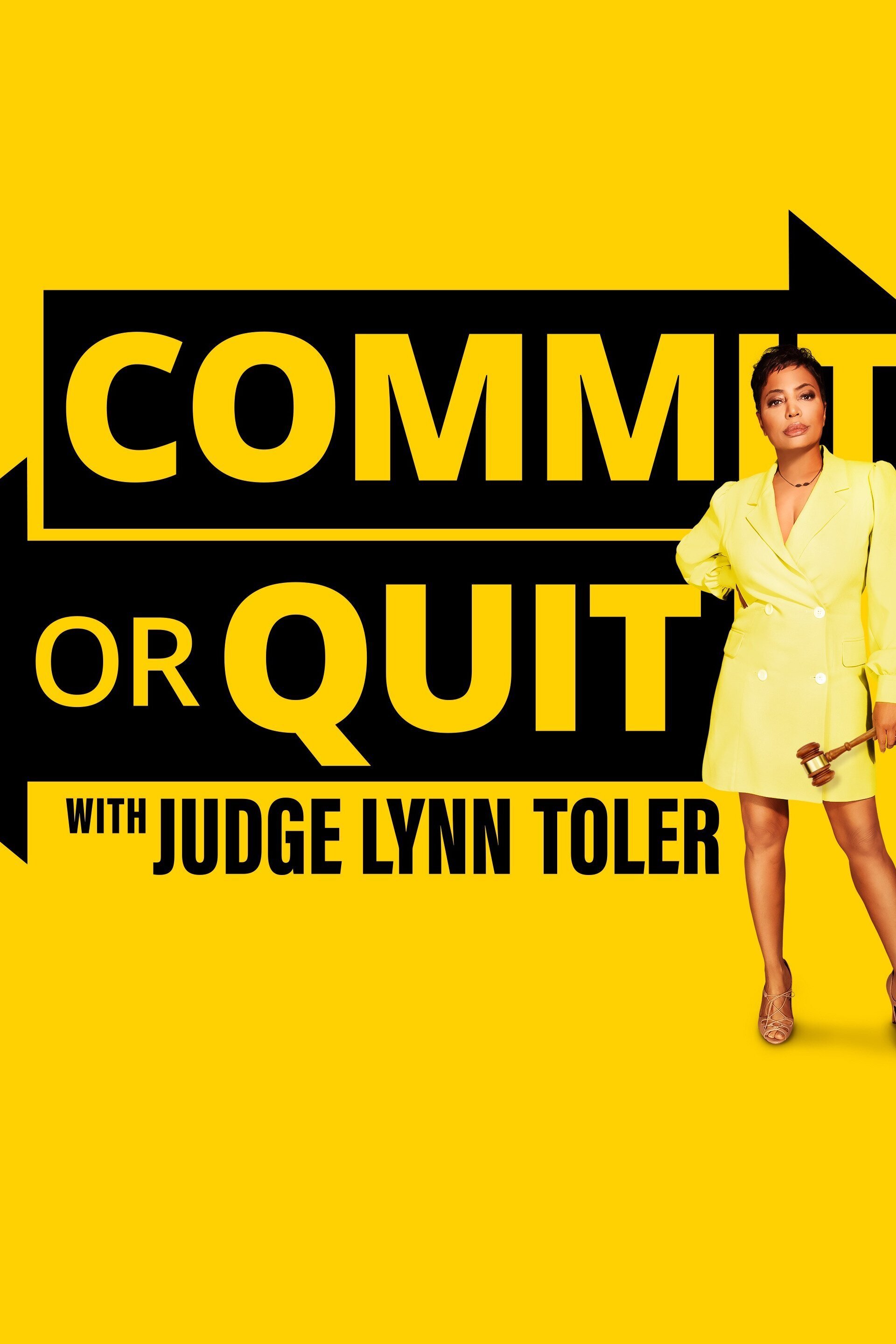
As of 2026, Judge Lynn Toler is 67 years old. She was born on October 25, 1959. Renowned for her long-standing tenure as the presiding judge on the nationally syndicated courtroom series Divorce Court, she has cultivated a multi-decade...
As of 2026, Judge Lynn Toler is 67 years old. She was born on October 25, 1959. Renowned for her long-standing tenure as the presiding judge on the nationally syndicated courtroom series Divorce Court, she has cultivated a multi-decade career that spans the legal profession, television broadcasting, and authorship. Her influence extends beyond the courtroom, as she frequently engages in public discourse regarding family dynamics, personal accountability, and the intersection of law and interpersonal conflict.
Contents
Early Life and Academic Foundations
Born in Columbus, Ohio, Lynn Toler developed an early interest in the mechanics of law and social order. Her academic journey provided the bedrock for her eventual transition into the public eye. She attended Harvard University, where she earned an undergraduate degree in English and American Literature in 1981. This background in literature proved useful later in her career, as it sharpened her ability to articulate complex legal concepts in a manner accessible to a lay audience.
Following her time at Harvard, she pursued a Juris Doctor (J.D.) degree at the University of Pennsylvania Law School, graduating in 1984. Upon completion of her legal studies, she began a transition into the professional sphere, eventually establishing herself as a practicing attorney. Her early career was defined by standard legal practice, which provided the requisite experience for her eventual appointment to the bench.
The Transition to the Bench
Before achieving national fame as a television personality, Toler served as an attorney in private practice and eventually moved into the judiciary. In 1993, she was elected as a judge of the Cleveland Heights Municipal Court in Ohio. Her tenure in this position lasted eight years.
During her time on the bench in Cleveland Heights, Toler was noted for a judicial style that emphasized personal responsibility. She often utilized alternative sentencing strategies, such as ordering individuals to attend specialized counseling or educational programs, rather than relying solely on traditional punitive measures. This approach provided a preview of the persona she would later bring to national television, where she consistently focused on the underlying causes of interpersonal disputes rather than merely issuing legal rulings.
National Recognition: The Divorce Court Era
Judge Lynn Toler is perhaps most widely recognized for her role on Divorce Court. She joined the program in 2006, succeeding Judge Mablean Ephriam. For the next 14 years, she became the face of the long-running arbitration-based reality program. Her presence on the show was marked by her ability to bridge the gap between strict legal interpretation and the emotional realities of the couples appearing before her.
In 2020, Judge Toler announced her departure from Divorce Court. Her exit marked the end of a significant era for the program, during which she had become a staple of daytime television. Throughout her tenure, the show focused on the breakdown of marriages, offering a platform for spouses to air grievances and receive mediation-style feedback.
Career Evolution and Media Projects
Beyond Divorce Court, Toler has utilized her platform to write and produce content centered on conflict resolution and healthy communication. She is the author of several books, including My Mother’s Rules: A Practical Guide to Becoming an Architect of Your Own Destiny. These literary works often draw on her personal history—specifically the challenges of growing up with a mother who suffered from mental health issues—and her professional observations in the courtroom.
In 2020, she joined the WE tv series Marriage Boot Camp, continuing her work as a mediator for couples facing significant relationship hurdles. Her role in this series transitioned from the formal, binding environment of a courtroom to a more therapeutic, coaching-centric framework. This shift highlighted her versatility as both a legal professional and a public advisor on social behavior.
Historical Context of Judicial Television
To understand Judge Toler's career, it is necessary to view it within the broader landscape of "courtroom reality television." Since the mid-1990s, television producers have sought to capture the drama of the legal system through arbitration-based programs. Unlike traditional courtrooms, which adhere strictly to state and federal rules of evidence and procedure, these programs often function as private arbitration services where the "judge" acts as an adjudicator.
| Feature | Municipal Court (Historical) | Courtroom Television |
|---|---|---|
| Jurisdiction | Statutory, defined by law | Contractual/Arbitration |
| Procedure | Formal, rules-based | Structured for media appeal |
| Objective | Final legal judgment | Conflict resolution and entertainment |
| Primary Goal | Compliance with law | Mediation and personal advice |
This distinction is vital for viewers to understand. While Judge Toler’s background is rooted in real-world judicial experience, her television career required adapting those skills to satisfy the entertainment requirements of a national audience. Her ability to remain consistent in her delivery—balancing empathy with firm moral expectations—is cited as a primary reason for her enduring popularity in the genre.
Addressing Frequently Asked Questions
1. Is Judge Lynn Toler still a practicing judge? No, Judge Toler is no longer a sitting judge in a municipal or state court. She retired from her judicial duties to focus on her career in broadcasting, authorship, and public advocacy.
2. How did Judge Lynn Toler first become famous? She gained national recognition through her 14-year tenure as the presiding judge on the long-running show Divorce Court, which she joined in 2006.
3. What is Judge Lynn Toler’s educational background? She holds a Bachelor’s degree from Harvard University and a Juris Doctor degree from the University of Pennsylvania Law School.
4. Where was Judge Lynn Toler born? She was born in Columbus, Ohio, and spent a significant portion of her early life and legal career in the state of Ohio.
5. What is the focus of her books? Her books largely focus on personal development, resilience, and the navigation of family conflict. She frequently shares lessons learned from her own life and her time observing people in crisis during her judicial career.
6. Does she have a background in counseling? While she is a trained lawyer and not a licensed clinical psychologist, her work on shows like Marriage Boot Camp focuses on mediation and interpersonal communication strategies, which often overlap with the principles of family counseling.
Professional Advocacy and Legacy
Throughout her career, Judge Toler has maintained a consistent theme of self-reliance. She frequently posits that individuals are responsible for their own outcomes, even when faced with systemic or external challenges. This philosophy has made her a polarizing yet respected figure in media. Critics sometimes argue that her focus on individual behavior overlooks the broader systemic failures in the justice system, while supporters praise her for emphasizing agency and personal growth.
As of 2026, her impact on the landscape of daytime television is established. She successfully transitioned from a traditional legal role to a public figure who utilizes the authority associated with the title of "Judge" to provide guidance on modern relationship issues. Her legacy remains tied to her ability to synthesize the rigid, impersonal nature of the law with the fluid, subjective nature of human emotion.
Recommendation for Further Research
For those interested in the evolution of courtroom media or the legal background of media personalities, official court records from the Cleveland Heights Municipal Court represent the best primary sources for verifying her early judicial work. For insights into her current philosophies and advice, her published books offer a more direct look at her perspective on family dynamics and conflict resolution than the edited, high-drama snippets seen on television.
Image Gallery