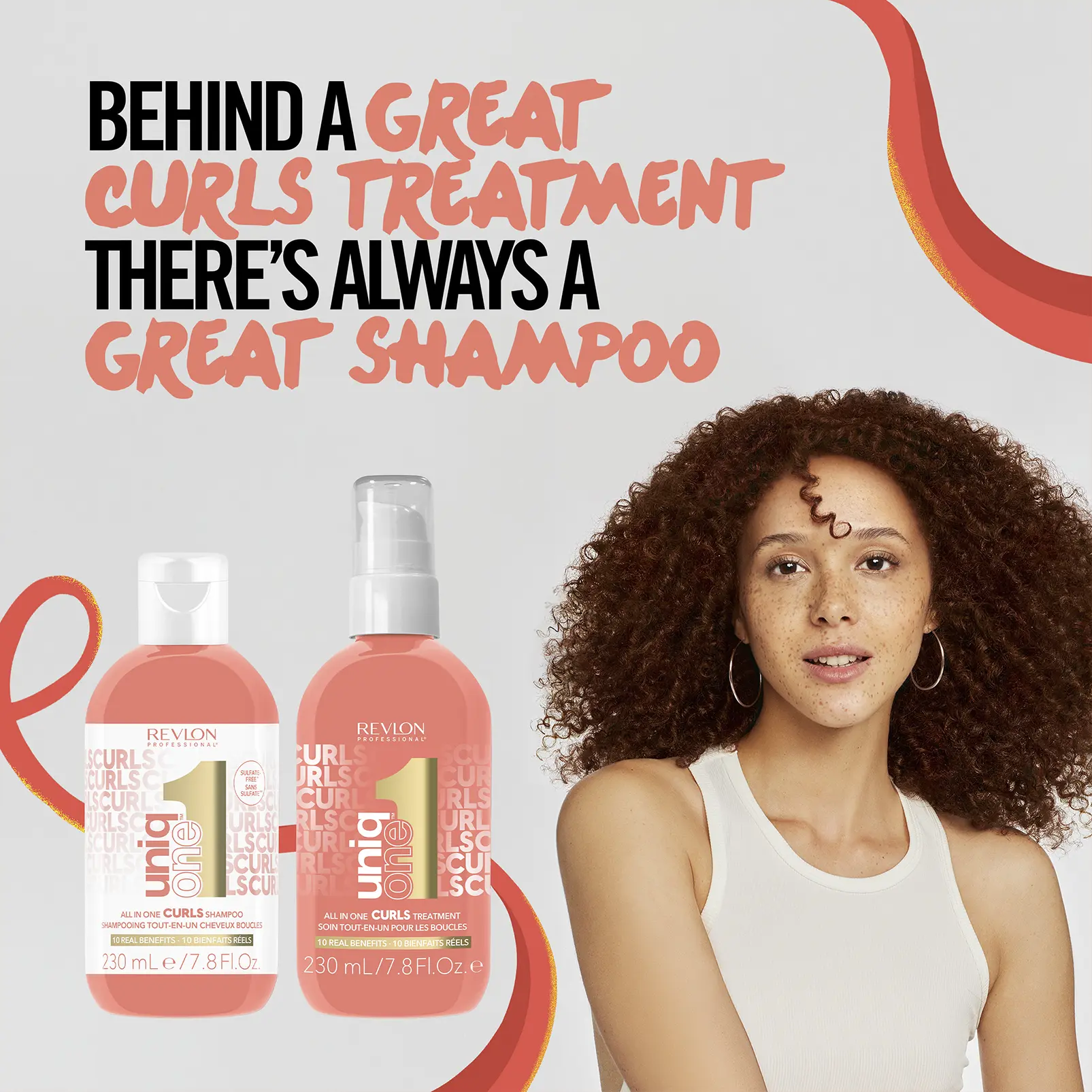
The Best Clean Shampoo for Curly Hair: A Complete 2026 Guide
Choosing the best clean shampoo for curly hair requires selecting formulas free from harsh sulfates, drying alcohols, and heavy silicones that compromise natural texture. Prioritize "low-poo" or "no-poo" options containing plant-based...
Choosing the best clean shampoo for curly hair requires selecting formulas free from harsh sulfates, drying alcohols, and heavy silicones that compromise natural texture. Prioritize "low-poo" or "no-poo" options containing plant-based surfactants like decyl glucoside and moisture-retaining humectants like aloe vera to maintain the delicate protein-moisture balance essential for defined, frizz-free curls.
Contents
Defining "Clean" in 2026 Curly Hair Care
As of 2026, the definition of "clean" beauty has evolved from a vague marketing buzzword into a more standardized framework focused on ingredient transparency, environmental impact, and dermatological safety. For curly-haired individuals, "clean" specifically refers to products formulated without ingredients that disrupt the hair’s natural lipid barrier or cause long-term buildup.
In the current market, clean shampoos are defined by the absence of "The Big Three": sulfates, silicones, and parabens. However, the 2026 standard also encompasses the exclusion of phthalates, synthetic fragrances (which often contain undisclosed allergens), and specific formaldehyde-releasing preservatives. Clean curly hair care focuses on biocompatibility—using ingredients that the scalp and hair can actually utilize without causing irritation or structural damage to the cuticle.
The shift toward clean formulations is particularly vital for curls because curly hair is naturally drier than straight hair. The coiled structure prevents the scalp’s natural oils (sebum) from traveling down the hair shaft effectively. Harsh, traditional shampoos strip what little oil exists, leading to the "poof" effect, breakage, and loss of pattern. Clean shampoos aim to cleanse the scalp while preserving the integrity of the hair's hydrophobic layer.
Why Curly Hair Needs Specialized Clean Formulas
Curly hair is structurally different from straight hair. The elliptical shape of the hair follicle creates "kinks" or "twists" along the shaft, which are inherent points of weakness. These points are where the cuticle is most likely to lift, leading to moisture loss. Traditional shampoos utilize high-pH surfactants that force the cuticle open aggressively, which can lead to irreversible damage over time.
The Role of Porosity
Understanding clean shampoo requires understanding porosity—your hair’s ability to absorb and retain moisture.
- High Porosity: Often caused by heat or chemical damage, these curls have open cuticles that take in water quickly but lose it just as fast. Clean shampoos for high porosity need film-forming humectants and proteins to "plug" the gaps.
- Low Porosity: These curls have tightly closed cuticles that resist moisture. Clean shampoos for low porosity require lightweight ingredients and mild surfactants that can gently encourage the cuticle to open without stripping the hair.
Scalp Health and Microbiome
In 2026, we recognize that hair health starts at the scalp microbiome. Clean shampoos avoid harsh antimicrobial agents that kill beneficial bacteria. By using fermented ingredients or prebiotics, clean shampoos for curly hair support a balanced scalp environment, reducing the incidence of seborrheic dermatitis—a common issue for those who wash their hair less frequently to preserve curls.
Key Ingredients to Avoid for Healthier Curls
To successfully navigate the clean beauty aisle, you must be able to identify "red flag" ingredients that frequently hide in traditional "moisturizing" shampoos.
- Sulphates (SLS/SLES): Sodium Lauryl Sulfate and Sodium Laureth Sulfate are powerful detergents. While effective at removing dirt, they are too aggressive for curls, essentially acting like dish soap on a silk scarf. They strip the protective fatty acids that keep curls grouped together.
- Non-Water-Soluble Silicones: Ingredients like Dimethicone or Cyclomethicone provide temporary shine by coating the hair. However, because they are not water-soluble, they require sulfates to remove. If you use a clean (sulfate-free) shampoo with a silicone-heavy conditioner, you will experience "weigh-down" and eventual breakage from dehydration.
- Drying Alcohols: Ethanol, Isopropyl alcohol, and Propanol are often used to make products dry faster, but they evaporate the internal moisture of the hair cortex, leaving curls brittle. Note that "fatty alcohols" like Cetyl or Stearyl alcohol are actually beneficial and "clean-approved" as they act as emollients.
- Synthetic Fragrances: Often listed simply as "Parfum," these can contain hundreds of unlisted chemicals including phthalates, which are known endocrine disruptors. Clean shampoos prioritize essential oils or botanical extracts for scent.
Must-Have Ingredients for Moisture and Definition
When auditing a clean shampoo, look for these high-performance, curly-girl-friendly components:
Gentle Surfactants
Instead of sulfates, look for Decyl Glucoside, Coco-Glucoside, or Sodium Cocoyl Isethionate. These are derived from coconut or corn and provide a creamy lather that cleanses without disrupting the moisture barrier. According to the Environmental Working Group (EWG), these surfactants typically hold low hazard scores for skin irritation.
Humectants
Humectants draw moisture from the air into the hair shaft. Glycerin, Aloe Vera, and Honey are gold standards. In 2026, we are also seeing an increase in Hyaluronic Acid and Tremella Mushroom extract in hair care, which can hold up to 1,000 times their weight in water, providing intense hydration without weight.
Emollients and Occlusives
To lock that moisture in, clean shampoos use plant oils and butters. Shea Butter, Argan Oil, and Jojoba Oil (which closely mimics human sebum) are excellent for lubricating the hair shaft and reducing friction during the washing process.
How to Choose a Clean Shampoo by Curl Type
Not all curls are created equal. The clean shampoo that works for a 2A wavy might be a disaster for a 4C coily texture.
| Hair Type | Curl Description | Recommended Clean Formula | Key Benefit |
|---|---|---|---|
| Type 2 (Wavy) | S-shaped waves, easily weighed down. | Lightweight Low-Poo | Provides volume and removes sebum without flattening the wave. |
| Type 3 (Curly) | Defined loops/corkscrews, prone to frizz. | Moisturizing Cream Cleanser | Balances cleansing with high slip for detangling. |
| Type 4 (Coily) | Tight coils or Z-patterns, very fragile. | No-Poo / Co-Wash | Maximum oil retention; protects against mechanical breakage. |
| All Types | Scalp buildup or hard water exposure. | Chelating Clarifier | Removes minerals and product buildup using phytic acid or apple cider vinegar. |
Transitioning to Clean Hair Care: The "Detox" Phase
When you first switch to a clean shampoo for curly hair, you may experience a "detox" period lasting 2 to 4 weeks. This occurs because your hair is likely coated in layers of accumulated silicones and waxes that the gentle clean surfactants cannot remove in one wash.
During this phase, your hair might feel "waxy," "heavy," or even drier than usual. This isn't because the clean shampoo isn't working; it's because the "mask" of silicones has been partially removed, revealing the actual state of your hair underneath.
Steps for a successful transition:
- The Final Reset: Before starting your clean routine, use a "reset" shampoo that contains sulfates but NO silicones. This strips the slate clean one last time.
- The ACV Rinse: Use an Apple Cider Vinegar (ACV) rinse (1 part ACV to 4 parts water) once a week during the first month. This helps balance the pH of the scalp and breaks down stubborn mineral buildup from hard water.
- Patience with Lather: Clean shampoos don't foam like traditional ones. This doesn't mean they aren't cleaning. Friction and massage are what activate clean surfactants.
Expert Application Techniques for Maximum Results
How you wash your curly hair is just as important as what you wash it with. Clean shampoos require a slightly different approach to be effective.
Sectioning
If you have high-density or coily hair, divide your hair into 4–6 sections before getting into the shower. This ensures the clean shampoo reaches the scalp in the center of the head, which is often missed, leading to "itchy scalp" issues.
Emulsification
Clean shampoos are often highly concentrated. Instead of applying the product directly to your head, rub it between your palms with a little bit of water until it turns white or slightly frothy. This "activates" the plant-based surfactants.
The "Squish to Condish" Method
While technically a conditioning step, the clean hair routine relies on the "Squish to Condish" method. After shampooing, apply your clean conditioner to soaking wet hair and scrunch upwards. This forces the water and the clean ingredients into the hair cuticle, ensuring the hydration from your clean shampoo isn't lost.
Frequently Asked Questions
Can I use clean shampoo if I have color-treated curly hair?
Yes, clean shampoos are actually superior for color-treated curls. Because they lack sulfates, they don't strip the color molecules from the hair shaft as quickly as traditional shampoos. Look for clean formulas containing antioxidant-rich ingredients like green tea or sunflower seed extract to protect against UV-induced fading.
How often should I wash my curls with clean shampoo?
Most curly experts recommend washing 1–2 times per week. Over-washing, even with clean products, can lead to hygral fatigue (the weakening of the hair fiber due to constant swelling and deswelling with water). Between washes, use a clean "refresh" spray or water to reactivate your curls.
Why is my clean shampoo not lathering?
Clean shampoos use non-ionic or amphoteric surfactants which naturally produce fewer bubbles. Lather is a visual cue, not a requirement for cleaning. If you feel you aren't getting a deep enough clean, ensure your hair is completely saturated with water before applying the product, or perform a double-wash: a small amount to break up surface oils, followed by a second wash to deep-clean the scalp.
Are all "sulfate-free" shampoos considered "clean"?
No. Many "sulfate-free" shampoos replace SLS with other harsh detergents like Sodium C14-16 Olefin Sulfonate, which can be just as drying for curly hair. Always check the full ingredient list for botanical-based cleansers to ensure the product meets the "clean" standard.
Next Steps for Your Curly Hair Journey
To achieve the best results with clean shampoo in 2026, start by identifying your hair's porosity and curl type. Purchase a sample size of a high-quality clean formula to test how your scalp reacts over a two-week period. Remember that clean hair care is a holistic approach; for the best results, pair your clean shampoo with a silicone-free conditioner and a microfiber towel to minimize friction. Consistent use of clean formulations will eventually lead to more resilient, defined, and naturally shiny curls that no longer rely on synthetic coatings for health.
Image Gallery