The Legacy and Revival of Retro Altoids Sours in the 2026 Market
As of 2026, original Altoids Sours remain officially discontinued by Mars, Incorporated; however, the "market" for these retro candies has evolved into a thriving ecosystem of high-value vintage collectibles and sophisticated modern re...
As of 2026, original Altoids Sours remain officially discontinued by Mars, Incorporated; however, the "market" for these retro candies has evolved into a thriving ecosystem of high-value vintage collectibles and sophisticated modern replicas. Fans can currently access the Altoids Sours experience through specialized confectionery recreations like those from Iconic Candy or Lofty Pursuits, or by purchasing rare, expired tins from secondary auction sites for historical preservation.
Contents
The story of Altoids Sours is a unique case study in consumer psychology and market demand. Originally launched in 2004, these hard candies—famous for their round tins and mouth-puckering intensity—were pulled from shelves in 2010. Since then, the void they left has been filled by a mix of "spiritual successors" and a booming secondary market where a single sealed tin can fetch hundreds of dollars. Understanding the current 2026 landscape requires looking at both the chemical composition that made them famous and the modern manufacturers who have reverse-engineered the formula to satisfy a generation’s nostalgia.
The Cultural Rise and Fall of the Original Altoids Sours
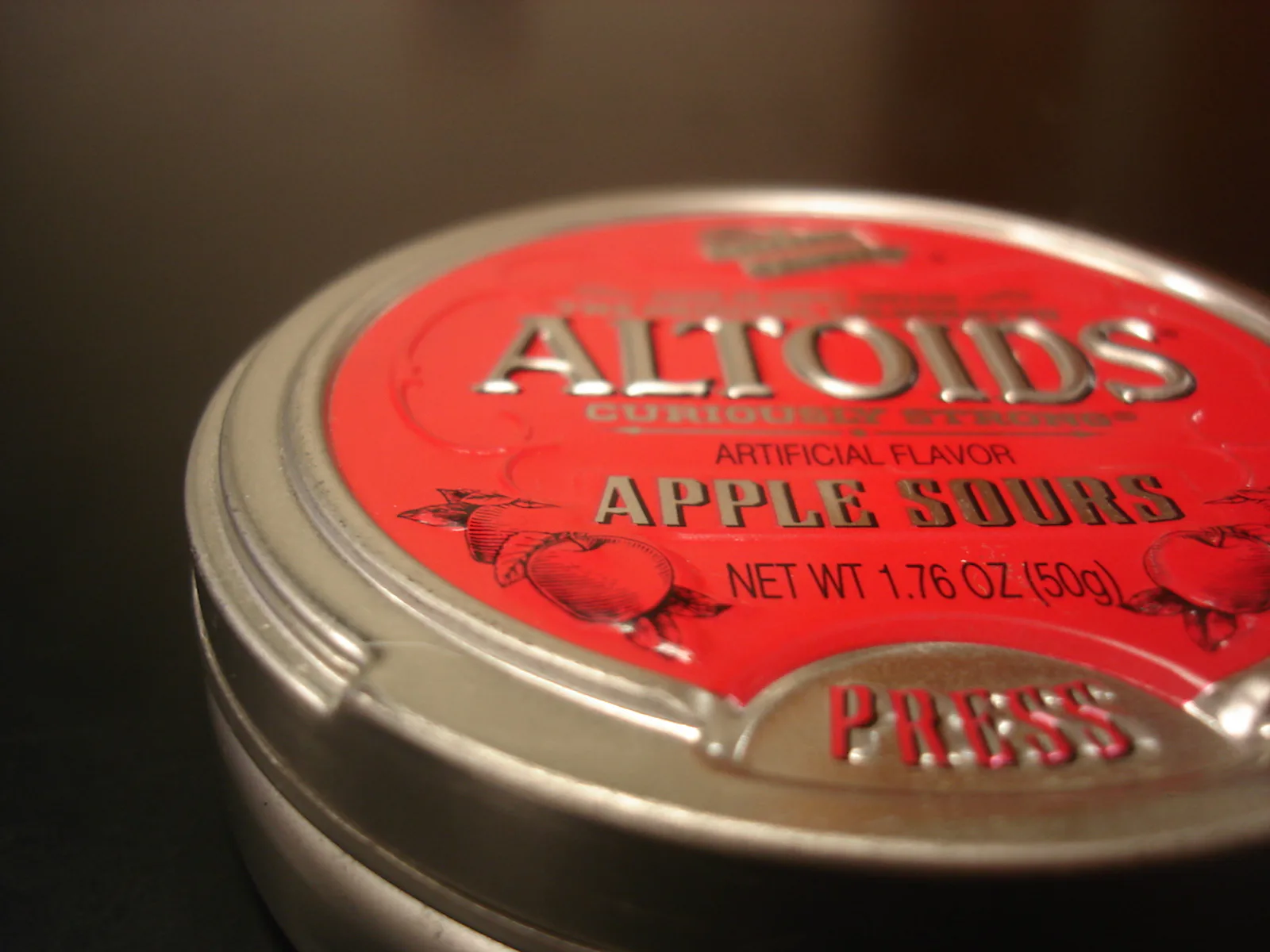
Altoids Sours were introduced by Callard & Bowser-Suchard during an era when the "Altoids" brand was synonymous with "Curiously Strong" flavors. While the original peppermint lozenges were marketed toward adults for breath freshening, the Sours line targeted a younger demographic looking for intense flavor experiences. The product line initially featured Tangerine and Citrus, eventually expanding to include Raspberry, Mango, and Apple.
The discontinuation in February 2010 came as a shock to the consumer base. Mars, which had acquired the brand, cited low sales figures as the primary driver for the decision. However, in the years following, the "cult status" of the product surged. This discrepancy between corporate sales data and consumer fervor is often attributed to the product’s niche appeal—those who loved them were fanatical, but the broader market may not have supported the massive production scales required by a global conglomerate.
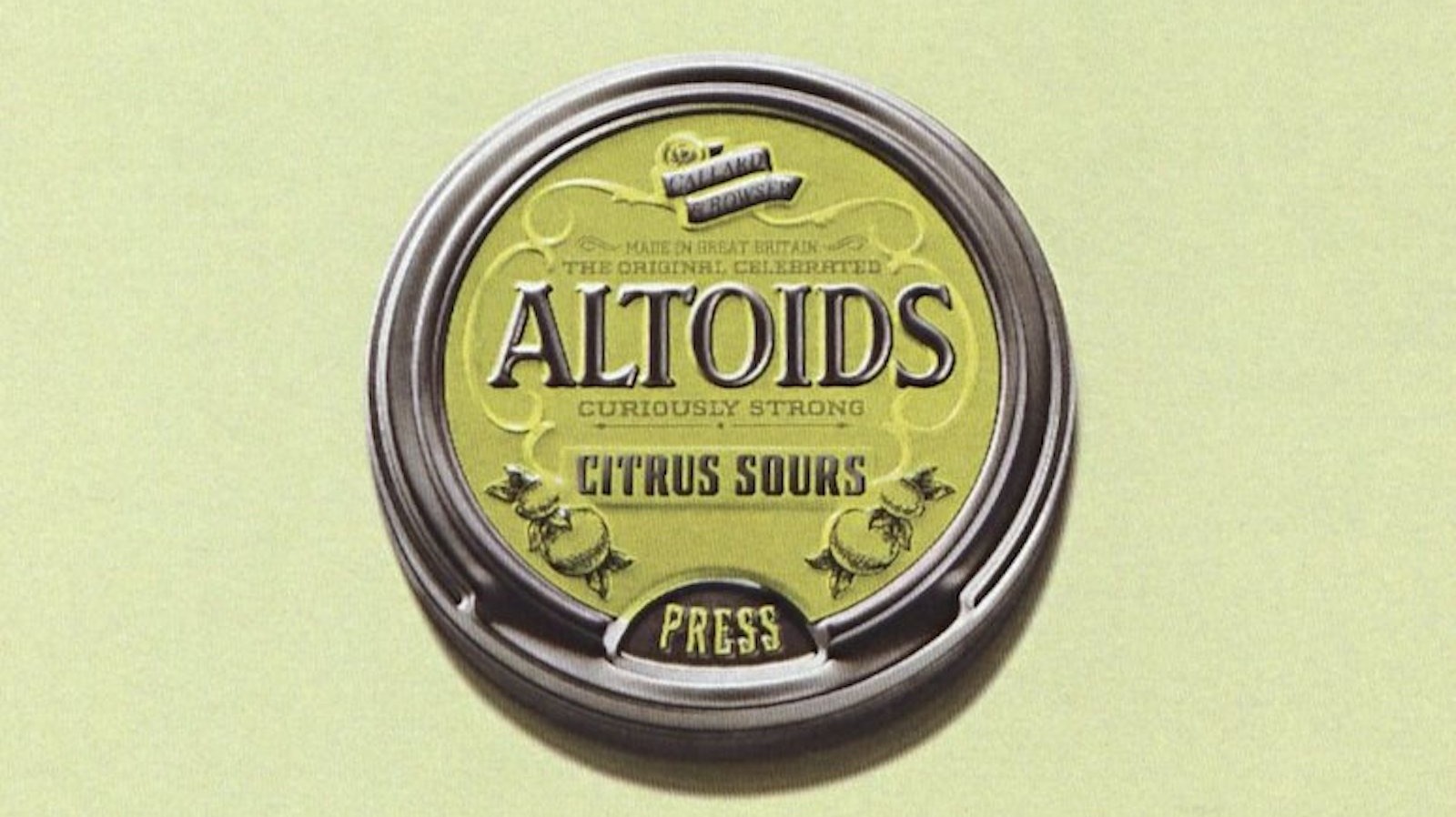
By 2026, the original tins have become iconic artifacts of early-2000s design. The vibrant, metallic colors of the round tins and the distinctive "sanded" texture of the candies—which used a heavy coating of malic acid and sugar—remain the gold standard for sour candy enthusiasts.
The Chemistry of the "Pucker": Why They Were Unique
To understand why modern alternatives are so scrutinized, one must look at the technical specifications of the original candy. Unlike many "sour" candies that rely solely on citric acid, Altoids Sours utilized a precise ratio of malic acid and citric acid combined with a hard-boiled glucose base.
- The Sanding Process: The candies were "sanded," a process where the exterior is coated in a mixture of acid and granulated sugar. This provided an immediate acidic hit (the "front-end sour") before transitioning into the sweet, fruity core.
- The Texture: They were significantly harder than modern "gummy" sours, providing a slow-release flavor profile.
- Hygroscopic Nature: One technical flaw that collectors in 2026 must deal with is that the candies were highly hygroscopic—meaning they absorbed moisture from the air. Over a decade later, almost all "sealed" original tins contain a single, solid block of melted candy rather than individual pieces.
The 2026 Secondary Market: Buying Vintage Tins
For purists, the only "true" Altoids Sours are the original tins manufactured between 2004 and 2010. However, entering this market in 2026 requires significant financial investment and an understanding of "collector grade" terminology.
Current Market Conditions:
- Sealed Tins: These are the rarest. A sealed Tangerine Sour tin, often considered the "holy grail" of the collection, can range from $350 to $550 depending on the condition of the seal and the absence of rust on the tin.
- Empty Tins: Because the tins themselves are aesthetically pleasing, a market exists for empty containers. These typically sell for $20 to $50 and are used by hobbyists for "altoid tin kits" (small survival or electronics kits).
- The "Brick" Factor: Buyers are cautioned that any original candy found inside these tins is well past its expiration date and likely fused into a crystalline mass. Consuming vintage candy from these tins is generally discouraged due to the degradation of flavor oils and potential metallic leaching from the tin lining over sixteen-plus years.
Modern Replicas: The "New" Retro Sours
Because Mars has shown no interest in officially re-releasing the product, third-party manufacturers have stepped in. In 2026, two primary entities dominate the "retro sour" market, each taking a different approach to the formula.
Iconic Candy’s "Sours"
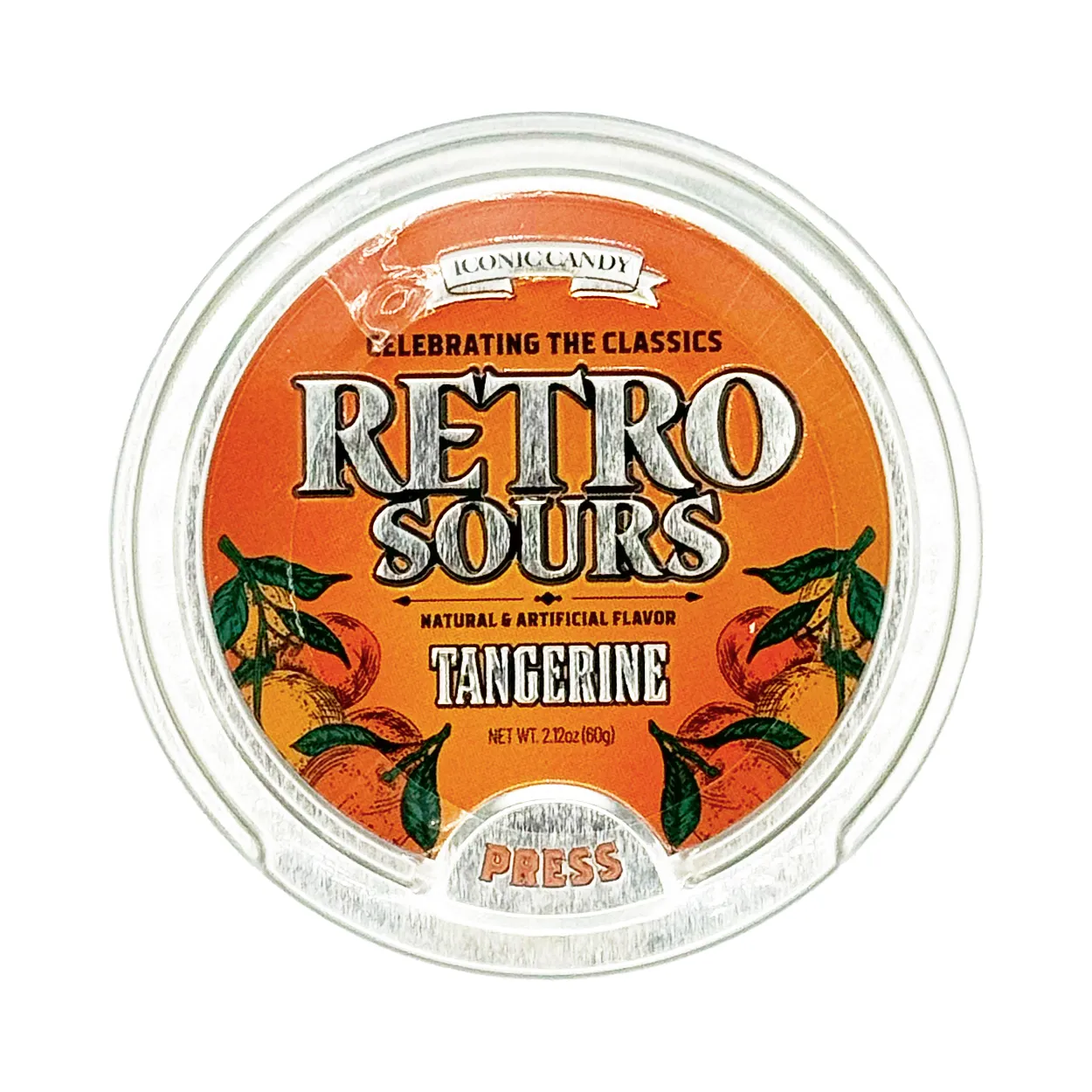
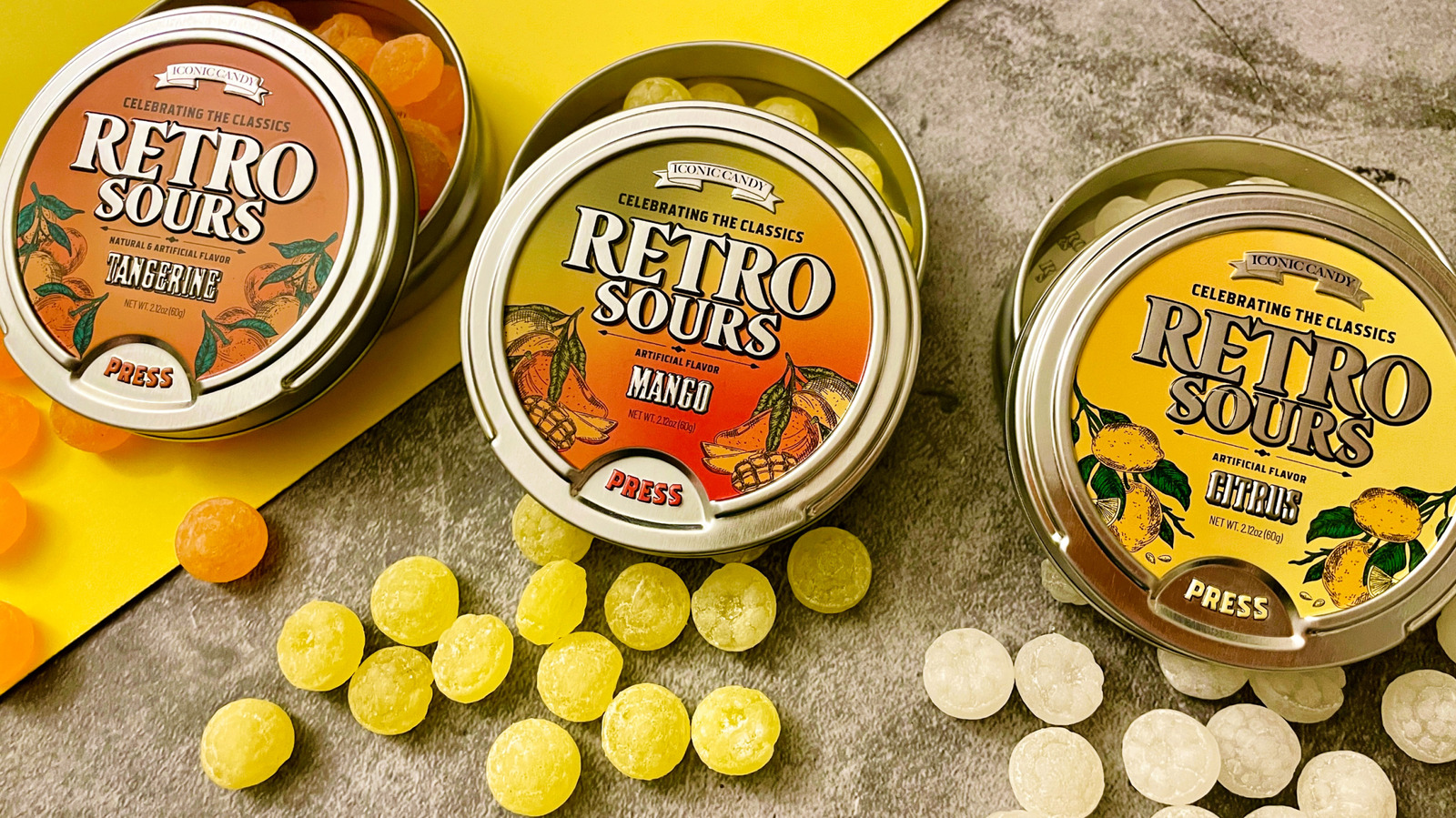
Iconic Candy specialized in reviving "dead" brands. Their version of the sour candy is widely considered the closest "commercial" successor. They have focused on replicating the exact flavor profiles of the Tangerine, Citrus, and Raspberry varieties. While they cannot use the "Altoids" trademark, their packaging and flavor chemistry are designed to trigger the same sensory response.
Lofty Pursuits (Public Domain Sours)
In a more artisanal approach, Greg Cohen of Lofty Pursuits used a mass spectrometer to analyze the chemical makeup of original Altoids Sours. This scientific reverse-engineering allowed them to create "Public Domain Sours." Their process uses traditional 19th-century candy-making equipment, which ironically produces a texture that many enthusiasts claim is more authentic than modern mass-produced versions.
Comparison of Original vs. Modern Market Alternatives
The following table compares the original product specifications with the primary 2026 alternatives to help consumers decide which "retro" experience fits their needs.
| Feature | Original Altoids Sours (Vintage) | Iconic Candy "Sours" | Lofty Pursuits "Public Domain" |
|---|---|---|---|
| Availability | Extremely Rare (eBay/Etsy) | Wide (Online/Specialty Stores) | Limited (Direct/Small Batch) |
| Price Point (2026) | $200 - $500+ (Sealed) | $5 - $8 per tin | $10 - $15 per jar/tin |
| Flavor Accuracy | Authentic (but degraded) | High (90% match) | Very High (Chemically Verified) |
| Edibility | Not recommended | Safe/Fresh | Safe/Artisanal |
| Packaging | Iconic Round Metal Tin | Similar Round Tin | Glass Jars or Square Tins |
| Primary Acid | Malic/Citric Blend | Malic/Citric Blend | Reverse-Engineered Acid Profile |
Technical Challenges in the Retro Market
The revival of these candies isn't as simple as following a recipe. Manufacturers in 2026 face several technical hurdles:
- Sanding Adhesion: Getting the sour crystals to stick to the candy without making the surface "sticky" or "tacky" requires precise humidity control during the cooling phase.
- Essential Oil Sourcing: The specific tangerine oil used in the mid-2000s is difficult to replicate. Many modern flavor houses have moved toward synthetic esters, which some "super-tasters" claim lack the floral notes of the original Altoids Sours.
- Tin Production Costs: In 2026, the cost of manufacturing custom-stamped metal tins has risen. This is why many "retro" alternatives are priced significantly higher than the original $2.00 retail price of 2004.
Common Mistakes When Searching for Altoids Sours
When navigating the retro candy market, consumers often fall into several traps:
- Confusing "Arctic" with "Sours": Altoids currently produces "Arctic" mints in similar-shaped tins. These are breath mints and do not contain the acidic sanding or fruit-based glucose core of the Sours line.
- Overpaying for "New Old Stock": Some sellers claim their tins are "fresh" because they were kept in climate-controlled storage. Chemically, the essential oils in the candy oxidize over time regardless of temperature, meaning the "flavor" will never be what it was in 2005.
- Ignoring Shipping Hazards: When buying vintage tins, the "candy brick" inside can rattle and dent the tin from the inside out during transit. Serious collectors should request that the seller wrap the tin in specific archival-grade padding.
FAQs About Retro Altoids Sours
Why hasn't Mars brought back Altoids Sours by 2026?
Mars has focused its portfolio on high-volume, global brands like M&Ms and Skittles. While the "cult" demand for Altoids Sours is vocal, the total addressable market is considered a "niche" by conglomerate standards. Furthermore, the specialized equipment required to produce the sanded round discs was likely decommissioned or repurposed years ago, making a "small run" financially unviable.
Are the modern replicas as sour as the originals?
Yes, and in some cases, they are more intense. Modern manufacturers like Lofty Pursuits have the advantage of using high-purity malic acid. The original Altoids Sours were known for a "slow burn" sourness, whereas some modern replicas provide a more immediate, sharp acidic hit.
Is it safe to eat candy from an original 2004 tin?
It is generally advised against. While sugar is a preservative, the flavorings, colorings, and the metal of the tin itself can degrade. In 2026, these are considered "historical artifacts" rather than food items. If you want the taste, the replicas are a much safer and more flavorful option.
What happened to the Tangerine flavor specifically?
Tangerine was the most popular flavor and is the most sought-after in the 2026 market. The specific "Tangerine" profile used a high concentration of Citrus reticulata oil, which provided a distinct zest that is harder to find in standard "Orange" flavored candies.
Recommendation for Consumers
If you are looking to relive the experience of Altoids Sours in 2026, your best course of action is to avoid the vintage market for consumption and instead support the artisanal manufacturers who have kept the formula alive. For the closest chemical match to the original Tangerine flavor, seek out Lofty Pursuits' Public Domain Sours. If you want a more affordable, "shelf-ready" version that captures the spirit of the original packaging and taste, Iconic Candy’s Sours line is the most accessible choice. Reserve the purchase of original 2004-2010 tins strictly for display or collection purposes.
Image Gallery