Is Jake Paul Still a YouTuber? The Reality of His Online Persona in 2026
Jake Paul is a professional boxer, sports promoter, and entrepreneur who originally rose to prominence as a YouTuber. While he continues to utilize YouTube as a primary distribution channel for his content, by 2026, his identity has ev...
Jake Paul is a professional boxer, sports promoter, and entrepreneur who originally rose to prominence as a YouTuber. While he continues to utilize YouTube as a primary distribution channel for his content, by 2026, his identity has evolved into a multi-faceted media mogul. He is no longer defined solely by digital vlogging, but by his influence in the combat sports and sports betting industries.
Contents
The Evolution from Content Creator to Combat Sports Disruptor
To understand if Jake Paul is still a YouTuber, one must first look at the trajectory of his career. Paul began his journey on the defunct short-form video platform Vine before transitioning to YouTube, where he became the face of the "vlog squad" era through his collective, Team 10. During this period, his persona was built on high-energy pranks, daily vlogs, and manufactured interpersonal drama. This version of Paul was a "YouTuber" in the most traditional sense—reliant on Google AdSense, brand deals, and merchandise (merch) sales.
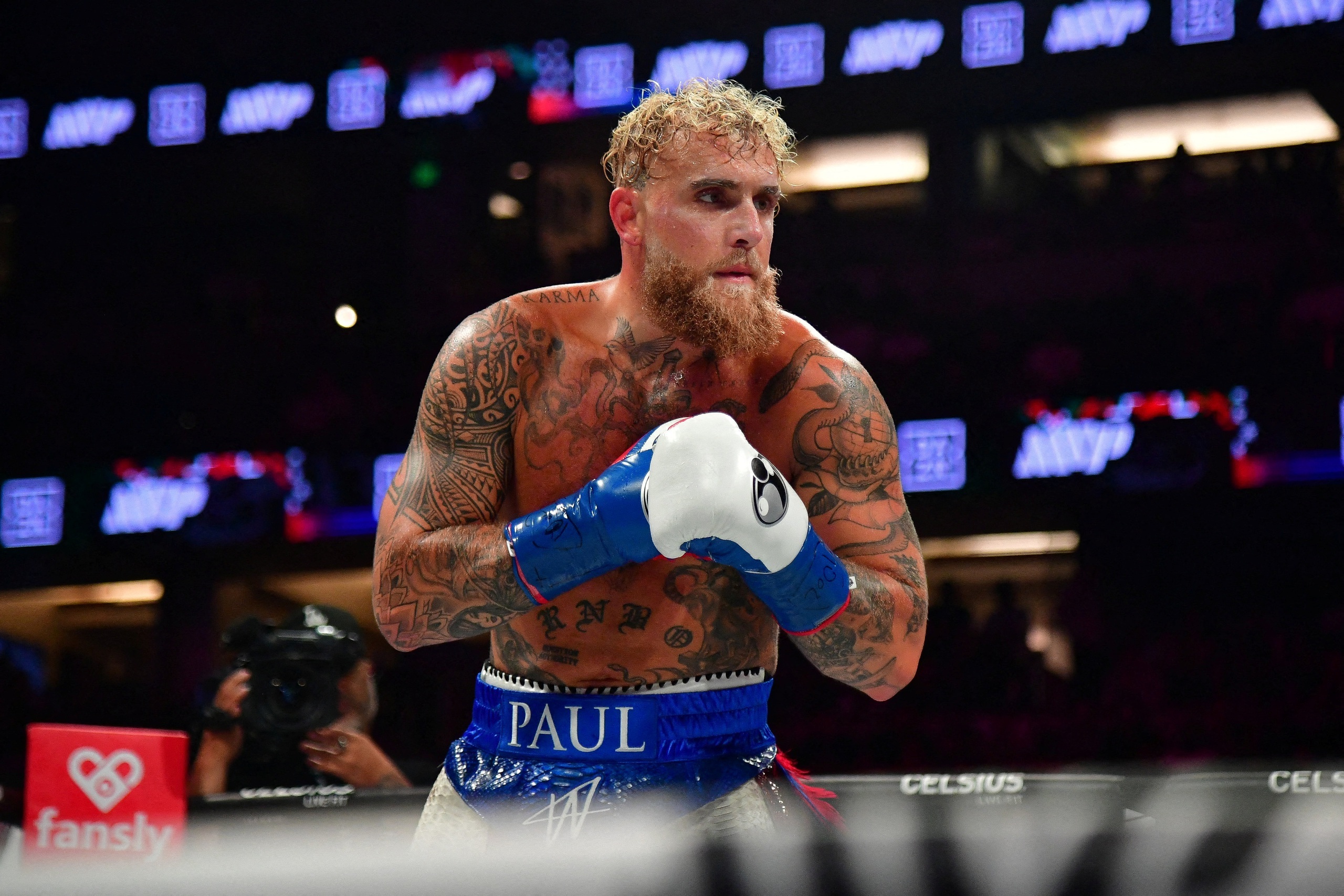
However, the shift began in earnest around 2018 with his first white-collar amateur boxing match. What started as a spectacle evolved into a disciplined professional career. By 2026, the "YouTuber" label is often used by Paul’s detractors as a pejorative to undermine his athletic legitimacy. Conversely, Paul uses the label as a marketing tool, frequently reminding the boxing world that a "YouTube kid" is outperforming seasoned veterans in Pay-Per-View (PPV) draws and revenue generation.
The reality is that YouTube has become a secondary tool for Paul—a promotional arm for his larger ventures rather than the product itself. His "persona" is now a calculated blend of the "heel" (the villain) in sports entertainment and the savvy "disruptor" in corporate business.
Analyzing "The Problem Child" Persona: Performance vs. Reality
The "Problem Child" is not merely a nickname; it is a meticulously crafted brand. The reality of Jake Paul’s online persona is rooted in the "attention economy." Paul understood early on that in a saturated digital landscape, negative attention is often more lucrative than positive sentiment. This realization led to the development of a persona that is intentionally polarizing.
The Utility of the Villain
In professional wrestling and combat sports, the "heel" is the character who elicits boos from the crowd but drives ticket sales because people want to see them lose. Paul adopted this strategy to transition from a teen idol to a professional fighter. By leaning into his controversies—ranging from legal issues to perceived disrespect of boxing traditions—he ensured that every fight he scheduled became a "must-watch" event.
In 2026, this persona has matured. It is less about the chaotic pranks of his youth and more about a sophisticated critique of the sports industry. He often positions himself as the champion of fighter pay, using his platform to criticize major organizations like the UFC. This adds a layer of "Robin Hood" complexity to his villainous persona, making it difficult to dismiss him as a one-dimensional internet celebrity.
The Calculated Authenticity
While many critics claim Paul is "fake," the reality is that his persona is an exaggerated version of his actual business ambitions. He is consistently authentic in his desire for growth and dominance, even if the methods he uses to communicate those desires are performative. The high-production-value documentaries and "trash talk" sessions are products designed for consumption, but the work ethic in the gym and the boardroom appears to be the underlying reality.
The Business of Being Jake Paul in 2026
By 2026, Jake Paul's revenue streams have diversified significantly, moving away from the typical influencer model. His business portfolio is a testament to why the "YouTuber" label no longer fits his primary occupation.
Most Valuable Promotions (MVP)
Founded by Paul and Nakisa Bidarian, MVP has become a legitimate force in boxing promotion. Instead of just fighting, Paul is now responsible for the careers of other athletes, most notably Amanda Serrano. This role requires a level of institutional knowledge and industry networking that far exceeds the scope of standard content creation. He is a power player in sports broadcasting negotiations, dealing with platforms like Netflix and DAZN.
Betr: The Convergence of Media and Betting
One of Paul's most significant pivots has been into the sports betting world with "Betr." This company focuses on "micro-betting"—allowing users to bet on individual plays within a game. By integrating a media company with a gambling platform, Paul has successfully commoditized his audience's attention. He is not just selling a lifestyle; he is providing a transactional service. This shift from "influencer" to "founder" marks the definitive end of his era as a pure YouTuber.
Comparing the Eras of Jake Paul
| Feature | The YouTuber Era (2014-2018) | The Transition Era (2019-2023) | The Media Mogul Era (2024-2026) |
|---|---|---|---|
| Primary Platform | YouTube & Vine | YouTube & Triller/Showtime | Global Sports Media & Betr App |
| Core Product | Daily Vlogs & Music | Professional Boxing Matches | Promotion, Betting & PPV Events |
| Income Source | AdSense & Merch | Fight Purses & Brand Deals | Equity in MVP, Betr & PPVs |
| Target Audience | Gen Z & Young Teens | Combat Sports Fans & Creators | Sports Bettors & Global Sports Fans |
| Public Image | Controversial Influencer | Aspiring Athlete/Disruptor | Established Sports Executive |
The Impact of the "YouTuber" Label on His Athletic Credibility
The question of whether Jake Paul is a YouTuber often intersects with his credibility as a boxer. In the early stages of his career, fighting fellow influencers, the label was accurate. However, as he moved on to face former UFC champions and legendary figures like Mike Tyson (in late 2024), the narrative shifted.
In 2026, Paul’s boxing record is often debated not because of his skill—which has been verified by his ability to compete at a high professional level—but because of his "matchmaking." Critics argue that he chooses opponents who are past their prime or smaller than him. This criticism is a direct hangover from his YouTuber persona, where "clout chasing" and "manufacturing wins" are common tactics.
Despite this, the reality of his physical transformation cannot be ignored. He trains with world-class coaches and maintains a lifestyle more akin to an elite athlete than a digital creator. The "YouTuber" tag remains his greatest marketing asset because it allows him to maintain an underdog narrative, even when he is the statistical and financial favorite in a matchup.
The Psychology of Audience Retention
Why does Jake Paul remain relevant in 2026 when so many of his contemporaries from the 2016 YouTube era have faded into obscurity? The answer lies in his ability to pivot. Most YouTubers fail because they become "stuck" in a specific format or age demographic. Paul, conversely, has aged with his audience.
His original fans, who were 12 in 2016, are now 22 in 2026. They have moved from watching pranks to participating in sports betting and watching live sports. Paul has successfully followed the "aging up" of the Gen Z demographic, providing content and services that match their adult interests. This strategic evolution is the "reality" behind the persona; he is a master of market alignment.
FAQs
Is Jake Paul still making vlogs in 2026?
While Paul still uploads to YouTube, the content has shifted from "daily vlogs" to documentary-style promotional videos for his fights and business ventures. He rarely produces the informal, personality-driven content that defined his early career, focusing instead on high-stakes narrative building.
How does Jake Paul make most of his money now?
By 2026, the majority of Paul's wealth is generated through his equity in "Betr," his boxing promotion company "Most Valuable Promotions," and his share of Pay-Per-View revenue from high-profile fights. Traditional YouTube ad revenue now accounts for a small fraction of his total net worth.
Is his "Problem Child" persona real?
The persona is a "hyper-reality." While based on Paul's actual competitive nature and willingness to be outspoken, the "Problem Child" is an optimized version of himself designed to drive engagement. In private business settings, collaborators often describe him as focused, professional, and highly analytical.
Does Jake Paul actually box, or is it just for show?
Jake Paul is a licensed professional boxer. While his entry into the sport was unconventional, he has spent years in full-time training camps. In 2026, he is recognized as a legitimate professional athlete, albeit one who prioritizes "event" fights over traditional rankings-based progression.
Why do people still call him a YouTuber?
The term is used both as a brand identifier and a dismissal. Fans use it to highlight his "self-made" success, while critics use it to imply he doesn't belong in the traditional sports world. It remains the most powerful keyword associated with his name, regardless of his current professional status.
Final Recommendation: How to View the Paul Brand
To accurately assess Jake Paul in 2026, one should stop viewing him through the lens of social media and start viewing him through the lens of sports entertainment and venture capital. If you are looking for traditional vlogs, his channel will likely disappoint. However, if you are studying the intersection of digital influence and institutional business, his career provides a masterclass in brand transition.
For creators, the "Jake Paul model" serves as a blueprint for long-term sustainability: use social media to build a foundational audience, then pivot that audience into a scalable business that does not rely on a specific platform's algorithm.
Image Gallery