The Connection Between Fergie and The Star-Spangled Banner: A Cultural Breakdown
The connection between Fergie and "The Star-Spangled Banner" is defined by her polarizing performance at the 2018 NBA All-Star Game. Fergie delivered a slow, "jazzy," and unconventional rendition of the U.S. National Anthem that immedi...
The connection between Fergie and "The Star-Spangled Banner" is defined by her polarizing performance at the 2018 NBA All-Star Game. Fergie delivered a slow, "jazzy," and unconventional rendition of the U.S. National Anthem that immediately went viral for its unique stylistic choices, sparking widespread debate, memes, and a permanent place in pop culture history.
Contents
The Context of the 2018 NBA All-Star Game
On February 18, 2018, the Staples Center in Los Angeles hosted the 67th NBA All-Star Game. As one of the premier sporting events in the United States, the All-Star Game traditionally features high-profile musical guests. Fergie, the former lead singer of the Black Eyed Peas and a successful solo artist known for hits like "Big Girls Don't Cry," was selected to perform "The Star-Spangled Banner" before tip-off.
At this point in her career, Fergie was a recognized pop icon. However, the national anthem is widely considered one of the most difficult songs to perform due to its wide vocal range—spanning an octave and a fifth—and the immense cultural weight it carries. For Fergie, the performance was intended to be a creative departure, but it quickly became one of the most scrutinized moments of her professional life.
The atmosphere in the arena was high-energy, filled with celebrities, athletes, and millions watching via global broadcast. When Fergie took the microphone, the expectation was a standard pop or soulful rendition. Instead, she introduced a tempo and vocal styling that shifted the mood of the entire room.
Analyzing the Performance: Style and Arrangement
Fergie’s rendition was characterized by a "sultry," jazz-inspired arrangement. Rather than the traditional march-like cadence or the powerful gospel-style belting popularized by singers like Whitney Houston, Fergie opted for a slower, breathier delivery.
Stylistic Risks
The performance featured heavy syncopation, prolonged notes in unusual places, and vocal runs that many critics described as "bluesy" or "Marilyn Monroe-esque." From a technical standpoint, Fergie attempted to reconstruct the melody to fit a late-night lounge aesthetic. This included:
- Tempo Manipulation: The song was significantly slowed down, stretching the usual 90-second anthem into a nearly two-and-a-half-minute performance.
- Vocal Texture: She utilized a raspy, "growling" texture in the lower register and transitioned into breathy high notes, which were perceived by many as pitchy or strained.
- Phonetic Choices: Her pronunciation of certain words, such as "brave," became a focal point for online parody, as she added multiple syllables and decorative flourishes to the final note.
The Musical Intention
In later statements, Fergie explained that she wanted to try something "special" for the NBA. As a professional artist, she took a creative risk to differentiate her performance from the thousands of versions performed annually. While the intention was to provide a unique artistic interpretation, the execution clashed with the audience's expectation of the anthem as a solemn, patriotic hymn.
The Viral Reaction and "Memeification"
The reaction to Fergie’s performance was instantaneous. Cameras captured several NBA players, including Stephen Curry and Draymond Green, struggling to maintain composure. Green, in particular, was shown on the jumbotron with an expression of open-mouthed confusion that became an iconic meme within minutes.
Social Media Explosion
Twitter (now X) and other social platforms erupted with critiques and parodies. The performance was compared to everything from a "lounge act" to a "Jessica Rabbit audition." The disconnect between the seriousness of the anthem and the stylized delivery created a "cringe" factor that drove massive engagement. Even in 2026, the performance is frequently cited in lists of "unforgettable viral moments," serving as a case study in how social media can solidify the legacy of a single live event.
Public Figures Weigh In
Late-night talk show hosts and fellow musicians commented on the performance. While some defended her right to artistic expression, others noted that the national anthem is perhaps the one song where "less is more." The performance was so impactful that it was even parodied on "Saturday Night Live," further embedding the connection between Fergie and the anthem into the American consciousness.
Music Theory: Why the Performance Was Controversial
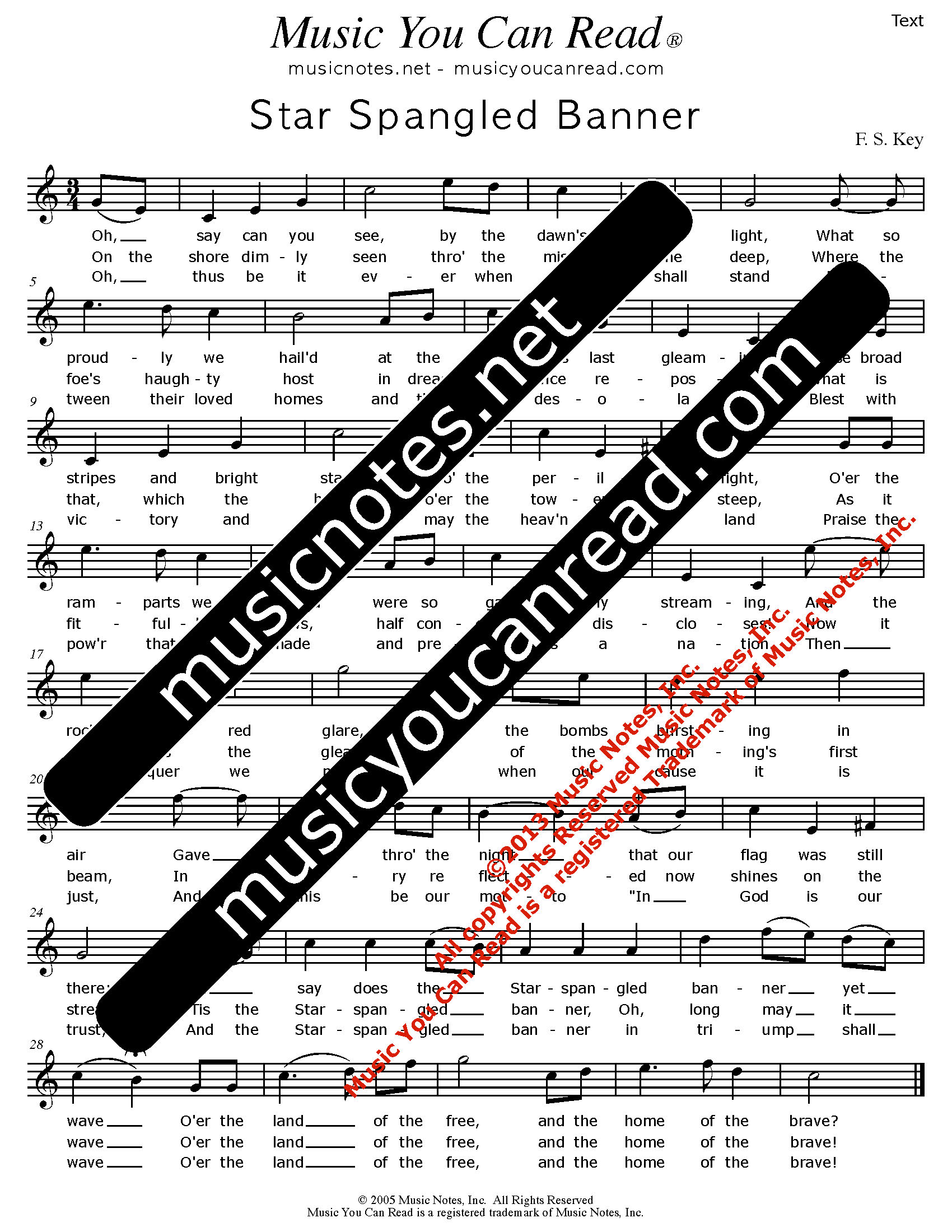
To understand why the connection is so enduring, it is helpful to look at the music theory behind the performance. "The Star-Spangled Banner" is notoriously difficult because of its "melodic leaps."
| Musical Element | Traditional Standard | Fergie’s 2018 Version |
|---|---|---|
| Time Signature | 3/4 (Waltz/March feel) | Heavily syncopated, fluid |
| Tempo | Moderate (approx. 80-100 BPM) | Very Slow (Adagio style) |
| Vocal Range | 1.5 Octaves | Expanded with stylized growls |
| Key Stability | Consistently in one key | Frequent "blue notes" and slides |
| Public Reception | Patriotic/Solemn | Polarizing/Experimental |
Pitch and Tonality
Critics argued that Fergie’s attempt at a "jazzy" sound led to issues with intonation. Because she was sliding between notes—a technique known as glissando—it often sounded like she was singing "off-key," even if the notes were intended as stylistic choices. For an audience accustomed to a rigid, heroic melody, these deviations felt like errors rather than art.
Fergie’s Response and the Aftermath
Unlike many celebrities who ignore criticism, Fergie issued a statement shortly after the event. She admitted that the performance didn't hit the intended mark.
"I've always been honored and proud to perform the national anthem and last night I wanted to try something special for the NBA. I'm a risk-taker artistically, but clearly this rendition didn't strike the intended tone. I love this country and honestly tried my best."
This apology was largely seen as graceful and helped mitigate some of the harsher personal attacks. It humanized the artist behind the viral moment, shifting the conversation from "why did she do this?" to an acknowledgment of the pressures of live performance.
The "Fergie Remix" Era
Interestingly, the performance took on a second life in the sports world. In late 2018, the Golden State Warriors were filmed dancing to a "remix" of Fergie's anthem in their locker room. This moment of levity showed that while the performance was widely mocked, it had also become a strange point of cultural bonding.
Historical Comparisons: Other Famous Anthem Renditions
Fergie is not the first artist to be defined by a controversial national anthem. To understand the gravity of her connection to the song, one must compare it to other historical milestones.
- Whitney Houston (1991): The gold standard. Her powerful, straightforward rendition during the Super Bowl is considered the greatest of all time.
- Marvin Gaye (1983): Also performed at an NBA All-Star Game, Gaye’s version was soulful and used a drum machine. While controversial at the time for being "too sexy," it is now regarded as a masterpiece.
- Roseanne Barr (1990): Perhaps the only performance more criticized than Fergie’s. Barr intentionally sang off-key and spat on the mound during a baseball game, which was viewed as a sign of disrespect rather than a stylistic failure.
- Jimi Hendrix (1969): His electric guitar version at Woodstock was a political and artistic statement that redefined what the anthem could sound like.
Fergie’s performance sits in a unique middle ground: it wasn't a joke like Roseanne’s, nor was it a triumph like Houston’s. It was a sincere artistic effort that failed to resonate with the audience, creating a lasting legacy of "second-hand embarrassment" that remains relevant in 2026.
The Long-Term Impact on Fergie’s Career
The "Star-Spangled Banner" incident marked a turning point in Fergie's public image. While she remained a respected veteran of the music industry, the performance overshadowed the promotion of her second solo studio album, Double Dutchess.
However, in the years following, Fergie has leaned into the moment with a degree of humor. The connection hasn't necessarily "ruined" her career, but it has become the "first paragraph" of her contemporary bio. In 2026, the performance is studied in marketing and PR classes as an example of how a single live moment can dominate an artist's digital footprint for nearly a decade.
FAQs
Why did Fergie sing the national anthem that way?
Fergie intended to deliver a "jazzy" and "sultry" version of the anthem to stand out from traditional performances. She wanted to take an artistic risk by slowing the tempo and adding vocal flourishes, though she later acknowledged that the tone did not land as intended.
When did Fergie sing the national anthem?
The performance took place on February 18, 2018, during the opening ceremonies of the NBA All-Star Game at the Staples Center in Los Angeles.
What was the reaction of the NBA players?
Several players were caught on camera looking confused or laughing. Most notably, Draymond Green was seen with a look of disbelief, and Stephen Curry and Chance the Rapper were also seen reacting to the unusual arrangement.
Did Fergie apologize for the performance?
Yes. Fergie released a statement shortly after the game, explaining that she is a "risk-taker artistically" and that she "honestly tried [her] best" but realized the rendition did not strike the right tone.
Is Fergie's anthem performance still famous in 2026?
Yes, it remains a quintessential example of a viral pop culture moment. It is frequently referenced in discussions about the national anthem, live performance risks, and internet meme history.
How did the Black Eyed Peas react?
While the group members generally remained supportive of Fergie as a former collaborator and friend, the performance was a solo endeavor and did not involve the Black Eyed Peas directly.
Practical Takeaway: The Lessons of the Fergie Anthem
The connection between Fergie and "The Star-Spangled Banner" serves as a reminder of the delicate balance between artistic innovation and cultural expectation. For performers, the takeaway is clear: when dealing with "sacred" cultural texts like a national anthem, the margin for error is slim. For the public, it remains a fascinating study in how a three-minute performance can create a permanent digital legacy. If you are an artist planning a public performance of a classic, ensure that your stylistic choices enhance rather than distract from the core melody that the audience expects.
Image Gallery