Evaluating Lemon Coconut Drinks: Flavor Profiles, Nutritional Value, and Environmental Impact
Lemon coconut drinks have emerged as a prominent category in the functional beverage market, blending the acidic brightness of citrus with the creamy, electrolyte-rich profile of coconut water or milk. As of 2026, consumers increasingl...
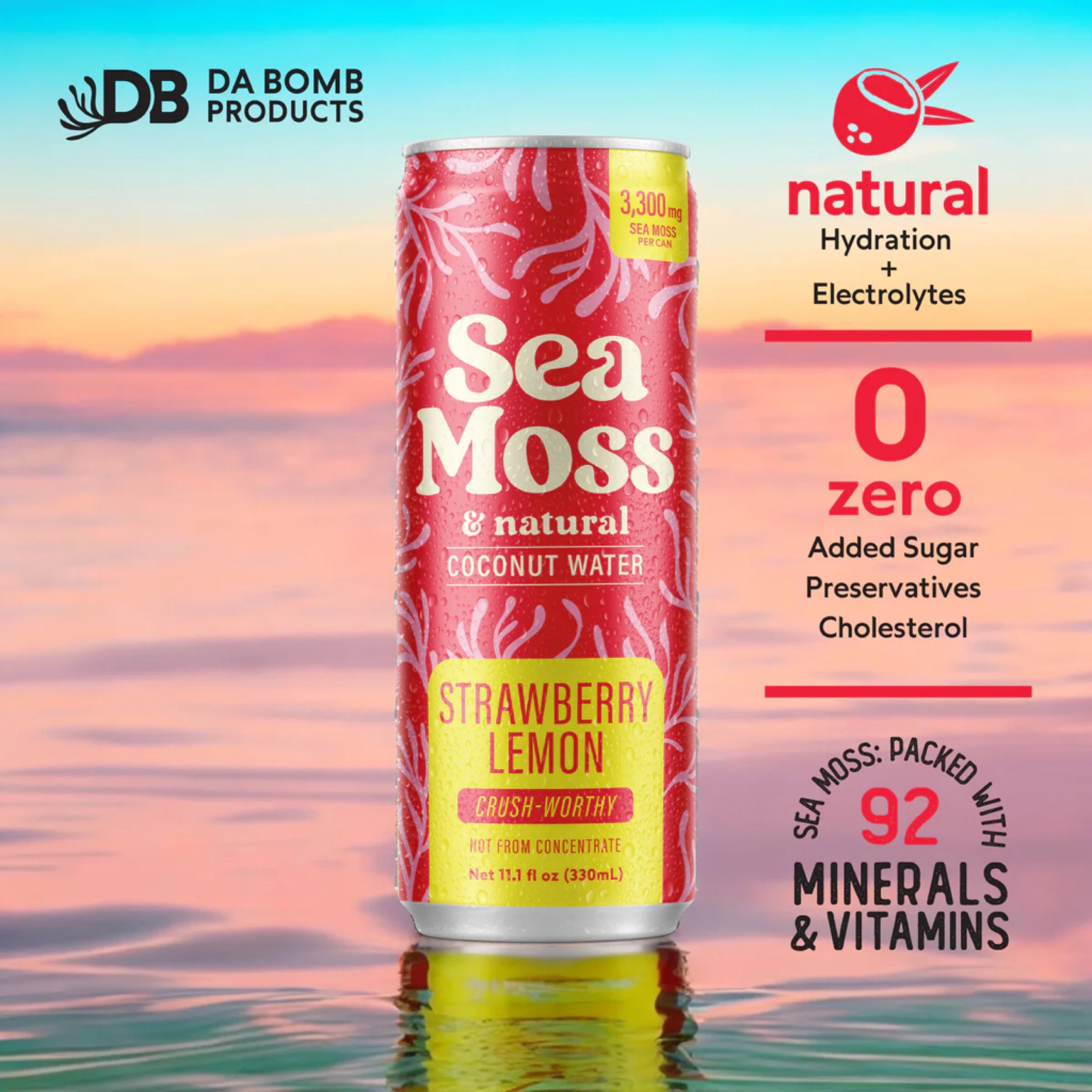
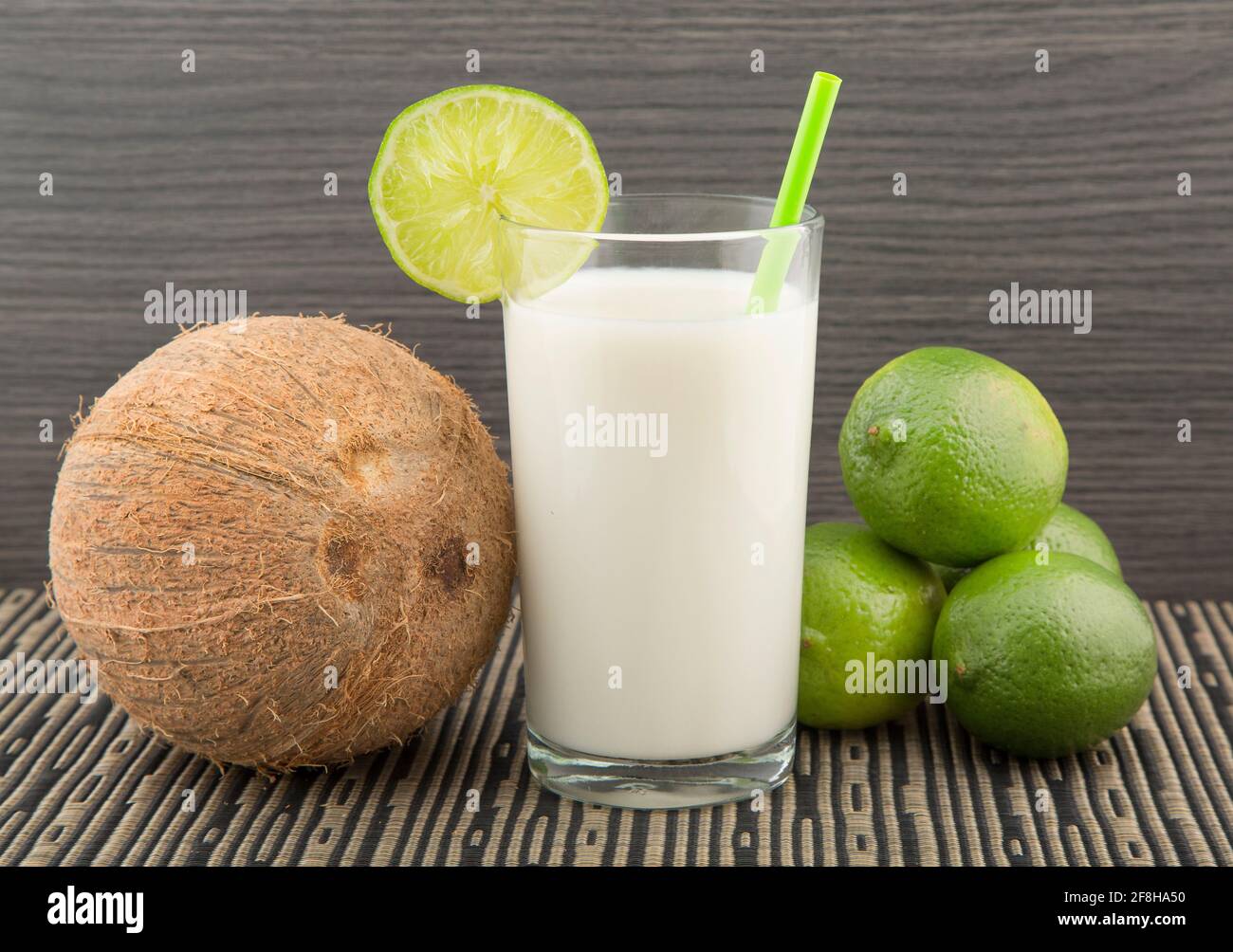
Lemon coconut drinks have emerged as a prominent category in the functional beverage market, blending the acidic brightness of citrus with the creamy, electrolyte-rich profile of coconut water or milk. As of 2026, consumers increasingly prioritize these beverages not only for their unique flavor interplay but also for their nutritional density and the environmental footprint associated with their production, sourcing, and packaging.
Contents
The flavor of a lemon coconut beverage relies on the balance between the citric acid of the lemon—which provides a sharp, clean finish—and the medium-chain triglycerides (MCTs) and natural sugars inherent in the coconut. This combination creates a sensory experience that is perceived as both refreshing and satiating. Beyond taste, the nutritional profile is driven by the electrolyte content of coconut (potassium, magnesium) and the vitamin C content of lemon, while sustainability concerns focus on the water-intensive nature of coconut cultivation and the logistics of global citrus supply chains. Understanding these factors allows for informed consumer choices in an increasingly crowded functional drink aisle.
The Chemistry and Sensory Profile of Lemon Coconut Blends
The appeal of the lemon-coconut combination is rooted in sensory contrast. In beverage chemistry, lemon acts as a "brightener" that cuts through the fatty mouthfeel of coconut milk or the slight salinity of coconut water. This synergy prevents the heavy, cloying sensation often associated with undiluted coconut products.
When manufacturers formulate these drinks, they typically choose between two coconut bases: coconut water, which provides hydration through potassium, or coconut milk, which provides a richer, creamy texture through higher fat content. The lemon component is usually incorporated as essential oil (lemon peel) or concentrated juice. The challenge for developers is maintaining the stability of these ingredients; citric acid from the lemon can sometimes cause protein-heavy coconut bases to curdle if not processed or stabilized correctly using standard food-grade emulsifiers.
Nutritional Composition and Functional Benefits
The health proposition of lemon coconut drinks varies significantly based on the base ingredient. Generally, these drinks serve as a source of rapid hydration and moderate energy.
Macronutrient Profiles
- Electrolytes: Coconut water is a natural source of potassium, which is critical for muscle function and fluid balance. When paired with the acidity of lemon, these beverages are often marketed as natural recovery drinks.
- MCTs (Medium-Chain Triglycerides): If the beverage utilizes coconut milk or cream, it contains MCTs. Unlike long-chain fats, these are metabolized more quickly by the liver, potentially offering a sustained energy source without the blood sugar spikes associated with high-glycemic sweeteners.
- Vitamin C: Lemon juice provides a significant boost of ascorbic acid, an antioxidant that supports immune system function and aids in iron absorption.
Consumers should be wary of added sugars. Many commercial brands introduce cane sugar or agave to balance the tartness of the lemon, which can quickly negate the nutritional benefits of the natural electrolytes and fats. In 2026, health-conscious consumers are shifting toward products that rely on monk fruit or stevia to maintain the flavor profile without elevating the glycemic load.
Sustainability: Assessing the Supply Chain
The sustainability profile of a lemon coconut drink is complex, involving two geographically distinct agricultural products.
Coconut Sourcing and Water Stewardship
Coconut palms are primary cash crops in tropical regions, specifically Southeast Asia and the Pacific Islands. The primary sustainability issue here is water footprint; coconut production can be water-intensive, and in some regions, monoculture farming has led to soil degradation. Furthermore, the global trade of coconuts involves significant transportation emissions. Certification programs such as the Rainforest Alliance or organic labels provide frameworks for better labor practices and biodiversity protection, but they do not always mitigate the carbon impact of long-distance shipping.
Citrus Supply Chains
Lemons are frequently grown in more temperate or Mediterranean-climate zones, such as California, Spain, or Argentina. Their sustainability depends heavily on water management practices in these regions, which are often prone to drought. Drip irrigation and integrated pest management are the benchmarks for "sustainable" citrus. By sourcing from regions closer to the point of consumption, manufacturers can significantly reduce the Scope 3 emissions associated with their finished goods.
Comparison of Common Lemon Coconut Beverage Formats
The following table summarizes the differences in nutritional density and sustainability considerations across common formats of lemon coconut drinks available in 2026.
| Feature | Coconut Water Based | Coconut Milk Based | Sparkling Infusions |
|---|---|---|---|
| Primary Benefit | Hydration / Electrolytes | Satiety / Healthy Fats | Low Calorie Refreshment |
| Caloric Density | Low (30-60 kcal) | Moderate (100-200 kcal) | Very Low (<20 kcal) |
| Sustainability Focus | Water source/Transport | Land use for plantations | Packaging waste (cans) |
| Best For | Post-workout recovery | Meal replacement / Snack | Daily hydration |
Challenges in Sustainable Packaging
In 2026, the beverage industry faces strict regulations regarding single-use plastics. For lemon coconut drink manufacturers, the move away from plastic bottles toward infinitely recyclable aluminum cans or plant-based composite cartons is the primary strategy for improving sustainability. While aluminum has a higher energy cost to produce, its high recovery rate in recycling streams makes it a preferred choice over multi-layered aseptic cartons, which are notoriously difficult to recycle due to their integrated layers of paper, plastic, and aluminum foil.
Best Practices for Consumer Selection
To maximize both nutritional gain and environmental responsibility, consumers should evaluate products based on the following criteria:
- Label Transparency: Look for beverages that list "Coconut Water" or "Coconut Milk" as the first ingredient rather than "Water, Coconut Concentrate." High-quality products minimize fillers.
- Sweetener Source: Identify the type of sugar used. Prioritize drinks with no added sugar or natural, non-caloric sweeteners.
- Certifications: Seek out Fair Trade or organic certifications. These labels serve as proxies for better oversight regarding the use of synthetic pesticides in lemon orchards and fair wages for coconut farmers.
- Packaging Choice: Favor brands that commit to 100% recycled content packaging or those that utilize lightweight aluminum, which has a superior circularity profile compared to virgin plastics.
Frequently Asked Questions
Are lemon coconut drinks safe for individuals with nut allergies?
Most coconut beverages are safe for those with tree nut allergies, as the FDA classifies coconut as a fruit rather than a tree nut. However, cross-contamination is a risk in manufacturing facilities. Always verify the "allergen information" on the packaging to ensure the product was not processed on shared equipment with almonds, cashews, or other tree nuts.
Does the lemon juice in these drinks cause dental erosion?
Lemon juice is acidic (typically a pH between 2 and 3). Frequent consumption of acidic beverages can soften tooth enamel over time. To mitigate this, consider rinsing your mouth with water after consumption or drinking the beverage through a reusable straw to reduce direct contact with your teeth.
What is the difference between "coconut water" and "coconut milk" in these drinks?
Coconut water is the clear liquid found inside young, green coconuts; it is high in electrolytes and low in fat. Coconut milk is produced by grating the meat of mature coconuts and blending it with water; it is high in healthy fats and has a creamy, opaque appearance.
Do these drinks provide enough electrolytes for serious athletes?
While they are excellent for casual hydration, they may not provide enough sodium for endurance athletes who lose high amounts of salt through sweat. If using these for intense, long-duration exercise, you may need to add a pinch of high-quality sea salt to the drink to ensure an optimal electrolyte balance.
Is the carbon footprint of coconut water higher than local fruit juices?
Generally, yes. Because coconuts are grown in tropical climates, they almost always require international shipping, which adds a significant carbon penalty. If sustainability is your primary concern, look for brands that prioritize carbon-neutral shipping or those that aggregate their supply chains to minimize logistics emissions.
Practical Next Steps for Informed Consumption
When selecting a lemon coconut drink, your first step should be to audit the ingredient list for hidden sugars and artificial preservatives. Second, check the product's official website for sustainability reports; transparent companies will explicitly detail their sourcing origins and waste reduction initiatives for 2026. If you find the commercial options lacking in nutritional quality or ethical sourcing, preparing a simple blend at home using raw, organic coconut water and fresh-squeezed lemon juice is the most effective way to control your intake and minimize packaging waste.
Image Gallery