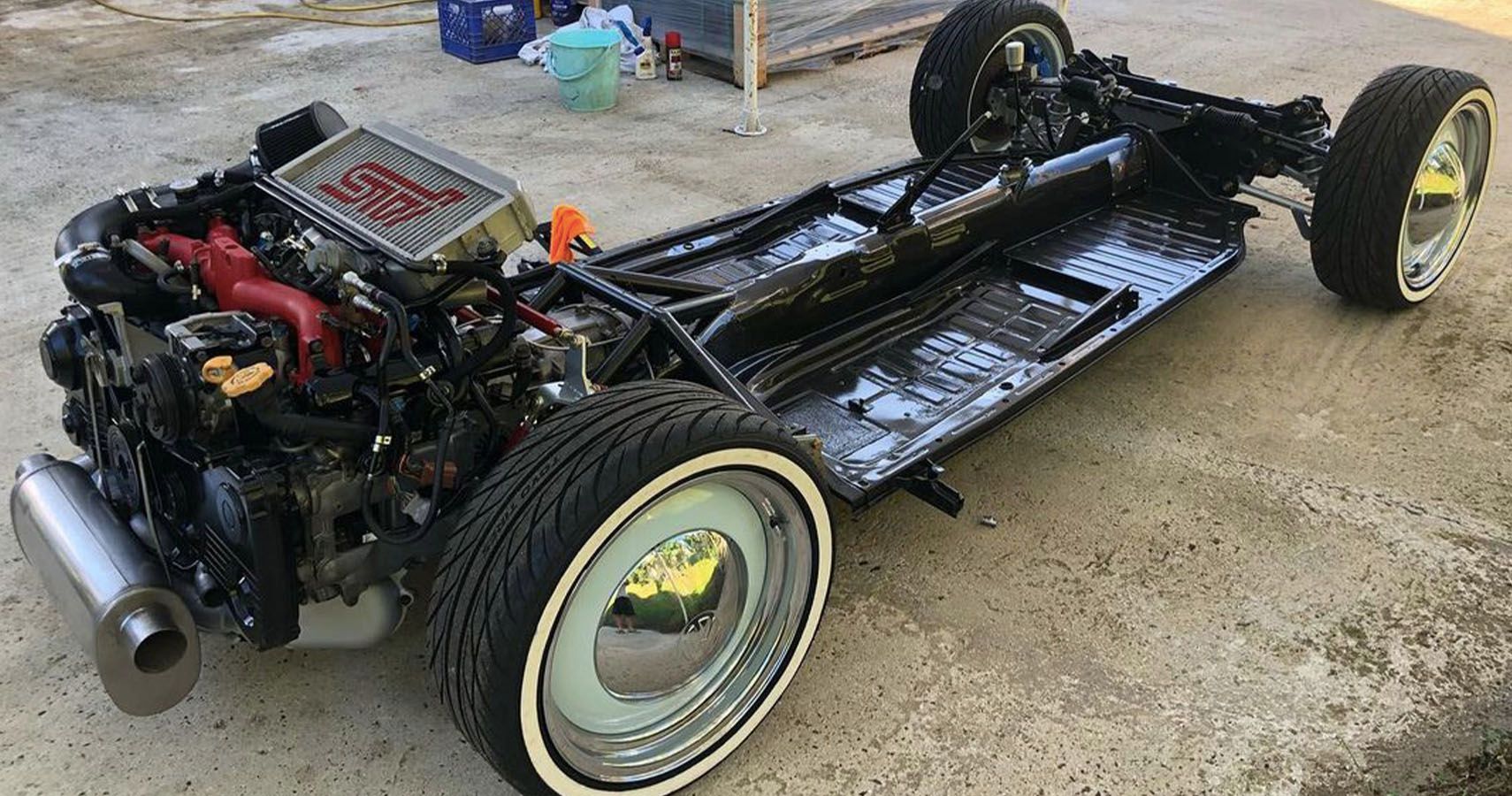
Installing a Subaru Motor in a VW Bug: Requirements, Process, and Considerations
Installing a Subaru motor in a VW Bug is a popular and transformative engine swap that replaces the original air-cooled Volkswagen flat-four engine with a modern, liquid-cooled Subaru flat-four (EJ-series or FB-series) boxer engine. Th...
Installing a Subaru motor in a VW Bug is a popular and transformative engine swap that replaces the original air-cooled Volkswagen flat-four engine with a modern, liquid-cooled Subaru flat-four (EJ-series or FB-series) boxer engine. This modification drastically increases horsepower, reliability, heating capabilities, and overall drivability, bridging classic vintage styling with modern automotive performance.
Contents
Understanding the Appeal of a Subaru Engine Swap in a Classic Beetle
The traditional air-cooled Volkswagen Beetle engine is an iconic piece of automotive history, but it comes with inherent limitations. Pushing past stock horsepower figures often requires expensive aftermarket parts, and maintaining proper operating temperatures can be difficult in modern traffic conditions. Furthermore, the factory heating system relies on exhaust heat exchangers, which are prone to rust and can leak carbon monoxide into the cabin.
Upgrading to a modern Subaru engine—typically an EJ22 or EJ25 out of a legacy Subaru Impreza, Legacy, or Forester—resolves these mechanical bottlenecks. Because Subaru powerplants also use a boxer (horizontally opposed) layout, they fit relatively well into the rear engine compartment of a Volkswagen Beetle, though modifications to the bodywork, frame horns, and cooling systems are mandatory.
Key Technical Requirements and Component Preparation
A successful engine conversion requires specialized conversion parts designed to mate the Subaru block to the Volkswagen transaxle. Because the rotation direction and bellhousing bolt patterns differ completely, standard factory configurations cannot be bolted together directly.
Adapter Plates and Flywheels
To physically connect a Subaru motor to a stock or high-performance VW transaxle (such as a Type 1 swing axle or IRS transmission), builders use a specialized adapter plate. This plate is precision-machined from aluminum to align the crankshaft centerlines accurately. Additionally, a custom flywheel or a modified Subaru flexplate/flywheel combination is required to match the Volkswagen starter motor and clutch disc dimensions.
Cooling System Integration
The original VW Bug relies entirely on air flow and an engine-mounted oil cooler to manage heat. A Subaru swap requires the addition of a front-mounted radiator, electric cooling fans, and extensive coolant plumbing running beneath the chassis from the front to the rear. Managing coolant routing properly prevents vapor locks and ensures that the engine maintains optimal operating temperatures during high-load driving.
Exhaust and Clearance Modifications
Even though both engines are flat-fours, the external dimensions of a modern Subaru engine block and its cylinder heads are significantly larger than a vintage Volkswagen block. Installers frequently must modify the rear apron, build custom exhaust headers to clear the bumper mounts and transaxle, and sometimes notch the frame horns slightly to achieve correct driveline angles.
Comparison of Factory VW vs. Subaru-Swapped Beetle Specifications
| Specification Metric | Original Air-Cooled VW Bug Engine | Typical Subaru EJ25 Swap |
|---|---|---|
| Cooling Type | Air-cooled | Liquid-cooled (requires front radiator) |
| Horsepower Range | 40 to 60 hp (stock) | 165 to 175 hp (naturally aspirated) |
| Fuel Delivery | Carburetor or primitive fuel injection | Multi-port electronic fuel injection (EFI) |
| Cabin Heating | Exhaust heat exchangers | Modern liquid-to-air heater core integration |
| Weight Impact | Baseline lightweight rear weight bias | Heavier assembly, shifting weight balance forward |
Step-by-Step Overview of the Conversion Process
Executing an engine conversion demands patience, fabrication skills, and a thorough understanding of automotive electrical and fuel systems.
1. Drivetrain Removal and Chassis Preparation
The process begins by disconnecting the battery, draining fluids, and removing the stock engine and transaxle (if necessary). The engine bay must be thoroughly cleaned, and any rust around the rear apron or frame horns should be repaired. If using a high-horsepower engine, reinforcing the frame horns with gussets or a heavy-duty mid-mount is critical to handle the increased torque twisting forces.
2. Wiring Harness Modification
Modern Subaru engines depend heavily on an Electronic Control Unit (ECU), sensors, and a complex wiring harness. Installers must either send the factory Subaru engine harness to a specialist for a "standalone conversion" or manually thin out the harness, removing unneeded circuits related to automatic transmissions, anti-lock brakes, and emissions equipment. Integrating the VW chassis power feeds with the Subaru ignition and fuel pump relays requires precise multimeter testing.
3. Fuel System Upgrades
Carbureted Volkswagen Beetles operate on low-pressure mechanical fuel pumps (around 3 to 5 psi). Subaru electronic fuel injection systems require high-pressure fuel delivery (typically 40 to 50 psi). Upgrading the fuel lines to high-pressure rated EFI rubber or braided stainless steel lines, installing a high-pressure inline or in-tank electric fuel pump, and adding a proper fuel return line to the tank are mandatory safety steps.
4. Plumbing and Initial Testing
Once the engine is bolted into place using the adapter plate and rear mounts, the radiator, coolant hoses, exhaust system, and throttle cable are secured. Before attempting a full startup, technicians perform a dry-run check of all electrical grounds, verify fuel pressure, and bleed the cooling system completely to remove trapped air pockets that could cause aluminum cylinder heads to warp.
Common Mistakes and How to Avoid Them
Even experienced mechanics can run into pitfalls when modifying vintage platforms with modern drivetrains. Avoiding these errors saves both time and financial resources.
- Undersizing the Cooling System: Relying on small hidden radiators or omitting proper baffling will lead to chronic overheating. A front-mounted radiator with a high-flow electric fan and a sealed shroud is essential.
- Neglecting Drivetrain Angles: Misaligning the engine and transaxle causes premature constant velocity (CV) joint wear, severe vibration, and transmission bearing failure. Ensure the engine sits level and lines up with the transaxle input shaft.
- Overlooking Electrical Grounds: Modern engine management computers are highly sensitive to voltage drops. Running dedicated, heavy-gauge ground straps from the engine block to the chassis and battery prevents erratic sensor readings and mysterious no-start conditions.
- Ignoring Weight and Suspension Changes: The added weight of a liquid-cooled engine, front radiator, coolant, and plumbing changes the vehicle's weight distribution. Upgrading the rear torsion bars, shocks, and front suspension components ensures safe handling characteristics.
Frequently Asked Questions
Will a Subaru engine fit inside a stock VW Bug engine compartment without cutting the body?
While low-profile installations are possible with extensive custom fabrication, most standard Subaru swaps require minor modifications to the rear apron or decklid standoffs to clear the intake manifold and alternator pulley. Utilizing a modified or removable rear apron makes future engine maintenance significantly easier.
What transmission should I use with a Subaru motor in a VW Bug?
Many builders retain the stock Volkswagen swing-axle or Independent Rear Suspension (IRS) transaxle using an adapter kit, but the stock gear ratios—especially first and second gear—can feel too short for a high-torque engine. Upgrading to a built freeway flyer transmission or a Porsche 901 transaxle provides stronger gear sets and better highway cruising speeds.
How does a Subaru swap affect the handling of a Volkswagen Beetle?
The original Beetle features a rear-engine, rear-wheel-drive layout with a distinct rear weight bias. Adding a heavier liquid-cooled engine shifts the center of gravity slightly, but because aluminum Subaru blocks are relatively light compared to cast-iron engines, the balance remains manageable. Upgrading sway bars and tires helps maintain neutral steering behavior.
Do I need to upgrade the brakes when installing a Subaru motor?
Yes. Upgrading from factory four-wheel drum brakes to front disc brakes is strongly recommended before driving a high-horsepower swapped Beetle. Stopping from highway speeds with triple the factory horsepower requires modern stopping power to ensure road safety.
Can I keep the original Volkswagen fuel tank with a fuel-injected Subaru engine?
You can modify a stock fuel tank by welding in a fuel return bung and installing a high-pressure bottom feed, but many builders opt for an aftermarket fuel cell or a specialized fuel tank designed specifically for EFI conversions. This prevents fuel starvation during hard cornering and ensures proper line pressure.
Final Recommendations for Your Conversion Project
Executing a Subaru motor conversion in a Volkswagen Beetle turns a classic cruiser into a dependable, fast daily driver or weekend cruiser. Before turning a wrench, map out your budget completely, as adapter kits, custom cooling parts, upgraded fuel systems, and wiring modifications accumulate quickly. Source a healthy donor engine with documented compression test results, and prioritize upgrading your braking and suspension systems to match the exponential increase in power.
Image Gallery