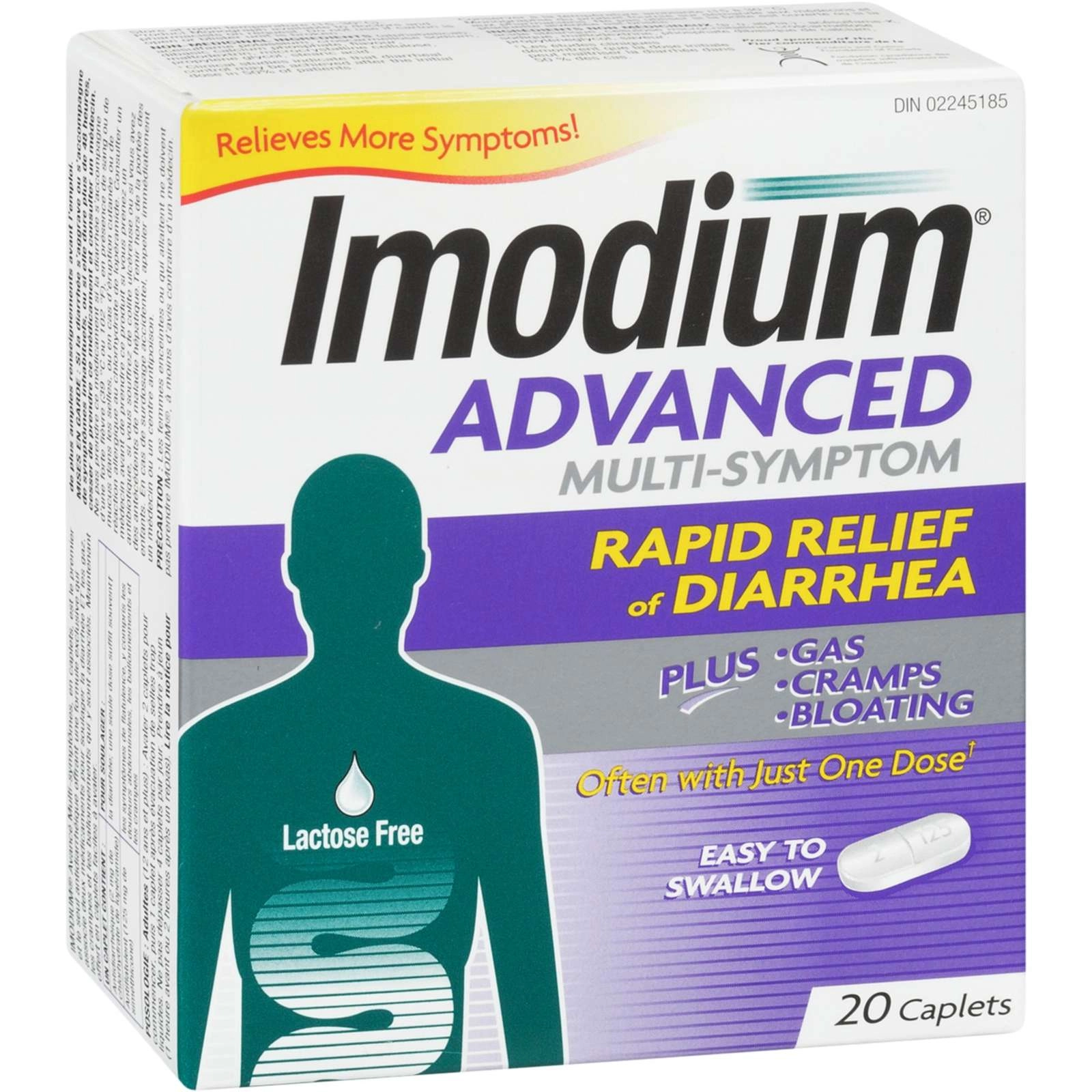
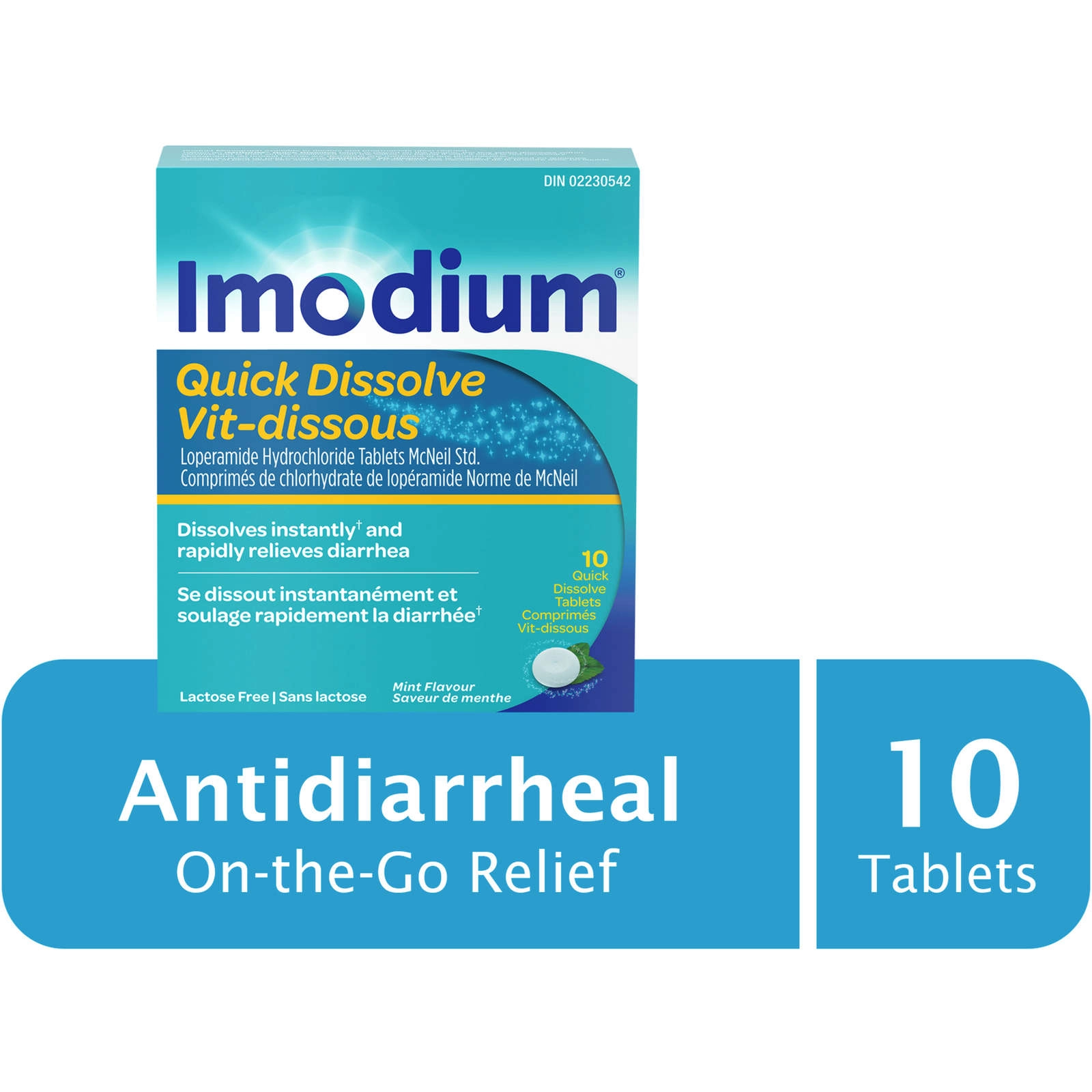
Managing IBS-D with Imodium: A Comprehensive Guide to Loperamide Treatment in 2026
Imodium (loperamide) is a frontline anti-motility medication used to manage the urgency and frequency associated with diarrhea-predominant Irritable Bowel Syndrome (IBS-D). It works by slowing intestinal contractions, allowing for incr...
Imodium (loperamide) is a frontline anti-motility medication used to manage the urgency and frequency associated with diarrhea-predominant Irritable Bowel Syndrome (IBS-D). It works by slowing intestinal contractions, allowing for increased water absorption and firmer stools. While effective for symptom control, it does not treat the underlying causes of IBS or alleviate visceral pain and bloating.
Contents
Understanding Imodium’s Role in IBS Management
As we navigate the clinical landscape of 2026, Imodium remains one of the most accessible and researched tools for managing the symptoms of Irritable Bowel Syndrome. Its active ingredient, loperamide, is a synthetic opioid agonist that specifically targets the mu-opioid receptors in the myenteric plexus of the intestinal wall. Unlike other opioids, loperamide is designed to stay within the gastrointestinal tract and does not cross the blood-brain barrier in significant amounts at recommended doses, meaning it provides relief without the central nervous system effects or addictive potential associated with systemic opioids.
The primary mechanism of action involves decreasing the activity of the longitudinal and circular muscles of the intestinal wall. By slowing down peristalsis (the wave-like contractions that move food through the gut), Imodium increases the "transit time" of fecal matter. This delay is critical for IBS-D patients because it allows the colon more time to reabsorb water and electrolytes from the stool. The result is a transition from liquid or loose stools to more solid, formed bowel movements, alongside a significant reduction in the sudden "urgency" that often characterizes IBS-D flare-ups.
However, it is vital to distinguish what Imodium can and cannot do. While it is highly effective at reducing stool frequency, clinical studies have consistently shown that it is less effective at treating the abdominal pain, cramping, or gas that often accompanies IBS. For many patients, Imodium is a functional tool used to gain the confidence needed to leave the house or attend events, rather than a "cure" for the multifaceted nature of the syndrome.
When to Use Imodium for IBS
Imodium is specifically indicated for IBS-D (diarrhea-predominant) and can sometimes be used carefully for IBS-M (mixed type) during diarrheal phases. It is generally contraindicated for those with IBS-C (constipation-predominant), as it will exacerbate the lack of motility and potentially lead to severe impaction or even toxic megacolon in extreme circumstances.
Patients typically turn to Imodium in two different scenarios:
- Reactive Dosing: Taking the medication immediately after the onset of a diarrhea flare-up to stop further episodes.
- Proactive (Prophylactic) Dosing: Taking a low dose before an event, travel, or a high-stress situation known to trigger symptoms.
Before starting a regimen, patients must rule out infectious diarrhea. If a patient has a fever or blood in their stool, Imodium should be avoided until a healthcare provider can confirm the absence of bacterial pathogens like C. difficile or E. coli, as slowing the gut can prevent the body from "flushing out" the infection, potentially leading to more severe illness.
Dosage Guidelines and Best Practices
In 2026, the standard protocols for loperamide use in IBS emphasize "the lowest effective dose." Because every individual's gut transit time varies, a dosage that works for one person may cause three days of constipation for another.
Standard OTC Dosing
For acute episodes, the standard over-the-counter (OTC) recommendation is an initial dose of 4mg (two capsules), followed by 2mg (one capsule) after each subsequent loose stool. In a clinical or chronic IBS context, doctors often recommend a more controlled approach to avoid the "rebound effect," where the patient swings from diarrhea to painful constipation.
Chronic Management Titration
For long-term management, many gastroenterologists suggest titrating the dose. This might involve taking a small, consistent dose (e.g., 2mg every other day or once daily) to maintain stability. The goal of titration is to achieve a "Type 3 or 4" on the Bristol Stool Scale—stools that are like a sausage with cracks or smooth and soft—without stopping bowel movements entirely.
Maximum Limits
The FDA and international health bodies maintain a strict ceiling on loperamide intake. For OTC use, the maximum dose is usually 8mg per day. Under direct medical supervision, the daily limit may be increased to 16mg. Exceeding these limits carries significant risks, particularly regarding cardiac health, as extremely high doses have been linked to serious heart rhythm problems (QT interval prolongation).
Efficacy: What Imodium Does and Doesn’t Solve
While Imodium is the gold standard for motility control, its narrow focus means it is rarely used as a monotherapy for complex IBS cases.
- Success in Frequency Reduction: Imodium is highly reliable for reducing the number of daily bowel movements. For patients who struggle with 5-10 movements a day, it can often bring that number down to 1 or 2.
- Success in Fecal Incontinence: By increasing the tone of the anal sphincter, Imodium can help patients who suffer from accidental leakage or extreme urgency.
- The Pain Gap: Imodium does not address visceral hypersensitivity—the phenomenon where the nerves in the gut are oversensitive to normal digestion. Consequently, a patient may have formed stools but still experience significant "gut ache" or cramping.
- The Bloating Factor: Because the medication slows down the transit of everything, including gas, some patients find that Imodium actually increases their sensation of bloating or "fullness."
Side Effects and Safety Considerations
Most users tolerate loperamide well, but side effects are common, especially when first finding the correct dosage.
- Constipation: The most frequent side effect. If the dose is too high, it can lead to several days of no bowel movements, followed by discomfort when the system eventually restarts.
- Abdominal Cramping: Sometimes, slowing the gut muscles can lead to localized cramping as the intestines struggle against the slowed motility.
- Dizziness and Fatigue: Though rare at standard doses, some individuals may feel slight lethargy or dizziness.
- Cardiac Risks: Since the 2016 safety warnings issued by global regulators, there has been an increased focus on avoiding "loperamide abuse." At very high doses, the drug can interact with potassium channels in the heart, leading to life-threatening arrhythmias. Always stick to the label or your doctor's instructions.
Comparison of Common IBS-D Medications
| Medication | Primary Function | Pain Relief | Best For |
|---|---|---|---|
| Imodium (Loperamide) | Anti-motility (slows gut) | Low | Frequency & Urgency control |
| Pepto-Bismol | Anti-secretory / Bismuth | Low | Occasional upset stomach / traveler's diarrhea |
| Viberzi (Eluxadoline) | Mu-opioid agonist / Delta-antagonist | Moderate | Chronic IBS-D with significant pain |
| Questran (Cholestyramine) | Bile acid sequestrant | Low | Diarrhea caused by bile acid malabsorption |
| Lotronex (Alosetron) | 5-HT3 antagonist | High | Severe IBS-D in women (restricted use) |
| Bentyl (Dicyclomine) | Antispasmodic | High | Acute cramping and spasms |
Strategies for "Proactive" vs "Reactive" Dosing
Developing a strategy for Imodium use can drastically improve quality of life. For many, the anxiety of "what if I can't find a bathroom?" triggers a sympathetic nervous system response that actually worsens diarrhea.
The Proactive Strategy: If you have a known trigger—such as a morning commute, a flight, or a public speaking engagement—taking a single 2mg dose approximately 1-2 hours beforehand can provide a "safety net." This "pre-dosing" approach prevents the initial urgency from occurring, often breaking the cycle of anxiety-induced diarrhea.
The Reactive Strategy: This is for unexpected flares. The key here is not to "over-correct." Many patients make the mistake of taking 4-6mg immediately upon the first loose stool, which leads to a "clogged" feeling for the next 48 hours. Start with 2mg, wait an hour, and only take more if the urgency persists.
Frequently Asked Questions
Can I take Imodium every day for IBS?
Yes, many patients take loperamide daily under medical supervision. However, it is essential to have a doctor confirm the IBS diagnosis and monitor for long-term complications like chronic constipation or changes in gut flora. Daily use should focus on the minimum dose required to maintain stool consistency.
Does Imodium help with IBS bloating?
Generally, no. In fact, Imodium can occasionally worsen bloating. Because it slows down the movement of the intestines, gas can become trapped in the colon longer than usual. If bloating is your primary symptom, an antispasmodic or a change in diet (like Low FODMAP) may be more effective.
Is it safe to mix Imodium with other IBS medications?
Imodium can often be used alongside antispasmodics (like dicyclomine) or fiber supplements. However, you should avoid mixing it with other opioid-based medications (like Viberzi) unless specifically directed by a gastroenterologist, as this can severely increase the risk of constipation or more serious side effects like pancreatitis.
Can Imodium stop working over time?
Tachyphylaxis (building a tolerance) to loperamide is relatively uncommon at standard doses. If you find you need more medication to achieve the same result, it is often a sign that your IBS is flaring due to other factors like stress, diet, or an underlying infection, rather than the drug losing its efficacy.
Is Imodium safe for long-term use in 2026?
Clinical guidelines in 2026 continue to support loperamide as a safe long-term management tool for IBS-D, provided the patient does not have underlying heart conditions and adheres to the recommended dosage. Regular check-ups are advised to ensure no other gastrointestinal issues are being masked by the medication.
Recommendations for Moving Forward
If you are considering Imodium for IBS, start by keeping a symptom diary for at least two weeks. Document your food intake, stress levels, and the timing of your bowel movements. This data will help your doctor determine if Imodium is the right choice or if your symptoms suggest a different subtype of IBS.
Always begin with the lowest possible dose (2mg) to test your gut’s sensitivity. If you experience any "red flag" symptoms—such as unexplained weight loss, nocturnal diarrhea (waking up at night to go), or rectal bleeding—discontinue use and seek a specialist immediately, as these are not typical features of IBS and require further investigation.
Image Gallery