Launching a Career as a Junior DevOps Engineer
A Junior DevOps Engineer serves as the foundational link between software development and IT operations, focusing on automating infrastructure, streamlining deployment pipelines, and maintaining system reliability. This role requires a...
A Junior DevOps Engineer serves as the foundational link between software development and IT operations, focusing on automating infrastructure, streamlining deployment pipelines, and maintaining system reliability. This role requires a blend of coding proficiency, knowledge of cloud platforms, and a deep understanding of continuous integration and continuous deployment (CI/CD) methodologies to ensure efficient, scalable software delivery.
Contents
The Core Mandate of a Junior DevOps Engineer
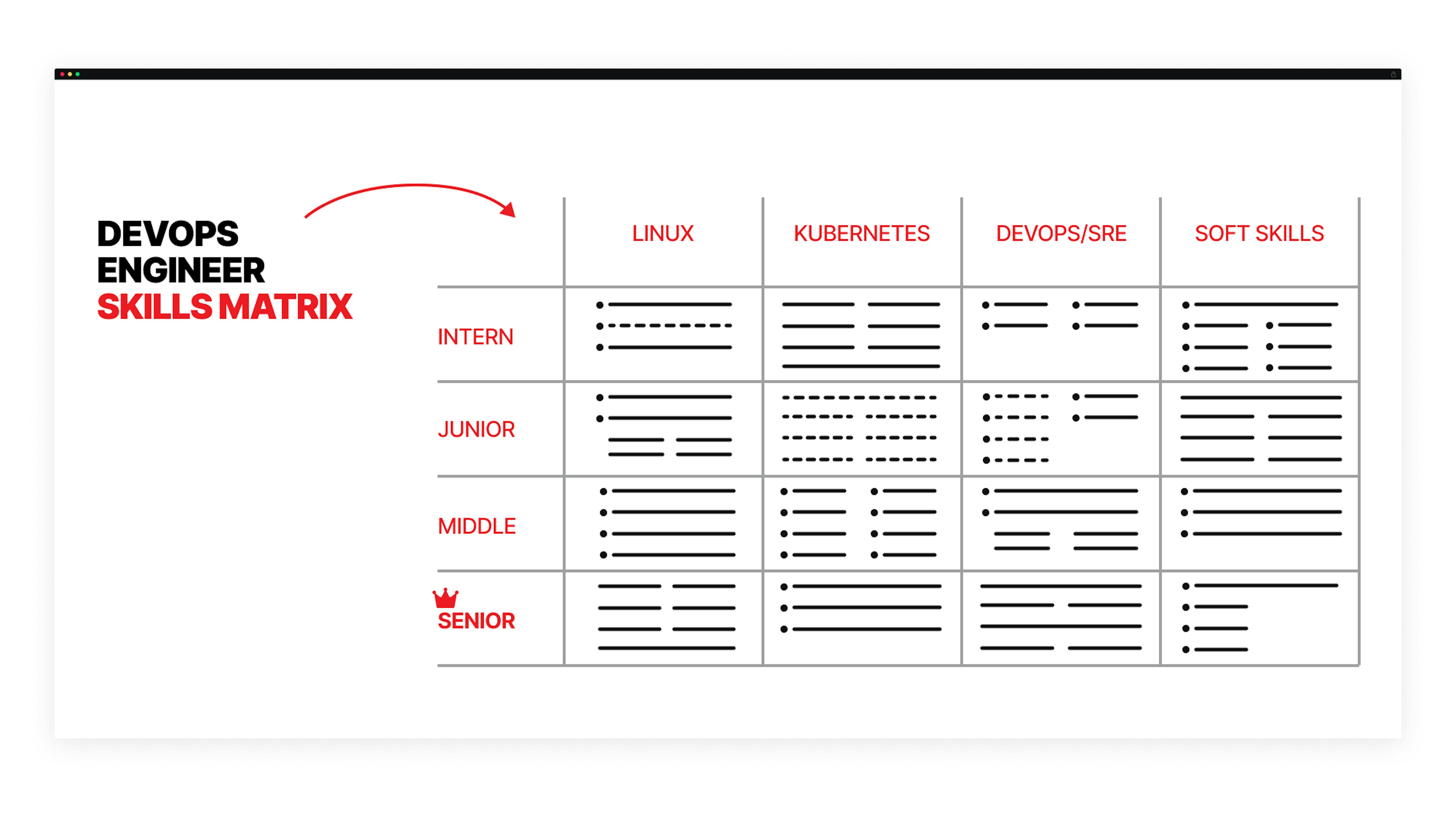
The primary objective of a DevOps professional is to dismantle the traditional silos that exist between software developers who write code and operations teams who maintain the infrastructure. A Junior DevOps Engineer is typically tasked with maintaining existing automated workflows, assisting in the provisioning of cloud environments, and monitoring system performance. Unlike a senior engineer who designs complex, multi-region architectures, a junior team member focuses on executing established procedures, debugging routine pipeline failures, and learning the operational nuances of the organization’s specific tech stack.
In 2026, the demand for this role remains high as organizations transition toward cloud-native architectures. The "Junior" designation implies a need for structured growth; you are expected to possess theoretical knowledge of Infrastructure as Code (IaC) and containerization, while your practical contributions are supported by peer code reviews and senior oversight.
Essential Technical Skill Sets
To excel in this position, you must cultivate a balanced toolkit that spans both software development and systems administration. Mastery of these four pillars is generally required for entry-level success:
1. Version Control and CI/CD Pipelines
Version control is the bedrock of DevOps. Proficiency in Git is non-negotiable; you must be comfortable with branching strategies, merge requests, and conflict resolution. Beyond basic commits, you will work with CI/CD tools such as GitHub Actions, GitLab CI, or Jenkins. Your task is to ensure that code changes move from the developer's workstation to production through an automated, repeatable, and verified process.
2. Infrastructure as Code (IaC)
Modern infrastructure is defined through code rather than manual configuration. Learning tools like Terraform or OpenTofu is critical. You must understand how to define resources—such as virtual machines, storage buckets, or network security groups—in declarative files. This allows teams to version-control their infrastructure and recreate environments consistently.
3. Containerization and Orchestration
Containers enable developers to package an application with all its dependencies. Docker has become the industry standard for containerization. As a junior engineer, you will frequently build, push, and troubleshoot Docker images. Additionally, familiarity with Kubernetes (the orchestration layer) is necessary, as most production environments rely on it to manage container scaling, networking, and self-healing.
4. Cloud Platforms
Most enterprise applications reside on cloud providers like Amazon Web Services (AWS), Google Cloud Platform (GCP), or Microsoft Azure. You should aim to understand the core services offered by your employer’s chosen provider: identity and access management (IAM), storage classes, virtual private clouds (VPC), and load balancing.
Comparative Overview of Common DevOps Tools
The following table provides a high-level comparison of the technologies frequently utilized by junior engineers to perform daily operations.
| Category | Industry Standard Tool | Primary Purpose |
|---|---|---|
| Orchestration | Kubernetes | Managing container clusters and scaling. |
| IaC | Terraform | Provisioning infrastructure via code files. |
| CI/CD | GitHub Actions | Automating code testing and deployment. |
| Containers | Docker | Creating lightweight, portable environments. |
| Scripting | Python | Automating repetitive administrative tasks. |
Practical Daily Responsibilities
Your day-to-day work involves more than just writing configuration files. Much of the role focuses on maintenance and visibility.
- Monitoring and Alerting: You will use tools like Prometheus and Grafana to track system health. If a spike in CPU usage or memory consumption occurs, your task is to identify the root cause and alert the appropriate teams.
- Incident Response: You will participate in "on-call" rotations. When a system goes down, you are often the first line of defense, responsible for reviewing logs to determine if the failure was caused by a faulty code deployment, an infrastructure misconfiguration, or an external service disruption.
- Documentation: Clear documentation is the difference between a resilient team and a fragile one. You are expected to update runbooks, explain new pipeline changes, and ensure that institutional knowledge is preserved.
- Security Integration (DevSecOps): Modern DevOps includes security at every stage. You will assist in scanning container images for vulnerabilities and ensuring that secrets—such as API keys and passwords—are never committed to version control.
Challenges and Common Pitfalls
New engineers often struggle with the "infinite scope" of the field. Because DevOps touches every part of the software lifecycle, the learning curve can feel steep.
A common mistake is focusing on "tool-chasing"—trying to learn every niche technology instead of mastering the fundamental concepts. For example, understanding how network packets traverse a system is more valuable than memorizing every flag in a specific CLI tool. Tools change; networking fundamentals, however, remain constant.
Another risk is over-automation. Before automating a process, you must understand how to perform it manually. If you cannot explain the steps required to provision a server, you will be unable to debug the automation script when it inevitably fails. Always document your manual steps before codifying them into a pipeline.
Preparing for the Role: Verification and Next Actions
To successfully transition into or advance within a Junior DevOps role, you must demonstrate the ability to solve problems independently.
- Build a Lab Environment: Do not rely solely on tutorials. Set up a local Kubernetes cluster using Minikube or Kind. Deploy a simple application, write a CI/CD pipeline, and break it on purpose so you can learn how to fix it.
- Focus on Scripting: Proficiency in Python or Bash is essential for automating administrative tasks. If a task requires more than three manual steps, write a script to handle it.
- Certifications as Benchmarks: While experience is king, entry-level certifications like the Certified Kubernetes Administrator (CKA) or cloud-specific associate-level certifications (e.g., AWS Certified Solutions Architect – Associate) provide a structured path to verifying your baseline knowledge.
- GitHub Portfolio: Maintain a public repository where you showcase your IaC templates and automation scripts. Documentation of your thought process—explaining why you chose a particular tool or configuration—is often more valuable to hiring managers than the code itself.
The transition from a developer or IT administrator into a DevOps role is a shift in mindset. You are moving from a world of "it works on my machine" to "it works reliably in production." Prioritize the fundamentals of networking, security, and Linux administration, and you will build a solid foundation for a long career in infrastructure engineering.
Frequently Asked Questions
What programming language is most important for a Junior DevOps Engineer? Python is widely considered the most important language because of its ubiquity in automation scripts and the vast ecosystem of DevOps-related libraries. Bash/Shell scripting is a close second, as it is required for interacting directly with the Linux operating system.
Do I need to be a Linux expert to start? While you do not need to be a kernel developer, you must be comfortable with the Linux command line. You should understand file permissions, process management, standard input/output streams, and how to navigate directory structures.
How does DevOps differ from Site Reliability Engineering (SRE)? DevOps is a cultural philosophy focused on breaking down silos, while SRE is a specific implementation of that philosophy. SRE roles often focus more heavily on software engineering to solve operational problems, focusing on metrics like "Service Level Objectives" (SLOs) and error budgets.
What is the best way to gain experience without a professional title? The most effective way is to contribute to open-source projects or build personal projects that mimic production environments. Hosting a small, scalable application on a cloud provider and managing it with Terraform and GitHub Actions will provide more actionable experience than most certification courses.
How often should I update my technical skills? The landscape of tooling evolves quickly, but the underlying concepts (networking, security, Linux, CI/CD) remain stable. Dedicate a small portion of your time each week to reading technical blogs or documentation, rather than attempting to learn new tools daily.
Image Gallery