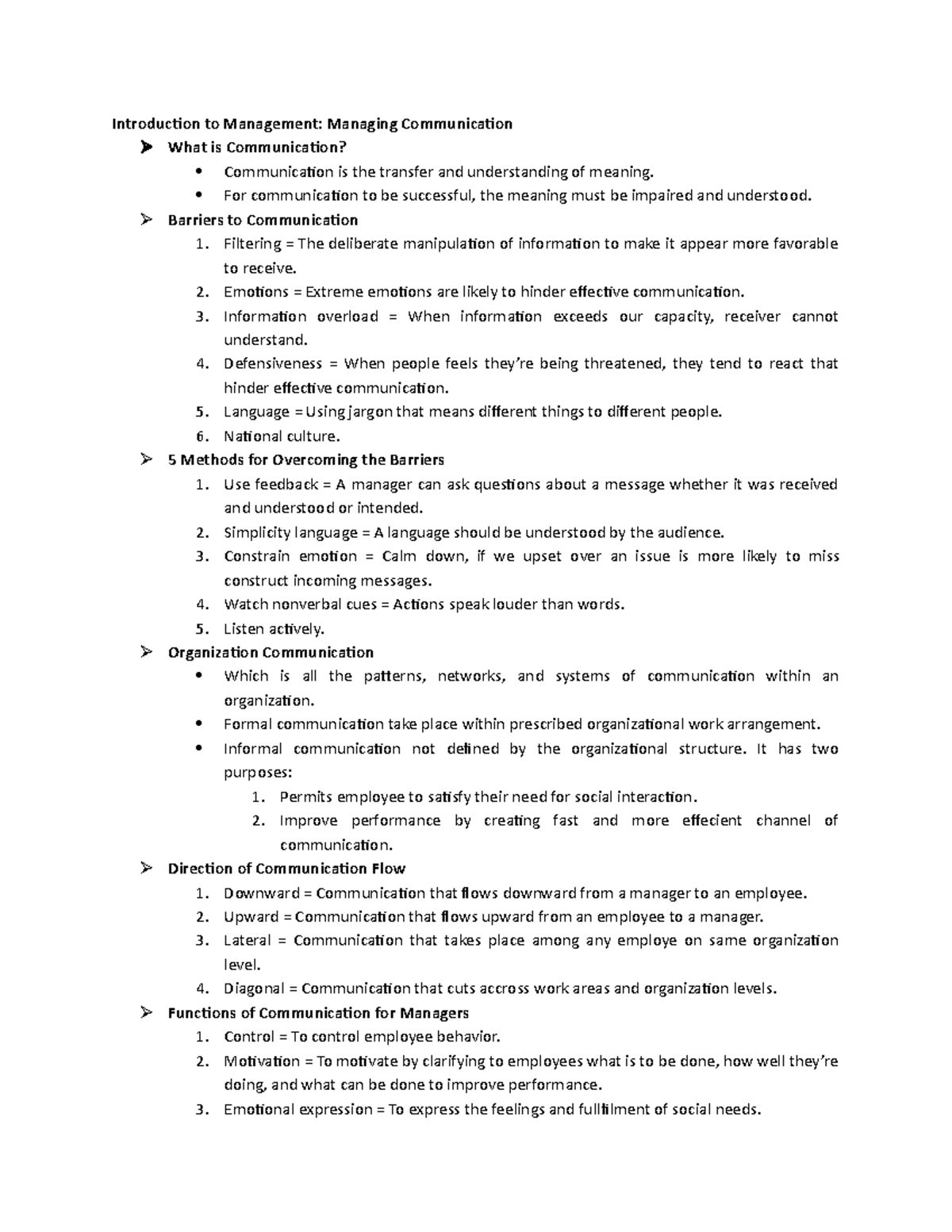
Strategies for Managing Communication in the Modern Office
Managing communication in the modern office requires a strategic shift from constant availability to intentional connectivity. By balancing synchronous tools for real-time collaboration with asynchronous workflows for deep focus, organ...
Managing communication in the modern office requires a strategic shift from constant availability to intentional connectivity. By balancing synchronous tools for real-time collaboration with asynchronous workflows for deep focus, organizations can eliminate information silos, reduce meeting fatigue, and ensure that critical data remains accessible across hybrid and remote teams in 2026.
Contents
As we navigate the mid-2020s, the "office" is no longer defined by four walls but by the digital infrastructure that connects talent globally. The challenge for modern leaders is not a lack of communication tools—most teams suffer from an overabundance—but rather the lack of a cohesive framework for how to use them. Effective communication management now centers on reducing noise, establishing a single source of truth, and leveraging AI-assisted curation to prevent cognitive overload.
The Shift Toward Asynchronous-First Communication
In the 2026 corporate environment, the most productive organizations have moved away from "presence-based" communication toward an asynchronous-first model. Asynchronous communication (async) refers to interactions that do not require participants to be present at the same time. This includes project management updates, recorded video briefs, shared documents, and email.
The primary benefit of an async-first approach is the protection of "Deep Work." When employees are not expected to respond to instant messages within seconds, they can dedicate uninterrupted blocks of time to complex problem-solving. This shift requires a cultural change where "immediate" is no longer the default setting for every request.
When to Use Synchronous vs. Asynchronous Channels
Distinguishing between these two modes is the foundation of modern communication management. Using the wrong channel for a specific task is a primary driver of workplace frustration.
- Synchronous (Real-time): Best reserved for complex conflict resolution, brainstorming sessions, urgent crisis management, and social bonding. If a thread exceeds five back-and-forth messages without a resolution, it should immediately transition to a voice or video call.
- Asynchronous (Delayed): Ideal for status updates, non-urgent feedback, document reviews, and policy announcements. Async channels allow team members in different time zones to contribute equally, fostering a more inclusive environment.
Leveraging the 2026 Technology Stack
Managing the modern office requires a consolidated technology stack. The "app sprawl" of the early 2020s—where teams jumped between a dozen different platforms—has been replaced by integrated ecosystems. To manage communication effectively, organizations must categorize their tools based on function.
Centralizing the "Single Source of Truth" (SSoT)
One of the greatest threats to modern office efficiency is fragmented information. When a project's status is spread across Slack threads, email chains, and private DMs, errors are inevitable. A robust communication strategy mandates a Single Source of Truth—usually a project management platform like Asana, Monday.com, or Notion—where the final version of every decision is recorded.
AI-Assisted Triage and Summarization
By 2026, Artificial Intelligence has become the primary filter for workplace communication. Management now involves deploying AI agents that can:
- Summarize Meetings: Providing concise bullet points and action items from transcripts.
- Thread Synthesis: Distilling long chat history into a three-sentence summary for returning team members.
- Sentiment Analysis: Monitoring internal channels to alert HR or managers of rising burnout or cultural friction before it leads to turnover.
Standardizing Communication Etiquette and SOPs
Without clear guidelines, digital communication becomes chaotic. Standard Operating Procedures (SOPs) for communication should be documented and included in the onboarding process. These guidelines prevent the "notification fatigue" that contributes to high stress levels in modern professional settings.
The "No-Hello" and Purpose-Driven Messaging
A common inefficiency in instant messaging is the "Hello" followed by a wait for a response. Modern etiquette dictates that every message should be self-contained. Employees should state the context, the request, and the deadline in the initial ping. This allows the recipient to prioritize the task without unnecessary context-switching.
Defining Response Time Expectations
Internal SLAs (Service Level Agreements) for communication help manage expectations. For example:
- Instant Messaging: Response expected within 2 to 4 hours.
- Email: Response expected within 24 hours.
- Urgent/Phone: Immediate response for true emergencies only.
Setting these boundaries prevents the "always-on" culture and allows staff to disconnect during non-working hours, which is increasingly protected by labor regulations in various jurisdictions.
Comparison of Communication Modes in the Modern Office
The following table outlines the strategic application of different communication methods used in high-performing 2026 workplaces.
| Communication Type | Primary Tool Examples | Ideal Use Case | Expected Response |
|---|---|---|---|
| Instant Messaging | Slack, Microsoft Teams | Quick queries, social chat, urgent updates | 1–4 Hours |
| Project Management | Notion, Jira, Asana | Task tracking, documentation, project history | Per Task Deadline |
| Video Conferencing | Zoom, Google Meet | 1:1s, complex brainstorming, sensitive HR | Real-time |
| Video Messaging | Loom, Vidyard | Walkthroughs, feedback, non-urgent demos | 12–24 Hours |
| Outlook, Gmail | External comms, formal contracts, long-form | 24 Hours |
Overcoming Proximity Bias in Hybrid Teams
Managing communication in a modern office often means managing a split workforce. Proximity bias—the tendency for managers to favor employees who are physically present in the office—can destroy team morale. To manage this, communication must be "remote-first," even if 50% of the team is in the building.
If two people are in a conference room and three are remote, all participants should join the digital meeting link on their own devices. This ensures that the chat log is accessible to everyone and that remote participants have equal "screen real estate" and opportunity to speak. Documentation of decisions made in physical hallways must be moved to digital channels immediately to keep the entire team synchronized.
Conducting a Communication Audit
To maintain efficiency, organizations should conduct a bi-annual communication audit. This process identifies which channels are being overused and which are creating bottlenecks.
- Analyze Tool Usage: Identify apps with low engagement and eliminate them to reduce costs and complexity.
- Survey the Team: Ask employees where they feel "lost" or overwhelmed.
- Review Meeting Volume: Calculate the "meeting load" across departments. If managers spend more than 60% of their time in synchronous meetings, the organization likely has a documentation problem.
- Evaluate Information Retrieval: Test how long it takes a new hire to find a specific policy or project update. If it takes more than five minutes, the searchability of the communication system needs improvement.
Addressing Privacy and Data Security
In 2026, the legal landscape surrounding internal communication is more rigorous than ever. Managers must ensure that sensitive discussions—especially regarding intellectual property, client data, and employee health—occur on encrypted, compliant platforms.
Shadow IT (the use of unauthorized apps like personal WhatsApp for business) poses a significant security risk. Managing communication includes strict enforcement of corporate-approved channels to ensure that all data is subject to appropriate retention policies and discovery protocols in the event of legal disputes.
FAQs about Managing Modern Office Communication
How do we reduce the number of unnecessary meetings? The most effective way to reduce meetings is to implement a "No Agenda, No Attendance" policy. Furthermore, shift status updates to asynchronous channels like shared documents or automated Slack stand-ups. Meetings should be reserved for interactive problem-solving where real-time dialogue adds value that a document cannot.
What is the best way to handle information overload for employees? Encourage "Batching." Instead of checking notifications every few minutes, employees should be trained to check communication channels at set intervals (e.g., once an hour). Additionally, leveraging AI tools that categorize messages into "Action Required," "FYI," and "Social" can help employees focus on what matters most.
How can we maintain company culture in a purely digital communication environment? Culture is built through shared experiences and recognition. Use dedicated channels for non-work interests, celebrate milestones publicly in project channels, and schedule "virtual watercooler" sessions that are explicitly not about work. However, do not force "mandatory fun"; allow social connection to happen organically through accessible digital spaces.
Is email still relevant in the modern office of 2026? Yes, but its role has changed. Email is now primarily used for formal external communication, long-form newsletters, and "paper trail" documentation for legal or HR purposes. For day-to-day internal collaboration, it has largely been superseded by project management and instant messaging platforms.
How do we manage communication across different time zones? Prioritize asynchronous workflows. Use recorded video updates (like Loom) so team members in London can wake up to a walkthrough from their colleagues in San Francisco. When scheduling synchronous meetings, rotate the "uncomfortable" times so the same region isn't always attending calls late at night or early in the morning.
Practical Recommendation for 2026
To successfully manage communication in the modern office, begin by drafting a Team Communication Manifesto. This document should clearly outline which tools are used for which purposes, expected response times, and the "right to disconnect" hours. Once the rules are established, utilize AI integration to automate the recording and summarization of all synchronous interactions. By reducing the manual effort required to "stay in the loop," you empower your team to focus on high-value output rather than the maintenance of the communication system itself.
Image Gallery