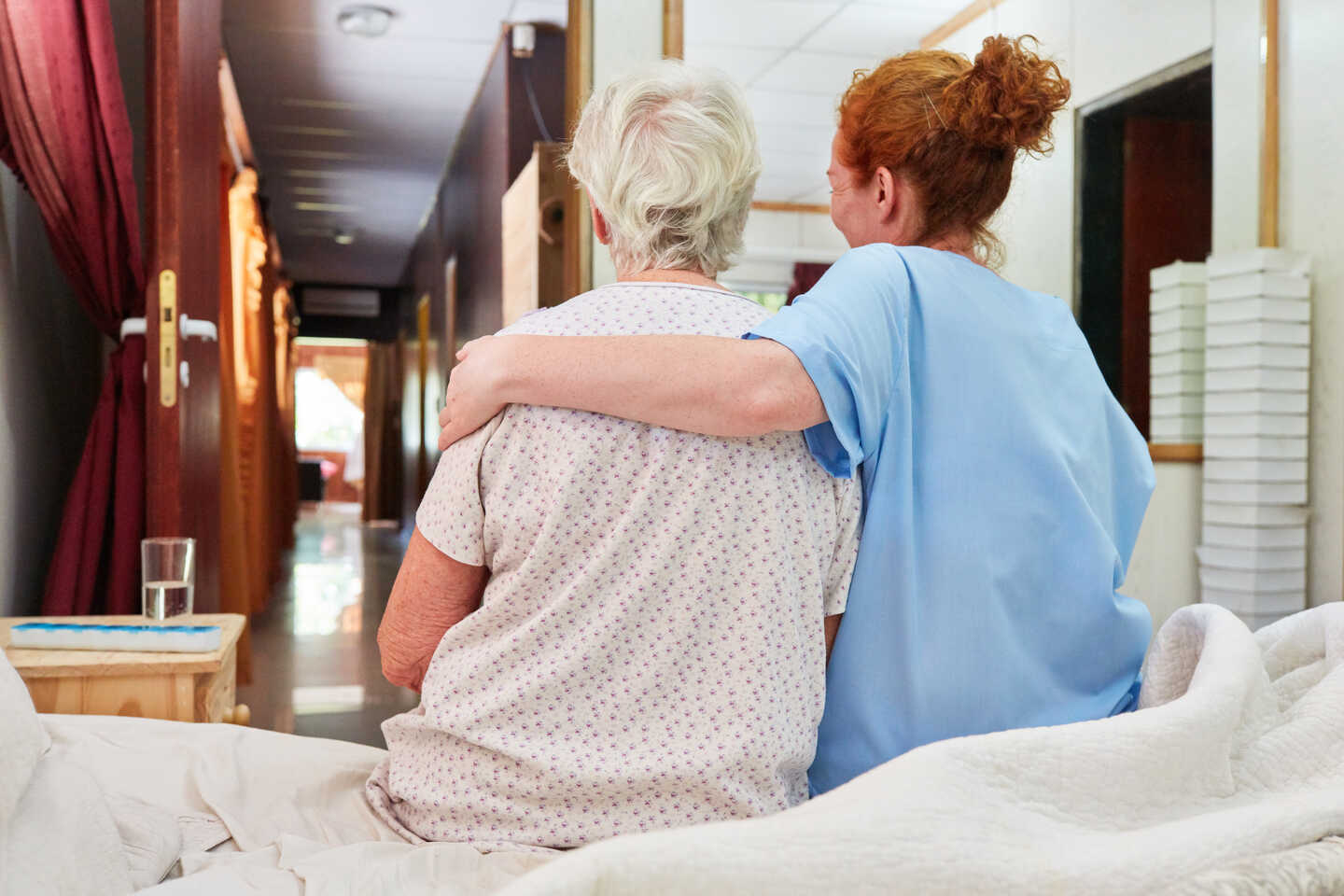
The Vital Role of Geriatric Nurses in the 2026 Healthcare System
Geriatric nurses are specialized healthcare professionals dedicated to the complex physical, mental, and social needs of older adults. In 2026, they serve as the linchpin of a health system managing an aging population, providing exper...
Geriatric nurses are specialized healthcare professionals dedicated to the complex physical, mental, and social needs of older adults. In 2026, they serve as the linchpin of a health system managing an aging population, providing expert care for chronic conditions, cognitive decline, and holistic wellness while coordinating multidisciplinary teams to optimize patient outcomes.
Contents
The Evolution of Geriatric Nursing in a Shifting Demographic
As we navigate 2026, the "Silver Tsunami"—the rapid increase in the population aged 65 and older—has transitioned from a projected challenge to a daily reality for the global healthcare infrastructure. Geriatric nurses are no longer just a sub-specialty; they are the primary responders in emergency departments, long-term care facilities, and home-based clinical settings. The shift toward value-based care has placed a premium on their ability to prevent hospital readmissions and manage chronic illnesses effectively.
The modern geriatric nurse must possess a deep understanding of the physiological changes associated with aging. This includes recognizing that older adults often present with "atypical symptoms." For instance, an infection that might cause a fever in a younger patient may manifest as sudden confusion or a fall in an elderly patient. Identifying these subtle markers is essential for early intervention and reducing morbidity.
Furthermore, the 2026 health system emphasizes "aging in place." Geriatric nurses are increasingly working in community-based roles, utilizing remote patient monitoring (RPM) and telehealth to keep patients safe in their own homes. This shift requires a blend of traditional clinical skills and high-level digital literacy to interpret data from wearable sensors and AI-driven health monitors.
Core Responsibilities and Specialized Clinical Skills
The scope of practice for a geriatric nurse is broad, covering everything from acute clinical crises to long-term palliative care. Their responsibilities are rooted in the "4Ms" framework of age-friendly health systems: What Matters, Medication, Mentation, and Mobility.
Comprehensive Assessment and Care Planning
Geriatric nurses perform functional assessments to determine a patient’s ability to perform activities of daily living (ADLs), such as dressing or eating, and instrumental activities of daily living (IADLs), such as managing finances or medications. These assessments form the basis of individualized care plans that prioritize the patient's personal goals and autonomy.
Management of Geriatric Syndromes
Geriatric syndromes refer to clinical conditions that do not fit into discrete disease categories but significantly impact quality of life. These include:
- Frailty: A state of increased vulnerability to stressors.
- Delirium: Acute confusion often triggered by illness or surgery, which geriatric nurses are trained to prevent through non-pharmacological interventions.
- Incontinence: Managing both the physical and psychosocial aspects of bladder and bowel health.
- Falls and Mobility Issues: Implementing gait training and environmental modifications to prevent injury.
Polypharmacy and Medication Reconciliation
One of the most critical tasks in 2026 is managing polypharmacy—the use of multiple medications by a single patient. Older adults are at a higher risk for adverse drug reactions due to changes in metabolism and kidney function. Geriatric nurses use tools like the Beers Criteria to identify potentially inappropriate medications and work with pharmacists to "deprescribe" unnecessary or harmful drugs.
Educational Requirements and Advanced Certifications
Entering the field of geriatric nursing requires a foundational education in general nursing followed by specialized training. In 2026, the demand for highly qualified geriatric nurses has led to more streamlined pathways for specialization.
- Registered Nurse (RN) License: The starting point is obtaining an Associate Degree in Nursing (ADN) or a Bachelor of Science in Nursing (BSN) and passing the NCLEX-RN exam.
- Gerontological Nursing Certification (GERO-BC™): Offered by organizations like the American Nurses Credentialing Center (ANCC), this certification validates a nurse's specialized knowledge in aging. To qualify, nurses typically need two years of full-time experience and a specific number of continuing education hours in geriatrics.
- Advanced Practice Registered Nurse (APRN): For those seeking higher levels of autonomy, becoming an Adult-Gerontology Primary Care Nurse Practitioner (AGPCNP) or an Adult-Gerontology Acute Care Nurse Practitioner (AGACNP) is common. These roles require a Master’s or Doctoral degree and allow the nurse to diagnose illnesses, order tests, and prescribe medications.
The 2026 workforce also sees a rise in "micro-credentials" in specific areas like dementia care, wound management for thinning skin, and end-of-life ethics. These shorter, intensive certifications allow nurses to stay current with the latest evidence-based practices without committing to a multi-year degree program immediately.
Technological Integration in 2026 Geriatric Care
Technology has become a force multiplier for geriatric nurses in 2026. Rather than replacing the human touch, technology handles routine monitoring, allowing nurses to focus on complex clinical decision-making and emotional support.
AI and Predictive Analytics
Artificial Intelligence (AI) platforms now analyze electronic health records (EHRs) to predict which patients are at high risk for a fall or a pressure ulcer before it happens. Geriatric nurses use these "early warning systems" to prioritize their rounds and implement preventive measures.
Smart Home and Wearable Tech
For patients living at home, geriatric nurses monitor data from smart floors that detect gait changes and wearables that track heart rate variability and sleep patterns. If a patient’s activity level drops significantly, the nurse is alerted to conduct a telehealth check-in, potentially preventing an emergency room visit.
Electronic Health Record (EHR) Interoperability
In 2026, improved data sharing between hospitals, nursing homes, and home health agencies ensures that the geriatric nurse has a complete picture of the patient’s history. This reduces errors during transitions of care—a historically dangerous time for elderly patients.
Comparing Roles Within the Geriatric Care Continuum
The geriatric care team is hierarchical and collaborative. Understanding the different roles is vital for both aspiring nurses and healthcare administrators.
| Role | Education Level | Primary Focus | Clinical Autonomy |
|---|---|---|---|
| Certified Nursing Assistant (CNA) | High School + Certificate | ADLs, hygiene, and basic vitals. | Low (supervised) |
| Licensed Practical Nurse (LPN/LVN) | 1-year Diploma | Medication administration, wound care. | Moderate |
| Registered Nurse (RN) | ADN or BSN | Complex assessment, care coordination. | High (within scope) |
| Nurse Practitioner (AGNP) | MSN or DNP | Diagnosis, prescribing, chronic management. | Very High |
| Clinical Nurse Specialist (CNS) | MSN or DNP | Improving institutional care standards. | Expert/Consultant |
Challenges Facing the Profession in 2026
Despite the importance of the role, geriatric nursing faces significant hurdles. The most pressing is the workforce shortage. While the aging population grows, the number of nurses entering geriatrics specifically has not kept pace. This often leads to high patient-to-nurse ratios, which can contribute to burnout.
Compassion Fatigue is another reality. Caring for patients with progressive cognitive decline (like Alzheimer’s or Parkinson’s) or those nearing the end of life requires immense emotional resilience. The 2026 healthcare system is responding by incorporating "resiliency training" into nursing curricula and providing better mental health support for staff.
Financial Pressures also play a role. Reimbursement models are still catching up to the time-intensive nature of geriatric care. Unlike a quick surgical procedure, managing a patient with multiple chronic conditions and social isolation takes time—time that is not always adequately compensated under traditional fee-for-service models.
The Impact of Geriatric Nursing on Patient Outcomes
Research consistently shows that when geriatric nurses are integrated into care teams, patient outcomes improve across the board. Hospitals with specialized geriatric units (ACE units—Acute Care for the Elderly) report shorter lengths of stay and lower rates of functional decline.
In long-term care settings, skilled geriatric nursing reduces the incidence of "never events," such as severe pressure ulcers or catheter-associated urinary tract infections (CAUTIs). Furthermore, their expertise in communication helps families navigate difficult decisions regarding palliative care and advanced directives, ensuring that the patient's final years are lived with dignity and according to their wishes.
FAQ: Geriatric Nursing in 2026
What is the difference between a geriatric nurse and a general nurse? While all nurses learn basic care for older adults, geriatric nurses undergo specialized training in "geriatric syndromes," polypharmacy, and the complex psychosocial needs of the elderly. They are experts in distinguishing the normal aging process from pathology.
How much do geriatric nurses earn in 2026? Salaries vary by location and education, but the high demand in 2026 has led to competitive pay. RNs specializing in geriatrics often earn between $85,000 and $110,000, while Advanced Practice Nurses (NPs) can earn significantly more, often exceeding $140,000 in specialized or private practice settings.
Is geriatric nursing a good career choice for the future? Yes. Due to the demographic shift of the aging population, geriatric nursing is one of the most "future-proof" careers in healthcare. Job security is exceptionally high, and there are numerous opportunities for career advancement into management or specialized clinical roles.
Can geriatric nurses work in settings other than nursing homes? Absolutely. In 2026, geriatric nurses work in hospitals, outpatient clinics, home health agencies, hospice, and even as private consultants for families navigating the elder care system.
Does AI threaten the jobs of geriatric nurses? On the contrary, AI is used as a supportive tool. AI cannot replace the clinical judgment, empathy, and complex physical care that a geriatric nurse provides. It helps nurses work more efficiently by identifying risks earlier and automating administrative tasks.
Practical Recommendations for Aspiring Geriatric Nurses
If you are considering a career in geriatric nursing in 2026, start by gaining experience in diverse settings. Volunteer at a senior center or work as a CNA in a long-term care facility to ensure you enjoy the unique pace and challenges of working with older adults.
Pursue a BSN degree if possible, as it provides a broader foundation in public health and leadership, which is increasingly required for geriatric roles. Once you are an RN, don't wait to seek certification. The GERO-BC™ credential not only increases your marketability but also provides you with the evidence-based tools necessary to provide the highest standard of care in a complex and demanding healthcare environment.
Image Gallery