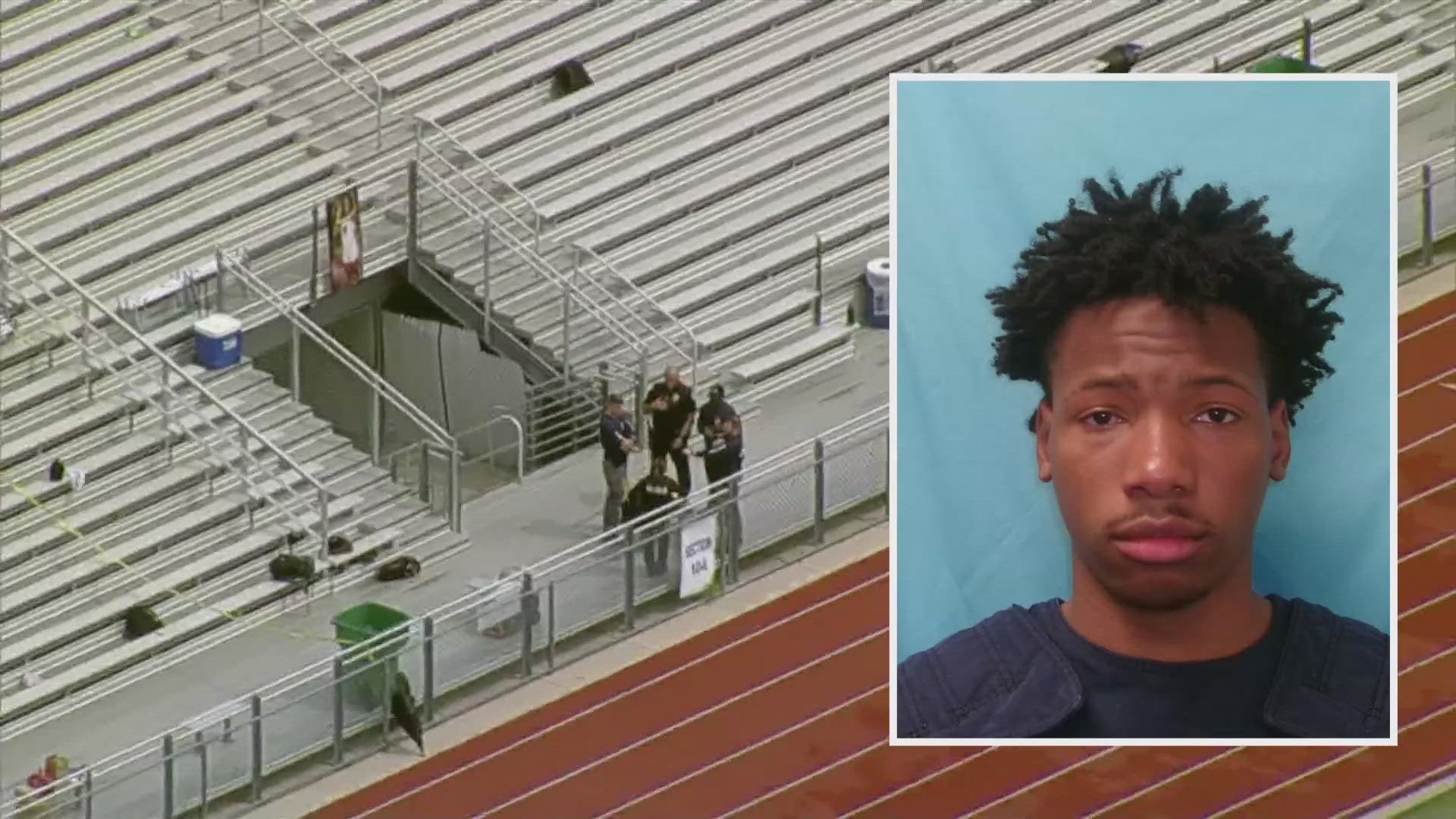
The Legacy of the Austin Metcalf Tragedy: Shaping Safety and Policy in Frisco Schools
The Austin Metcalf tragedy served as a somber catalyst for fundamental shifts in how Frisco Independent School District (FISD) and North Texas communities approach student safety, substance abuse prevention, and emergency medical respo...
The Austin Metcalf tragedy served as a somber catalyst for fundamental shifts in how Frisco Independent School District (FISD) and North Texas communities approach student safety, substance abuse prevention, and emergency medical response. By 2026, his legacy is seen in mandatory fentanyl education, widespread Narcan accessibility, and aggressive legal measures against drug distribution near schools.
Contents
The loss of Austin Metcalf, a 2019 graduate of Frisco High School who died from fentanyl poisoning in 2022, was not merely a local headline; it was a systemic alarm bell. For Frisco schools, this tragedy moved the conversation regarding substance abuse from the periphery of "disciplinary issues" to the center of "life safety protocols." In the years following his death, the district, the city, and the state legislature have rewritten the rules for protecting students in an era where a single counterfeit pill can be lethal.
The Local Context: Fentanyl’s Impact on North Texas
The tragedy of Austin Metcalf occurred during a period of escalating crisis in North Texas. Between 2022 and 2024, the Dallas-Fort Worth metroplex—specifically high-performing districts like Frisco, Plano, and Carrollton—experienced a sharp rise in "fentanyl poisonings." Unlike traditional drug epidemics involving long-term addiction, the fentanyl crisis was characterized by the "one pill can kill" phenomenon, where students unknowingly consumed lethal doses of synthetic opioids disguised as prescription medication like Xanax or Percocet.
Austin Metcalf’s death at age 21 highlighted that the danger did not end at high school graduation but was deeply embedded in the social fabric of the community. For Frisco ISD, this realization prompted an immediate re-evaluation of how they prepared students for life beyond the classroom. The tragedy emphasized that prevention efforts had to start earlier and be significantly more blunt about the risks involved.
Legislative Shifts: From Local Grief to Statewide Mandates
The impact of the Metcalf tragedy and similar losses in the region directly influenced the passage of Tucker’s Law (House Bill 3908). Named after another North Texas victim, this law made fentanyl abuse prevention education mandatory for all students in grades 6 through 12. By 2026, Frisco ISD has fully integrated these requirements into its "Fentanyl Awareness Week" and health curricula.
Tucker’s Law requires school districts to:
- Provide research-based instruction on fentanyl abuse and poisoning.
- Educate students on the "Good Samaritan" laws that protect those who call for help during an overdose.
- Inform students about the life-saving potential of Naloxone (Narcan).
This legislative change shifted the burden from individual campuses to the state, ensuring that every student in Frisco—from Wester Middle School to Reedy High School—receives the same rigorous, life-saving information.
Frisco ISD’s Policy Evolution (2022–2026)
Following the Metcalf tragedy, Frisco ISD moved aggressively to implement physical and educational safeguards. The district’s approach transitioned from reactive to proactive, focusing on three primary pillars: emergency response, campus culture, and parental partnership.
Narcan Accessibility and Training Protocols
One of the most immediate changes was the deployment of Naloxone (Narcan) across all FISD campuses. In the 2025-2026 school year, Narcan is not only available in every nurse’s office but is also part of the standard emergency kit carried by School Resource Officers (SROs) and trained campus administrators.
The technical protocol for Narcan use in FISD involves:
- Storage: Stored in climate-controlled, accessible locations similar to Automated External Defibrillators (AEDs).
- Training: Annual training for staff on recognizing the signs of opioid overdose, which include pinpoint pupils, blue or gray skin/lips, and respiratory depression.
- Documentation: Mandatory reporting of any Narcan administration to both the Texas Education Agency (TEA) and local health authorities.
Curriculum Integration and Preventative Education
Frisco ISD has replaced generic "drug awareness" programs with highly specific fentanyl prevention modules. These modules utilize real-life stories—often including the Metcalf family’s advocacy—to humanize the statistics. The goal is to strip away the stigma of addiction and focus on the chemical reality of fentanyl poisoning. By 2026, the district also utilizes the "STOPit" app, allowing students to anonymously report drug activity or peers who may be in danger, creating a digital "neighborhood watch" for the student body.
Comparing School Safety Frameworks: Pre- and Post-2022
The following table illustrates the shift in Frisco ISD’s operational approach following the local tragedies that peaked around 2022.
| Feature | Pre-2022 Approach | 2026 Current Standard |
|---|---|---|
| Opioid Antagonists | Limited or nurse-office only. | Ubiquitous; Narcan in all emergency kits/SRO vehicles. |
| Drug Education | Generalized "Say No" or Red Ribbon Week. | Targeted fentanyl poisoning modules (HB 3908 compliant). |
| Law Enforcement Role | Focus on campus security/discipline. | Integration with federal drug task forces (DEA) for local sourcing. |
| Reporting Systems | Verbal reports to counselors. | Anonymous digital reporting via STOPit and dedicated hotlines. |
| Parental Engagement | Optional seminars. | Mandatory awareness campaigns and "Hidden in Plain Sight" workshops. |
| Legal Consequences | Standard school disciplinary action. | Prosecution under Texas HB 6 (Fentanyl as Murder). |
Community and Parental Involvement: The "Hidden in Plain Sight" Strategy
The Metcalf tragedy highlighted a critical gap: parents were often unaware of what to look for. In response, Frisco ISD and the Frisco Police Department launched the "Hidden in Plain Sight" initiative. This program provides parents with a mock teenager’s bedroom, demonstrating how common household items can hide drug paraphernalia or counterfeit pills.
In 2026, these workshops are staple events for the Frisco Council of PTAs. They teach parents about:
- Emojis and Codes: How drug deals are facilitated via Snapchat or Instagram using specific emoji combinations.
- Counterfeit Recognition: The visual difficulty in distinguishing a legitimate M30 (Oxycodone) pill from a fentanyl-laced counterfeit.
- Mental Health Links: Identifying the correlation between academic pressure and the "self-medication" that often leads students to seek pills.
The Role of Law Enforcement and Prosecution
A significant outcome of the tragedy was the shift in how drug-related deaths are prosecuted in the Frisco area. In 2023, Texas passed House Bill 6, which allows prosecutors to charge drug dealers with murder if their sale results in a death.
For Frisco schools, this has meant a closer partnership between the district and the Frisco Police Department. When a tragedy occurs, the focus is now on tracing the digital footprint of the transaction back to the source. The sentencing of dealers involved in North Texas student deaths has served as a deterrent and a form of legal closure for the community, emphasizing that these events are viewed as poisonings rather than simple overdoses.
Long-Term Implications for Student Mental Health
Perhaps the most profound change in Frisco schools since the Metcalf tragedy is the increased focus on mental health as a prerequisite for safety. The district recognizes that the demand for "study pills" or anxiety medication often stems from the high-pressure environment characteristic of Frisco's competitive landscape.
By 2026, FISD has expanded its "Whole Child" approach, which includes:
- Increased Counselor Ratios: Lowering the number of students per counselor to ensure better emotional support.
- Social-Emotional Learning (SEL): Teaching coping mechanisms for stress and grief.
- The "Know Your Classmate" Campaign: Fostering a culture where social isolation—a risk factor for drug experimentation—is actively mitigated by student leaders.
The Austin Metcalf tragedy taught Frisco that academic excellence is meaningless without the survival of the students. The "meaning" of the tragedy for Frisco schools is a commitment to a "zero-fail" safety environment where the community acknowledges the reality of the threat rather than hiding from it.
Frequently Asked Questions
What is Tucker’s Law and how does it affect Frisco ISD?Tucker’s Law (HB 3908) is a Texas mandate that requires all public schools to provide fentanyl abuse and poisoning prevention education to students in grades 6–12. Frisco ISD complies by integrating these lessons into health classes and hosting annual awareness weeks that focus on the dangers of synthetic opioids and the "One Pill Can Kill" message.
Is Narcan available in all Frisco schools?Yes. As of 2026, Frisco ISD stocks Naloxone (Narcan) at every campus. It is maintained by school nurses and carried by School Resource Officers (SROs). Staff members undergo regular training to identify the signs of opioid poisoning and administer the nasal spray correctly in an emergency.
How has the legal response to drug deaths changed in Frisco?Following the passage of Texas HB 6, deaths caused by fentanyl are now often prosecuted as murders. Law enforcement agencies in Frisco work closely with federal partners to track digital transactions, aiming to hold dealers accountable for "fentanyl poisoning." This represents a shift from treating these cases solely as accidental overdoses.
How can parents in Frisco get involved in prevention?Parents can participate in the "Hidden in Plain Sight" workshops organized by the Frisco Police Department and the FISD PTA. Additionally, the district provides resources through its website on how to monitor social media activity and talk to children about the risks of counterfeit prescription medications.
Does Frisco ISD offer anonymous reporting for drug concerns?Yes, the district utilizes the STOPit app, which allows students to anonymously report concerns about drug use, bullying, or self-harm. This tool is a critical part of the district's strategy to intervene before a situation becomes a tragedy.
Practical Recommendation
For parents and community members in Frisco, the most important next action is to move from awareness to preparation. Familiarize yourself with the signs of opioid distress and attend a district-sponsored Narcan training session. Keeping the lines of communication open with your children about the specific dangers of "fentanyl-laced" pills—rather than generic drug warnings—is the most effective way to honor the lessons learned from the Austin Metcalf tragedy.
Image Gallery