Villarreal Ciudad Population in 2025: Current Stats and Demographic Trends
As of 2025, the population of Villarreal (officially known as Vila-real) in the province of Castellón, Spain, is estimated to be approximately 52,100 inhabitants. This figure represents a slight but steady increase from previous years,...
As of 2025, the population of Villarreal (officially known as Vila-real) in the province of Castellón, Spain, is estimated to be approximately 52,100 inhabitants. This figure represents a slight but steady increase from previous years, driven by the city’s resilient industrial sector and its strategic position as a residential and economic hub within the Valencian Community.
Contents
The Demographic Landscape of Villarreal in 2025
The demographic profile of Villarreal in 2025 reflects a city that has successfully navigated the economic transitions of the early 2020s. Located in the Plana Baixa region, Villarreal remains the second-largest city in the province of Castellón, trailing only the provincial capital, Castellón de la Plana. The population density has remained high, concentrated primarily in the urban core, which is characterized by a mix of traditional Mediterranean architecture and modern residential developments.
Growth in 2025 is primarily attributed to "vegetative stabilization"—where the birth and death rates are relatively balanced—and a positive net migration rate. While many medium-sized Spanish cities face the threat of "España Vaciada" (Empty Spain), Villarreal’s robust labor market, particularly in the ceramic tile industry, continues to attract young professionals and families from other parts of the Valencian Community and abroad.
The city’s official census data, managed by the Instituto Nacional de Estadística (INE), indicates that the population has hovered around the 50,000 to 52,000 mark for the last decade. In 2025, the consolidation of new housing projects on the outskirts of the city has allowed for a slight expansion of the resident base, accommodating those who work in the surrounding industrial parks but prefer the amenities of a mid-sized city.
Historical Population Evolution (2015–2025)
To understand the 2025 figures, one must look at the historical trajectory of the city. Villarreal experienced an explosive growth period during the late 20th century, transitioning from a predominantly agricultural town focused on citrus to an industrial powerhouse. By the early 2000s, the population surpassed 45,000, and it has remained remarkably stable despite various global economic fluctuations.
In the early 2020s, like many urban centers, Villarreal saw a brief stagnation due to the COVID-19 pandemic. However, the subsequent years focused on urban "renaturalization" and the improvement of public services made the city an attractive alternative to larger, more expensive metropolitan areas like Valencia.
| Year | Population (Approx. INE Data) | Growth Rate | Key Driver |
|---|---|---|---|
| 2015 | 50,580 | -0.15% | Post-recession stabilization |
| 2018 | 50,577 | +0.01% | Industrial workforce retention |
| 2021 | 51,293 | +1.40% | Urban expansion projects |
| 2023 | 51,852 | +1.09% | Economic recovery and migration |
| 2024 (Est) | 51,980 | +0.25% | Steady-state residential growth |
| 2025 (Est) | 52,100 | +0.23% | Consolidation of service sector |
Socio-Economic Drivers of Population Retention
The primary reason Villarreal maintains a stable population of over 52,000 is its economic foundation. The city is the heart of the "Ceramic Triangle" (along with Onda and L'Alcora). This industry does more than provide jobs; it creates a complex ecosystem of logistics, chemical engineering, and design firms that require a diverse workforce.
The Ceramic Industry Impact
In 2025, the ceramic sector continues to be the largest employer. High-tech manufacturing plants located along the CV-10 and N-340 highways draw thousands of workers. Unlike seasonal tourism-based cities, Villarreal’s economy is year-round, which encourages permanent residency rather than seasonal fluctuation. This stability is a cornerstone of the 2025 population data, as it limits the "brain drain" often seen in other Spanish municipalities.
The "Submarine" Effect: Villarreal CF
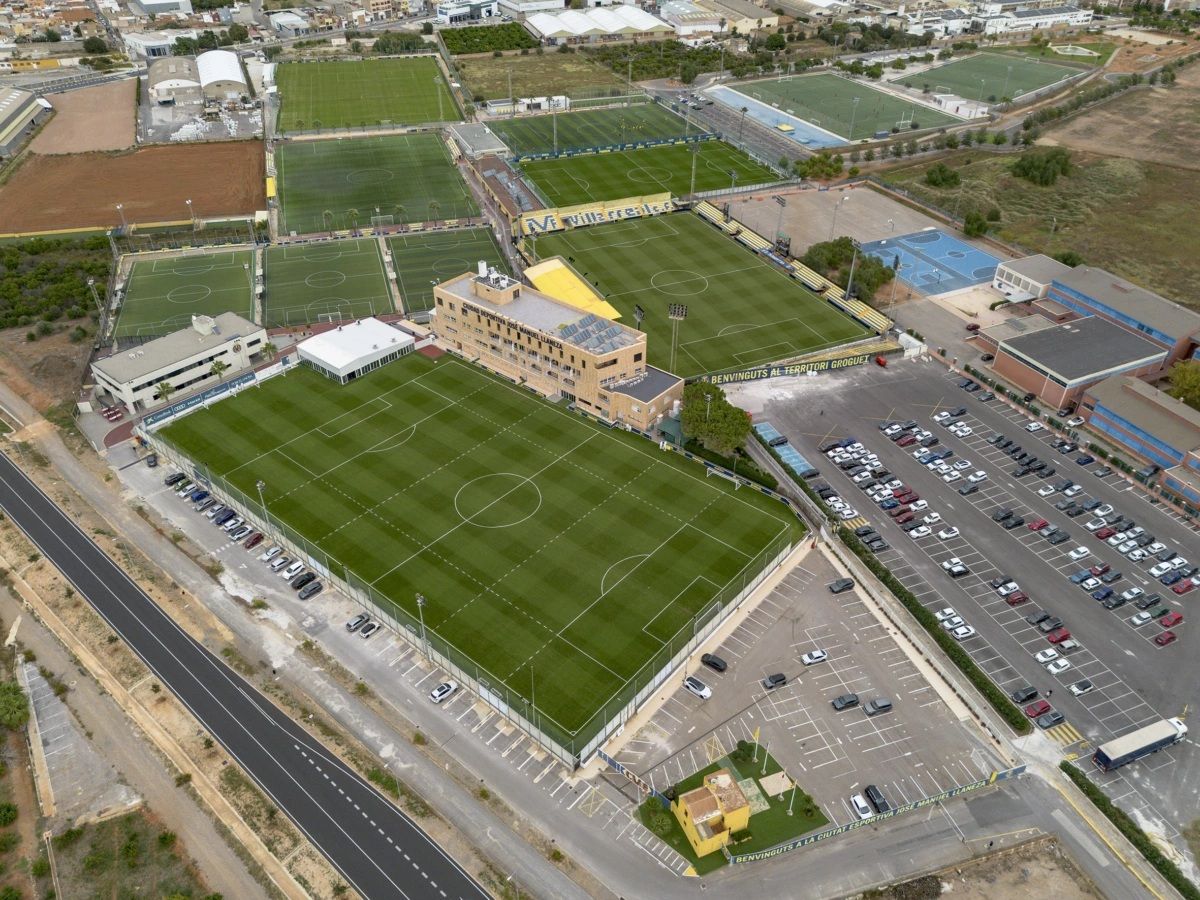
While often viewed as a sporting entity, the Villarreal Club de Fútbol (Villarreal CF) plays a significant role in the city's demographics. The club’s presence necessitates a sophisticated infrastructure of hospitality, media, and sports medicine. In 2025, the "Cerámica" stadium remains a focal point for the city, driving weekend population spikes that, while not counted in the permanent census, significantly impact the local economy and the city's global branding, making it a desirable place to live.
Migration Patterns and Diversity in 2025
Villarreal has a long history of integration. As of 2025, approximately 12-15% of the population consists of foreign nationals. The largest migrant communities hail from Romania, Morocco, and various Latin American countries. These groups are deeply integrated into the local labor market, particularly in construction, agriculture (citrus harvesting), and the service sector.
The city’s demographic health is also supported by internal migration. Many residents of smaller inland villages in Castellón move to Villarreal for better access to healthcare, such as the Hospital de la Plana, and educational facilities. The proximity to the Universitat Jaume I (UJI) in nearby Castellón de la Plana also makes Villarreal a popular residence for faculty and administrative staff who seek a quieter environment than the provincial capital.
Urban Planning and Future Infrastructure
The 2025 population figure is also a reflection of urban capacity. The city council has prioritized "smart city" initiatives that focus on sustainable growth rather than rapid expansion. Key developments that have influenced the 2025 landscape include:
- PAI (Programas de Actuación Integrada): These are integrated action programs that have opened up new residential blocks in the northern and eastern sectors of the city.
- Pedestrianization of the City Center: By making the core more walkable, the city has increased the desirability of downtown living, preventing the decay often seen in historic centers.
- Connectivity: The enhancement of the Cercanías (commuter rail) link between Valencia and Castellón makes Villarreal a viable "bedroom community" for those working in the regional capital, supporting a steady influx of residents.
Challenges to Demographic Growth
Despite the positive trends observed in 2025, Villarreal faces the same challenges as the rest of Spain: an aging population. The birth rate in the Valencian Community remains below the replacement level. In Villarreal, this is partially offset by migration, but the "silver economy" is becoming more prominent.
Social services in 2025 have had to adapt to a higher percentage of residents over the age of 65. This shift influences urban design, requiring more accessible green spaces and health-centric infrastructure. The city's ability to maintain its 52,000+ population in the coming decade will depend on its capacity to remain attractive to young families who can balance the aging demographic.
FAQ: Villarreal Ciudad Population and Demographics
What is the official name of the city for census purposes?
The official and legal name of the city is Vila-real, though "Villarreal" is the traditional Spanish spelling and is widely used in sports and international contexts. When looking up data at the Instituto Nacional de Estadística (INE), it is usually listed as Vila-real.
How does Villarreal’s population compare to Castellón de la Plana?
Villarreal is the second most populous city in the province. While Castellón de la Plana has a population of approximately 170,000, Villarreal’s 52,100 makes it a significant regional center, often acting as a secondary hub for the southern part of the province.
Is the population of Villarreal expected to grow significantly by 2030?
Projections suggest that Villarreal will maintain a period of "soft growth." It is unlikely to see a massive surge unless there is a significant expansion in the industrial sector, but it is also unlikely to experience a decline due to its strong economic foundations and strategic location on the Mediterranean Corridor.
What percentage of the population works in the ceramic industry?
While it varies by year, approximately 25-30% of the active local workforce is directly or indirectly employed by the ceramic tile and chemical sectors. This industrial concentration is the primary reason for the city's demographic stability compared to neighboring towns.
Are there many international residents in Villarreal?
Yes, Villarreal has a diverse international community. In 2025, international residents make up a vital part of the city's social fabric, contributing to growth in local schools and the diversification of the local service economy.
Practical Recommendations for Researchers and New Residents
For those looking to move to or study the demographics of Villarreal in 2025, it is recommended to consult the Portal de Transparencia of the Vila-real City Council (Ajuntament de Vila-real). This portal provides updated local census data (padrón) which often precedes the finalized annual reports from the national government.
New residents should note that the city is divided into several neighborhoods (barris), with the "Centro" and "Pilar" areas being the most densely populated, while newer developments like "Madrigal" offer more suburban-style living. Understanding these micro-demographics is essential for navigating the housing market in a city that, despite its modest size, maintains a very high occupancy rate.
Image Gallery