What is Scissors in Italian? Understanding "Le Forbici" and Its Usage
In Italian, the word for scissors is le forbici. It is a feminine plural noun. While in English you might say "a pair of scissors" or simply "scissors," the Italian language almost exclusively uses the plural form le forbici to describ...
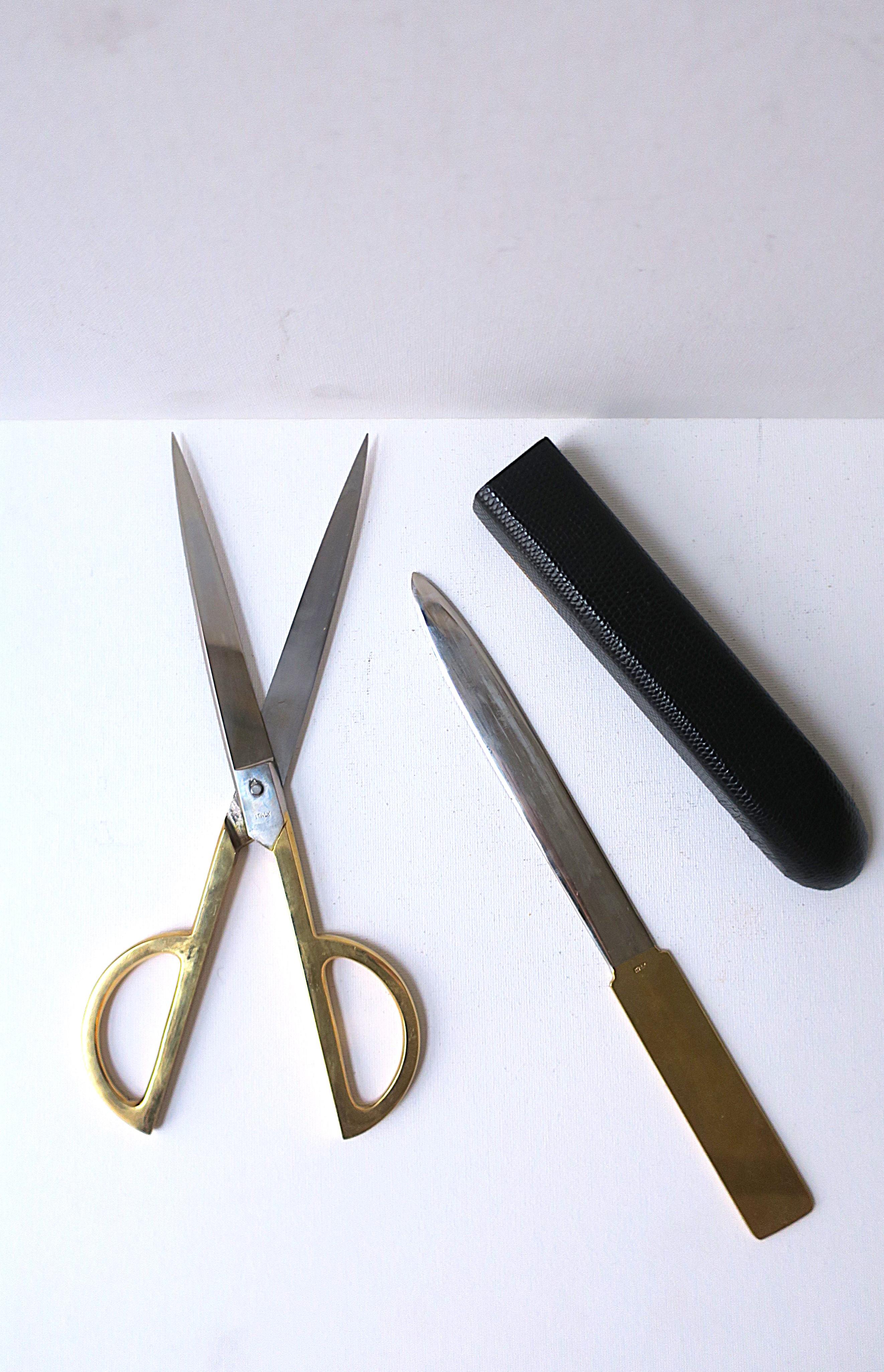
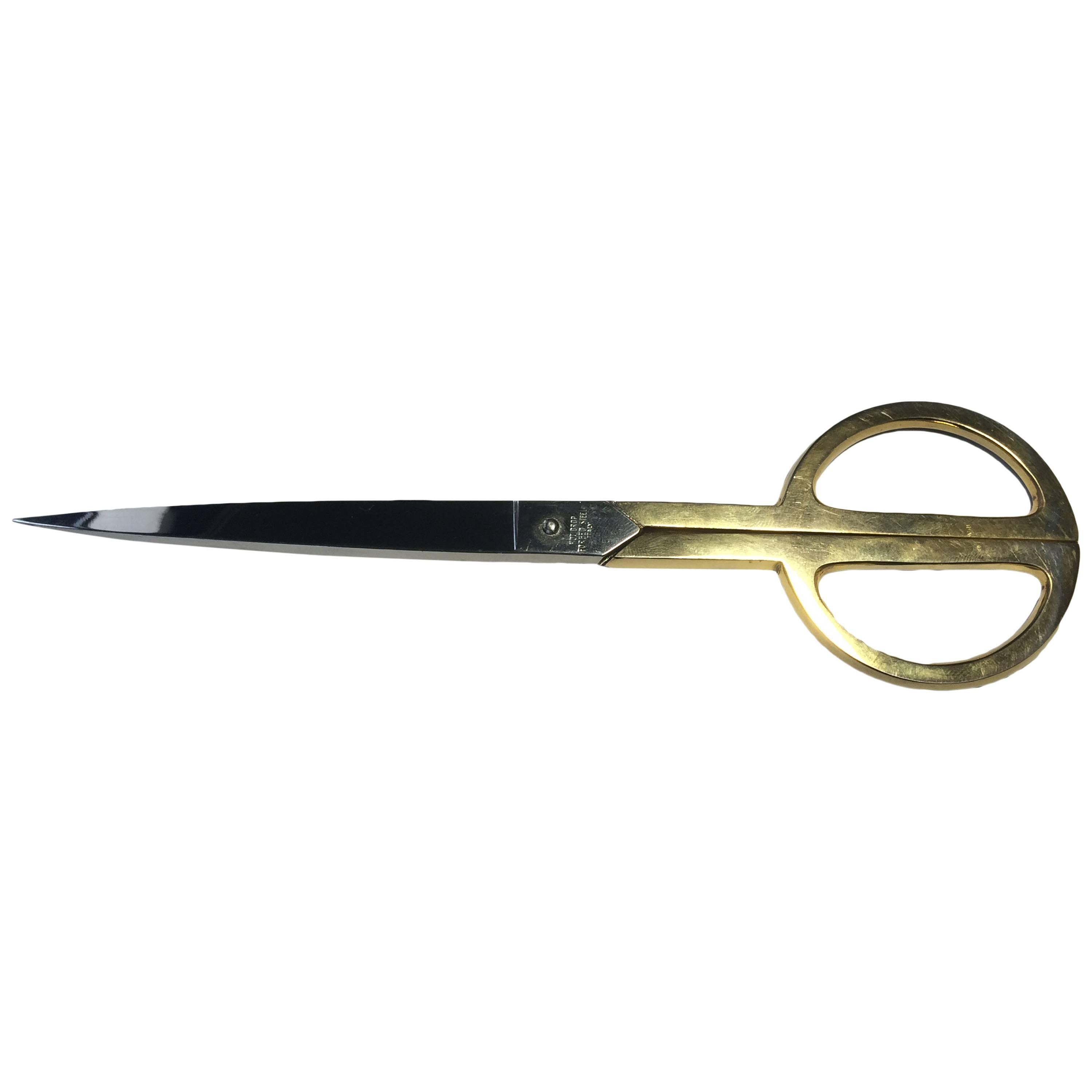
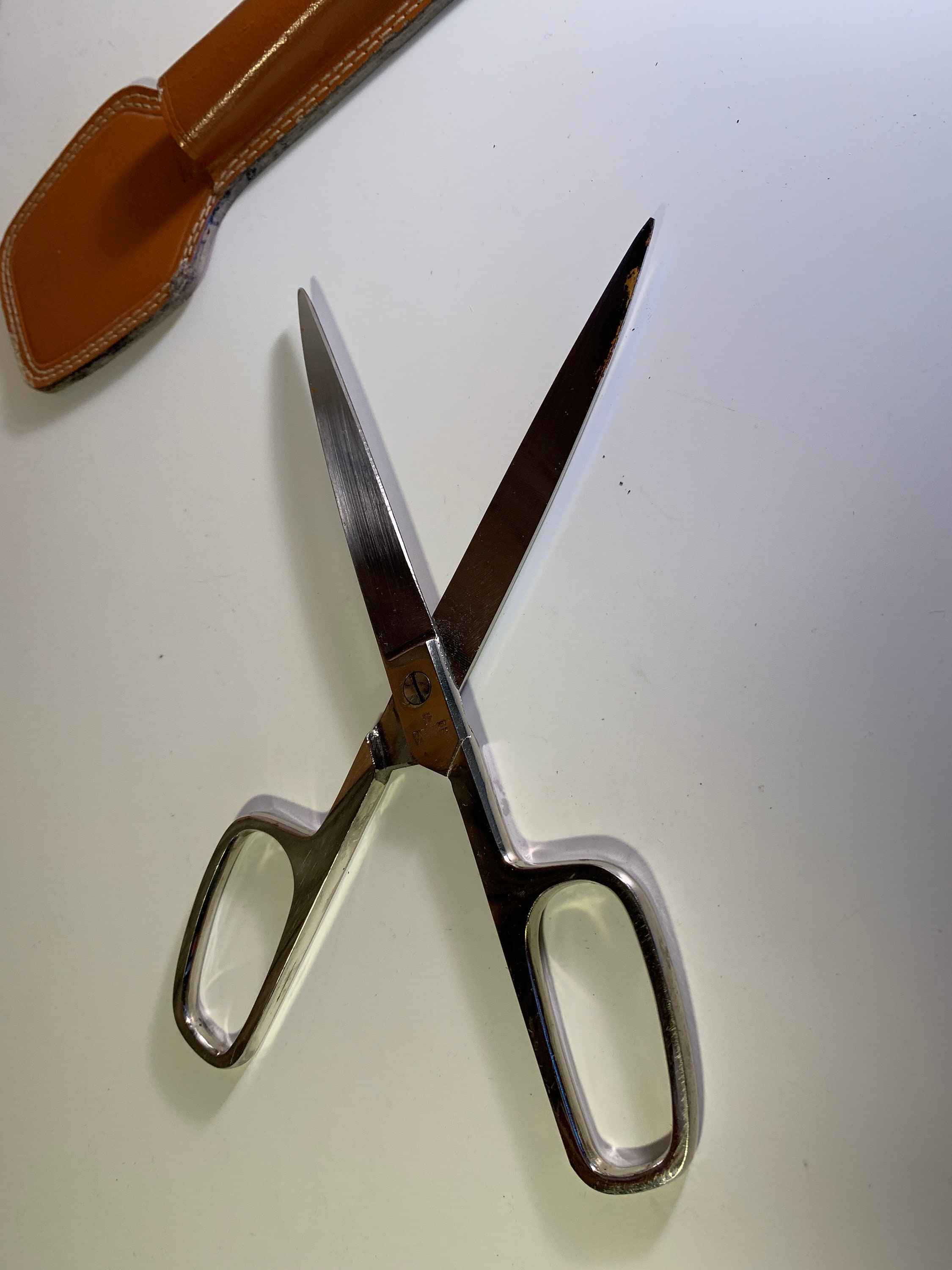
In Italian, the word for scissors is le forbici. It is a feminine plural noun. While in English you might say "a pair of scissors" or simply "scissors," the Italian language almost exclusively uses the plural form le forbici to describe a single tool, reflecting the two blades that comprise the instrument.
Contents
To navigate Italian conversations, craft workshops, or professional kitchens in 2026, understanding the nuances of this word is essential. While the translation seems straightforward, Italian grammar, regional variations, and specialized terminology for different types of cutting tools add layers of complexity that are vital for both students and professionals.
The Grammar and Morphology of "Le Forbici"
In Italian linguistics, le forbici is what is known as a plurale tantum (though not strictly so in every technical context, it functions as one in standard speech). This means the word is used in the plural to refer to a single object. If you were to use the singular form, la forbice, you would likely be understood, but it sounds archaic or overly technical to a native speaker.
Gender and Articles
The word is feminine. Therefore, it requires feminine articles and adjectives:
- Definite Article: Le forbici (The scissors)
- Indefinite Article: Un paio di forbici (A pair of scissors)
- Adjective Agreement: Le forbici sono affilate (The scissors are sharp)
If you are referring to a single pair, you should use the phrase un paio di forbici. Referring to multiple pairs would be due paia di forbici. Note that paio (pair) is a masculine noun that becomes feminine in its irregular plural form (paia), a common quirk in the Italian language that often trips up learners.
The Singular "Forbice"
While le forbici is the standard, the singular forbice does appear in specific contexts. In geometry or mechanics, one might refer to a "scissor-like" movement or a specific part of a mechanism as la forbice. Additionally, in certain Italian dialects or technical manuals, you might see the singular used to denote the tool itself, but for 99% of social and professional interactions in 2026, sticking to the plural is the correct choice.
Specialized Vocabulary: Beyond the Basic Term
Depending on the setting—whether you are in a high-end Milanese tailor shop, a hair salon in Rome, or a vineyard in Tuscany—the word for scissors might change to reflect the specific tool's function.
Forbici da Sarto (Tailor’s Scissors)
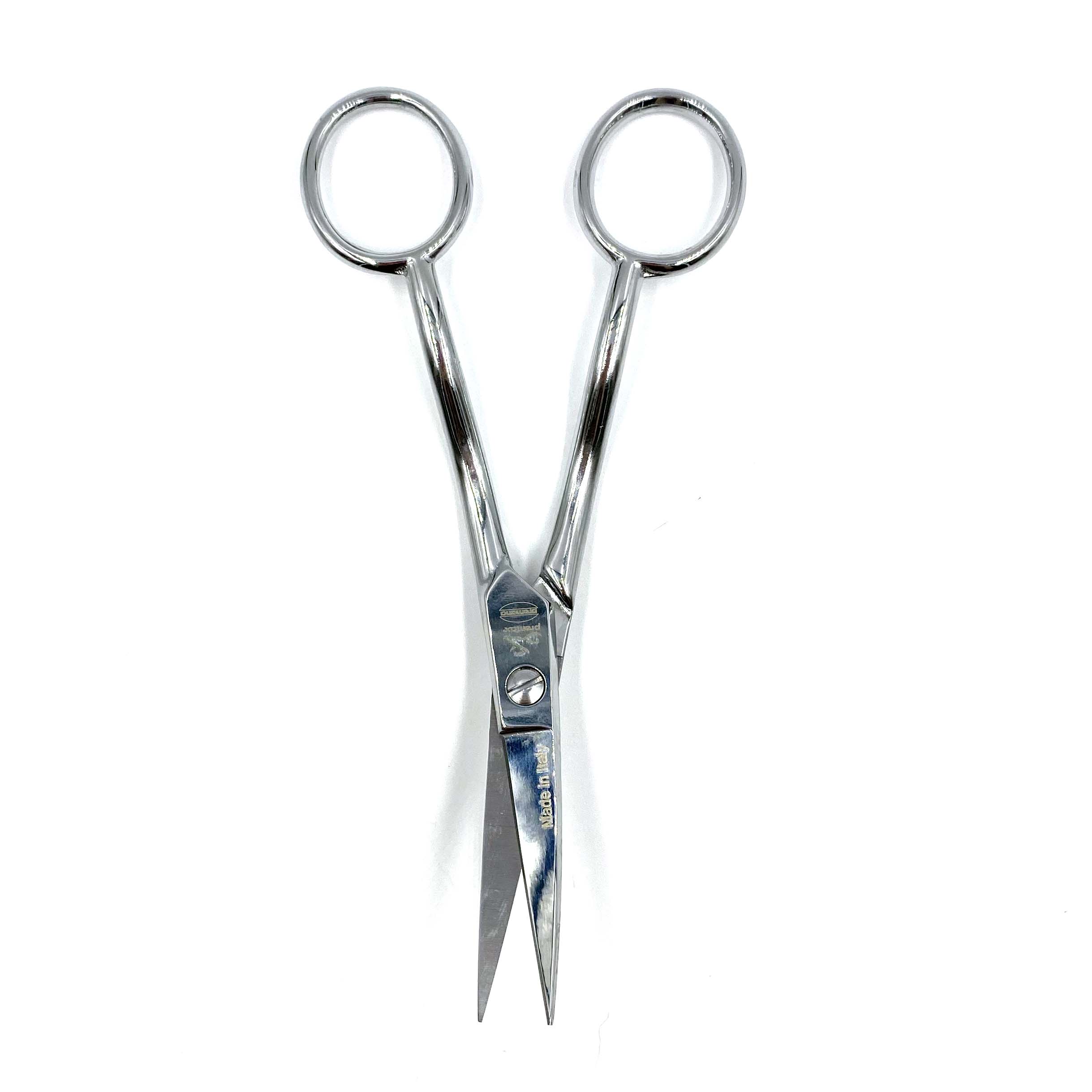
Italy is world-renowned for its textile and fashion industries. In a sartorial context, precision is key. A tailor uses forbici da sarto. These are typically larger, heavier, and designed with one handle larger than the other to allow the blades to rest flat on a cutting table.
Cesoie (Shears or Heavy-Duty Scissors)
When scissors become heavy-duty, they are often referred to as cesoie. This term is used for:
- Gardening: Cesoie da potatura (Pruning shears).
- Industry: Cesoie per lamiera (Tin snips or metal shears).
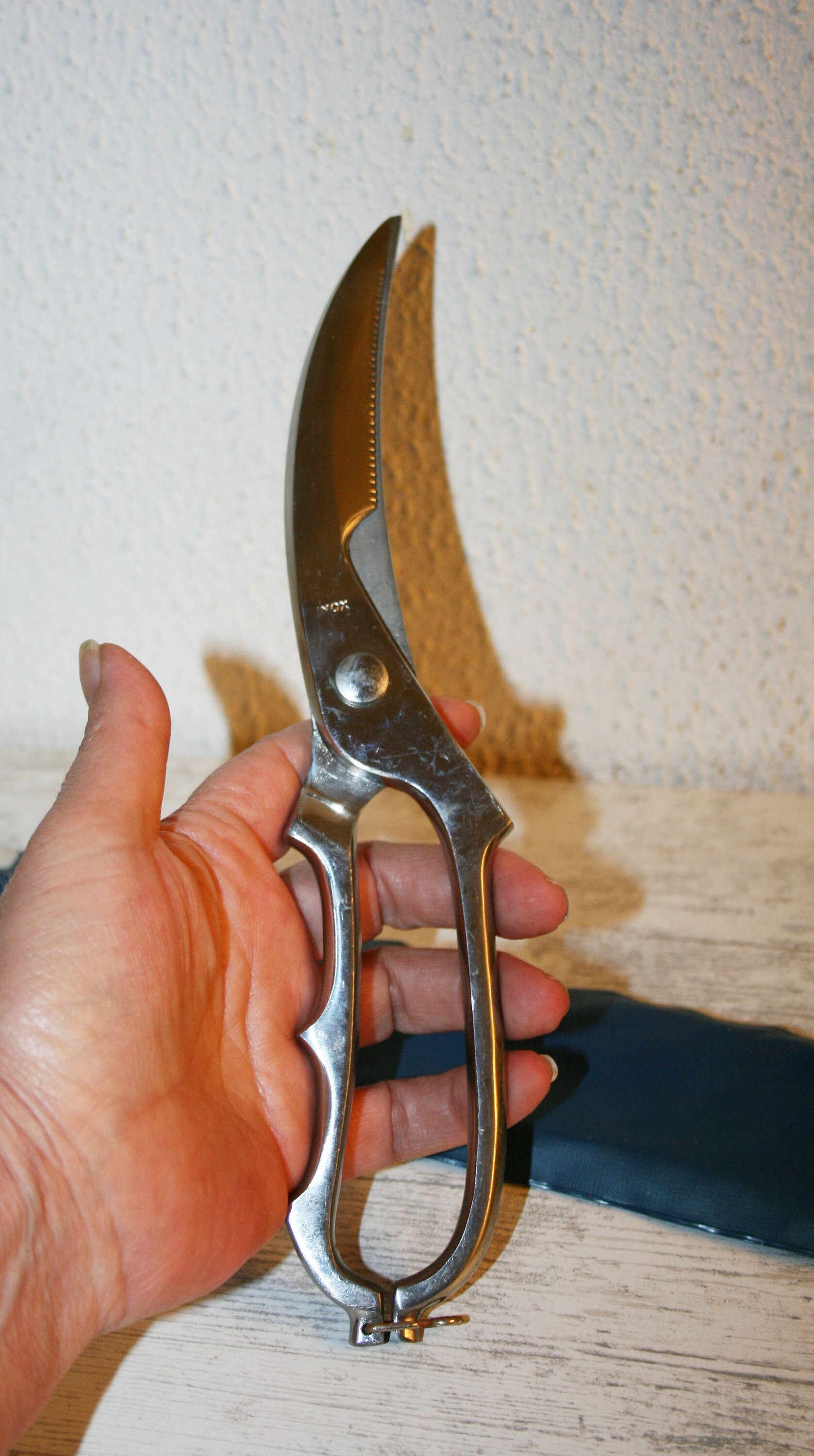
- Kitchen: While forbici da cucina is common, heavy poultry shears might be called cesoie inossidabili.
Forbicine (Small Scissors)
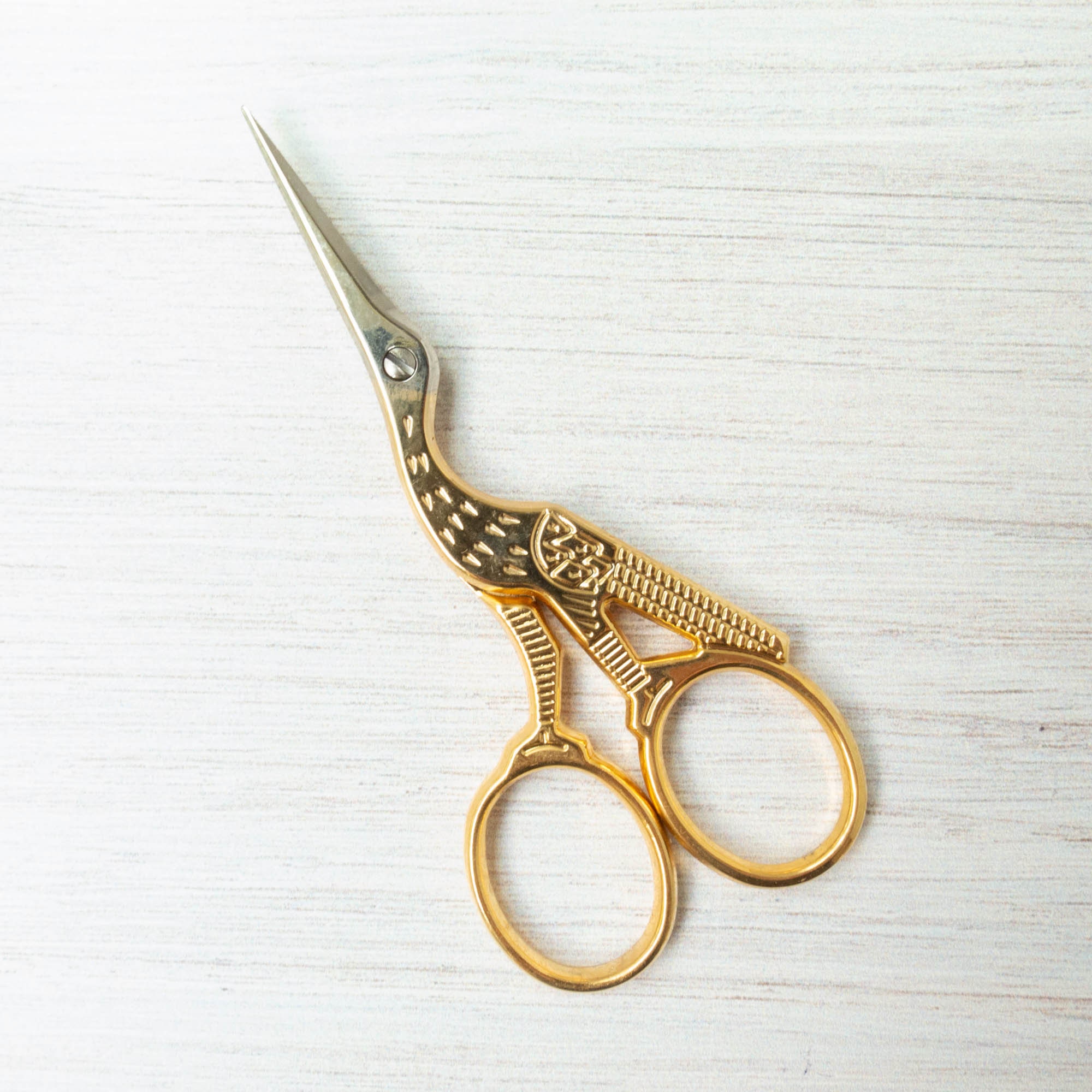
The suffix -ine is a diminutive in Italian, denoting smallness or daintiness. Therefore, le forbicine refers to small scissors, such as those used for:
- Manicures: Forbicine per le unghie.
- Embroidery: Forbicine da ricamo.
- First Aid: Small medical scissors used for cutting gauze.
Verb Associations and Common Actions
Knowing the noun is only half the battle; you must also know how to describe the actions performed with scissors. The primary verb associated with scissors is tagliare (to cut).
- Tagliare a metà: To cut in half.
- Ritagliare: To cut out (like a coupon or a shape from paper).
- Spuntare: To trim (often used for hair or plants).
- Sforbiciare: This is a specific verb meaning to cut repeatedly or rapidly with scissors, or figuratively, to "snip away" at something.
When you are in a shop and need to ask for them, you would say: "Potrebbe darmi le forbici, per favore?" (Could you give me the scissors, please?) or "Dove posso trovare un paio di forbici?" (Where can I find a pair of scissors?).
Comparing Types of Cutting Tools in Italian
To help you distinguish between the various tools you might encounter, the following table breaks down the most common terms used in 2026.
| Italian Term | English Translation | Primary Use Case | Key Characteristics |
|---|---|---|---|
| Le forbici | Scissors | General/Household | Two blades, symmetrical or near-symmetrical handles. |
| Le forbicine | Small/Nail scissors | Manicure/Crafts | Short, often curved blades for precision work. |
| Le cesoie | Shears / Pruners | Gardening/Industrial | Heavy-duty, often spring-loaded for cutting thick material. |
| Forbici da sarto | Tailor's shears | Fashion/Textiles | Long blades, offset handles for flat-surface cutting. |
| Forbici da cucina | Kitchen scissors | Food preparation | Often includes a notch for cracking nuts or opening bottles. |
| Trinciapollo | Poultry shears | Culinary | Very strong, curved blades specifically for bone. |
Etymology and Historical Context
The word forbici traces its roots back to the Latin word forfex (plural forfices). Throughout the evolution of the Romance languages, the "f" sound transitioned into the Italian "f," but the structure of the word remained remarkably stable compared to its French counterpart (ciseaux) or Spanish (tijeras).
Historically, Italy has been a hub for high-quality steel production, particularly in regions like Lombardy. The town of Premana, in the Lecco province, is internationally famous for its production of scissors and cutting tools. Even in 2026, "Premana quality" remains a benchmark for professional-grade forbici across Europe. This industrial heritage is why Italian has such a rich variety of specific terms for what English speakers might simply call "scissors."
Common Idioms and Figurative Language
The imagery of scissors appears frequently in Italian metaphors and everyday expressions.
- L'effetto forbice (The scissors effect): Used in economics and statistics to describe a graph where two lines (such as revenue and expenses) move in opposite directions, resembling open scissors.
- Dare un colpo di forbice: Literally "to give a snip of the scissors," but figuratively used to mean making a sharp cut to a budget or a text.
- Lingua che taglia come le forbici: A common way to describe someone with a "sharp tongue" or someone who speaks caustically.
- Fare le forbici: In sports or physical activity, this refers to a "scissor kick" or any movement where the legs cross over each other like blades.
FAQs
Is "forbici" always plural?
Yes, in standard Italian, le forbici is used as a plural noun even when referring to a single pair of scissors. While the singular la forbice exists, it is rarely used in everyday conversation and is typically reserved for technical or geometric descriptions.
What is the difference between "forbici" and "cesoie"?
Forbici generally refers to standard household or precision scissors used for paper, fabric, or hair. Cesoie refers to heavy-duty shears used in gardening (pruning), metalworking, or heavy industrial contexts. Cesoie are often larger and may require more force or a different grip.
How do I say "a pair of scissors" in Italian?
The most natural way to say "a pair of scissors" is un paio di forbici. If you are asking to borrow them, you can simply say "Mi presti le forbici?" (Can you lend me the scissors?).
How is "forbici" pronounced?
The phonetic pronunciation is /ˈfɔr.bi.tʃi/. In English approximation, it sounds like FOR-bee-chee. The stress is on the first syllable.
Are there different words for hair scissors?
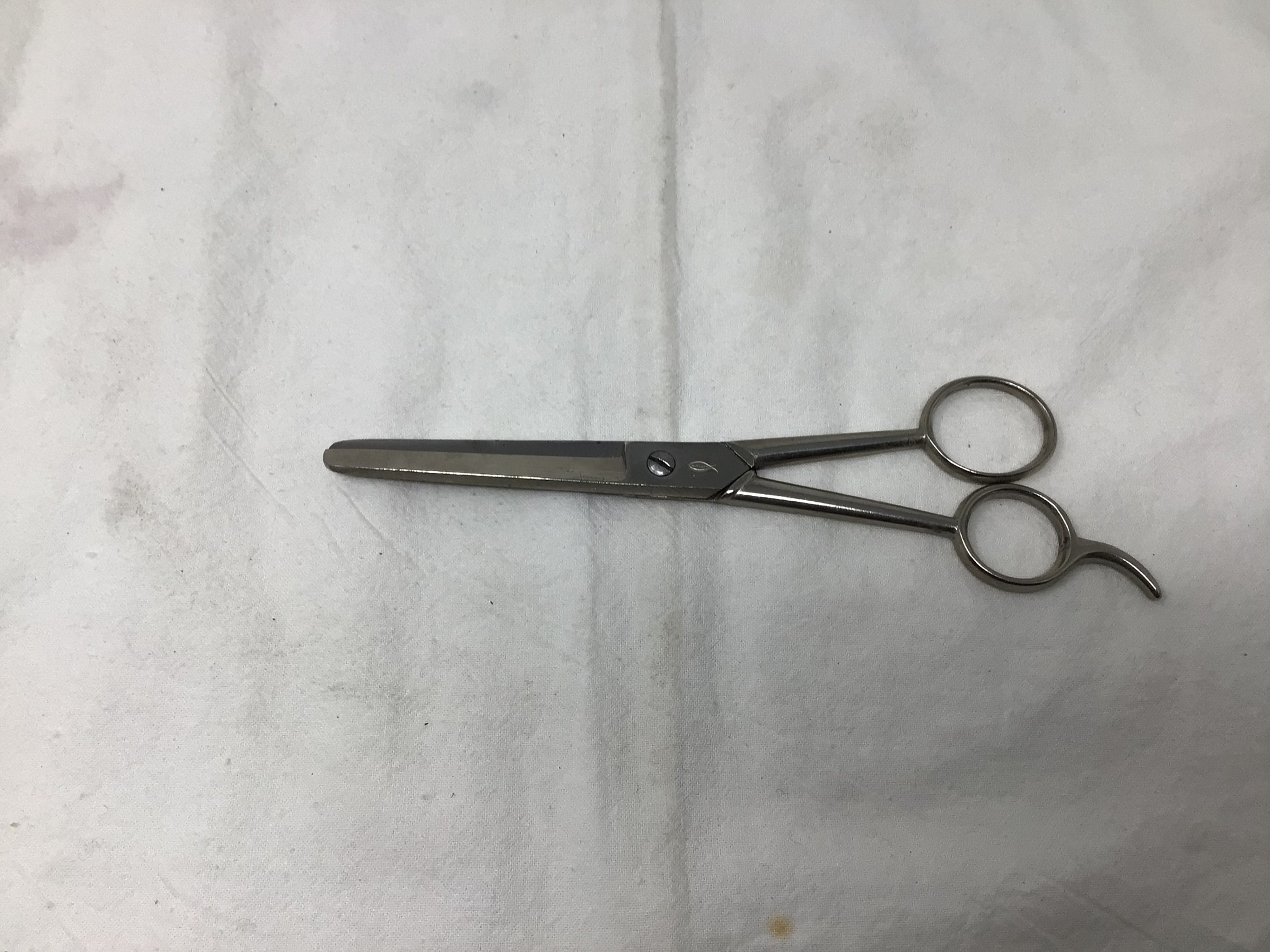
While you can say forbici per capelli, professionals usually refer to them as forbici da parrucchiere. If they are thinning scissors (used to remove bulk without changing the length), they are called forbici sfoltitrici.
Summary and Recommendation
When navigating the Italian language, remember that le forbici is your go-to term for scissors. Always treat the word as feminine and plural. If you are entering a specialized field—such as fashion, culinary arts, or gardening—take the time to learn the specific variations like forbici da sarto or cesoie.
For those visiting Italy or working with Italian suppliers in 2026, we recommend investing in a high-quality pair of scissors from the Premana district if you require professional tools. When speaking, if you are ever in doubt, using the phrase un paio di forbici will ensure you are grammatically correct and easily understood in any region of Italy.
Image Gallery