The Role of Symbiosis in Plants: Enhancing Nutrient Acquisition and Ecosystem Resilience
Symbiosis in plants is a fundamental biological interaction where plants form long-term relationships with microorganisms, fungi, or other plants to enhance nutrient uptake, increase stress resistance, and improve survival. These partn...
Symbiosis in plants is a fundamental biological interaction where plants form long-term relationships with microorganisms, fungi, or other plants to enhance nutrient uptake, increase stress resistance, and improve survival. These partnerships, particularly with mycorrhizae and nitrogen-fixing bacteria, are essential for maintaining global biodiversity and sustainable agricultural productivity in 2026.
Contents
Plant symbiosis is not merely a biological curiosity; it is the cornerstone of terrestrial life. Since plants first migrated from aquatic environments to land approximately 450 million years ago, their survival has been inextricably linked to their ability to form alliances with soil-borne organisms. In the modern context of 2026, understanding these relationships has transitioned from academic study to a critical component of regenerative agriculture and climate change mitigation. By leveraging these natural partnerships, we can reduce our reliance on synthetic fertilizers and build more resilient food systems.
The Evolutionary Necessity of Plant Alliances
The primary driver behind plant symbiosis is the acquisition of limiting resources. While plants are masters of photosynthesis—converting sunlight into chemical energy—they often struggle to extract essential minerals like phosphorus and nitrogen from the soil. Phosphorus is frequently bound in organic forms that plant roots cannot directly absorb, while nitrogen, despite making up 78% of the atmosphere, is in a gaseous form ($N_2$) that plants cannot process.
Symbiotic partners act as biological "extenders." For example, fungal hyphae are significantly thinner than the finest root hairs, allowing them to penetrate microscopic soil pores and access water and nutrients that would otherwise remain unavailable. In exchange for these resources, the plant provides the symbiont with carbon—specifically carbohydrates produced during photosynthesis. This "carbon-for-minerals" trade is the most common form of mutualism in the plant kingdom, often consuming up to 20% of the plant’s total energy budget, a cost the plant willingly pays for the resulting growth advantages.
Mycorrhizal Fungi: The Underground Information and Nutrient Highway
Mycorrhizae (meaning "fungus-root") represent the most widespread symbiotic relationship, occurring in over 80% of all terrestrial plant species. These fungi are categorized into two primary types based on how they interact with plant root cells: Arbuscular Mycorrhizal Fungi (AMF) and Ectomycorrhizae.
Arbuscular Mycorrhizal Fungi (AMF)
AMF are endosymbionts, meaning they penetrate the cell walls of the plant root (though not the cell membrane) to form highly branched structures called arbuscules. These arbuscules are the primary sites of nutrient exchange. AMF are particularly crucial for the uptake of phosphorus, an element that is notoriously immobile in soil.
In 2026, the use of AMF inoculants has become a standard practice in commercial horticulture. These fungi do more than just feed the plant; they also improve soil structure by producing glomalin, a sticky protein that helps soil particles clump together into stable aggregates. This improves water infiltration and carbon sequestration, making AMF a vital tool in combating soil erosion and degradation.
Ectomycorrhizae (EcM)
Unlike AMF, Ectomycorrhizae do not penetrate individual cell walls. Instead, they form a dense sheath, or "mantle," around the root tip and create a network of hyphae called a Hartig net between the outer layers of root cells. This relationship is most common in temperate and boreal forest trees, such as oaks, pines, and beeches. EcM are particularly adept at breaking down complex organic matter in the forest floor, releasing nitrogen and phosphorus that the trees can then utilize.
Biological Nitrogen Fixation: The Legume-Rhizobia Partnership
Nitrogen is a primary component of amino acids, proteins, and DNA, making it the most significant limiting factor for plant growth. While chemical fertilizers (the Haber-Bosch process) have historically provided this nitrogen, the environmental costs—including greenhouse gas emissions and water runoff—have led to a renewed focus on biological nitrogen fixation (BNF).
The most famous example of BNF is the symbiosis between legumes (such as soybeans, clover, and peas) and Rhizobia bacteria. This process involves a sophisticated molecular "dialogue":
- Signaling: The plant root releases chemicals called flavonoids into the soil.
- Recognition: Rhizobia respond by producing "Nod factors" (nodulation factors) that signal the plant to begin building a specialized organ called a root nodule.
- Infection: The bacteria enter the root through an infection thread and take up residence within the cells of the newly formed nodule.
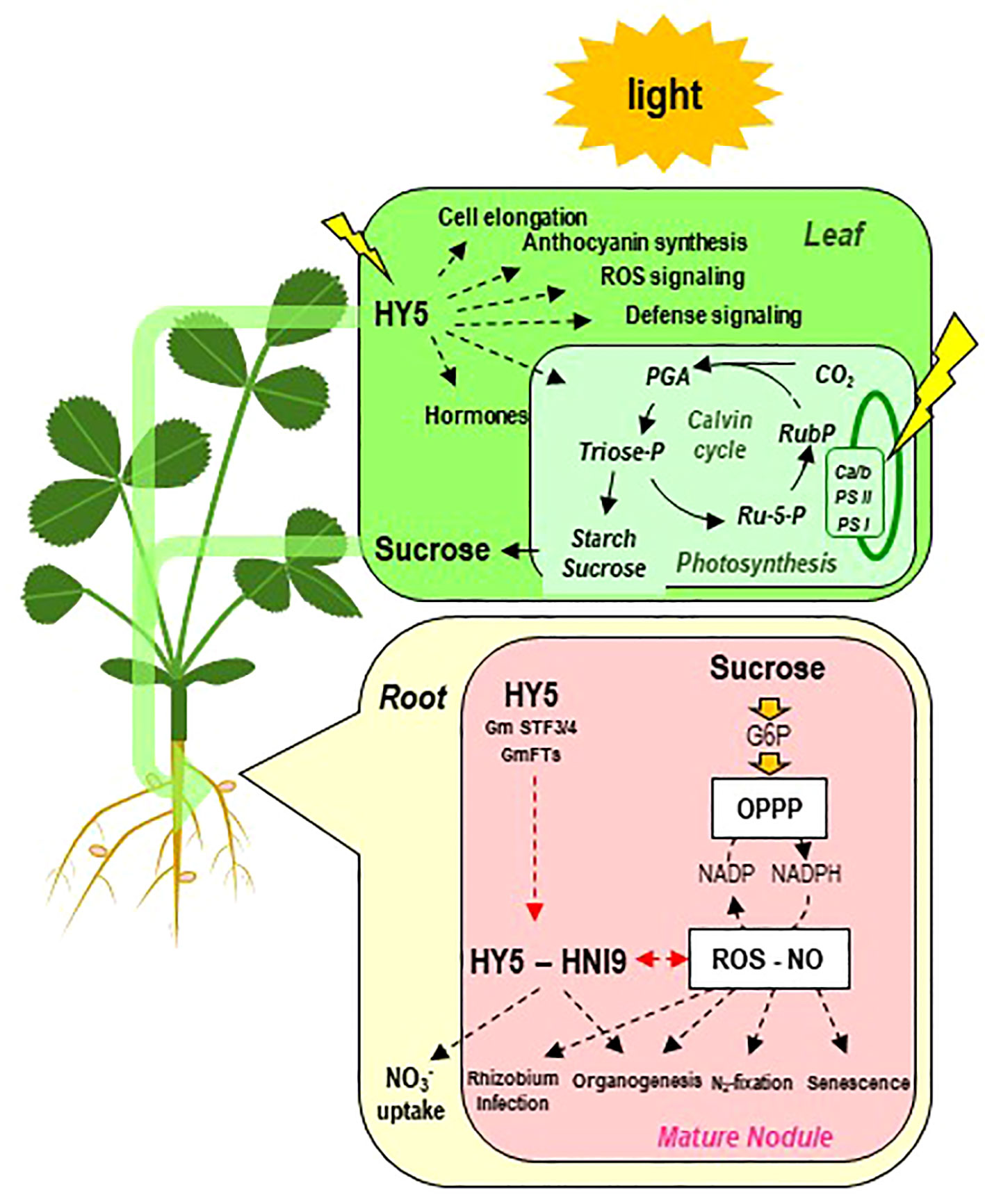
- Fixation: Inside the nodule, the bacteria produce an enzyme called nitrogenase, which breaks the triple bond of atmospheric nitrogen to create ammonia ($NH_3$), which the plant can use for growth.
This relationship is highly efficient but requires an oxygen-free environment, as oxygen permanently deactivates the nitrogenase enzyme. To solve this, plants produce leghemoglobin, a protein that binds to oxygen and regulates its levels within the nodule, much like hemoglobin carries oxygen in human blood.
Endophytes: The Internal Protectors
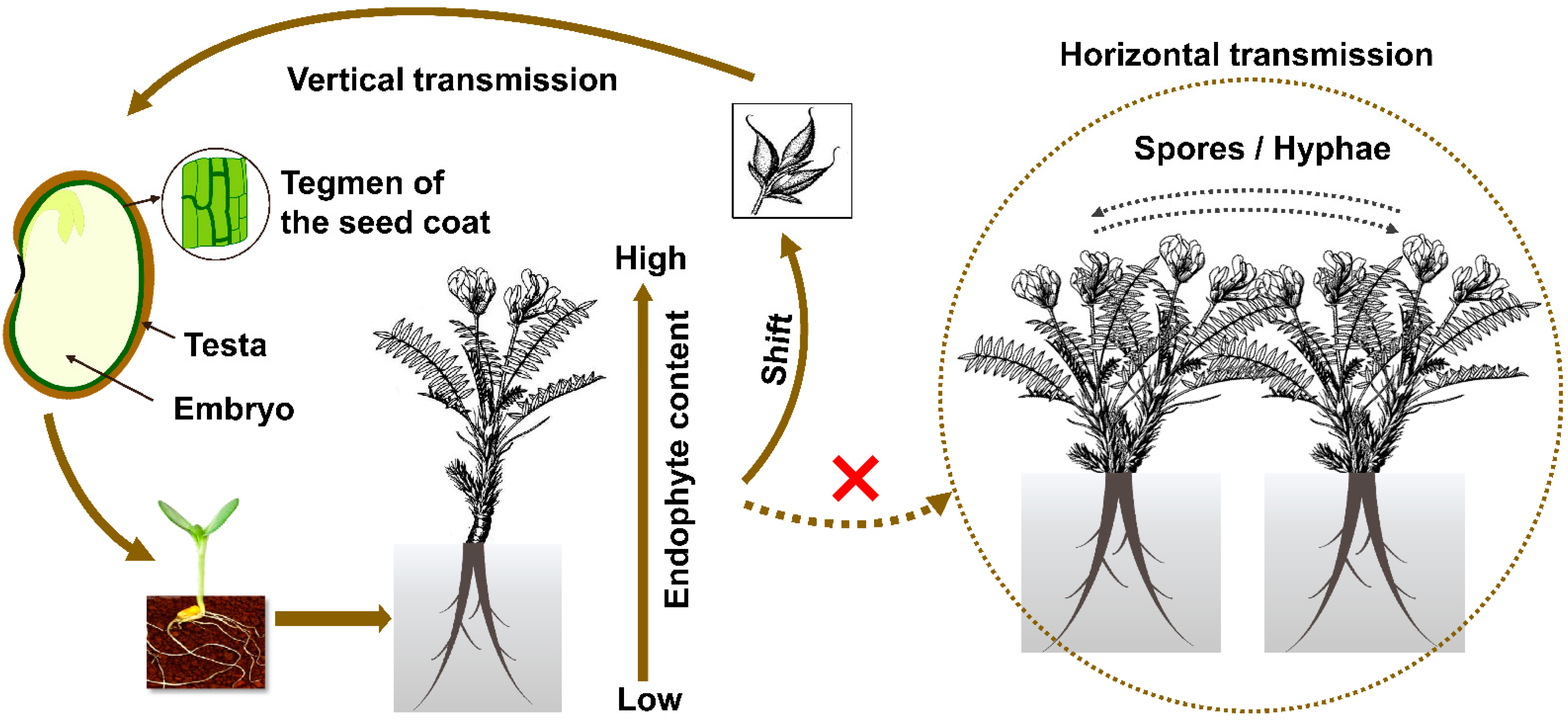
Not all symbiotic relationships are focused on nutrient acquisition. Endophytes are bacteria or fungi that live entirely within the tissues of a plant (stems, leaves, or roots) without causing apparent disease. These organisms often act as a secondary immune system for the plant.
In 2026, research into endophytes has revealed their role in "induced systemic resistance" (ISR). By living inside the plant, endophytes can:
- Produce Toxins: Certain fungal endophytes in grasses produce alkaloids that are toxic to grazing insects and livestock, protecting the plant from herbivory.
- Drought Tolerance: Some endophytes help plants regulate their stomata (leaf pores) more efficiently, reducing water loss during periods of heat stress.
- Pathogen Competition: By occupying space within the plant tissue, beneficial endophytes prevent pathogenic fungi and bacteria from establishing a foothold.
Comparing Major Types of Plant Symbiosis
The following table summarizes the key characteristics of the most prevalent symbiotic relationships in the plant world.
| Symbiosis Type | Primary Partner | Key Benefit to Plant | Primary Mechanism | Common Examples |
|---|---|---|---|---|
| Arbuscular Mycorrhizae | Fungi (Glomeromycota) | Phosphorus uptake, soil stability | Arbuscules within root cells | Corn, wheat, most flowering plants |
| Ectomycorrhizae | Fungi (Basidio/Ascomycota) | Nitrogen/Phosphorus, water | Hartig net between root cells | Oak, Pine, Beech trees |
| Nitrogen Fixation | Bacteria (Rhizobium) | Nitrogen availability | Root nodule formation | Soybeans, Alfalfa, Peanuts |
| Endophytes | Fungi or Bacteria | Stress and pest resistance | Internal tissue colonization | Fescue grass, Cacao, Rice |
| Commensalism | Other Plants/Fungi | Physical support | Epiphytic growth | Orchids, Bromeliads, Mosses |
| Parasitism | Other Plants | Nutrient/Water theft | Haustoria (sucking roots) | Mistletoe, Dodder, Witchweed |
The Role of Signaling and Communication: The "Wood Wide Web"
Symbiosis is not a static state but a dynamic, communicative process. In forest ecosystems, mycorrhizal networks connect multiple trees of different species into a single functional unit, often referred to as the "Wood Wide Web." Through these fungal connections, plants can share resources and information.
Research has confirmed that mature "mother trees" use these networks to shuttle sugar to younger seedlings growing in the shade, significantly increasing their survival rate. Furthermore, when a tree is attacked by insects, it can release chemical signals through the mycorrhizal network that warn neighboring trees, allowing them to preemptively ramp up their chemical defenses. This communal behavior challenges the traditional view of plants as solitary competitors and highlights the collective strength of symbiotic ecosystems.
Symbiosis in Modern Agriculture and Land Management
As we navigate the agricultural landscape of 2026, the application of symbiotic principles is central to "Microbiome Engineering." Instead of treating the soil as a sterile medium for chemical inputs, farmers are now managing the soil as a living community.
- Bio-Stimulants and Inoculants: Farmers increasingly use seed coatings containing specific strains of Rhizobia or Mycorrhizae tailored to their soil type and crop variety. This reduces the need for phosphorus and nitrogen fertilizers by up to 30-40%.
- Cover Cropping: Planting legumes during the off-season naturally enriches the soil with nitrogen for the following crop, leveraging the Rhizobia symbiosis without the carbon footprint of synthetic fertilizer production.
- Restoration Ecology: In land reclamation projects (such as post-mining sites), introducing native mycorrhizal fungi is often the "make or break" factor for whether transplanted trees will survive in the nutrient-poor, disturbed soil.
Managing the Risks of Parasitic Symbiosis
While mutualism is the focus of most agricultural efforts, it is important to acknowledge that symbiosis also includes parasitism. Parasitic plants, such as Striga (witchweed), cause billions of dollars in crop losses annually, particularly in sub-Saharan Africa. These plants use specialized roots called haustoria to tap into the host plant's xylem and phloem, siphoning off water and nutrients.
Understanding the signaling pathways of beneficial symbionts has actually helped in the fight against parasites. For instance, plants release chemicals called strigolactones to attract beneficial mycorrhizal fungi. Unfortunately, Striga seeds have evolved to "eavesdrop" on this signal, using it as a cue to germinate and infect the host. In 2026, new crop varieties are being developed that produce modified signaling molecules, attracting the fungi while remaining "invisible" to the parasites.
Frequently Asked Questions
Can a plant survive without any symbiotic relationships?
While some plants (like those in the Brassicaceae family, such as broccoli and kale) do not form mycorrhizal associations, the vast majority of land plants are significantly stunted or fail to reach maturity without their symbiotic partners. In sterile soil, even "non-mycorrhizal" plants often struggle because they lack the protective endophytes that guard against disease and environmental stress.
Do chemical fertilizers harm the symbiotic relationships in the soil?
Yes, excessive use of synthetic phosphorus and nitrogen can lead to a "lazy" plant. When nutrients are artificially abundant, the plant may stop providing carbon to its fungal and bacterial partners, causing the symbiotic populations to crash. Over time, this leads to soil degradation and leaves the plant more vulnerable to drought and pests once the chemical applications stop.
What is the difference between symbiosis and mutualism?
Symbiosis is a broad umbrella term describing any long-term physical interaction between two different species. It includes mutualism (both benefit), commensalism (one benefits, the other is unaffected), and parasitism (one benefits at the expense of the other). In the context of plant health, we usually prioritize mutualistic symbiosis.
How do I know if my garden soil has beneficial symbionts?
Health indicators include the presence of diverse organic matter, good soil structure (clumping), and the presence of earthworms. In 2026, affordable soil microbiome testing kits are available for home gardeners and professional farmers alike, which can provide a "DNA profile" of the fungi and bacteria present in the root zone.
Can I add mycorrhizae to my potted plants?
Absolutely. Adding a high-quality mycorrhizal inoculant during repotting can help indoor and container plants establish a more robust root system. This is especially helpful because potting mixes are often sterile and lack the natural fungal networks found in healthy outdoor soil.
Recommendations for Action
To leverage the power of symbiosis in your own land management or gardening practices, prioritize soil health over individual plant feeding. Avoid over-application of high-phosphorus fertilizers, which can suppress the formation of mycorrhizal networks. Instead, focus on incorporating organic matter and using diverse crop rotations that include legumes to encourage natural nitrogen fixation. For large-scale operations, consider a soil microbiome analysis to identify if specific inoculants are necessary to restore the biological "infrastructure" of your land.
Image Gallery