Understanding Tungsten and Wolfram: The Same Elemental Identity
Tungsten and wolfram refer to the exact same chemical element, identified by the atomic number 74 and the symbol W on the periodic table. While "tungsten" is the standard name used in English-speaking countries, "wolfram" is the origin...
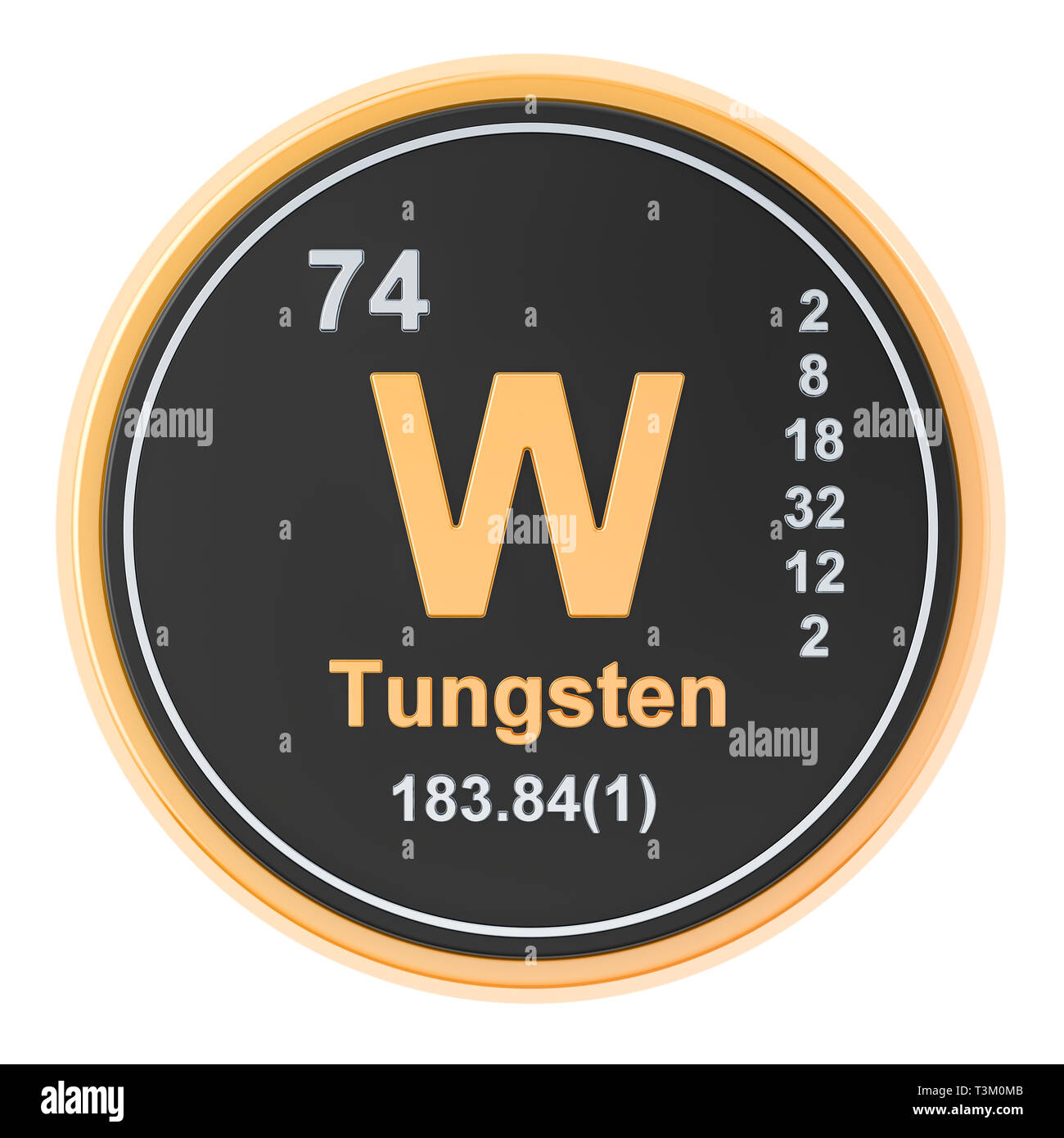
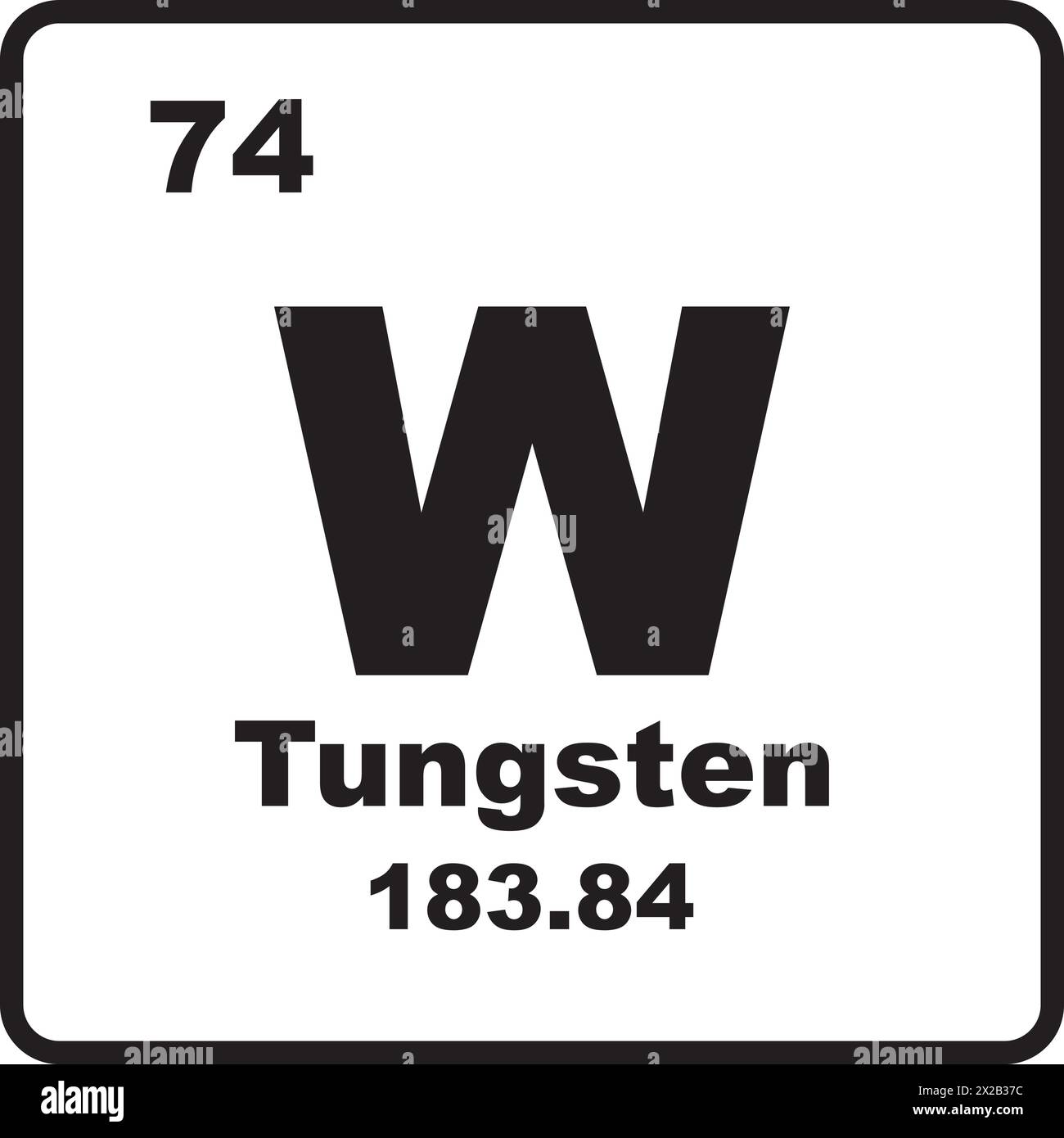
Tungsten and wolfram refer to the exact same chemical element, identified by the atomic number 74 and the symbol W on the periodic table. While "tungsten" is the standard name used in English-speaking countries, "wolfram" is the origin of the element's chemical symbol and remains the primary term in many European languages, reflecting its historical discovery in wolframite ore.
Contents
The Etymology of an Elemental Identity
The duality of the name stems from a divergence in historical nomenclature that persisted into the modern era. The term "tungsten" is derived from the Swedish words tung (heavy) and sten (stone), a name originally applied by Axel Fredrik Cronstedt to a mineral now known as scheelite.
Conversely, "wolfram" originates from the German wolf rahm (wolf froth or wolf cream). This term was used by mineralogists to describe the mineral wolframite. When researchers discovered that both minerals contained the same previously unidentified metal, a competition in naming ensued. The International Union of Pure and Applied Chemistry (IUPAC) eventually formalized "tungsten" as the official English name, while the symbol W persists as a permanent reminder of the mineral wolframite.
Physical and Chemical Properties
Tungsten is a transition metal characterized by extreme durability and unique thermal properties. It possesses the highest melting point of all known elements in pure form—approximately 3,422°C (6,192°F). This singular attribute dictates its primary industrial and scientific utility.
Beyond its thermal resistance, tungsten is notable for its:
- High Density: With a density of 19.25 grams per cubic centimeter, it is nearly as dense as gold or uranium.
- Tensile Strength: In wire form, tungsten maintains incredible strength even at very high temperatures.
- Low Vapor Pressure: It does not evaporate easily, even when heated, which is critical for vacuum-based applications.
- Corrosion Resistance: The element is highly resistant to mineral acids and oxygen, remaining chemically stable in most environmental conditions.
Primary Industrial Applications
Because of its extreme physical characteristics, tungsten is rarely used in its pure, elemental state for general construction. Instead, it is typically alloyed or used in the form of tungsten carbide.
1. Tungsten Carbide (Cemented Carbides)
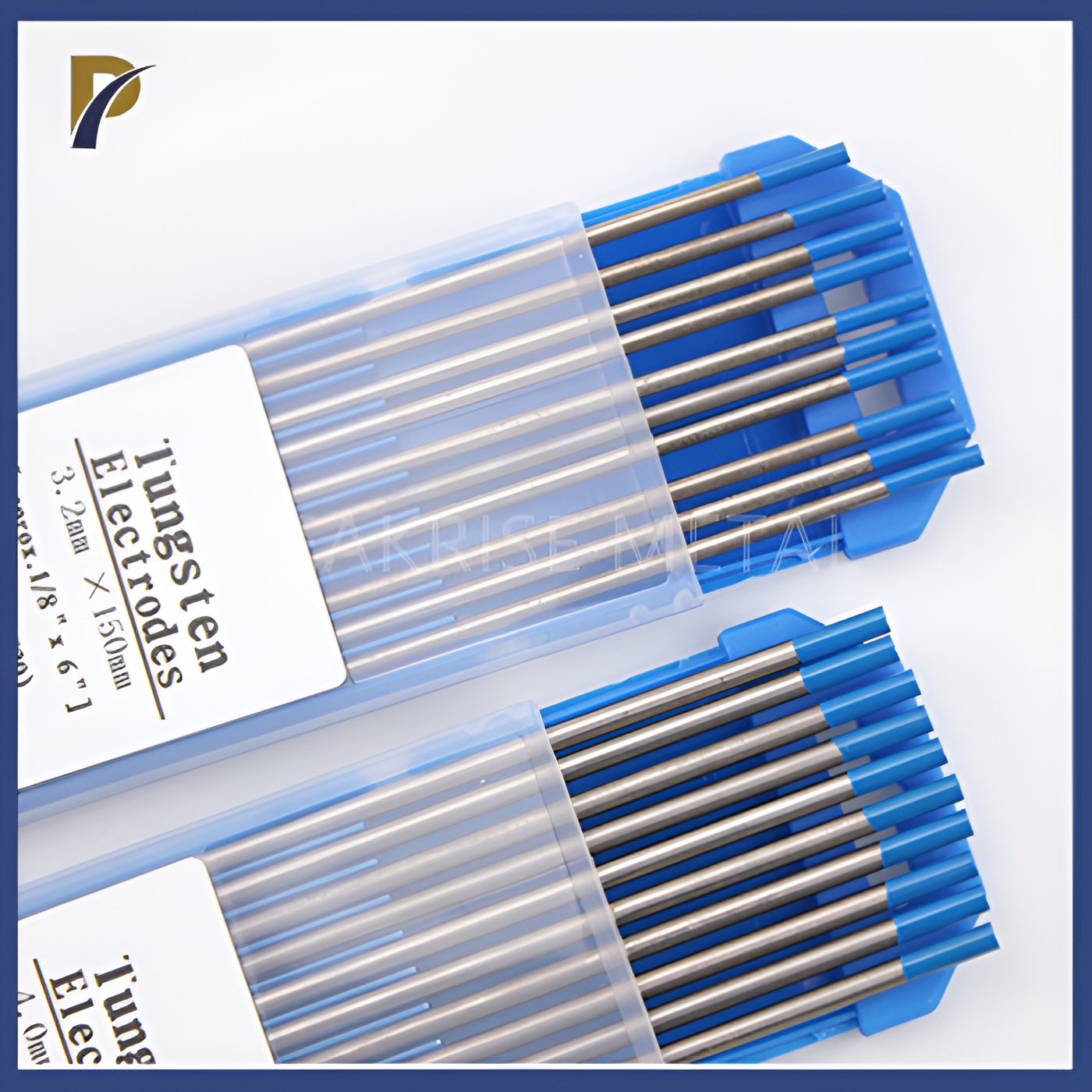
The most significant commercial use of tungsten is in the form of tungsten carbide, a compound of tungsten and carbon. This material is harder than steel and is essential for the production of cutting tools, drill bits, and wear-resistant machinery components. In 2026 industrial manufacturing, tungsten carbide remains the gold standard for high-speed machining where heat and friction would degrade lesser alloys.
2. High-Temperature Alloys
Tungsten is frequently alloyed with metals like cobalt, nickel, and iron to create heavy metal alloys. These are utilized in aerospace components, engine parts, and radiation shielding. Because tungsten is dense and effectively blocks high-energy radiation, it serves as a safer, non-toxic alternative to lead in medical imaging equipment and nuclear shielding.
3. Electronics and Filaments
Historically, tungsten was famous for its use in incandescent light bulb filaments. While the shift toward LED technology has reduced this specific demand, tungsten remains vital for electronics. It acts as an interconnect material in integrated circuits and is used in electron emitters for cathode ray tubes and specialized vacuum equipment.
Comparison of Terminology and Nomenclature
| Feature | Tungsten (English) | Wolfram (International/Historical) |
|---|---|---|
| Primary Usage | Standard English, North America, UK | German, Nordic, Slavic languages |
| Origin | Swedish (Tung sten - heavy stone) | German (Wolf rahm - wolf cream) |
| Chemical Symbol | W | W |
| Scientific Standing | IUPAC Recommended English Name | Accepted synonym/historical root |
| Common Context | Industrial, commercial, manufacturing | Mineralogy, chemical nomenclature |
Sourcing and Environmental Impact
Tungsten is primarily sourced from two main minerals: scheelite (calcium tungstate) and wolframite (iron-manganese tungstate). The extraction process involves mining the ore, followed by crushing and chemical separation to obtain ammonium paratungstate (APT), the basic building block for all subsequent tungsten products.
From an environmental perspective, tungsten mining is subject to strict regulatory oversight in 2026. Because the element is considered a "conflict mineral" in some regions, supply chains are heavily scrutinized for ethical sourcing. Manufacturers and buyers often rely on certifications from organizations that track mineral provenance to ensure that materials are not extracted under exploitative conditions.
Recycling has become a critical component of the tungsten market. Because tungsten is a finite resource, the industry relies significantly on the recovery of scrap from used cutting tools, industrial bits, and aerospace alloys. Recycled tungsten is chemically identical to virgin material, making it a sustainable and cost-effective source of supply for high-tech manufacturing.
Addressing Common Questions
Is there a difference in quality between tungsten and wolfram? No. Whether a supplier lists a material as "tungsten carbide" or "wolfram carbide," the chemical composition and physical performance are identical. The difference is purely linguistic and geographic.
Why does the symbol 'W' not match the name 'Tungsten'? The symbol 'W' represents "wolfram." It was adopted into the periodic table before the name "tungsten" became the standardized English nomenclature. IUPAC rules dictate that symbols are typically based on the original or Latin name, which is why the symbol remains consistent across all languages.
Is tungsten safe to handle? Solid tungsten is generally safe to handle and is chemically inert. However, fine dust or powder produced during machining can be flammable and potentially hazardous if inhaled. Standard industrial safety protocols, including the use of respiratory protection and dust suppression systems, are required during manufacturing processes.
How does tungsten compare to gold in weight? Tungsten and gold have very similar densities. Pure gold has a density of approximately 19.32 g/cm³, while tungsten is approximately 19.25 g/cm³. This similarity has historically led to the use of tungsten as a core for counterfeit gold bars, as it provides the correct "heft" when handled.
What is the future of tungsten demand in 2026? The demand for tungsten continues to track with global industrial production. As industries move toward higher precision and more heat-resistant materials for additive manufacturing and aerospace, tungsten remains a fundamental "enabling" metal for high-performance engineering.
Expert Guidance for Procurement
When sourcing tungsten for industrial applications, focus on the purity grade and the grain size rather than the name used in the product catalog. Ensure that the supplier provides a Certificate of Analysis (COA) specifying the percentage of tungsten content and the level of trace impurities. For applications involving high-stress environments or extreme temperatures, verify that the material meets the specific ASTM or ISO standards relevant to your industry. Always prioritize suppliers that participate in verified supply chain transparency programs to mitigate risks associated with unethical sourcing.
Image Gallery