Understanding the Diabetes Onset Age: Clinical Realities and Risk Factors
The onset age for diabetes varies significantly depending on the clinical classification of the disease. While Type 1 diabetes is most commonly diagnosed in childhood or adolescence, it can occur at any age. Conversely, Type 2 diabetes...
The onset age for diabetes varies significantly depending on the clinical classification of the disease. While Type 1 diabetes is most commonly diagnosed in childhood or adolescence, it can occur at any age. Conversely, Type 2 diabetes is typically identified in adults over 45, though diagnosis rates in younger demographics are increasing due to shifting metabolic and lifestyle factors.
Contents
Defining Diabetes Classifications by Age of Onset
The term "diabetes mellitus" encompasses a group of metabolic disorders characterized by high blood glucose levels resulting from defects in insulin production, insulin action, or both. Understanding the onset age is critical because it often dictates the therapeutic approach, long-term monitoring, and the likelihood of associated complications.
Type 1 Diabetes: The Immune-Mediated Onset
Type 1 diabetes occurs when the body’s immune system attacks and destroys the insulin-producing beta cells in the pancreas. Historically referred to as "juvenile diabetes," this condition can manifest at any stage of life. However, it is most frequently diagnosed in children, teenagers, and young adults.
Research indicates that there is no singular "trigger" age; rather, it is a combination of genetic predisposition and environmental factors. When the diagnosis occurs in adults, it is sometimes referred to as Latent Autoimmune Diabetes in Adults (LADA). LADA is often initially misdiagnosed as Type 2 diabetes because it presents with a slower progression of insulin deficiency, potentially delaying the initiation of essential insulin therapy.
Type 2 Diabetes: The Metabolic Shift
Type 2 diabetes is the most prevalent form of the disease, accounting for the vast majority of cases globally. It is characterized by insulin resistance—where the body’s cells do not respond effectively to insulin—and a gradual decline in insulin secretion.
Traditionally, clinical guidelines associated Type 2 diabetes with patients aged 45 and older. This correlation was tied to the cumulative impact of lifestyle factors, dietary patterns, and physiological aging. However, the age of onset has drifted younger in recent decades. The rise in pediatric and young-adult obesity, decreased physical activity, and dietary changes have led to a surge in diagnoses among individuals in their 20s and 30s.
Comparative Overview of Diabetes Types
| Feature | Type 1 Diabetes | Type 2 Diabetes |
|---|---|---|
| Typical Onset Age | Childhood to young adulthood | Usually 45+ (but shifting younger) |
| Primary Mechanism | Autoimmune destruction of beta cells | Insulin resistance / Secretory defect |
| Speed of Onset | Often rapid (weeks or months) | Often slow (years) |
| Primary Risk Factors | Genetics, environmental triggers | Obesity, genetics, sedentary lifestyle |
| Initial Management | Exogenous insulin therapy | Lifestyle changes, oral medication, insulin |
Risk Factors Influencing Earlier Onset
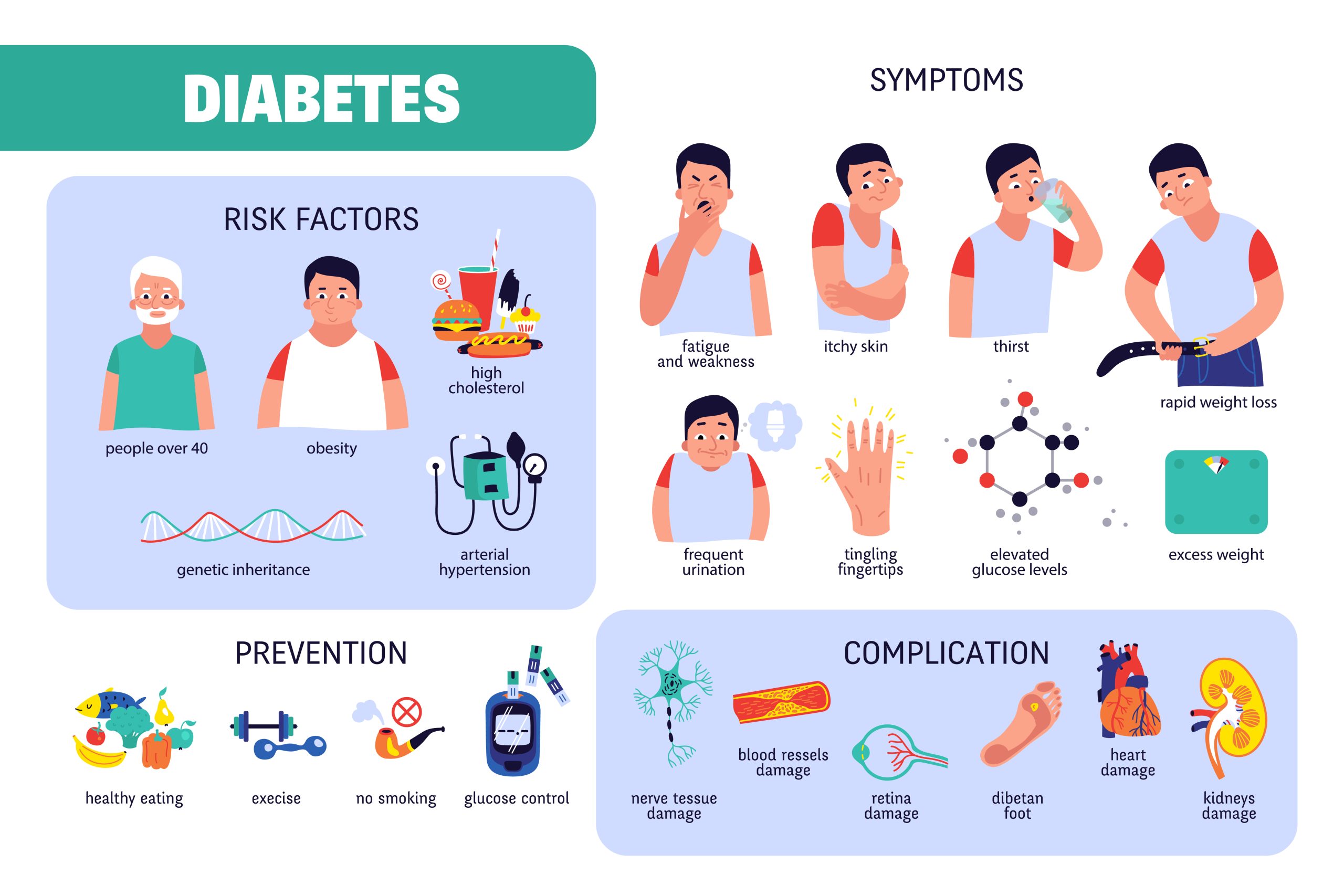
When evaluating why diabetes manifests at different stages of life, clinicians look at a constellation of modifiable and non-modifiable factors.
Genetics and Family History
Family history is a potent predictor of diabetes onset. For Type 1 diabetes, specific human leukocyte antigen (HLA) genotypes are markers of increased risk. In Type 2 diabetes, the hereditary component is even stronger; if one parent has Type 2 diabetes, a child’s risk is significantly higher. Genetics essentially set the "baseline" age at which an individual might be susceptible to developing the disease under the right environmental conditions.
Lifestyle and Environmental Factors
The acceleration of Type 2 diabetes onset among younger adults is heavily linked to metabolic health. Chronic inflammation, systemic insulin resistance, and visceral adiposity—often exacerbated by ultra-processed food consumption and physical inactivity—can trigger the transition from prediabetes to Type 2 diabetes much earlier than in previous generations.
Gestational Diabetes as a Predictor
For women, the occurrence of gestational diabetes (diabetes during pregnancy) serves as a critical indicator. Individuals who experience gestational diabetes have a significantly increased risk of developing Type 2 diabetes later in life. In this context, the "onset age" for clinical diabetes is often accelerated because the pregnancy acts as a physiological stress test, revealing latent metabolic vulnerability.
Diagnostic Challenges Across Age Groups
Diagnosing diabetes in different age groups requires a nuanced understanding of clinical symptoms. In children, the onset of Type 1 diabetes is frequently dramatic, involving rapid weight loss, extreme thirst (polydipsia), and frequent urination (polyuria). Because these symptoms appear quickly, the diagnosis is often made during an acute episode of diabetic ketoacidosis (DKA).
In contrast, the onset of Type 2 diabetes in middle-aged or older adults is often indolent. Many individuals may remain asymptomatic for years, with the condition only discovered during routine blood screenings. This lack of clear symptomatic onset makes regular screening—typically beginning at age 35 or 45 according to current clinical guidelines—essential for timely intervention.
Monitoring and Long-term Management
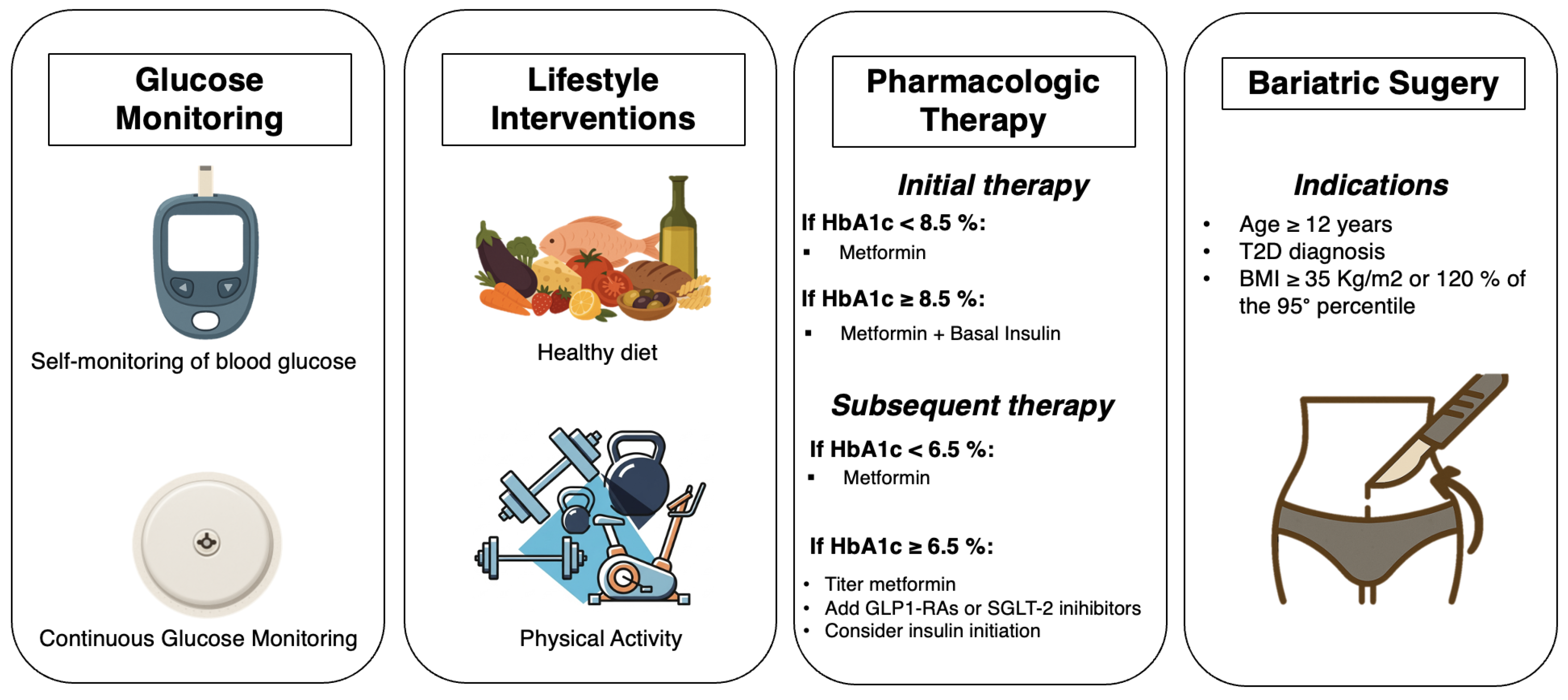
Regardless of the age of onset, the primary goal of diabetes management is maintaining glycemic control (typically measured by HbA1c levels) to prevent microvascular and macrovascular complications.
- Early Onset Management: When diabetes is diagnosed at a younger age, the lifetime exposure to hyperglycemia is significantly greater. Consequently, patients diagnosed early require more aggressive management protocols to delay or prevent complications like neuropathy, retinopathy, and cardiovascular disease.
- Late Onset Management: In older adults, the focus often shifts toward preventing hypoglycemia and managing comorbidities such as hypertension and dyslipidemia, while prioritizing the patient’s overall quality of life.
Frequently Asked Questions
Does the onset age of diabetes affect life expectancy? Yes. Earlier onset generally correlates with a longer duration of exposure to high blood glucose levels. If not managed effectively, this can lead to earlier development of cardiovascular complications. However, modern medical technology, such as continuous glucose monitors (CGMs) and advanced insulin therapies, has significantly improved outcomes for those diagnosed early in life.
Can Type 2 diabetes be reversed if detected early? "Remission" is a more accurate term than "reversal." Significant, sustained weight loss and dietary modification can sometimes return blood glucose levels to a non-diabetic range without medication. However, the underlying genetic predisposition remains, necessitating lifelong monitoring.
At what age should I start getting screened for diabetes? Current clinical guidelines typically suggest screening for Type 2 diabetes starting at age 35 for most adults, or earlier if you have specific risk factors such as a high body mass index (BMI), a family history of the disease, or a history of gestational diabetes. Consult a healthcare provider to determine your specific risk profile.
Is Type 1 diabetes strictly genetic? No. While genetics play a major role in susceptibility, environmental triggers—such as viral infections or early-life dietary factors—are believed to be necessary to initiate the autoimmune response. Many people with high genetic risk never develop the condition.
Why are more young people getting Type 2 diabetes? The shift is primarily attributed to rising rates of childhood and adolescent obesity, increased consumption of calorie-dense, low-nutrient foods, and more sedentary behaviors. These factors combine to increase insulin resistance at a younger physiological age.
Next Steps for Personal Health
Understanding your risk level is the first step in managing your health. If you are approaching age 35, or if you have a family history of diabetes, schedule a formal consultation with your primary care physician to discuss a metabolic screening plan. Request a fasting plasma glucose test or an HbA1c test to establish your baseline health status. Early detection remains the most powerful tool for mitigating the impact of diabetes, regardless of the age at which it may manifest.
Disclaimer: This information is for educational purposes only and does not constitute medical advice, diagnosis, or treatment. Always seek the advice of your physician or other qualified health provider with any questions you may have regarding a medical condition.
Image Gallery