Understanding DFI Financial and Its Market Role
DFI Financial operates within the specialized intersection of institutional capital allocation and development economics, functioning as a bridge between public policy mandates and private-sector investment discipline. By deploying cap...
DFI Financial operates within the specialized intersection of institutional capital allocation and development economics, functioning as a bridge between public policy mandates and private-sector investment discipline. By deploying capital into underserved regions, critical infrastructure, and high-impact emerging markets, these entities fulfill a distinct economic niche that traditional commercial lenders and standard private equity funds frequently bypass due to perceived regulatory complexities or structural risk thresholds.
Contents
Defining Development Finance Institutions and Their Core Purpose
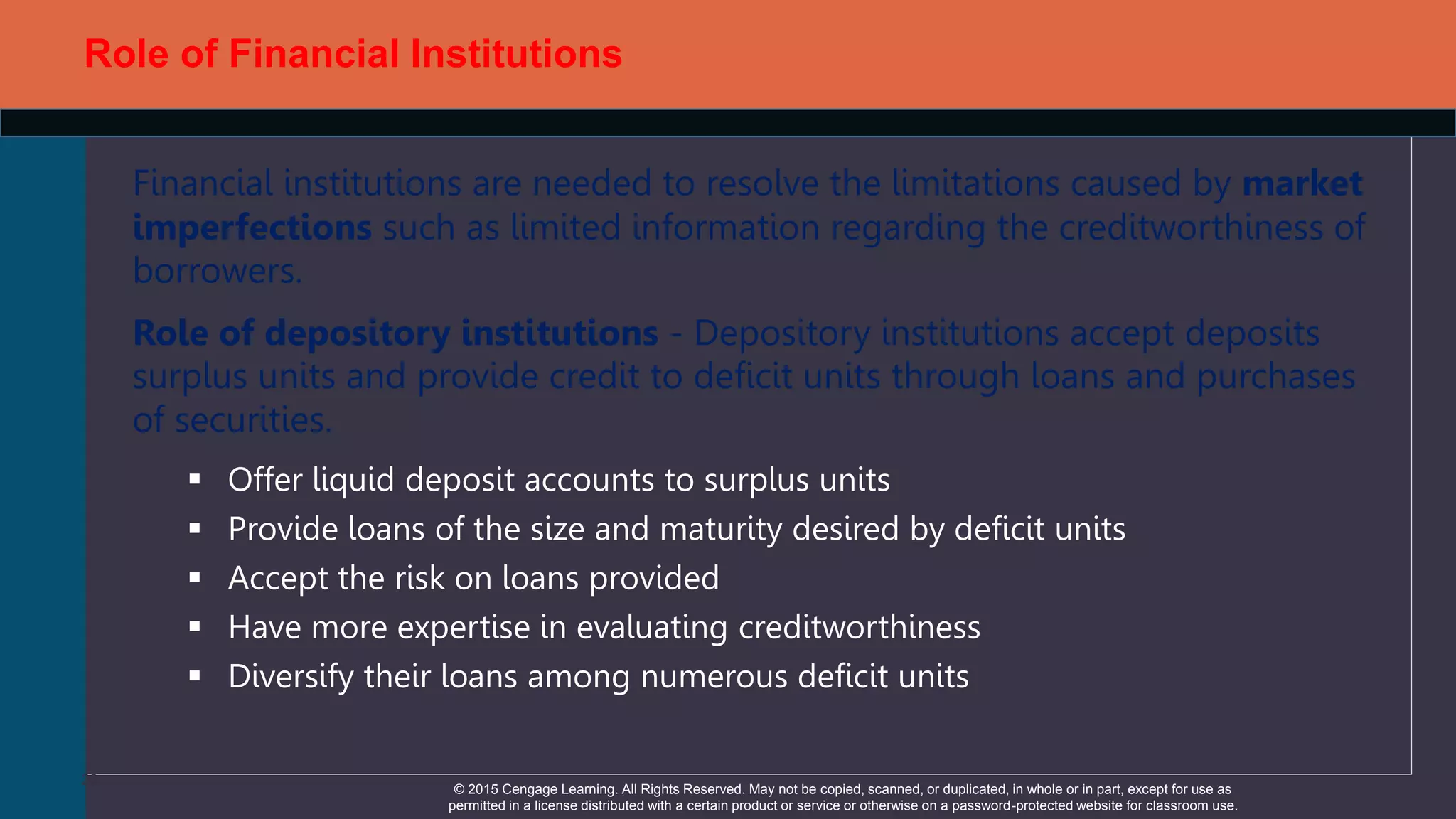
Development Finance Institutions (DFIs) are specialized financial entities established by governments, international organizations, or multilateral agreements to foster economic growth in developing countries or lagging domestic sectors. Unlike commercial banks whose primary fiduciary duty is to maximize short-term returns for private shareholders, DFIs operate under a dual mandate. They must maintain long-term financial self-sustainability while simultaneously generating measurable, positive social and environmental impacts.
The structural foundation of a DFI relies on official backing, often possessing an investment-grade credit rating derived from sovereign shareholder guarantees or robust capitalization profiles. This backing allows them to raise capital on international bond markets at favorable rates and pass those cost advantages down to projects that advance public interest objectives. These objectives frequently align with international sustainable development goals, job creation frameworks, poverty reduction targets, and the transition toward lower-carbon energy grids.
Understanding the specific mechanics of DFI financial models requires examining how they mobilize resources. They rarely finance entire projects independently; instead, they act as catalysts. By participating in project syndications, offering technical assistance grants, and structuring bespoke risk-mitigation instruments, they crowd in private capital that would otherwise remain sidelined. This catalytic function is the primary metric by which market economists evaluate a DFI's efficacy.
Market Positioning: Bridging the Commercial and Public Sectors
Within the broader financial ecosystem, DFI Financial structures occupy a unique middle ground situated directly between philanthropic grant-making institutions and profit-maximizing commercial investment funds. This positioning enables them to address specific market failures, most notably the scarcity of long-term debt and equity financing in frontier markets.
THE CAPITAL ALLOCATION CONTINUUM
- Philanthropy / Grants
- 100% Grant funding
- Non-repayable
- Zero financial ROI
- DFI Financials
- Dual-mandate return
- Catalytic capital
- Risk mitigation tools
- Commercial Banks
- Profit-maximizing
- Low risk tolerance
- Market-rate pricing
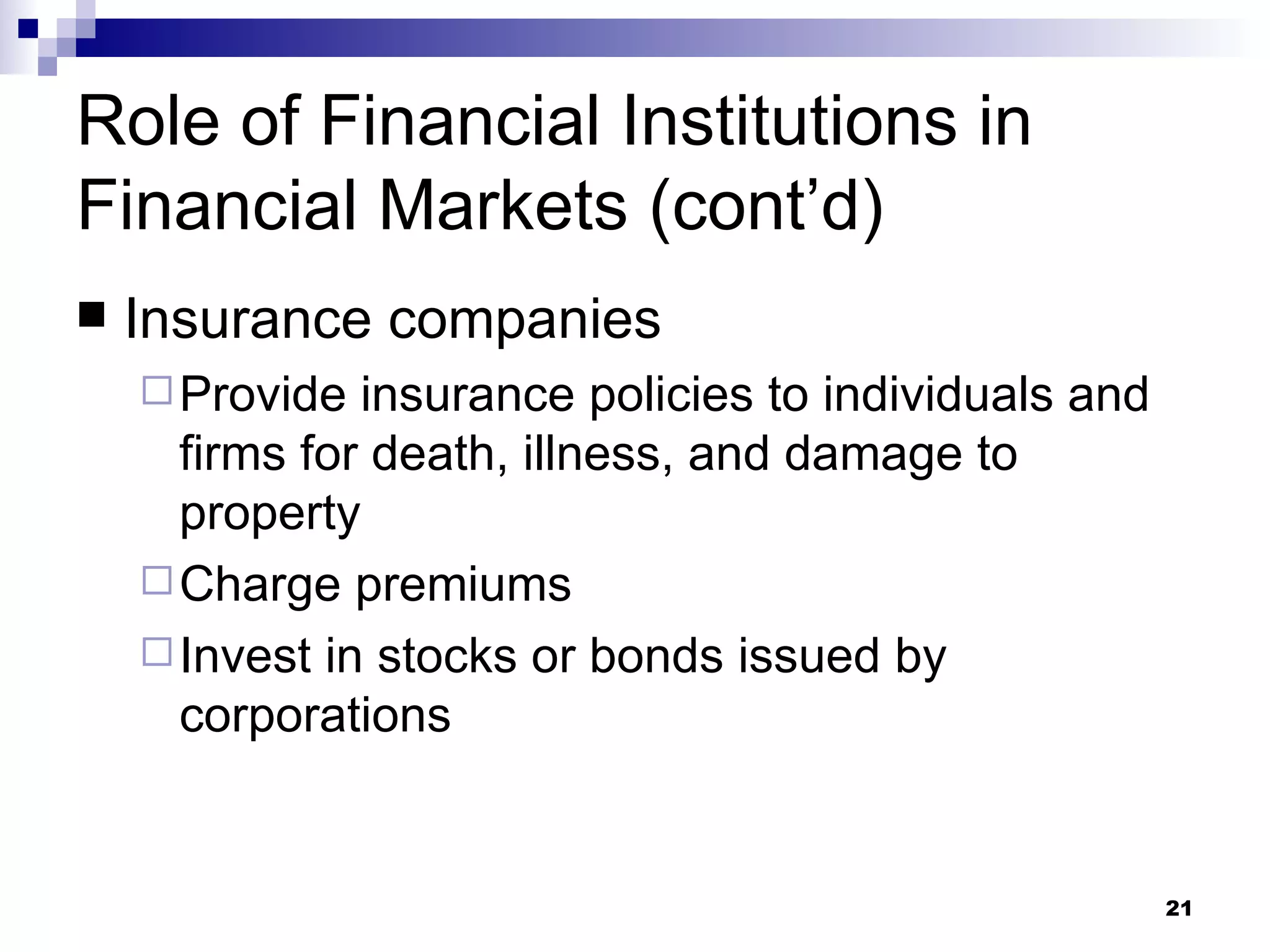
Traditional commercial banks are constrained by regulatory frameworks, liquidity requirements, and shareholder demands that discourage exposure to volatile currency regimes, weak legal infrastructures, and unproven business models. Conversely, philanthropic entities lack the scale and recycling capacity inherent in structured lending facilities. DFI financial models resolve this tension by deploying patient capital—investments with extended maturity profiles, grace periods, and flexible repayment terms tailored to the cash-flow generation timelines of capital-intensive infrastructure or agricultural enterprises.
Furthermore, DFIs play an advisory role in regulatory reform. By engaging directly with local ministries, central banks, and regulatory bodies in target regions, DFI teams help shape transparent legal frameworks, robust corporate governance standards, and predictable taxation policies. This institutional capacity-building reduces systemic risk over time, gradually transforming frontier markets into viable destinations for mainstream commercial capital.
Key Financial Instruments and Investment Modalities
To execute their market role, DFIs utilize a diverse suite of financial instruments designed to address specific balance-sheet vulnerabilities of their investees. Selecting the correct instrument requires a meticulous due diligence process that evaluates operational readiness, environmental compliance, and projected cash generation.
Senior and Subordinated Debt Facilities
Long-term senior debt remains the most common instrument deployed by development finance institutions. These loans feature extended tenors—often ranging from 10 to 20 years—which match the operational lifespans of power plants, transport networks, and telecommunications backbones. Subordinated debt, sitting below senior lenders in the capital structure, acts as quasi-equity. This flexibility reassures commercial co-financiers by absorbing first-loss positions or buffering unexpected macroeconomic downturns.
Equity and Quasi-Equity Investments
When early-stage enterprises or pioneering funds require risk capital rather than debt service obligations, DFIs take direct minority equity stakes. By becoming shareholders, these institutions secure governance rights, enforce rigorous environmental, social, and governance (ESG) standards, and mentor management teams. Quasi-equity instruments, such as redeemable preference shares or revenue-participation notes, offer structured returns tied directly to enterprise performance without diluting founder equity excessively.
Guarantees and Risk Mitigation Instruments
Political risk insurance (PRI), partial credit guarantees, and first-loss portfolio guarantees represent some of the most powerful tools in a DFI's arsenal. In markets plagued by currency transfer restrictions, expropriation risks, or regulatory volatility, a DFI guarantee acts as a credit enhancement. This endorsement allows local and international commercial banks to extend financing under terms and interest rates that would otherwise be entirely unattainable.
Impact Assessment and Additionality Principles
A defining characteristic that separates DFI financial activities from traditional investment management is the rigorous application of the "additionality" principle. Additionality ensures that a DFI does not crowd out commercial lenders or finance projects that would have proceeded successfully with purely private capital alone.
THE ADDITIONALITY FRAMEWORK
- Financial Additionality
- Providing long-term tenors, local currency financing, or risk-mitigation instruments unavailable through private markets.
- Non-Financial Additionality
- Enforcing strict ESG standards, improving corporate governance, and providing technical assistance capacity building.
Financial additionality is demonstrated when an investment provides resources—such as multi-decade tenors, local currency debt in non-convertible markets, or specialized risk mitigation—that private institutions cannot or will not offer. Non-financial additionality manifests through the institutional transformation of the investee firm. This includes implementing international labor standards, decarbonizing supply chains, and establishing transparent auditing protocols that elevate the company's profile for future capital-raising rounds.
Measurement frameworks have evolved significantly. Modern development finance institutions utilize standardized metrics, such as the Impact Management Project (IMP) dimensions and the Operating Principles for Impact Management, to track job creation, gender inclusion, greenhouse gas emissions avoided, and local supply chain integration. These metrics are subjected to independent verification to prevent impact washing and ensure accountability to public stakeholders.
Comparative Overview of Development Finance vs. Commercial Lending
Evaluating how DFI financial structures differ from traditional commercial banking highlights the operational trade-offs required to achieve developmental mandates in challenging jurisdictions.
| Feature | Development Finance Institutions (DFIs) | Commercial Banks |
|---|---|---|
| Primary Mandate | Balanced economic impact and financial sustainability | Shareholder value maximization and profit generation |
| Capital Sources | Sovereign backing, multilateral bonds, retained earnings | Depositor funds, wholesale interbank markets, equity |
| Risk Tolerance | High tolerance for frontier, political, and regulatory risk | Low to moderate tolerance; strictly managed via risk models |
| Investment Horizons | Patient capital; tenors often exceeding 10 to 20 years | Short- to medium-term; typical tenors under 5 to 7 years |
| Key Performance Indicators | Jobs created, ESG compliance, catalytic capital mobilized | Return on Equity (ROE), Net Interest Margin (NIM), Efficiency Ratio |
| Co-Financing Role | Acts as anchor investor, syndicator, and risk guarantor | Participates when risks are mitigated or syndicated |
Operational Challenges and Criticisms
Despite their vital contributions to global economic development, DFIs face continuous scrutiny from academic researchers, civil society organizations, and market participants. Understanding these challenges provides a realistic perspective on the limitations inherent in development finance.
One primary criticism involves the risk of market distortion. If a DFI prices its loans significantly below market rates or undercuts private lenders in stable sectors, it can inadvertently displace local commercial banks and hinder the maturation of domestic capital markets. Striking the balance between concessional pricing required to unlock high-impact projects and maintaining a level playing field for private financial institutions requires constant calibration.
Environmental and social safeguard compliance also presents persistent operational hurdles. Large-scale infrastructure projects financed by DFIs—such as hydroelectric dams, transmission lines, or large agricultural concessions—frequently encounter local community resistance, land-rights disputes, and complex ecological impact assessments. Navigating these conflicts demands extensive consultation periods, transparent grievance mechanisms, and rigorous monitoring that can substantially extend project timelines and administrative overhead.
Furthermore, foreign exchange risk remains a structural vulnerability. Many DFIs lend in hard currencies (such as USD or EUR) to enterprises generating revenues in local, volatile emerging-market currencies. When local currencies depreciate sharply against major global benchmarks, investees frequently experience severe debt-servicing distress, requiring complex debt restructuring, currency hedging facilities, or direct intervention from the sponsoring DFI.
Future Outlook and Strategic Evolution
As the global economic landscape shifts through 2026, the strategic focus of DFI financial operations continues to adapt to emerging systemic priorities. Climate finance has emerged as the dominant allocation driver, with institutions dedicating massive shares of their portfolios to energy transition projects, climate-resilient agriculture, and circular economy initiatives in the Global South.
Simultaneously, blended finance architectures are becoming more sophisticated. By combining philanthropic grant monies, first-loss equity tranches from public agencies, and senior debt from institutional asset managers, DFIs are successfully structuring vehicles capable of absorbing the risk profiles of early-stage climate technologies and digital infrastructure in frontier markets. This evolution ensures that DFI financial mechanisms remain relevant, adaptable instruments for mobilizing global capital toward areas of critical developmental need.
Frequently Asked Questions
What is the primary difference between a DFI and a commercial bank?
A commercial bank operates primarily to maximize returns for private shareholders, maintaining strict risk parameters and favoring short- to medium-term investments. In contrast, a development finance institution operates under a dual mandate to generate sustainable financial returns while delivering measurable developmental, social, and environmental impacts in underserved markets.
How do DFIs mobilize private sector capital?
DFIs act as catalytic anchor investors by absorbing early-stage or high-impact risks that commercial lenders avoid. Through syndications, subordinated debt tranches, political risk insurance, and partial credit guarantees, they create a secure framework that encourages commercial banks and institutional asset managers to co-finance projects.
What does "additionality" mean in development finance?
Additionality refers to the principle that a DFI's intervention must provide value that the private market alone cannot supply. This can be financial additionality—such as providing 15-year debt where only 3-year loans are available—or non-financial additionality, such as enforcing rigorous ESG standards and governance improvements.
Do DFI loans feature below-market interest rates?
While some concessional windows managed by specialized funds offer subsidized rates, most bilateral and multilateral DFIs lend at near-market or commercial rates. Their value proposition lies not necessarily in cheap capital, but in patient capital with long maturities, grace periods, and flexibility during macroeconomic shocks.
How do DFIs manage foreign exchange risk in emerging markets?
DFIs employ several strategies, including issuing local currency bonds within developing nations, partnering with specialized currency-hedging facilities, structuring revenue-linked repayment schedules, and providing technical assistance to help investees manage currency volatility exposure.
Recommended Next Actions
For project developers and institutional investors seeking engagement with development finance institutions, the immediate priority is conducting an audit of project readiness against international environmental, social, and governance frameworks. Reviewing specific sector guidelines published by major multilateral institutions will clarify eligibility criteria, additionality requirements, and co-financing structures before formal loan or equity applications begin.
Image Gallery