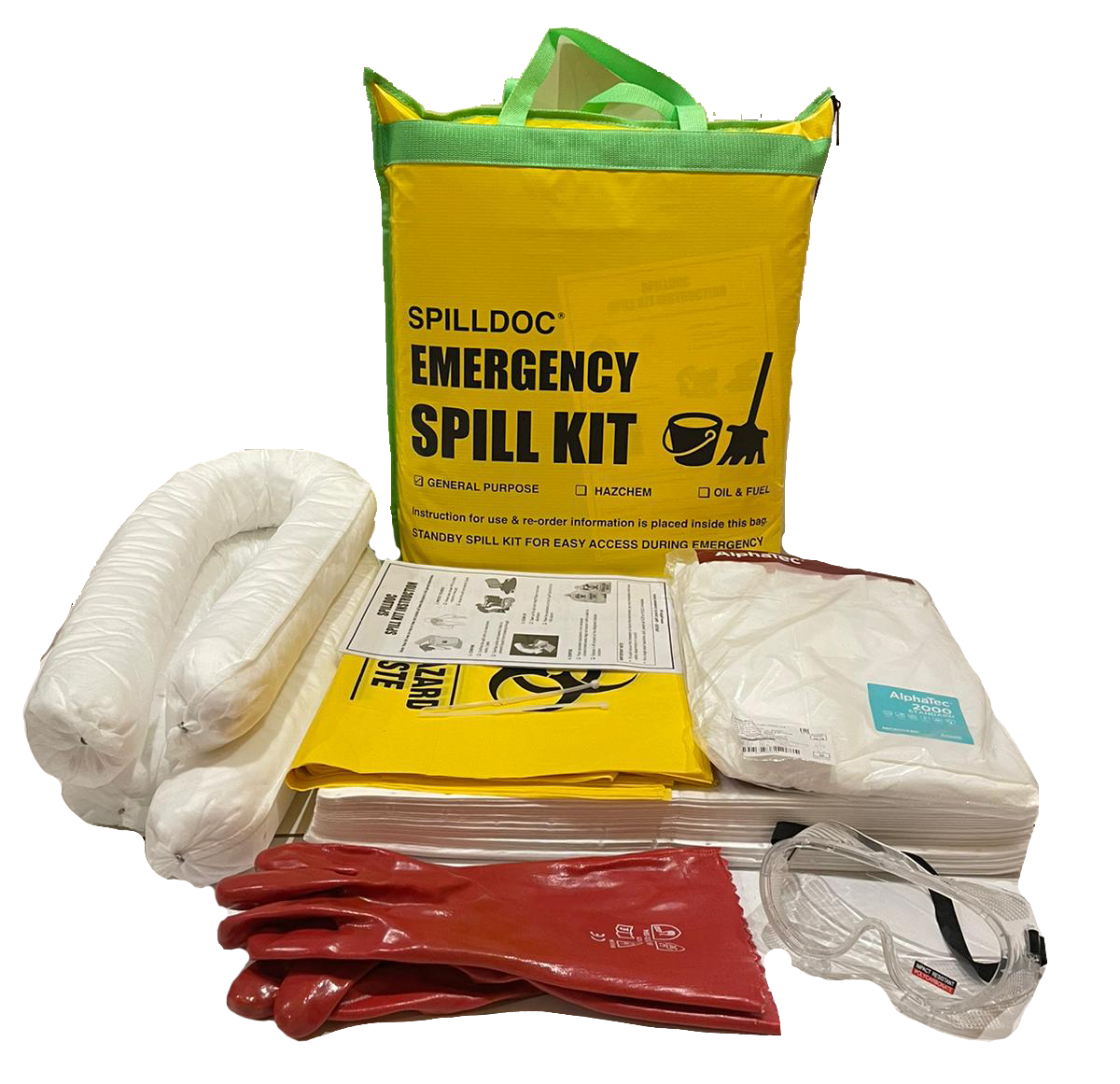
Absorbent Bags and Their Role in Industrial Spill Management
Absorbent bags are high-capacity containment tools designed to soak up large volumes of fluid in industrial settings. They serve as a critical secondary defense in spill management, bridging the gap between small-scale pads and perimet...
Absorbent bags are high-capacity containment tools designed to soak up large volumes of fluid in industrial settings. They serve as a critical secondary defense in spill management, bridging the gap between small-scale pads and perimeter-securing socks by providing targeted, high-density absorption for persistent leaks, heavy drips, and concentrated chemical or oil spills.
Contents
Understanding the Fundamentals of Industrial Absorbent Bags
In the complex environment of a modern manufacturing or processing facility, fluid management is a constant operational challenge. While absorbent pads are ideal for surface wipes and absorbent socks are used for damming, absorbent bags (often referred to as absorbent pillows) are engineered for volume. These products typically consist of a durable, porous outer skin—often made of lint-free polypropylene—stuffed with high-absorbency filler materials.
By 2026, the engineering behind these bags has evolved to maximize "wicking" speed, which is the rate at which a liquid is pulled into the internal fibers. The role of these bags is specialized: they are placed directly under known "trouble spots" such as leaking valves, hydraulic lines, or junctions where traditional flat pads would saturate too quickly. Because they have a high three-dimensional profile, they can hold several liters of fluid—ranging from 2 to 10 liters depending on size—making them indispensable for long-term maintenance and emergency response.
Material Composition and Internal Science
The effectiveness of an absorbent bag depends entirely on its internal filler. In current industrial standards, three primary materials dominate the market:
- Melt-Blown Polypropylene: This synthetic material is the gold standard for oil-only and chemical applications. The fibers are extremely fine, creating a massive surface area that traps liquids through capillary action.
- Cellulose (Recycled Paper/Wood Fiber): Often used in "universal" bags, cellulose is treated to be fire-retardant. It is highly effective for water-based fluids and coolants but can become heavy and prone to tearing if not encased in a high-strength mesh.
- Super-Absorbent Polymers (SAPs): Used primarily for water-based spills, these polymers can expand to hundreds of times their weight, turning liquid into a stable gel that is easier to handle.
Categorization by Fluid Compatibility
In industrial spill management, using the wrong absorbent for a specific chemical can lead to dangerous exothermic reactions or simply a failure to contain the hazard. To prevent these errors, the industry follows a strict color-coding system that remains the standard in 2026.
Universal Absorbent Bags (Gray)
Universal bags are designed for "non-aggressive" liquids. This includes water, oils, coolants, and common solvents. They are the most common bags found in general manufacturing plants and automotive workshops. Because they are designed to absorb both water and oil, they are not suitable for skimming oil off water, as they will quickly become waterlogged and sink.
Oil-Only Absorbent Bags (White)
These bags are specifically engineered to be hydrophobic. They repel water while aggressively absorbing petroleum-based fluids, such as motor oil, hydraulic fluid, and diesel. This makes them essential for outdoor use or in maritime environments where a spill must be removed from a body of water or a rain-slicked concrete floor.
Hazmat and Chemical Absorbent Bags (Yellow or Pink)
Chemical-rated bags are built to withstand "aggressive" fluids, including high-concentration acids and bases. The outer casing and the inner filler are chemically inert, ensuring that the bag does not degrade or react when it comes into contact with corrosive substances. These are mandatory components of spill kits in laboratories and chemical processing plants.
Strategic Placement and Operational Use Cases
The role of absorbent bags extends beyond simple cleanup; they are proactive tools for facility maintenance. Understanding where and how to deploy them can significantly reduce the risk of "slip and fall" accidents and environmental non-compliance.
Permanent Leak Management
In older facilities, certain heavy machineries may have persistent, slow leaks that are difficult to seal without a total operational shutdown. Placing an absorbent bag in a drip pan or directly under the leak provides a high-capacity reservoir. This reduces the frequency of maintenance checks, as a single bag can often last a full shift or even a week, depending on the leak rate.
Confined Space and Sump Applications
Because absorbent bags are flexible, they can be stuffed into tight spaces where mechanical skimmers cannot reach. In industrial sumps or drains, oil-only bags can be floated on the surface to capture "tramp oil" before the water is processed or discharged. This prevents the contamination of municipal wastewater systems, which can result in heavy fines from environmental regulators.
Emergency Spill Response
During a large-scale spill, the primary goal is containment. While socks create the border, absorbent bags are thrown into the center of the "pool" to reduce the total volume of standing liquid quickly. This prevents the liquid from spreading under equipment or through floor cracks, which are notoriously difficult to clean.
Technical Comparison of Absorbent Bag Types
| Feature | Universal (Gray) | Oil-Only (White) | Hazmat (Yellow/Pink) |
|---|---|---|---|
| Primary Target | Water, Oils, Coolants | Petroleum Products | Acids, Bases, Unknowns |
| Hydrophobic? | No | Yes (Repels Water) | No |
| Common Filler | Cellulose or Polypropylene | Melt-blown Polypropylene | Surfactant-treated Poly |
| Typical Capacity | High (Up to 10x weight) | High (Up to 15x weight) | Moderate to High |
| UV Resistance | Standard | High (for outdoor use) | Specialized |
| Primary Use | General Maintenance | Marine/Outdoor Leaks | Chemical Spills |
Regulatory Compliance and Safety Standards
Using absorbent bags is not just a best practice; it is often a legal requirement under various safety and environmental frameworks. In 2026, regulatory bodies like the Environmental Protection Agency (EPA) and the Occupational Safety and Health Administration (OSHA) maintain strict guidelines on how spills must be managed.
OSHA 1910.120 (HAZWOPER)
The Hazardous Waste Operations and Emergency Response (HAZWOPER) standard requires employers to have adequate spill control supplies on hand if they handle hazardous materials. Absorbent bags are recognized as an essential component of the "Level A" and "Level B" spill kits required in high-risk zones.
EPA SPCC Rule
The Spill Prevention, Control, and Countermeasure (SPCC) rule requires facilities that store large quantities of oil to have a plan to prevent oil from reaching navigable waters. Absorbent bags are frequently cited in SPCC plans as a "secondary containment" method for smaller containers and mobile refuelers.
The Importance of Lint-Free Construction
In precision manufacturing—such as aerospace or semiconductor fabrication—lint can ruin a production batch. High-quality absorbent bags are manufactured with "spunbond" outer layers. This construction ensures that no stray fibers from the filler material escape into the environment, maintaining the integrity of the cleanroom or assembly line while still providing effective spill control.
Disposal and Environmental Impact
The "lifecycle" of an absorbent bag does not end once it is saturated. In fact, the disposal phase is where many companies face the most significant legal and financial risks.
Waste Classification
Once a bag absorbs a liquid, it takes on the characteristics of that liquid. If a universal bag absorbs non-toxic coolant, it may be eligible for standard industrial waste disposal. However, if a hazmat bag absorbs a corrosive acid, the entire bag must be treated as Hazardous Waste. This requires specific labeling, storage in UN-rated drums, and disposal through licensed hazardous waste contractors.
Incineration vs. Landfill
Many modern absorbent bags are designed to be "incinerable." In 2026, many industrial waste management strategies prioritize energy recovery. Because polypropylene has a high BTU value, saturated oil bags can be sent to waste-to-energy plants where they are burned to generate electricity, leaving behind minimal ash. This is often preferred over landfilling, as it reduces long-term liability associated with "cradle-to-grave" waste management laws.
Sustainable Alternatives
As sustainability mandates tighten, we are seeing a rise in bio-based absorbent bags. These use fillers derived from corn cobs, peat moss, or coconut husks. While effective for certain applications, users must verify that these organic materials do not react with the spilled chemicals (for example, cellulose should not be used with concentrated nitric acid).
Practical Selection Guide: Choosing the Right Bag
When procuring absorbent bags for a facility, managers should evaluate three primary factors:
- Sump/Drip Pan Size: The bag should fit comfortably within the containment area without hanging over the edges, which could cause a "wicking" effect onto the floor.
- Viscosity of the Fluid: Thicker fluids (like heavy gear oil) require bags with a more open outer mesh to allow the liquid to penetrate the filler. Thinner fluids (like solvents) can use standard tight-weave bags.
- Duration of Use: For long-term placement (e.g., under a machine that leaks slowly over months), look for bags with UV-stabilized outer skins to prevent the fabric from becoming brittle and breaking open.
Frequently Asked Questions
Can absorbent bags be reused after they are saturated?
Generally, no. While some mechanical presses can wring out oils from certain types of polypropylene bags, the structural integrity of the bag is often compromised during the process. Furthermore, the residual fluid left in the bag reduces its capacity for the next use. For safety and efficiency, absorbent bags are considered single-use consumables.
How do I determine how many bags I need for a spill?
A standard rule of thumb is that one gallon of liquid requires approximately 1 to 1.5 large absorbent pillows (bags), depending on the density of the fluid. Always keep 20% more than the "worst-case scenario" volume in your spill kits to account for saturation inefficiencies.
Do absorbent bags have an expiration date?
Synthetic bags (polypropylene) have an almost indefinite shelf life if stored in a cool, dry place away from direct UV light. However, bags with organic fillers like cellulose or corn cob can degrade over several years or attract pests if stored in damp conditions. It is best practice to inspect spill kits annually.
Can I use a universal bag for a sulfuric acid spill?
No. Universal bags often contain cellulose or other materials that can react violently or degrade when exposed to strong oxidizing acids. Always use a dedicated Hazmat (yellow) bag for aggressive chemicals to ensure the safety of the response team.
What is the difference between an absorbent bag and an absorbent pillow?
In the industrial safety industry, these terms are often used interchangeably. Both refer to the same 3D rectangular or square product designed for high-volume absorption. "Pillow" is the more common marketing term, while "bag" is often used in logistics and waste management contexts.
Final Recommendation for Facility Managers
To ensure maximum safety and environmental compliance, facilities should transition from a "reactive" to a "proactive" spill management strategy. This involves mapping out all fluid-transfer points and high-vibration machinery where leaks are likely to occur. Deploying absorbent bags as a standard preventive measure in these zones—rather than waiting for a spill to reach the floor—reduces cleanup costs and minimizes the footprint of hazardous waste. For 2026 compliance, ensure all staff are trained on the color-coding system and that disposal protocols are clearly posted near all spill kit stations.
Image Gallery