Understanding How Accurate Drug Test Kits Really Perform
At-home and professional drug test kits are generally highly accurate when used according to manufacturer instructions, typically offering 90% to 99% reliability for detecting common substances within designated windows. However, accur...
At-home and professional drug test kits are generally highly accurate when used according to manufacturer instructions, typically offering 90% to 99% reliability for detecting common substances within designated windows. However, accuracy is contingent upon factors like specimen quality, the specific cutoff levels of the assay, user error, and the chemical composition of the test, making professional laboratory confirmation the essential gold standard for definitive results.
Contents
The Mechanism Behind Immunoassay Screening
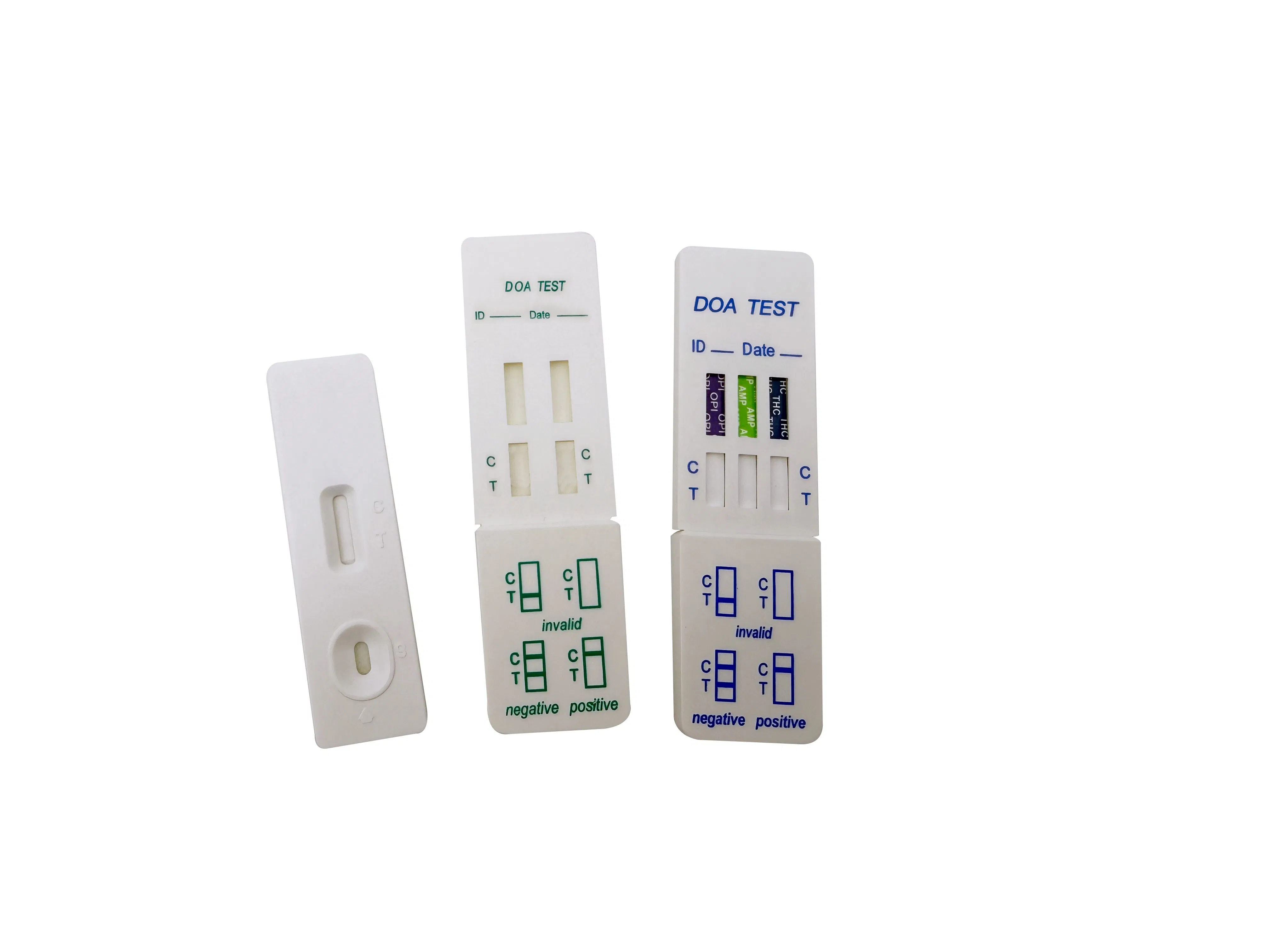
Most drug test kits—whether for workplace, clinical, or personal use—rely on immunoassay technology. This process utilizes antibodies to detect the presence of specific drug metabolites in urine, saliva, or hair. When a specimen is applied to the test strip, it competes with known drug conjugates for binding sites on the antibodies.
If the concentration of the drug in the sample exceeds a predefined threshold—known as the cutoff level—the antibodies are saturated, and the test produces a result indicating the presence of the substance. This mechanism is designed for speed and cost-effectiveness, allowing for rapid screening. Because immunoassay tests are designed to be sensitive, they can occasionally produce "false positives" due to cross-reactivity with common over-the-counter medications, herbal supplements, or specific dietary habits.
Identifying the Factors Affecting Accuracy
The performance of a drug test kit is not a static number; it is a variable influenced by the environment and the test subject. Understanding these dependencies is crucial for interpreting results correctly.
1. Cutoff Concentrations
Every test kit has a specified sensitivity, measured in nanograms per milliliter (ng/mL). A kit with a lower cutoff level is more sensitive but inherently more prone to cross-reactivity. Conversely, a higher cutoff level reduces the likelihood of false positives but increases the chance of "false negatives" if the user has consumed a substance below that specific threshold.
2. The Window of Detection
Each substance has a different half-life and metabolite clearance rate. While an at-home kit might accurately detect THC or opiates within a specific timeframe, it cannot identify use that occurred outside of that window. Testing too soon or too late relative to the last exposure is the most frequent cause of perceived "inaccuracy."
3. Specimen Integrity and Adulteration
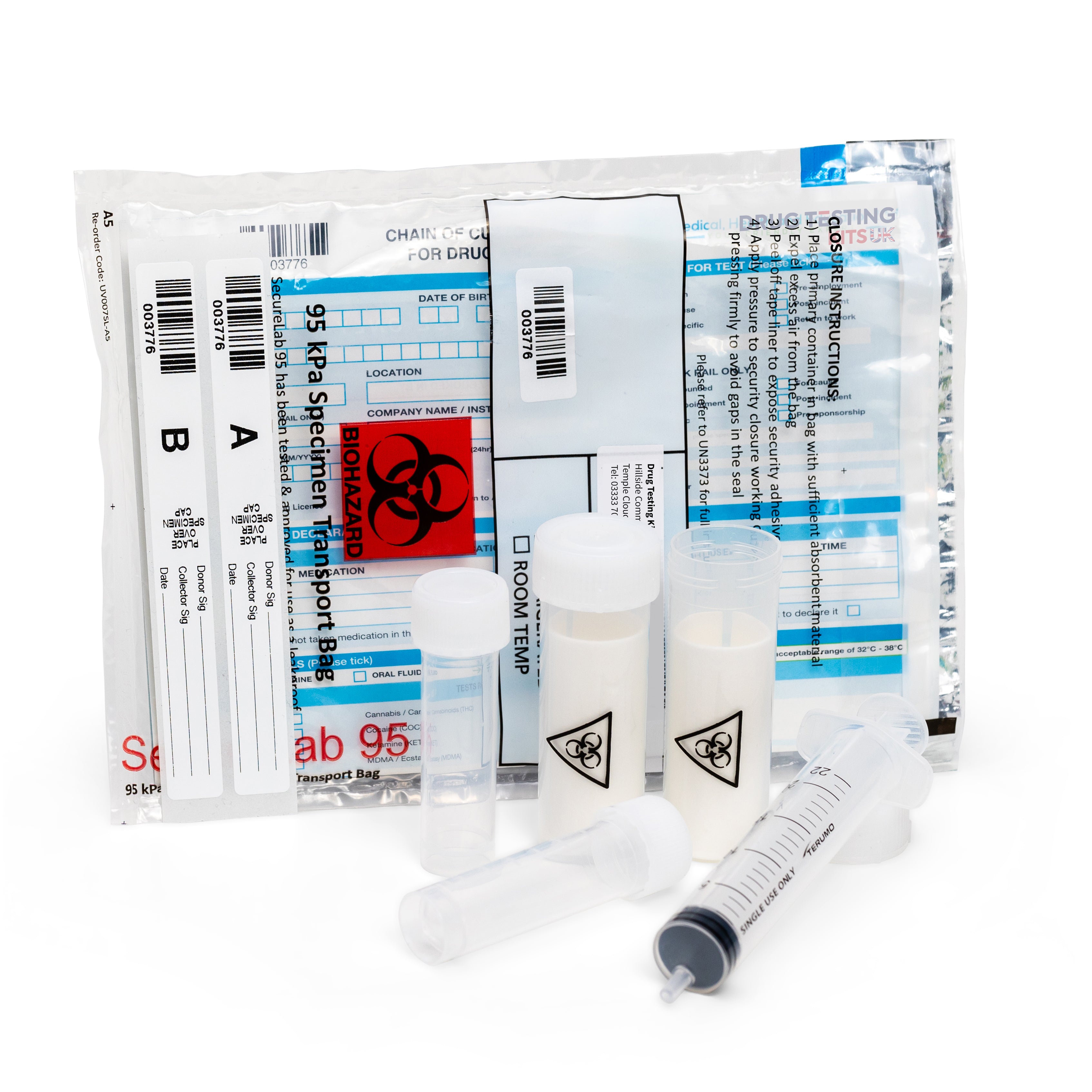
The quality of the sample is paramount. In workplace or forensic settings, strict protocols regarding temperature checks, visual inspection for color or dilution, and the use of split-sample collection are employed to prevent tampering. At-home kits often lack these safeguards, making them susceptible to errors caused by diluted urine or the addition of chemical adulterants intended to mask results.
Comparison of Testing Modalities
Different testing formats offer distinct balances of convenience, detection window, and reliability. The following table summarizes the operational performance of common testing methods.
| Testing Format | Primary Specimen | Detection Window | Typical Accuracy | Primary Limitation |
|---|---|---|---|---|
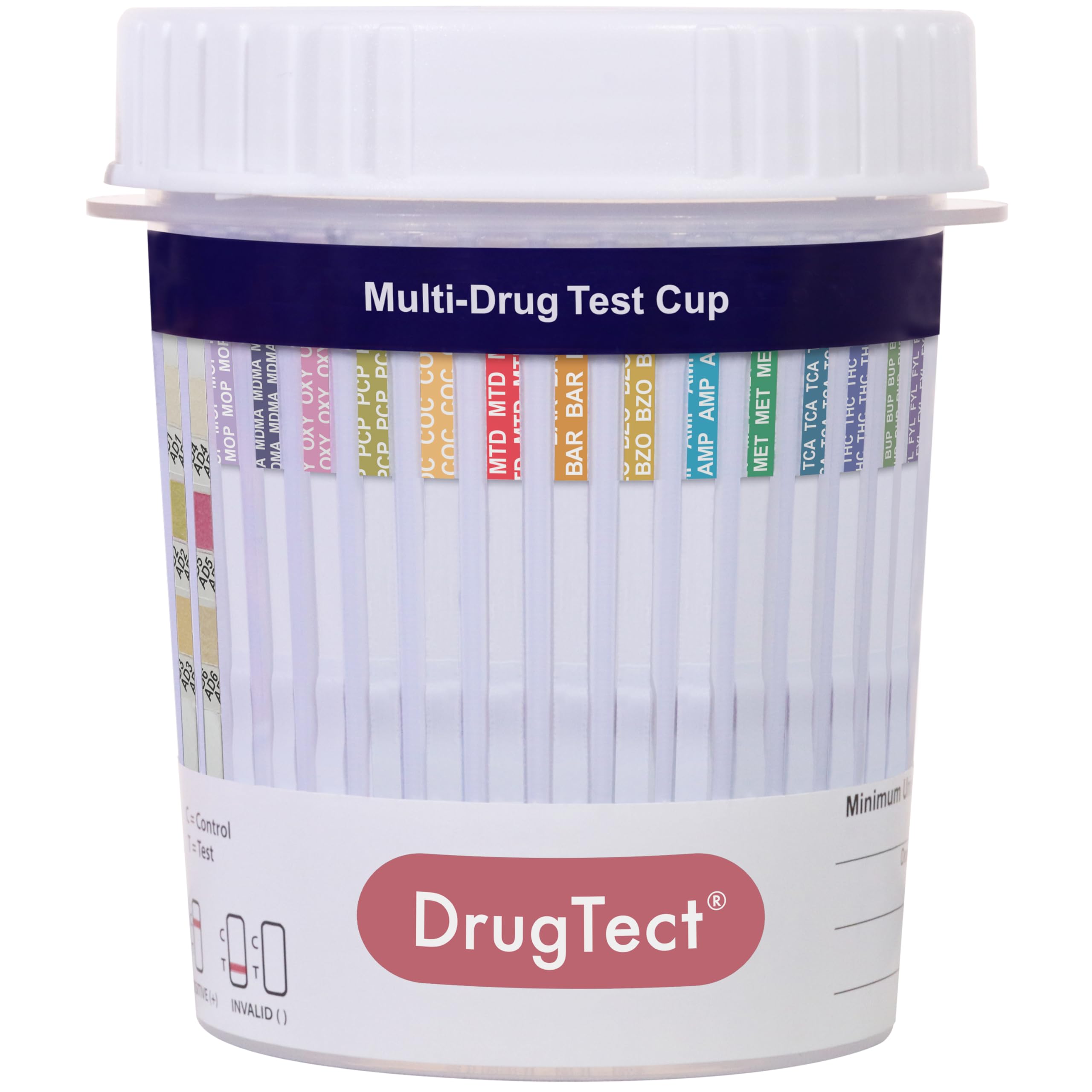
| Immunoassay Cup | Urine | 2–7 Days | 92–98% | High risk of dilution |
| Saliva Swab | Oral Fluid | 1–3 Days | 85–95% | Short window of use |
| Hair Follicle | Hair Shaft | 30–90 Days | 95–99% | Cannot detect recent use |
| Gas Chromatography | Laboratory | Varies | 99%+ | Time-intensive/Costly |
The Role of Laboratory Confirmation
A critical distinction in the industry is the difference between a screening test and a confirmatory test. An at-home kit or a rapid onsite cup is strictly a screening tool. If a screening test returns a positive result, it should always be treated as a "presumptive positive."
Confirmatory testing, typically performed using Gas Chromatography-Mass Spectrometry (GC-MS) or Liquid Chromatography-Tandem Mass Spectrometry (LC-MS/MS), identifies the specific molecular structure of the substance. This eliminates the cross-reactivity issues inherent in immunoassays. For any situation involving legal, employment, or medical consequences, a laboratory-grade confirmation is the only way to establish evidence-based accuracy.
Common Pitfalls and Troubleshooting
When a test result seems incorrect, users often overlook environmental and physiological variables. Common issues include:
- Medication Interference: Certain antibiotics, decongestants, and anti-inflammatories can produce chemical reactions that mimic illicit substances. Always review the included documentation regarding "cross-reactivity" to identify potential interference.
- Improper Timing: Testing at the very beginning or end of a detection window can yield inconsistent results. If a result is unexpected, wait 24 to 48 hours and re-test using a different sample.
- Sample Dilution: Drinking excessive water prior to a urine test can lower the concentration of metabolites below the cutoff level. If the sample appears clear or "watery," the test may be unreliable.
- Environmental Contamination: In rare cases, physical contact with residue on surfaces or secondhand exposure can be picked up by highly sensitive test kits.
Legal and Safety Limitations
Drug testing accuracy carries significant weight in professional and legal settings. It is vital to note that at-home test kits are not generally recognized as sufficient for legal evidence or official employment adjudication. In the United States, workplace testing programs are often governed by guidelines set by the Substance Abuse and Mental Health Services Administration (SAMHSA), which mandates specific chain-of-custody procedures and laboratory verification processes that at-home kits cannot fulfill.
Note: This information is for educational purposes and does not constitute legal or medical advice. If you are facing health-related concerns, consult a physician. If you are involved in a legal or employment-related test, contact a qualified legal professional or a certified Medical Review Officer (MRO).
Frequently Asked Questions
Can I trust an at-home drug test to clear me for a job? While at-home tests are highly accurate, they should not be used as a definitive clearance for employment. Workplace drug tests involve strict chain-of-custody protocols and laboratory-verified confirmation that at-home kits do not provide.
Why did my test come back positive when I haven’t used any drugs? This is known as a false positive. It can be triggered by legitimate medications, such as certain antidepressants, antibiotics, or even high consumption of poppy seeds, which may interact with opiate screening strips. Always consult the kit’s insert for known cross-reactants.
Does temperature affect the accuracy of a urine test? Temperature is used as a validity check for sample freshness. Most tests require the urine to be between 90°F and 100°F. If the sample is outside this range, it may indicate that the specimen has been tampered with or is old, rendering the test results suspect.
How do I ensure the most accurate result possible? Ensure you are using a test that has not expired, follow the storage instructions, and provide the sample in a clean, uncontaminated container. Reading the results within the time frame specified by the manufacturer is also essential, as results can become invalid if left to sit too long.
Next Steps for Verification
If you receive a positive result on an at-home test and believe it to be incorrect, do not rely on repeat testing with the same brand. Instead, seek a professional third-party laboratory test. Many private labs allow individuals to order a "clinical screen" directly. This provides a formal collection process, an MRO review, and a laboratory-confirmed report that holds significantly more weight than any consumer-grade kit.
Image Gallery