The Mrs. Fields Woman: Decoding the Corporate and Cultural Identity of Debra Fields
The Mrs. Fields woman represents the entrepreneurial archetype forged by Debra Fields, the founder of Mrs. Fields, Inc., embodying a blend of rigorous operational standards, consumer-facing warmth, and self-taught business acumen that...
The Mrs. Fields woman represents the entrepreneurial archetype forged by Debra Fields, the founder of Mrs. Fields, Inc., embodying a blend of rigorous operational standards, consumer-facing warmth, and self-taught business acumen that transformed a single cookie shop in Park City, Utah, into a global franchise phenomenon.
Contents
Origins of the Brand and the Founder
The narrative of the Mrs. Fields woman begins with Debra Jane Sivyer, who later became Debra Fields. Born in 1956 in Oakland, California, Fields did not possess a background in corporate finance or formal business administration. Instead, she entered the culinary retail market armed with a distinct vision: creating a fresh, soft-baked, premium chocolate chip cookie that stood in stark contrast to the mass-produced, shelf-stable snacks dominating grocery store aisles in the late 1970s.
In 1977, against the advice of bankers and financial experts who predicted certain failure due to her lack of experience and the high cost of her ingredients—including real butter, dark chocolate, and premium nuts—Fields secured a high-interest loan to open her first store in Park City, Utah. The skepticism she faced from traditional lending institutions highlighted a pervasive corporate environment of the era, where young women attempting to scale commercial enterprises encountered significant structural barriers. By proving her concept viable through immediate consumer demand, Fields established an identity not just as a baker, but as a resilient commercial operator who understood market psychology and product differentiation long before culinary franchising became mainstream.
The Operational Philosophy of Mrs. Fields
The operational framework instituted by Debra Fields redefined how retail food chains maintained quality control. Central to the Mrs. Fields business model was an absolute rejection of stale product. If cookies were not sold within a specific timeframe, they were discarded or donated, ensuring that customers received a uniformly fresh experience across every franchise location.
This uncompromising standard required sophisticated operational guidelines. As the company expanded through franchising in the 1980s, maintaining this level of consistency presented severe logistical challenges. To solve this, Fields and her husband, Richard Fields, pioneered early retail technology adaptation. They implemented a custom computer system in the late 1980s—known as "RTByrd"—to track sales, forecast customer traffic, manage inventory, and monitor employee productivity. This technological integration shifted the profile of the Mrs. Fields operator from a traditional retail manager to a data-driven administrator capable of interpreting real-time metrics.
Evolution of the Franchise Network and Corporate Restructuring
The expansion of Mrs. Fields, Inc., mirrors the broader economic shifts of late-20th-century American retail, moving from independent storefronts to heavily trafficked shopping malls, transit hubs, and international markets. However, rapid expansion brought financial vulnerabilities.
During the late 1980s and early 1990s, the company faced substantial debt loads associated with leveraged buyouts and shifting commercial real estate valuations as enclosed shopping malls began to experience fluctuating foot traffic. Despite these financial pressures, the brand retained its core identity. In 1993, investment firm Capricorn Holdings acquired a controlling interest in the company, eventually stabilizing its operations while retaining Debra Fields as president and CEO until 1997.
The table below outlines key milestones in the evolution of the enterprise founded by Debra Fields:
| Year | Milestone | Operational Significance |
|---|---|---|
| 1977 | First Store Opened | Established in Park City, Utah, proving the viability of premium, fresh-baked cookies. |
| 1990 | Technology Integration | Widespread adoption of custom retail management software to forecast sales and reduce waste. |
| 1993 | Corporate Acquisition | Capricorn Holdings acquired control, stabilizing the brand's financial foundation. |
| 1997 | Leadership Transition | Debra Fields stepped down from active daily management, transitioning the brand to new corporate stewards. |
Cultural Impact and Representation in Business
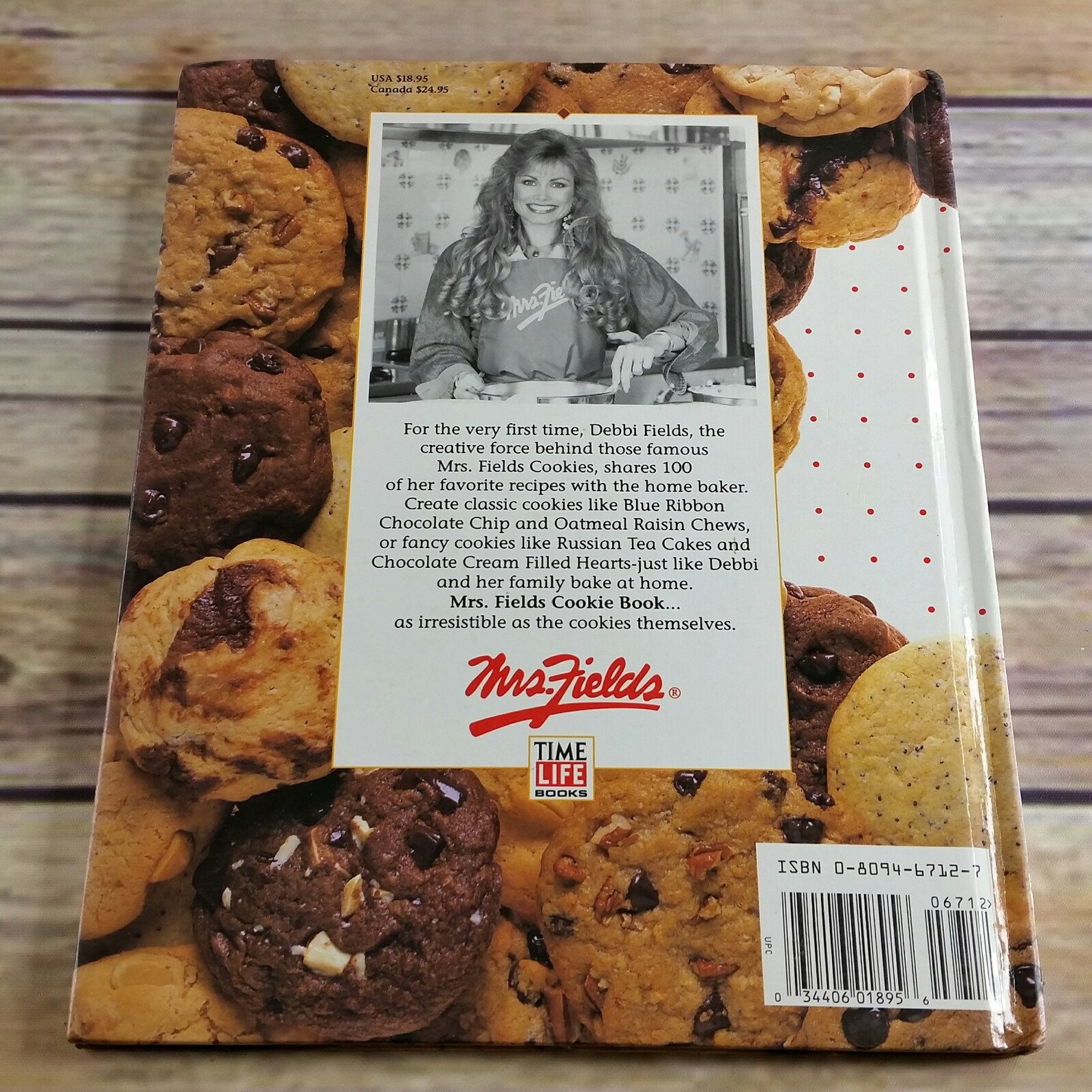
Beyond corporate logistics, the Mrs. Fields woman holds a distinct place in the history of female entrepreneurship. During an era when women founders of large-scale consumer brands were relatively rare, Debra Fields became a prominent public figure. Her image was frequently intertwined with the product itself—her face appearing on packaging, promotional materials, and in media profiles—effectively pioneering a founder-centric personal brand decades before the advent of social media entrepreneurship.
This visibility created a dual perception. On one hand, it aligned the brand with traditional domestic associations of baking and hospitality. On the other hand, it masked a rigorous, highly disciplined corporate strategy that prioritized profit margins, supply chain integrity, and aggressive franchising agreements. Recognizing this duality helps analysts understand how consumer-facing enterprises leverage personal narratives to build institutional trust while maintaining strict commercial efficiency.
Common Misconceptions Regarding the Brand and Founder
Public perception of Mrs. Fields often relies on romanticized notions of home baking rather than the hard data of retail management. Several persistent myths surround the business and its founder:
- The Accidental Success Myth: Many observers attribute the rise of Mrs. Fields entirely to a superior cookie recipe. In reality, the success hinged on aggressive location scouting, strict inventory control, and early adoption of predictive sales software.
- Continuous Family Ownership: While Debra Fields founded the company and managed it for two decades, the brand has undergone multiple private equity acquisitions and corporate restructuring events, meaning the original family no longer maintains operational control.
- Exclusively Mall-Based Retail: While shopping malls fueled the brand's rapid 1980s growth, contemporary operations span diverse distribution channels, including co-branded units, airport kiosks, grocery store licensing, and direct-to-consumer e-commerce shipping.
Frequently Asked Questions
Who is the woman behind Mrs. Fields?
The woman behind the brand is Debra Fields (born Debra Jane Sivyer), who founded the original Mrs. Fields chocolate chip cookie store in Park City, Utah, in 1977 and served as its chief executive for twenty years.
Did Debra Fields invent the cookie recipe herself?
Yes, Debra Fields developed her signature cookie recipes through extensive experimentation in her own kitchen prior to opening her first storefront, focusing on high-fat dairy and premium chocolate ingredients.
Is Mrs. Fields still an independent company?
No. Following periods of private equity ownership and corporate restructuring, Mrs. Fields, Inc., operates under parent entities managing multiple food service and franchising brands, distinct from the original founding family.
What role did technology play in the Mrs. Fields business model?
In the late 1980s, the company pioneered proprietary retail management software that allowed corporate leadership and store managers to track hourly sales, predict customer volume, schedule labor efficiently, and minimize product waste.
How did the brand expand internationally?
Mrs. Fields expanded beyond the United States primarily through Master Franchise agreements, granting regional operators the rights to replicate the storefront model, supply chain standards, and baking processes in international markets.
Conclusion and Strategic Takeaway
Analyzing the Mrs. Fields woman requires looking past the comforting aesthetic of fresh-baked goods to examine a masterclass in retail scaling, data utilization, and founder-led branding. Debra Fields established a blueprint for transforming a specialty product into an international enterprise by refusing to compromise on product standards while aggressively embracing operational technology. For modern entrepreneurs and retail strategists, the enduring lesson of the brand lies in the synthesis of artisan quality with uncompromising, metrics-driven management.
Image Gallery