The Medical Term for Bed Bugs: Understanding the Clinical and Parasitological Terminology
While the common household nuisance known as the bed bug is universally recognized by its everyday moniker, the clinical and scientific community utilizes specific terminology to classify these organisms and the medical conditions they...
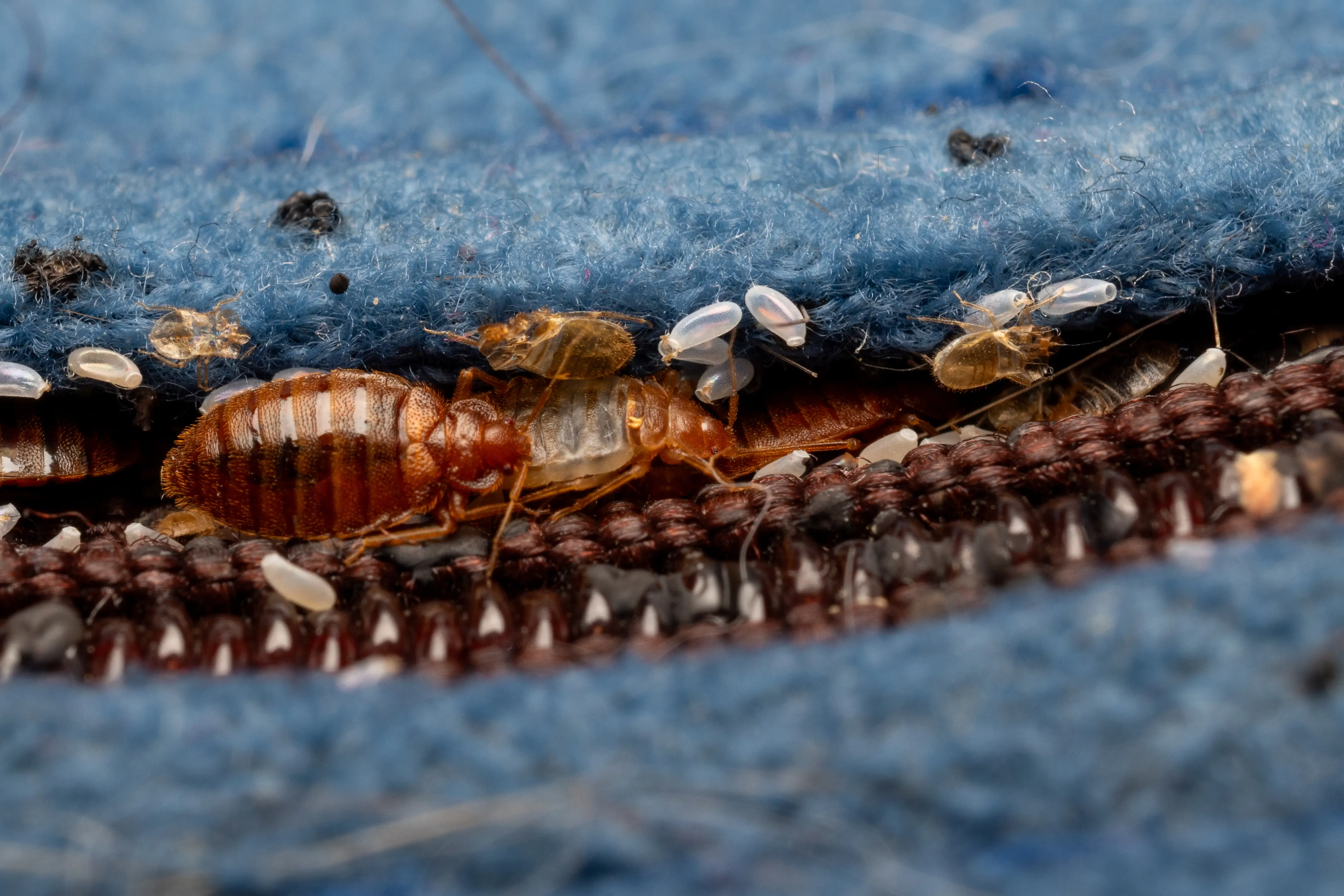
While the common household nuisance known as the bed bug is universally recognized by its everyday moniker, the clinical and scientific community utilizes specific terminology to classify these organisms and the medical conditions they induce. The precise medical term for bed bugs themselves is Cimex lectularius (referring to the most common domestic species), while the formal medical diagnosis for an infestation-related bite reaction is cimicosis. Understanding these terms is essential for healthcare providers, pest management professionals, and affected individuals navigating the physiological impacts of an encounter with these ectoparasites.
Contents
Taxonomic and Scientific Classification of Bed Bugs
To understand the medical terminology associated with bed bugs, one must first examine their biological taxonomy. In medical entomology, bed bugs do not possess a distinct separate "medical" name apart from their scientific nomenclature; instead, they are referred to by their binomial species names.
The primary species responsible for human infestations globally is Cimex lectularius, often referred to as the common bed bug. A secondary species, Cimex hemipterus, is primarily found in tropical and subtropical regions and is known as the tropical bed bug. Both species belong to the order Hemiptera (true bugs) and the family Cimicidae.
Etymology of Cimex lectularius
- Cimex: Derived from the Latin word for a bug or bug-like insect.
- Lectularius: Stemming from the Latin root lectulus, meaning a small bed or couch.
Therefore, the literal scientific translation of the primary bed bug species is "bug of the bed." In clinical literature, epidemiological reports, and dermatological studies, researchers and physicians consistently use these binomial identifiers to discuss the vector, distinguishing them from other blood-feeding ectoparasites such as ticks, lice, or fleas.
Clinical Terminology for Bed Bug Bites: Cimicosis
When a human interacts with Cimex lectularius, the resulting dermatological presentation is medically classified as cimicosis. This term encompasses the cutaneous reactions and systemic responses triggered by the feeding activity and saliva of the insect.
Cimicosis is classified as a form of papular urticaria or localized allergic dermatitis. Because bed bug saliva contains a complex mixture of anticoagulants, vasodilators, and anesthetic compounds, the human immune system reacts to these foreign proteins. The clinical terminology varies slightly depending on the severity and phase of the reaction:
- Macules and Papules: The initial presentation typically involves small, flat discolored spots (macules) that develop into raised, firm bumps (papules).
- Erythema: Redness surrounding the puncture site caused by capillary dilation.
- Pruritus: Intense itching, which is the hallmark symptom driving patients to seek medical evaluation.
Medical professionals also utilize descriptive modifiers in patient charts, such as "linear arrangements of erythematous papules" or "clustered pruritic maculopapular eruptions," to document the classic presentation of multiple bites occurring in a row—often colloquially referred to as "breakfast, lunch, and dinner."
Comparative Overview of Parasitic and Dermatological Terms
To prevent confusion between bed bugs and other common biting or parasitic arthropods, it is helpful to contrast their scientific and medical terminology. Each ectoparasite triggers a distinct clinical response and carries a unique medical classification.
| Common Name | Scientific/Medical Term for Organism | Medical Term for Condition/Bite Reaction | Primary Clinical Presentation |
|---|---|---|---|
| Bed Bug | Cimex lectularius / Cimex hemipterus | Cimicosis | Clustered or linear pruritic papules, erythematous wheals |
| Head/Body Louse | Pediculus humanus (capitis/corporis) | Pediculosis | Scalp or truncal pruritus, excoriations, secondary infection |
| Scabies Mite | Sarcoptes scabiei | Scabies | Intense nocturnal pruritus, burrows in interdigital webs |
| Flea | Ctenocephalides felis (and others) | Pulicosis | Small, grouped hemorrhagic papules, frequently on lower legs |
| Hard Tick | Family Ixodidae | Tick infestation / Tick-borne illness | Fixed attachment site, potential erythema migrans (Lyme disease) |
Pathophysiology and Immune Response in Cimicosis
The physical act of a bed bug feeding takes anywhere from three to ten minutes, during which the insect injects saliva containing anesthetic and anticoagulant properties to facilitate blood ingestion. The host typically feels no immediate pain or sensation during the bite; the immune reaction develops hours or even days later.
Delayed Hypersensitivity Reactions
Immunologically, cimicosis is primarily a delayed-type hypersensitivity reaction (Type IV hypersensitivity). When a person is exposed to bed bugs for the first time, they may exhibit no immediate skin reaction at all, as the immune system requires a sensitization period. Subsequent exposures often trigger pronounced papules and intense itching as immunoglobulin E (IgE) and cell-mediated immune pathways recognize the salivary antigens.
Secondary Complications
While the primary medical term cimicosis refers to the direct bite reaction, physicians frequently diagnose secondary conditions arising from the trauma of scratching:
- Excoriation: Superficial skin abrasions caused by fingernails.
- Secondary Bacterial Infection: Impetigo or cellulitis resulting from Staphylococcus aureus or Streptococcus species entering broken skin.
- Post-inflammatory Hyperpigmentation: Darkening of the skin at the site of healed lesions, particularly in individuals with higher melanin content.
Psychological and Systemic Classifications
Beyond dermatological diagnoses, severe or chronic infestations can lead to distinct psychological and systemic classifications in medical literature.
Delusional Parasitosis (Ekbom Syndrome)
In cases where individuals experience an unshakeable, false belief that they are infested with parasites like bed bugs despite negative physical evidence and professional pest control inspections, clinicians may diagnose delusional parasitosis or delusional infestation. This is a psychiatric classification requiring specialized psychological support rather than pesticides.
Psychological Sequelae
Even in confirmed cases of Cimex lectularius infestations, patients frequently experience secondary psychiatric symptoms. Clinical literature documents conditions such as acute stress, anxiety, hypervigilance, and insomnia directly resulting from the psychological distress of living in an infested environment.
Frequently Asked Questions
What is the exact medical term for a bed bug bite?
The medical term for the skin reaction caused by bed bug bites is cimicosis. It describes the localized inflammatory and allergic response to the proteins injected via the insect's saliva during feeding.
Are bed bugs and cimicosis classified as vector-borne disease transmitters?
Currently, major public health organizations—including the Centers for Disease Control and Prevention (CDC) and the World Health Organization (WHO)—maintain that Cimex lectularius is not a vector for infectious human pathogens. Unlike mosquitoes or ticks, bed bugs have not been proven to transmit diseases such as malaria, HIV, or hepatitis B through their bites.
How do doctors differentiate cimicosis from other insect bites?
Physicians look at the characteristic distribution and morphology of the lesions. Cimicosis typically presents as clustered or linear pruritic papules on exposed areas of skin during sleep, such as the arms, neck, face, and shoulders, often accompanied by a delayed immune response.
Can cimicosis cause systemic allergic reactions?
In rare cases, severe hypersensitivity to bed bug saliva can lead to generalized urticaria (hives), asthma exacerbations, or systemic anaphylactoid reactions. However, most cases remain strictly localized to the skin.
What is the scientific name of the tropical bed bug?
The tropical bed bug is scientifically classified as Cimex hemipterus. While morphologically similar to Cimex lectularius, it thrives in warmer climatic zones and exhibits slight biological variations.
Next Actions and Clinical Guidance
If you suspect you are suffering from cimicosis, the primary course of action is to confirm the presence of the ectoparasite (Cimex lectularius) in your living environment through thorough inspection of mattress seams, bed frames, and upholstered furniture. Consult a dermatologist or primary care physician for symptomatic treatment of severe pruritus—typically managed with topical corticosteroids or oral antihistamines. Concurrently, engage a licensed pest management professional to execute verified eradication protocols, as treating the skin lesions without eliminating the underlying infestation will result in recurrent symptoms.
Image Gallery