Exploring Kingston Ontario Tourism: A Comprehensive Guide to the Limestone City
Exploring Kingston Ontario tourism in 2026 offers a sophisticated blend of colonial history, academic prestige, and a modernized waterfront experience. As the first capital of United Canada, Kingston provides visitors with access to UN...
Exploring Kingston Ontario tourism in 2026 offers a sophisticated blend of colonial history, academic prestige, and a modernized waterfront experience. As the first capital of United Canada, Kingston provides visitors with access to UNESCO World Heritage sites, the notorious Kingston Penitentiary, and a vibrant culinary scene, all situated at the junction of the St. Lawrence River and Lake Ontario.
Contents
The Historical Significance of the Limestone City
Kingston’s identity is inextricably linked to its architectural heritage. Known as the "Limestone City," the downtown core is characterized by 19th-century buildings constructed from local grey limestone. This aesthetic choice was not merely stylistic but a practical response to devastating fires in the early 1800s. Today, these structures house everything from boutique hotels to artisanal bakeries, preserving a visual continuity that is rare in North American urban centers.
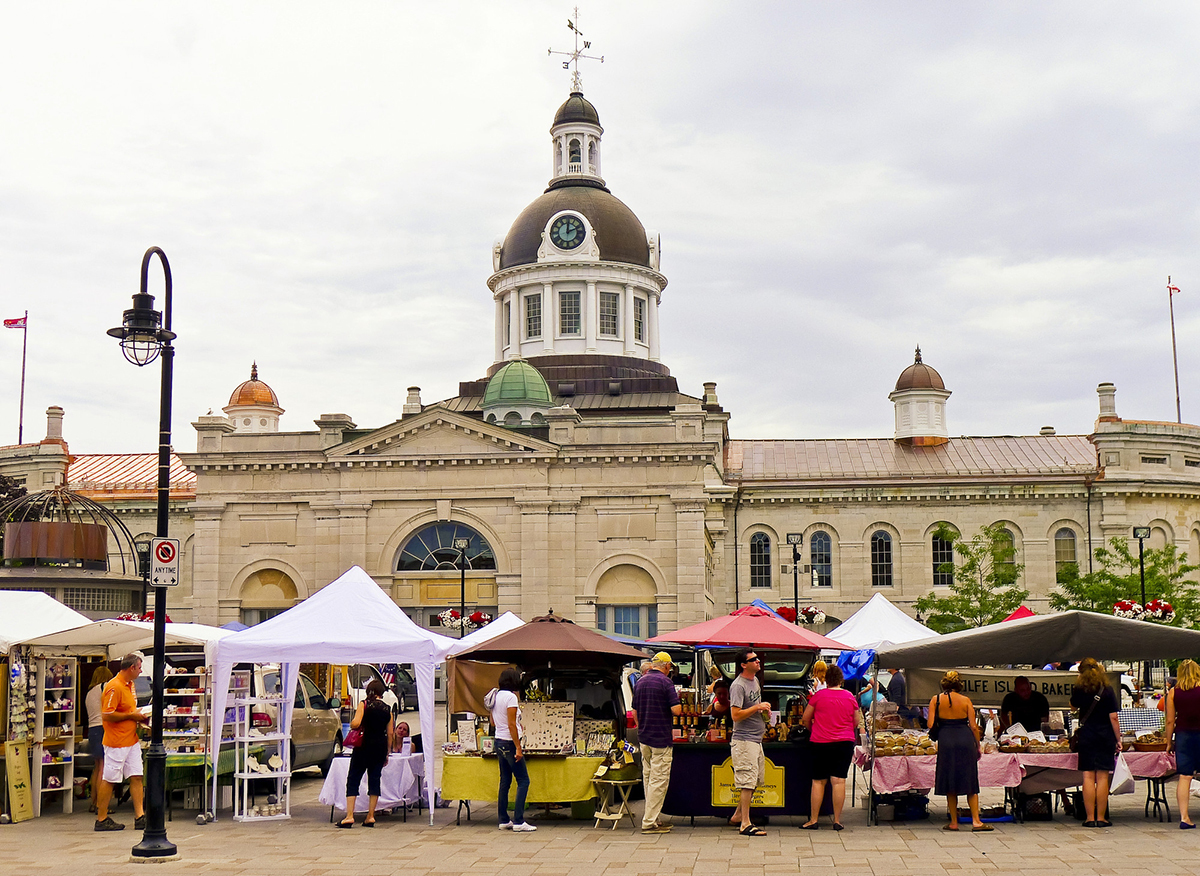
The centerpiece of this historical narrative is Kingston City Hall. Completed in 1844, it was designed when Kingston was the capital of the Province of Canada. Exploring the interior reveals the Memorial Hall, adorned with stained glass windows commemorating local regiments, and the grand architecture that reflected the city's political ambitions. Guided tours are essential for understanding the transition of the building from a national seat of power to a local administrative hub.
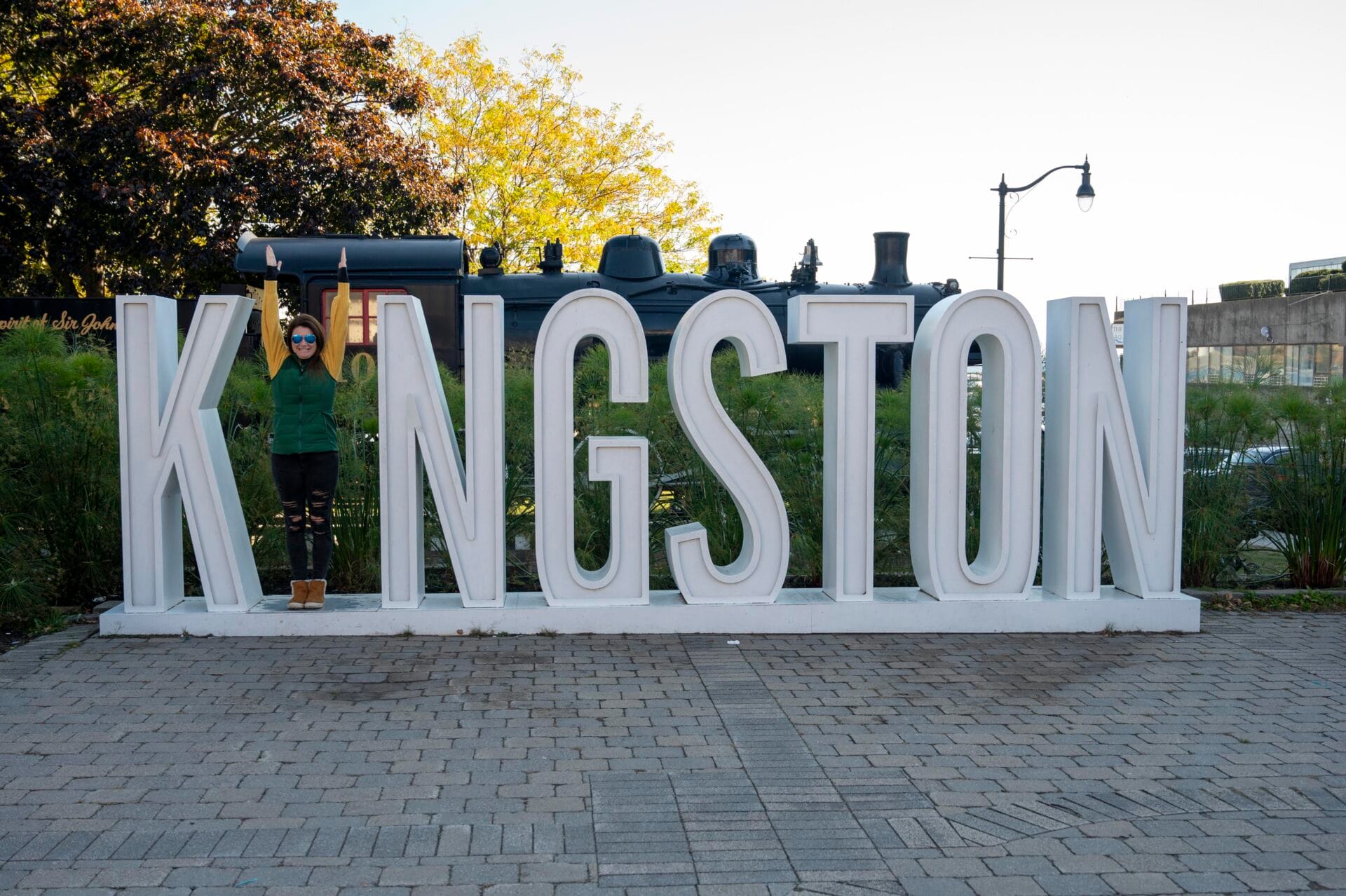
Just across from City Hall lies Confederation Park, a gateway for visitors that connects the urban center to the waterfront. In 2026, this area serves as the primary orientation point for tourists, housing the Visitor Information Centre in a converted 19th-century railway station. It is the ideal starting point for anyone looking to understand the geographical layout of the city before venturing further into the residential or institutional districts.
Fort Henry and the UNESCO World Heritage Status
No exploration of Kingston is complete without a visit to Fort Henry National Historic Site. Part of the Rideau Canal and Kingston Fortifications UNESCO World Heritage site, the fort stands as a sentinel over the entrance to the Rideau Canal and the Kingston harbor. Built during the War of 1812 and significantly upgraded in the 1830s, it was designed to protect the naval dockyards at Point Frederick from potential American incursions.
In 2026, Fort Henry continues to offer immersive living history programs. The Fort Henry Guard performs 19th-century military drills, complete with rifle volleys and artillery demonstrations. For a deeper technical understanding, visitors should explore the dry ditch and the advanced casemates, which showcase British military engineering of the era.
Why Fort Henry remains a primary attraction:
- Strategic Geography: It provides the best panoramic views of the city and the Royal Military College (RMC).
- Educational Depth: The site offers specialized tours focusing on the life of a British soldier, the role of women in the fort, and the complex logistics of 19th-century fortification.
- Seasonal Events: Beyond the standard tours, the fort hosts the "Sunset Ceremony" in the summer and "Fort Fright" during the autumn, utilizing the stone corridors for atmospheric storytelling.
The Kingston Penitentiary: A Journey Into Canada’s Penal History
Since its closure as a maximum-security facility in 2013, the Kingston Penitentiary has become one of Canada's most sought-after tourist experiences. Exploring this site provides a sobering and detailed look at the evolution of the Canadian justice system. The facility predates Canadian Confederation, having opened its doors in 1835.
In 2026, the tour options have expanded to cater to various interests. The standard guided tours, often led by former correctional officers, provide firsthand accounts of the daily operations and notable incidents within the walls. Visitors see the "Range" (cell blocks), the segregation wing, and the workshops where inmates once labored.
Adjacent to the prison is the Canada’s Penitentiary Museum, located in the former Warden’s residence. This museum houses an extensive collection of artifacts, including confiscated contraband, early punishment devices, and historical records. It serves as a necessary academic companion to the prison tour, providing context on how reform and rehabilitation philosophies have shifted over nearly two centuries.
Gateway to the Thousand Islands
Kingston is geographically positioned as the western gateway to the Thousand Islands region. While many visitors associate the islands with the town of Gananoque, Kingston-based cruises offer a unique perspective that includes the city’s maritime skyline and the historic Martello Towers.
The 2026 cruise season features several vessels, ranging from triple-decker sightseeing boats to more intimate sailing experiences. These excursions navigate the Admiralty Group of islands, showcasing the "cottages" (which are often sprawling mansions) and the diverse ecosystem of the St. Lawrence River.
For those preferring to stay on land, the Great Lakes Museum (formerly the Marine Museum of the Great Lakes) offers a deep dive into the shipbuilding history of the region. The museum’s collection includes the S.S. Alexander Henry, a retired coast guard icebreaker that visitors can board to understand the mechanical and social complexities of life on the Great Lakes.
Culinary Excellence and Downtown Exploration
Kingston reportedly has more restaurants per capita than almost any other city in Canada. Exploring the culinary landscape is a vital part of the tourism experience in 2026. The focus has shifted heavily toward farm-to-table initiatives, utilizing the rich agricultural land of Frontenac County.
Key Culinary Districts:
- Princess Street: The city's main artery, featuring a mix of international cuisines, local coffee roasters, and independent bookstores.
- Brock Street: Home to some of the city's oldest retailers and upscale dining establishments.
- Market Square: Located behind City Hall, this square hosts the oldest public market in Ontario (established in 1801). In the summer, it is a hub for fresh produce and local crafts; in the winter, it transforms into a public skating rink.
The craft beer scene in Kingston has also matured significantly. Local breweries such as Kingston Brewing Company (Ontario's oldest brewpub) and newer establishments like Daft Brewing or Spearhead Brewing Company offer "tasting trails" that allow visitors to sample local ingredients, such as hops grown in the nearby countryside.
Institutional Landmarks: Queen’s University and RMC
Kingston is a city of "Gown and Garrison," referring to the influence of Queen’s University and the Royal Military College of Canada (RMC). Both campuses are open to the public and offer distinct architectural and historical value.
Queen’s University, established in 1841, features a campus dominated by Romanesque Revival architecture. A walk through the campus should include the Agnes Etherington Art Centre, which houses an impressive collection of European Old Masters, including works by Rembrandt.
The Royal Military College, situated on Point Frederick, is Canada's only federal military university. The site includes the Currie Hall, a beautiful memorial hall, and the RMC Museum located in a historic Martello Tower. Visitors should be aware that while the grounds are generally accessible, certain areas may be restricted due to ongoing military operations.
Planning Your 2026 Visit: Logistics and Comparison
To maximize a trip to Kingston, it is helpful to compare the primary attractions based on time commitment and cost.
| Attraction | Estimated Duration | Primary Focus | Best For |
|---|---|---|---|
| Fort Henry | 2–3 Hours | Military History | Families & History Buffs |
| Kingston Penitentiary | 1.5–2.5 Hours | Social History / Justice | True Crime & History Enthusiasts |
| 1000 Islands Cruise | 1–3 Hours | Nature & Scenery | Photographers & Couples |
| Downtown/Market Square | 2–4 Hours | Food & Shopping | Casual Explorers |
| Agnes Etherington Art Centre | 1–2 Hours | Fine Arts | Rain-Day Activity |
Transportation and Accessibility
Kingston is conveniently located along the Windsor-Quebec City corridor. In 2026, VIA Rail remains the most sustainable and efficient way to reach the city from Toronto, Montreal, or Ottawa. The Kingston train station is a short shuttle or rideshare trip from the downtown core.
For those driving, the city has significantly expanded its Electric Vehicle (EV) charging infrastructure, with high-speed stations located at the Kingston Centre and near the downtown waterfront. The city is also highly walkable; once you have parked in the downtown area, most major attractions (with the exception of Fort Henry and RMC) are within a 20-minute walk.
The Kingston Trolley Tours offer a "hop-on, hop-off" service that is particularly useful for visitors who want to see all the major sites without worrying about parking at each location. The trolley provides GPS-triggered narration that adds historical context as you move through different neighborhoods.
Frequently Asked Questions
Is the Kingston Penitentiary tour suitable for children?
While there is no official age restriction, the Kingston Penitentiary tours involve discussions of crime, punishment, and prison life which may be intense for younger children. The standard tours are generally educational and professional, but parents should exercise discretion based on their child’s sensitivity to these topics.
How do I get to Wolfe Island from downtown Kingston?
The Wolfe Island Ferry departs from the downtown terminal (near the foot of Mary Street). In 2026, the ferry remains free for both pedestrians and vehicles. It provides a beautiful 20-minute crossing of the St. Lawrence River. Once on the island, visitors can explore Big Sandy Bay Management Area or visit the local bakery in the village of Marysville.
What is the best time of year to visit Kingston for tourism?
The peak season is from June to early September when all attractions, including the boat tours and Fort Henry ceremonies, are in full operation. However, "shoulder seasons" like October are popular for the fall foliage in the Thousand Islands, and December offers a charming "small-town" holiday atmosphere with the Christmas Market and skating at Market Square.
Are the UNESCO sites accessible for people with mobility issues?
Most major sites, including City Hall and the Great Lakes Museum, are fully accessible. Fort Henry has made significant upgrades, although some of the historic stone pathways and ramps remain steep. The Kingston Penitentiary tours involve a considerable amount of walking on flat but hard surfaces; manual wheelchairs are usually available upon request.
Can I see everything in Kingston in a single day?
While a day trip allows you to see two major attractions (such as the Penitentiary and a boat cruise), a two-day stay is recommended to properly explore the culinary scene and the secondary historical sites like RMC or the art galleries.
Final Recommendation for Explorers
For those exploring Kingston Ontario tourism in 2026, the most effective strategy is to combine a morning historical tour with an afternoon of waterfront activity. Start your day early at the Kingston Penitentiary to beat the crowds, then head to a local bistro on Princess Street for lunch. Spend your afternoon either on a Thousand Islands cruise or walking the ramparts of Fort Henry. To finish your visit, enjoy the sunset at Confederation Basin, where the view of the harbor provides a perfect summary of the city's maritime and military legacy.
Image Gallery